
- The Enchantment of Brazilian Christmas Markets
- Southern Brazil: A European Embrace
- Christmas Markets Beyond the South
- A Taste of Brazilian Christmas: Holiday Food Traditions
- The Savory Stars of the Brazilian Christmas Table
- Sweet Treats and Festive Refreshments
- Regional Flavors and Family Gatherings
Imagine a Christmas where the air is warm, the scent of tropical fruits mingles with roasting turkey, and vibrant music fills the streets instead of sleigh bells. This is Christmas in brazil – a season of joyous celebration, rich culinary traditions, and increasingly, charming markets that capture the festive spirit. While it might not have the snow-dusted landscapes of European Christmases, Brazil offers a unique, sun-drenched holiday experience that is truly unforgettable.
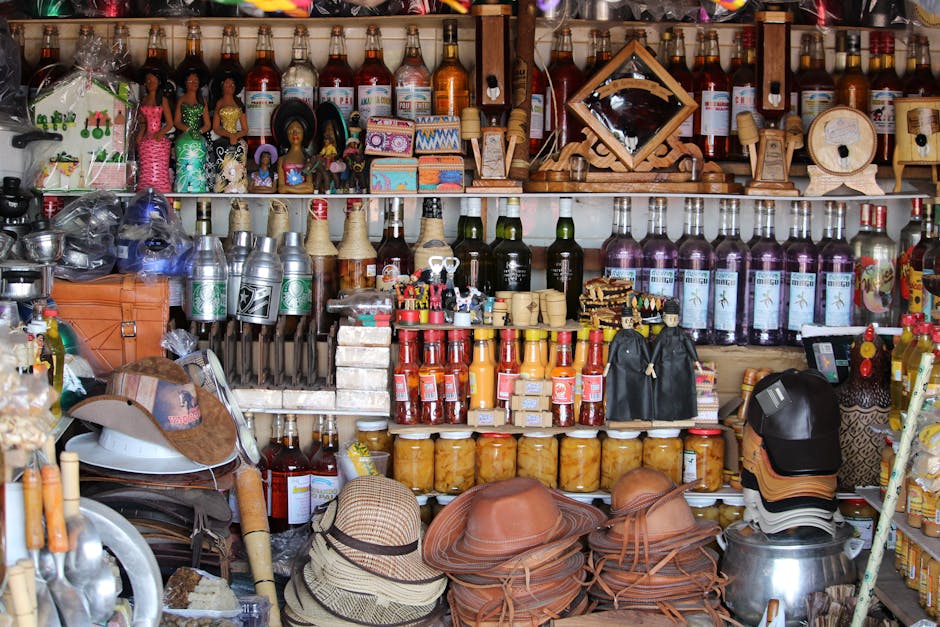
For many, the idea of Christmas markets conjures images of snowy European squares. But Brazil, with its diverse cultural heritage and enthusiastic approach to celebrations, has been steadily cultivating its own vibrant market scene. These markets often blend European influences with distinctly Brazilian flair, offering everything from artisanal crafts and local delicacies to dazzling light displays and live performances.
The Enchantment of Brazilian Christmas Markets
While not as ancient as their European counterparts, Christmas markets in Brazil have rapidly grown in popularity, becoming central to the holiday experience in many cities. They are places where communities gather, local artisans showcase their talents, and the spirit of Christmas comes alive through lights, music, and the aroma of festive foods.
Southern Brazil: A European Embrace
The South of Brazil, with its strong European immigrant roots – particularly German and Italian – is where the Christmas market tradition truly shines. Here, cities transform into winter wonderland lookalikes, even under the summer sun.
Gramado’s Natal Luz: A Grand Spectacle
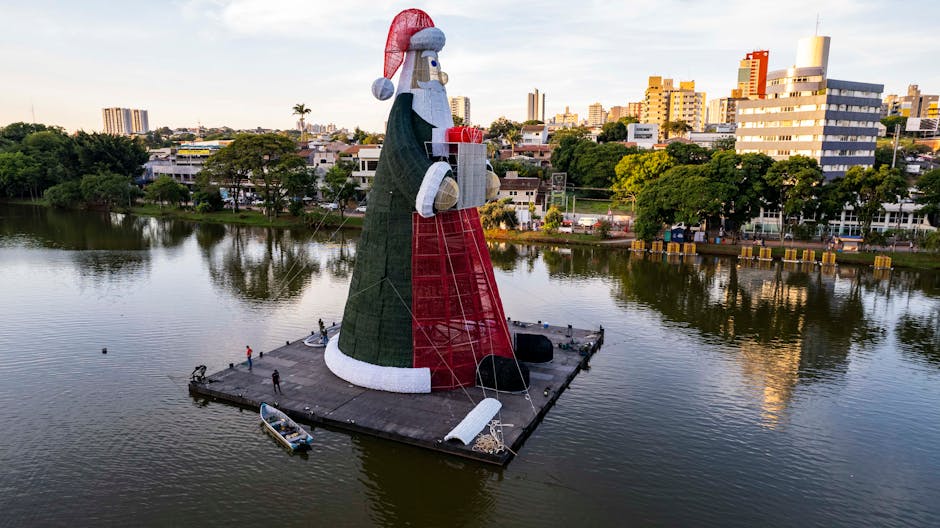
The undisputed crown jewel of Brazilian Christmas celebrations is Gramado, in the state of Rio Grande do Sul. Its “Natal Luz” (Christmas of Light) event is a colossal affair, spanning over two months and attracting millions of visitors. While not a single market in the traditional sense, Natal Luz encompasses numerous themed areas, shows, parades, and yes, dedicated spaces for artisans and food vendors that function very much like bustling Christmas markets.
- What to Expect: Elaborate decorations, dazzling light shows (like the “Acendimento das Luzes” – Lighting of the Lights), Broadway-style musical performances on a floating stage, and charming street stalls selling local handicrafts, mulled wine (or its Brazilian equivalent), and regional delicacies.
- Atmosphere: Magical, family-friendly, and often quite crowded, but in the best possible way, brimming with festive energy.
Curitiba: Traditional Charm in the Capital
Further north in Paraná state, Curitiba boasts a more traditional array of Christmas markets. Known for its European heritage, Curitiba embraces the holiday season with multiple festive points across the city.
- Praça Osório Market: This is perhaps the most well-known. Set in a beautiful square, it features dozens of stalls selling handmade gifts, decorations, and food from local producers. You can find everything from personalized ornaments to delicious brigadeiros and other sweets.
- Rua XV de Novembro: The historic pedestrian street also hosts market stalls, adding to the city’s charming holiday atmosphere with choirs and street performers.
- Thematic Fairs: Curitiba often hosts specialized fairs focusing on nativity scenes or specific craft types, allowing for a deeper dive into local artistry.
Christmas Markets Beyond the South
While the South leads the charge, other Brazilian cities are also embracing and adapting the Christmas market concept, often with a unique tropical twist.
São Paulo: Metropolitan Festive Buzz
Brazil’s largest city, São Paulo, hosts various Christmas events, many of which feature market-like elements. While not always a dedicated ‘market’ in the European sense, large parks and cultural centers often organize holiday fairs.
- Ibirapuera Park: Famous for its stunning Christmas tree and elaborate light and sound shows, Ibirapuera also sees vendors selling festive snacks and drinks during the holiday season.
- Craft Fairs: Throughout December, various neighborhoods host artisan fairs, offering unique, handmade gifts perfect for holiday shopping. These often feature Brazilian designers and creators, providing a glimpse into local contemporary art and craft.
Rio de Janeiro: Carioca Christmas Flair
Rio’s Christmas is less about markets and more about community events and dazzling displays. However, smaller, localized craft fairs and food stalls pop up, especially in tourist areas and public squares, offering a relaxed ‘carioca’ version of holiday shopping and snacking.
A Taste of Brazilian Christmas: Holiday Food Traditions
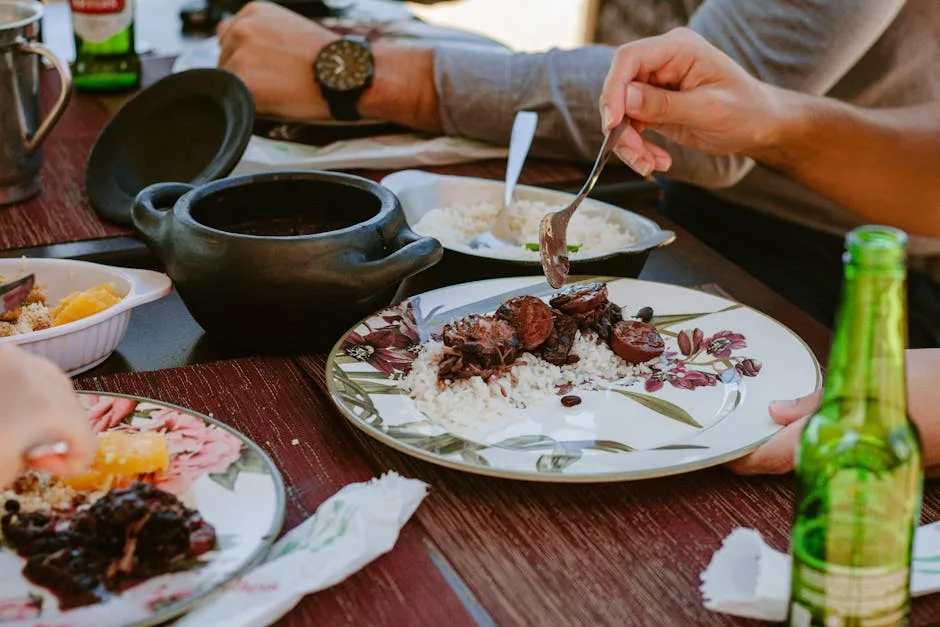
No matter where you are in Brazil, the holiday season culminates in the “Ceia de Natal” – the Christmas Eve dinner. This feast, traditionally held on the night of December 24th, is a cornerstone of Brazilian family life, a lavish spread reflecting the country’s rich culinary tapestry, blending indigenous ingredients with European and African influences.
The Savory Stars of the Brazilian Christmas Table
The main course of a Brazilian Christmas dinner is typically a grand affair, designed to feed a large extended family. Despite the summer heat, traditional roasted meats take center stage.
- Peru (Turkey) and Chester: A whole roasted turkey is often the centerpiece, much like in North America. However, a popular alternative is “Chester,” a specially bred, larger chicken known for its generous breast meat. Both are usually seasoned simply with herbs, garlic, and sometimes citrus, then roasted to perfection.
- Bacalhau (Codfish): Reflecting Portugal’s enduring influence, codfish dishes are incredibly popular, especially in wealthier households. “Bacalhau à Gomes de Sá” (codfish with potatoes, onions, and olives) or “Bacalhau com Natas” (codfish with cream) are common, rich, and flavorful options.
- Farofa: This quintessential Brazilian side dish is a must-have. Toasted cassava flour (manioc flour) often mixed with butter, bacon, onions, and sometimes eggs or fruits (like raisins or bananas), farofa adds a wonderful texture and savory depth to any plate.
- Rice with Raisins (Arroz à Grega): While not strictly Greek, this colorful rice dish, typically made with white rice, carrots, peas, and a generous scattering of golden raisins, is a festive staple. The sweetness of the raisins complements the savory main dishes beautifully.
- Salpicão: A refreshing chicken salad, often made with shredded chicken, mayonnaise, carrots, corn, peas, and sometimes apples or potato sticks for crunch. It’s a lighter, cooler option that balances the richness of the roasted meats.
Sweet Treats and Festive Refreshments
Brazilian desserts for Christmas are an indulgence, often featuring a blend of traditional European sweets adapted to local tastes and tropical ingredients.
- Panettone and Chocottone: These Italian sweet breads are absolutely ubiquitous during Christmas in Brazil. Panettone, with candied fruits, and Chocottone, with chocolate chips, are consumed in vast quantities, given as gifts, and enjoyed with coffee or sparkling wine. Supermarkets dedicate entire aisles to them!
- Rabanada: Brazil’s answer to French toast, but often fried and then soaked in a syrup of sugar and cinnamon. It’s a truly comforting and decadent Christmas morning or post-dinner treat, sometimes served with a sprinkle of condensed milk.
- Pudim (Flan): A smooth, creamy caramel flan is a beloved dessert year-round, but it finds an extra special place on the Christmas table.
- Tropical Fruits: Despite the abundance of rich desserts, fresh tropical fruits like mangoes, pineapples, grapes, and litchis are always present, offering a refreshing counterpoint to the heavier dishes. Dried fruits and nuts are also commonly served.
- Drinks: Sparkling wines (espumantes), especially from the South of Brazil, are popular for toasts. And of course, the ever-present caipirinha (made with cachaça, lime, and sugar) or other fruit juices and soft drinks keep everyone hydrated in the summer heat.
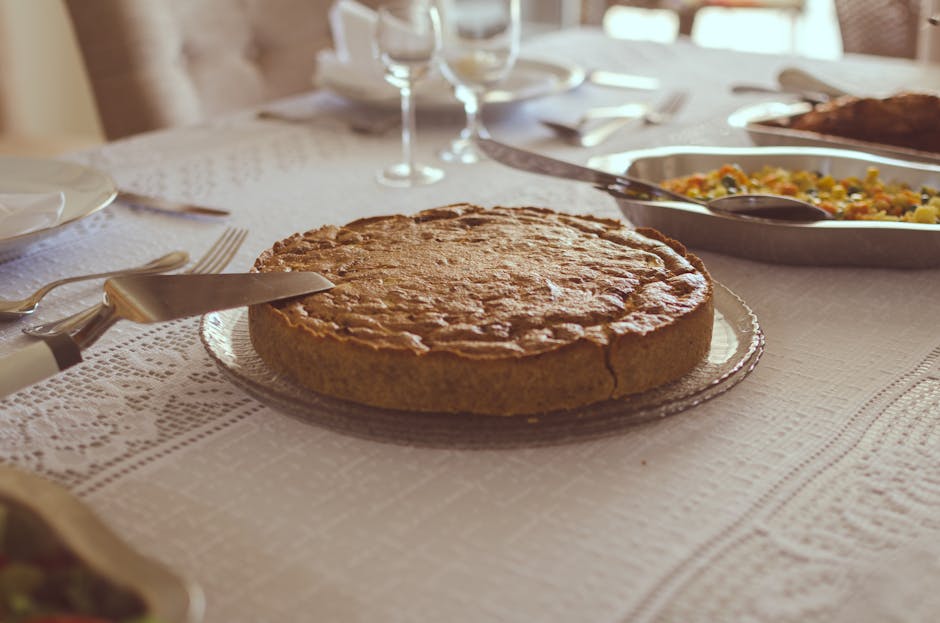
Regional Flavors and Family Gatherings
While these traditions are widespread, regional variations exist. In the Northeast, for instance, seafood might play a more prominent role, and specific local sweets may appear. In the Amazon, unique fruits and river fish might make an appearance on the festive table.
Ultimately, Christmas in Brazil, whether spent wandering a charming market in the South or enjoying a grand “Ceia de Natal” with loved ones, is about warmth, community, and an infectious joy that transcends any specific climate or tradition. It’s a testament to Brazil’s ability to take global traditions and infuse them with its own unique, vibrant spirit.