
Why saying spring beats winter for surf in Florianópolis doesn’t make me crazy
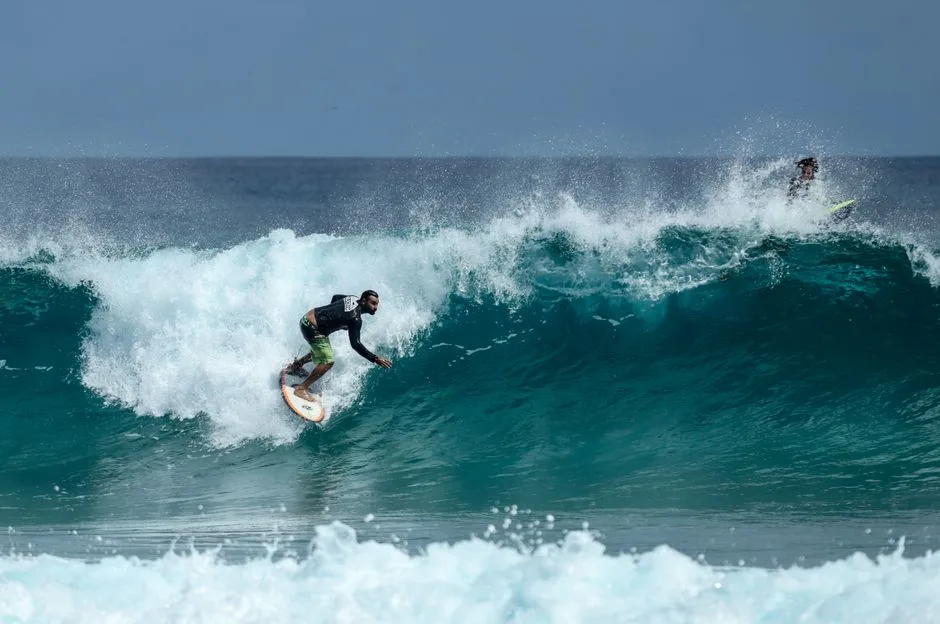
Most people think the island’s winter is the surf season: big southern swells, raw power, and a line-up full of locals in winter suits. I disagree. Spring on Florianópolis — September through November — often gives you the best practical combination: still-solid swells, calmer winds in the mornings, steadily warming water, and far fewer tourists hungrily scoping every break. That mix makes it easier to score good waves without having to time a major storm. I learned that during my first spring here when a late-season southern swell wrapped around the island; I paddled out at a near-empty spot and surfed clean, peeling rights for an hour while winter lines hit farther offshore.
How the swell pattern shifts from winter into spring
Big winter storms in the South Atlantic keep the swell machine running, but as spring approaches the storms generally move and the swell spectra change. Instead of one long, cold series of storm fronts, you get a patchwork: distinct swells separated by calm spells. That means multiple opportunities to catch a clean swell window rather than being stuck waiting for the one perfect winter interval. The waves themselves tend to present more variety — sometimes punchy, sometimes long and friendly. For traveling surfers that variability is gold: you can adapt your board quiver and your schedule rather than committing to a single weather window.
What this means for your surf sessions
Expect more mornings where the wind is offshore and the seas glassy. Midday sea breezes still kick in, especially at exposed eastern beaches, but if you get up early you’ll often find head-high, surfable waves without the crowd pressure of peak summer. Spring also favours beach breaks that break more cleanly because the swell angles are often less aggressive than mid-winter storms. So if you’re traveling with a less experienced friend, spring gives you both safe windows and the option to chase better peaks when the swell lines up.
Which beaches come alive in spring — and who should go where
Florianópolis is famously changeable: one bay can be flat while ten minutes away a set is rolling in. Here’s how I think of the main spots during spring, based on how the island funnels swell.
Joaquina — the reliable punch
Joaquina keeps its reputation through spring. It gets direct energy from southerly swells and often offers punchy, hollow sections that reward aggressive turns. If you ride a shortboard and like quick sections, aim for Joaquina on a clean morning. It’s also where local competitions and surf culture show up, so you’ll hear Portuguese surf chat at the line-up. Watch for sandbars that move with each swell; they change week to week.
Praia Mole — playful and scenic
Praia Mole offers playful beach-break peaks that suit intermediate surfers. On smaller spring swells it can be downright fun and forgiving, which makes it a perfect spot if you want to practice maneuvers without heavy consequences. The vibe here is younger and more international, and the access from Lagoa da Conceição means you can grab a post-session açaí bowl without a long drive.
Campeche — the open-ocean canvas
Campeche feels like a wild stretch of coast. It can handle larger swells and open-swell directions that other beaches won’t pick up. When a longer-period southerly run hits, Campeche will show up with solid lines and powerful takeoffs. If you’re traveling and want a string of long rides, set your alarm and head there when the forecast lists a clean southern swell.
Santinho and Lagoinha — technical peaks for sharp turns
These beaches can produce hollow, fast waves when the sand is in the right spot. They reward timing and positioning, so they’re not where beginners should go hunting on their first trip. If you enjoy reading a wave and hitting a critical section, Santinho can be the hidden gem of a spring session.
Barra da Lagoa and the east-facing coves — shelter and variety
Barra is a go-to when the wind is easterly or on days when you want sheltered conditions. The point breaks and reefs around the eastern side of the island offer softer, more forgiving waves at times. Use these spots for surf school days or to take a slower session when a bigger swell is running elsewhere.

Morning routines that actually increase your wave count
Spring mornings reward commitment. I set two rules for myself: be on the beach 45–70 minutes before high tide (tides change each day — check them), and scope the sandbars first before putting a leash on. Walk the shoreline if you can; visual recon saves you wasted paddle turns. If a break looks crowded, don’t force it. Walk five minutes along the sand and you’ll often find another peak with fewer people.
Practical checklist for spring sessions
- Wake early for glassy conditions; the wind usually picks up later.
- Bring a spring suit or light wetsuit — water warms through spring but mornings can still feel cool.
- Have at least two boards: one shortboard or hybrid and one fish or mid-length for inconsistent swells.
- Use local forecast tools the night before and again in the morning.
How to read the forecasts without getting overwhelmed
Forecasts throw out a lot of numbers: swell height, period, wind speed and direction, and tide. Here’s what I look for, in plain terms: swell period tells you how energetic the swell is — longer periods mean the swell has traveled farther and will often punch harder and hold shape through sandbars. Swell direction tells you which part of the island will work. Wind direction tells you whether the morning will be glassy or baked into choppy mess. For tools, I use a mix — one for raw numbers and one for visualization. Check an hourly wind model the night before, then verify early in the morning. Treat the forecast as a plan, not a guarantee.
Gear choices: what to bring from home and what to rent locally
If you can only pack one board for spring, bring something that trims well off the bottom yet paddles easily — a mid-length or hybrid. Spring swells are inconsistent; you’ll appreciate paddle power on rolly days. Pack a spring suit if your home waters are warm; you’ll use it most mornings. If you prefer to travel light, Florianópolis has a solid rental scene and surf schools that also supply boards and suits, but don’t expect the exact model you ride at home. If you’re picky, bring your own leash and fins; they’re small and make a big difference.
Where to base yourself on the island as a visiting surfer
Pick your base depending on the vibe you want and the spots you plan to surf. Lagoa da Conceição is the most practical base for spring visitors who want quick access to Praia Mole, Joaquina and the eastern coves. It has cafés, gear shops, and a nightlife that lightens up after a session. If you want quieter mornings with long beaches, Campeche and the southern coastline offer a calmer pace. Choose proximity to surf over beachfront romance — nothing kills a dawn paddle like a 45-minute taxi in the dark.
Accommodation tips from someone who books regularly
Book flexible stays. Spring can be unpredictable; a night or two of good swell may tempt you to extend. Apartments with a secure place to store boards are worth seeking out, and hostels that cater to surfers will often have connections for transport and local shuttles. If you travel with a group, a rental with surfboard racks saves time and stress.
Local surf culture and etiquette that will earn you respect
Brazilians take their surf seriously, but they’re also friendly and curious. A few behaviors go a long way: learn to say ‘bom dia’ (good morning) and ‘valeu’ (thanks) — I promise it opens doors. Be firm but courteous in the line-up, don’t paddle through someone already riding a wave, and avoid dropping in. If you’re unsure about priority, watch for a moment and then ask. Locals will often help you read the tide and the sandbars if you start a conversation. Respect the environment: pick up any trash, avoid parking on fragile dunes, and stick to marked paths to the beach.
Lessons, guides, and how to save time finding where to surf
If you want to shave off the learning curve, book a local guide for a day. A guide will show you beach access points, current sandbar configurations, and the wind windows for different spots — things that take me years to notice when I teach. Many surf schools on the island speak English and tailor sessions to foreigners, including hotel pickup. For independent travelers, local surf shops are also excellent info hubs: they’ll point to a friendly spot for your skill level or a hollow break if the swell is up.
Seasonal trade-offs: why spring forces better decisions
Spring doesn’t give you the absolute extremes. It won’t feed the biggest, most consistent winter lines, and it certainly won’t be as flat and tourist-filled as February. What it does give is choice. You’ll have to read forecasts and choose spots, but you’ll also miss the worst crowds and the front-on winds that ruin inconsistent summer days. That trade-off forces smarter planning — check the swell charts, pick your beach, and be ready to move in the morning. The payoff is more sessions that feel like you scored them rather than had to fight for them.

Practical safety and health notes for spring surfers
Rip currents exist year-round around the island’s beach breaks. If you’re unsure, ask lifeguards or locals. Always surf within your limits; spring swells can still surprise you with stronger sets. For sun protection, spring sun is sneaky — bring reef-safe sunscreen and reapply often. If you’re renting gear, inspect the board for delamination and check the leash. And finally, keep an eye on tide charts: some sandbars look perfect at low tide and become dangerous at high tide.
How to time your trip for the best mix of waves and culture
Target the shoulder weeks of spring if you want to avoid holiday crowds while still catching reliable swells. Weekdays are quieter than weekends, naturally, and mornings are quieter than afternoons. Mix surf days with local outings: a post-session stroll in Lagoa da Conceição, fresh seafood in Ribeirão da Ilha, or a small cachaça tasting on one of the quieter evenings. Those cultural touches turn a surf trip into a proper island visit and make you appreciate why surfers choose to live here.
One real tip I use when booking flights
I keep one flexible night at the start of every trip. Fly into Florianópolis, sleep close to the airport or in central Lagoa, and don’t book the return until you see the forecast for your final days. Spring sometimes throws a surprise swell; that extra night makes it simple to ride one more session instead of watching it from the terminal.
A few myths about Florianópolis spring surfing, busted fast
- Myth: spring is flat. Reality: not true — you get a mix of clean swells and mellow days.
- Myth: the water is freezing until summer. Reality: it warms progressively; many people use light suits early and none by late spring.
- Myth: only locals surf the best breaks. Reality: locals guard certain spots, but most are welcoming if you show respect.
A concrete starter plan for a five-day spring surf trip
Day 1: Arrive late, sleep near Lagoa, quick recon of tide and wind. Day 2: Dawn session at Praia Mole or Joaquina depending on the forecast, lunch at a local kiosk, afternoon switch to Santinho for a new angle. Day 3: Drive south to Campeche if the forecast lists a longer southerly swell; bring a fish or hybrid. Day 4: Take a lighter day, surf Barra da Lagoa in the morning, explore local markets in the afternoon. Day 5: One final early session where the charts look clean, then pack flexible return. Book a guide for any day you feel out of your depth.
Final practical thought to take with you
Don’t chase a mythical single ‘best day’. Spring here rewards smart moves: early alarms, scouting the sand, talking to one local, and bringing two boards. You’ll leave with better memories and more waves than if you’d waited for one perfect winter storm. Roll with the island’s rhythm and the swell will find you.