
The moment the sea rearranged itself
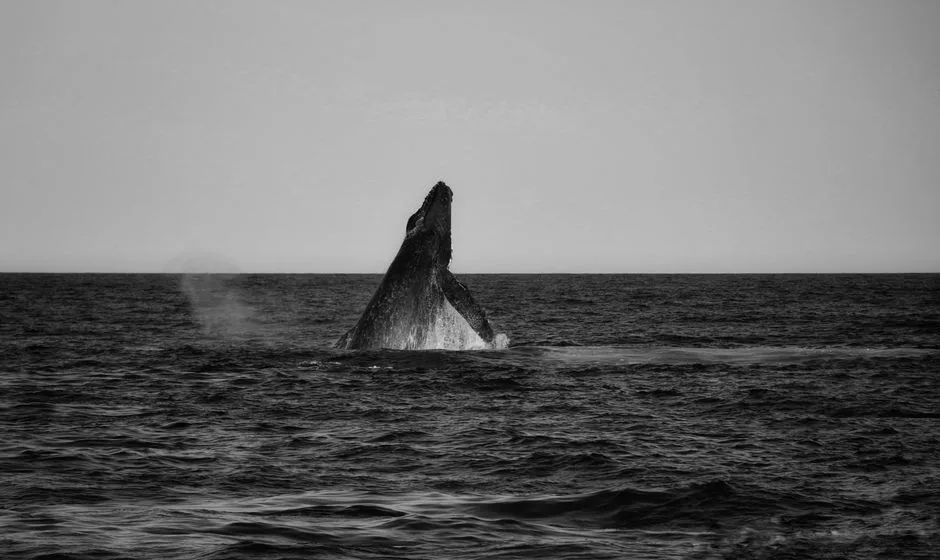
The spray hit my face, cold and salty, and for a heartbeat I thought the boat had come apart. Then the whale cleared the water—massive, curved, mouth foaming—and the whole world felt proportionally smaller. That’s the honest truth: the first time I saw a humpback in brazilian waters I stopped trying to take the perfect photograph and simply watched. If you want the same raw, no-filter feeling, you’ll plan carefully and pick the right coast at the right time.
Why Brazil hosts such theatrical humpbacks
Humpback whales in the Southern Hemisphere spend summers feeding in polar waters and migrate north to warmer, protected coasts to mate and give birth. The Brazilian coastline—long, warm, and threaded with islands, bays and shallow banks—offers two unmistakable theaters for this migration: the Abrolhos region in southern Bahia and the coast of Santa Catarina in the south. Each has its own personality. Abrolhos is about coral formations and clear blue water. Santa Catarina is about sheltered bays, shorewatching cliffs and surf towns where whales swim within sight of beaches.
What you’re likely to see
Humpbacks are showy. Expect breaching, tail-slapping (lobtailing), spyhopping (when the whale lifts its head above the surface), and very often close-up mother-and-calf interactions. Male humpbacks sing long, complex songs on breeding grounds—if you’re lucky and quiet on a boat, you might hear low, haunting notes through the hull or recorded on a hydrophone. But remember: breeding ground behavior is focused on mating and calf protection, so adults can be unpredictable. Respect, distance and patient observation will reward you with the best moments.
Season windows: when to go
If you’re planning your calendar around whales, here are the straightforward windows that matter most:
- Bahia (Abrolhos region): July through November. This stretch covers when humpbacks arrive to breed and calve; August to October tends to be the most active.
- Santa Catarina (Imbituba, Garopaba, Praia do Rosa): June through November. Expect very consistent sightings from July to October; some years show activity extending into November depending on ocean conditions.
Pick Bahia if you want long, blue-sea boat trips and a protected marine park with coral scenery. Pick Santa Catarina if you want the possibility of shore sightings, shorter runs offshore and a combo of beach culture and whale watching.
Bahia: the Abrolhos experience
Abrolhos sits off southern Bahia and is the richest reef complex in the South Atlantic. Boats leave from small ports like Caravelas and Alcobaça and run two- to four-hour trips to the park, depending on which operator and tide you choose. In this region you’ll find mothers with young calves that use the clarity and shallowness of the Abrolhos banks as a nursery. The water color here is postcard-blue; the whales often come up with the reef visible behind them, which makes for dramatic photos.
Practical note: Abrolhos is a protected area, and operators usually need authorization to enter the park. That means fewer boats near whales compared with open-coast sites—good for conservation and for the quality of the encounter. Also, because the trips are longer, you should consider seasickness preparation if you get queasy on a swell.

How a typical Abrolhos day looks
You’ll wake early, load onto a small motorboat (often paired with a larger support vessel), head out past the sandbars and islands, and spend the better part of a morning or early afternoon around marine features where whales congregate. Skippers are used to following behaviors—if a mother and calf are resting, the boat will circle at a respectful distance. If a group is active, you may watch multiple breaches in rapid succession.
Where to stay and what to combine it with
Staying in small towns like Caravelas or studying the quieter pousadas around Alcobaça keeps your trip authentic. While whales will be the highlight, combine the trip with a day of snorkeling (Abrolhos has excellent reefs), fresh seafood in a local casa de farinha, and quiet evenings at a pousada. I like to leave an extra day in that part of Bahia—ocean conditions can change, and having flexibility increases the chance of a perfect day.
Santa Catarina: whales within sight of the surf
Head south and you’ll find an altogether different rhythm. In Santa Catarina, towns like Imbituba, Garopaba and Praia do Rosa have a surfer-friendly, laid-back vibe. Whale watching here is often shorter: operators can be out and back in a few hours, and shore-based sightings are surprisingly common. On clear days you can spot blows and tails from cliffs or even from beaches—nil suspense except the wait.
Notable spots
Praia do Rosa and Garopaba are top choices for shore viewing. Imbituba’s port launches many of the whale-watching boats. These places are also great for combining with surfing, stand-up paddleboarding and a lively small-town dining scene; after a morning with whales, you’ll find an inviting cafe or beach bar to decompress in.
Shorewatching vs boat trips
Shorewatching is underrated. I’ve seen mother-calf pairs linger in small bays so close to rocks that people with binoculars could study blow patterns. Boats offer intimacy: a different perspective at eye level and the chance to be within the whales’ horizontal path. Shorewatching offers drama with less motion, no seasickness and a slower pace—perfect for families or if you’re pairing whale watching with surfing.
Choosing an operator: what I look for
This is where being picky pays off. I always choose operators with local licensing and good reputations for patience and restraint. Look for three practical signs:
- Licensing and permits: operators should be authorized for whale watching by local authorities; ask if the crew follows park rules or IBAMA guidance.
- Small-group focus: fewer people on a trip equals less disturbance for whales and a better experience for you. If the boat is too big, you’ll miss intimacy and timing.
- Clear protocols: the crew should brief passengers about behavior around whales—no loud engines, no sudden approaches, no jumping from the boat toward animals.
Ask before you book: are hydrophones used? Does the operator limit how long boats linger? How do they handle a calf-mother encounter? Good answers are honest and prioritize animal welfare over spectacle.
A few things guides won’t tell you unless you ask
Not all approaches are equal. Some captains will keep a slow idle and drift with the animals’ natural movements; others try to anticipate direction and move the boat for better angles. I prefer operators who let whales lead. Also ask if photography assistance is available—some guides are excellent at telling you when to raise your camera for a breach or tail-slap.
Packing, camera tips and comfort essentials
You don’t need professional gear to enjoy whales, but a few specifics will improve the day:
- Bring a mid-telephoto lens (70–200mm) or a compact camera with strong zoom. You’re rarely centimeters away, but you’ll want reach.
- Use continuous autofocus and burst mode for action shots. Breaches last seconds; reaction time matters.
- Waterproof bag or dry bag for phone, wallet and camera. Salt spray will find everything that isn’t sealed.
- Sun protection: hat, sunglasses, and high-SPF sunscreen. The ocean reflects light strongly.
- Windbreaker or light jacket. Morning runs can be cool, especially in southern Brazil.
- Motion-sickness medicine if you’re prone to seasickness. Take it before you board, not once you’re already queasy.
Behavior and ethical viewing: do it the right way
Seeing whales is a privilege. You’ll be tempted to get closer than the rules allow if a whale seems curious—that’s a dangerous moment. Keep these simple ethics in mind:
- Listen to your crew. They have the best sense of safety and legal boundaries.
- No splashing, no shouting, and no throwing objects. Noise stresses whales and can alter their behavior.
- Respect mother-calf pairs. If a calf appears distressed or the mother acts defensively, the captain should back off immediately.
- Avoid drones unless explicitly permitted. Drones can disturb whales and are often regulated.
When operators prioritize restraint, whales behave more naturally and you get cleaner, calmer sightings. I’ve been on trips where a brief pause—five minutes of silent watching—produced the most remarkable behaviors. The lesson: restraint equals reward.
What to expect from the ocean and local weather
The South Atlantic is variable. Bahia’s waters are warmer and can be gentler around reefs; Santa Catarina’s seas are cooler and influenced by winds from the south. Morning trips generally offer calmer seas, while afternoons can bring more wind. If you’re planning around a single day, book a morning slot and keep an extra day in your itinerary as backup.
When trips get canceled
Captains will cancel when conditions threaten safety or whale welfare. That can be frustrating after travel, but it’s professional and often necessary: rough seas, strong winds or bad visibility all make whale-watching unsafe and stressful for animals. Build a buffer day into your schedule so you don’t tie everything to one weather-dependent window.
Combining whale watching with local culture and food
Part of the pleasure of whale season is how it threads into local rhythms. In Bahia, you’ll find seafood plates rich with coconut milk and palm oil—moqueca is the classic, and it’s worth lingering over on a slow evening after a reef trip. In Santa Catarina, grilled seafood, oysters and lively beach bars are part of the coastal scene. Stay in local pousadas or small hotels; hosts will often have the best, up-to-the-minute advice about where whales have been seen that morning.
Accessibility and who should go
Whale tours are broadly accessible, but there are trade-offs. Some boats require stepping down a ladder into a small skiff; others are more stable. If mobility is a concern, ask operators whether they can accommodate passengers with reduced mobility. For families with small children, short trips and shorewatching are excellent options—kids love the surprise of a blow or a breach close to shore.
Conservation reality: why your visit matters
Humpbacks were heavily hunted in the past, and while populations have recovered significantly, human pressures remain: ship strikes, fishing gear entanglement, noise pollution and habitat changes all play roles. Responsible whale-watching tourism brings money and attention to conservation. Choosing operators who follow best practices contributes directly to continued protection—your ticket is both an experience and a small act of support.
When an encounter feels too close
There are dramatic moments you’ll not forget. I once watched a calf surface immediately under our bow—so close that seconds felt stretched. The captain killed the engine, and the crew hushed the boat. The calf slipped away and the mother stayed near, almost brushing us with her pectoral fin. Those are the stories people tell, but they are also the moments that require the crew to act fast and respectfully. If you ever feel a captain is pushing proximity for a photo, speak up or disembark at the first safe opportunity. Your voice matters.

When to pick Bahia vs Santa Catarina — a short guide
Here’s how I decide, when someone emails me asking which coast to choose:
- Pick Bahia (Abrolhos) if you want longer, reef-backed boat trips, clearer tropical water, and a national park setting. It feels more like an expedition.
- Pick Santa Catarina if you want the possibility of shore sightings, shorter runs, and a mix of surf-town life and whale action. It’s easier to combine with other coastal activities.
Money matters and booking timing
Whale season draws domestic and international visitors. Book popular weeks—especially August and September—well in advance. Smaller pousadas and the best local operators fill quickly on weekends and school holidays. Also, if you’re flexible with dates, midweek mornings often give you smaller groups on boats and calmer seas.
One practical itinerary example
Here’s a brief, realistic three-day plan that I’ve used with clients in Santa Catarina:
- Day 1: Arrive in Florianópolis or Navegantes; transfer to Praia do Rosa or Garopaba; evening beach walk and local dinner.
- Day 2: Morning whale-watching trip from Imbituba; afternoon free for surfing or rest; sunset at a cliff lookout for potential shore sightings.
- Day 3: Optional second boat trip or a scenic day trip to neighboring beaches; depart in the evening or next morning.
Same template works for Bahia if you swap base towns and add an extra day for the longer Abrolhos transit.
The single best piece of advice I can give
Arrive ready to be quiet. Whales respond to calm. Bring patience, a good operator and the willingness to let a perfect moment be imperfect (because that’s what makes it real). You’ll leave with photos, certainly, but what stays with you is a sense of scale: how big the ocean is, how careful life can be inside it, and how a single encounter can reorder priorities for a day.
A final practical takeaway
Book for the right season (July–November for Bahia; June–November for Santa Catarina), choose a licensed, small-group operator, and plan an extra day in case the weather cancels the first attempt. Give the whales space and your full attention. Do that, and you’ll get a story that’s worth telling—one that doesn’t need a filter or a tall tale to feel true.