
That moment when the city glows
I still remember the second the sun sliced through a bank of clouds and the whole bay went gold. I was halfway up the cable car to pão de açúcar, camera in one hand, a cold guaraná in the other, and a local woman beside me who laughed and said, “You picked the right day.” You can have that exact moment, too — and you don’t need to be a pro photographer or pay for an expensive private tour. You only need a plan, a little flexibility, and a willingness to trade crowds for light.
Why combine Corcovado and Pão de Açúcar in one day
Corcovado and Pão de Açúcar (Sugarloaf) are not just beautiful; they show two very different faces of Rio. Corcovado places you with Christ the Redeemer looking over the forested spine of the city and the sprawling neighborhoods that stretch toward the sea. Pão de Açúcar is dramatic geometry — granite peaks, glassy Guanabara Bay, and close-up cable-car panoramas. Do both in one day and you get forest, iconic statue, sweeping bay, and sunset from a blisteringly good perch. If you plan your timing, the logistics line up cleanly: Corcovado in the cool morning for softer light and fewer people, Pão de Açúcar late afternoon into sunset for the color show.
Be realistic about energy and weather
Rio’s sun is honest and exhausting. If you’re jet-lagged after a long flight from Europe or the U.S., split these over two days. But if you’re mobile and resilient, I recommend an early Corcovado and a late Sugarloaf — it’s a full day, yes, but it’s one of those days you’ll remember for years. Check the forecast the evening before: cloud cover killed more of my perfect-photo mornings than anything else.
Starting the day: Corcovado before the crowds
Plan to be at Corcovado early. I tell people to aim for the first trains or vans of the day. Early light is gentle; the statue has space around it; you’ll be breathing the kind of quiet not usually associated with Rio. The National Park opens early, and your best bet is to grab either the cog train, an official van from a designated point, or a private transfer that drops you at the park entrance.
Getting there — practical options
The classic experience is the cog railway that winds up through Tijuca Forest. It’s charming, and the ride itself is part of the visit. Official vans work well if the train has sold out or if you’re staying in a neighborhood where the vans pick up. If you’re traveling with mobility concerns, there are accessible options that take you to the platform area. I prefer a scheduled morning train because it feels less like a scramble and more like easing into the day.
How much time to allow
Give yourself at least 90 minutes to two hours at Corcovado. That covers the ride up, time at the summit to walk around and shoot from several angles, a coffee, and a bit of breathing room for queues or crowds. If you’re slow with photography or want to spend extra time at the viewpoint soaking in the city, plan for two to three hours. Don’t rush; you’ll regret it once you’re looking back down over Rio with the Christ statue behind you.
Photography and view tips at Corcovado
Bring a mid-range zoom lens and a wide if you have one. The statue is large but the best photographs are about composition — use framing with nearby rock or the canopy. The light is friendliest early: soft, warm, and less contrasty than midday. You’ll get a very different shot if you stand on the north side versus the south side; experiment. Binoculars are great for seeing boats in the bay and distant islands. Most tourists cluster at the north-facing ledge; walk around a little and you’ll find calmer spots with better angles.
Midday logistics: lunch, neighborhoods, and travel time
After Corcovado you’ll be hungry. If you want to stay near the park, head down into Cosme Velho for a small café or padaria — fresh pão de queijo and a strong coffee refill the batteries. If you’re feeling exploratory and have time, take a short taxi or Uber up to Santa Teresa. The neighborhood is a tangle of narrow lanes, colonial houses, and creative restaurants where you can sit on a shaded patio and eat feijoada-inspired bowls or freshly grilled fish with salad.
Why Santa Teresa is worth the detour
Santa Teresa is a heartbeat away and it slows you down. Stroll the winding streets, peek into art studios, and catch a tram if you like — it’s a small cultural injection before the high-drama of Pão de Açúcar. You’ll also find excellent local craft shops and small cafés that serve food that’s both local and sensible for a traveler: simple, well-seasoned, and portable if you want to eat on the move.
Allow transit time
From Corcovado to Santa Teresa or Cosme Velho plan for about 30–45 minutes depending on traffic. From Santa Teresa to the base of Pão de Açúcar (Urca neighborhood), allow roughly 30 minutes to an hour. Rio traffic can be unpredictable, especially on Fridays and late afternoons. Build in a 30–45 minute buffer — better to be early at Pão de Açúcar and sip a cold drink in Urca than to miss sunset because you lingered over dessert.
Pão de Açúcar: timing the cable cars and the light
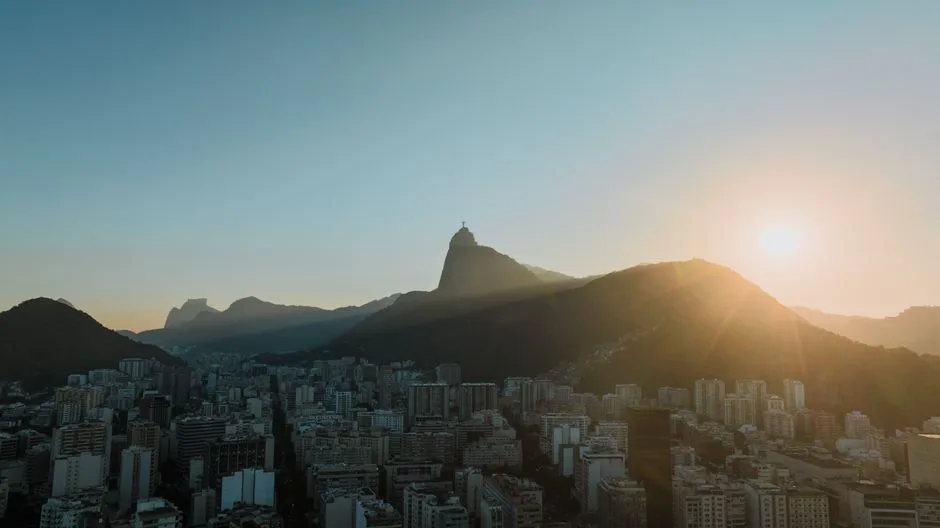
Pão de Açúcar is famous for its cable car, but people forget that the view changes dramatically with the angle of light. Late afternoon is prime time: the sun dips, Guanabara Bay flashes, and the city’s contours grow cinematic. My rule: arrive at the lower station with enough time to buy or confirm tickets, ride the two-stage cable up, and be on the top plateau about 45–75 minutes before sunset if you want golden light and a less frantic crowd.
How the cables work
The ascent happens in two steps: a short hop to Morro da Urca, then a longer crossing to the summit of Pão de Açúcar. Many visitors stop at Morro da Urca to eat, drink, and take quick photos. I sometimes do the same, but if sunset is my target I push through to the top and stake out a good viewing spot. The top terraces offer several vantage points — the south side looks out over Copacabana and Ipanema; the east side frames the bay and RJ’s downtown skyline.
Evening photography tips and crowd strategy
As the sun sets, light softens and the city warms. Use a tripod or a stable surface if you want long exposure city lights; if not, raise your ISO but don’t overdo it. Scout a spot early — balconies near the main platform fill quickly. Mingle with locals; Cariocas love to watch the sunset and many have opinions on the best viewing angle. If you want fewer people in your photos, head to the far left or right edges of the upper platform — folks tend to cluster in the center.

Practical packing and what to wear
Dress in layers. Early morning in the forest is cool; afternoon in the sun is hot and reflective. Bring comfortable walking shoes with grip — some paths are rough stone. A lightweight rain jacket in your bag is never a bad idea; tropical showers pop up quickly. Sun protection is non-negotiable: hat, sunglasses, SPF 30+ lotion, and a reusable water bottle you can refill. I carry a small daypack with travel tissue, hand sanitizer, a snack (banana or energy bar), and a fully charged phone battery pack.
What not to bring
Avoid bringing bulky luggage or valuables you won’t need for the day. If you have drone plans, check local regulations — national parks and the area around the statue have strict rules. Also, if you intend to use a tripod at Corcovado, be mindful of crowd dynamics; a monopod might be a friendlier option when the summit is busy.
Tickets, booking, and avoiding line headaches
Buy Corcovado and Pão de Açúcar tickets in advance when possible. Official sites and authorized sellers list available times. If your schedule is tight, book timed entries for Corcovado and a sunset slot for Pão de Açúcar. If you don’t reserve, arrive early and hope for the best — weekends and holiday seasons fill quickly. If you prefer spontaneity, aim for the off-peak season (Brazil’s autumn and spring months) or weekdays.
Guided tour vs. independent
Guided tours add context: local stories, history, and logistic smoothness. If you prefer going alone, the independence has huge value — you photograph when you want and choose how long to stay. I often mix both: a guided Corcovado morning (to avoid regional transport hassles) and a free-form Pão de Açúcar evening. That way I get local knowledge early and freedom later.
Safety and crowds — what I tell nervous travelers
Rio gets an unfair reputation. Like any big city, it has areas to be cautious about and times when you should keep valuables tucked away. At both viewpoints, petty theft is the main concern because crowds create opportunity. Carry a small cross-body bag, keep cameras close, and don’t flash large sums of money or jewelry. If someone approaches asking for photos or trinkets, be polite but decisive — don’t be pressured into instant purchases. At Pão de Açúcar and Corcovado there are official vendors and staff; stick to them when you need services.
Transportation safety tips
Use registered taxis or ride-hailing apps for point-to-point trips. If you take public transport, watch your belongings. In neighborhoods like Urca and Cosme Velho, you’ll feel safer walking around after dark than in crowded busier zones because there’s a stronger presence of residents and tourists. If you’re coming back from Pão de Açúcar very late, arrange a private transfer or a reliable ride-hailing pick-up spot rather than assume you’ll find a taxi immediately.
Eating and drinking: local suggestions near the viewpoints
Urca is my favorite place for pre- or post-Sugarloaf food. The neighborhood is relaxed and full of small restaurants and kiosks where you can sip a caipirinha or order grilled fish and farofa. If you left Corcovado and want something quick, head to a padaria for sandwiches, fresh fruit, and strong espresso. Avoid heavy meals right before the cable car if you get motion-sensitive; light is better — a savory pastry, fruit, and water will keep you comfortable.
Snack strategy for a long day
Pack a snack for the late afternoon — a sandwich or fresh fruit avoids the tourist-trap prices near the main viewpoints. I always keep a couple of energy bars and a small pack of nuts in my bag. They don’t weigh much and they save you when the line is long and you don’t want to lose your place for a restroom run.
Alternative plans if weather ruins the sunset
Cloudy days happen. If clouds roll in, switch to plan B: explore the museums, street art in Lapa, or the botanical garden. The Jardim Botânico near Corcovado is a lovely alternative and has a calmer pace. If you’re determined to salvage dramatic views, consider a harbor boat trip in Guanabara Bay — even cloudy, the water and city reflections can be haunting and different in a good way.
Short versions: What to do if you have less time
- If you only have a morning: pick Corcovado for the statue and forest views. It feels more “Rio” in a single shot.
- If you only have an afternoon: head to Pão de Açúcar and time it for golden hour; that city-glow is hard to beat.
- If you have a half-day: choose based on your patience with crowds. Corcovado is more contemplative; Sugarloaf is more theatrical.
Local habits and tiny etiquette points
Cariocas are casual. A friendly “bom dia” or “boa tarde” goes a long way at cafes and with vendors. If you’re seated at a small table, don’t expect your server to hover — service can be relaxed. Tipping is appreciated but not obligatory; rounding up or leaving 10% is common, depending on service. Most places accept cards, but small kiosks or market stalls sometimes prefer cash.
A small story about timing and patience
A few years back I missed my intended sunset on Pão de Açúcar because I insisted on finishing lunch in Santa Teresa. Traffic snarled and the sky clouded over. Instead of sulking, I sat at a small bar near the Urca pier, drank a cold beer, and listened to a local recount how he’d learned to wait: “The city gives you the view when you make room for it,” he said. An hour later the clouds opened and the bay ignited. I learned that day that planning matters, yes, but so does patience.
Concrete takeaway — what to book and when
Book a morning Corcovado slot (train or official van), plan lunch in Cosme Velho or Santa Teresa, leave a comfortable travel buffer, and aim for Pão de Açúcar about 75 minutes before sunset. Carry sun protection, water, and a snack. Keep your camera battery charged and your sense of humor ready; Rio rewards those who show up prepared and curious.
Now go time it right. If you want, tell me which month you’ll be here and I’ll give a quick note on expected crowd levels — I love saving other people from the “missed sunset” learning curve.