

Why Brazil keeps drawing LGBTQIA+ travelers
brazil is loud, colorful, and uncompromisingly alive. For LGBTQIA+ travelers the country offers everything from sprawling urban scenes to intimate beach towns where being yourself is simply part of the rhythm. Same-sex marriage has been legal nationwide since 2013, and major cities host some of the largest pride celebrations on the planet. Still, Brazil is large and culturally diverse: friendliness in one place doesn’t always map to another. This guide focuses on ten destinations that reliably welcome queer travelers—where nightlife, community resources, and local culture combine to make trips feel both safe and unforgettable.
São Paulo — where the scene is monumental
If you’re chasing scale, start in São Paulo. The city’s LGBTQIA+ scene is vast and varied: neighborhood bars and underground clubs rub shoulders with elegant restaurants and late-night dancefloors. Avenida Paulista and Rua Frei Caneca are hubs for nightlife and queer-friendly businesses, while Vila Madalena and Jardins offer boutique hotels and daytime cafés where you’ll feel comfortable. São Paulo Pride Parade, held in June, is massive—one of the world’s largest public demonstrations for LGBTQIA+ rights—and the atmosphere is electric.
Culture is part of the appeal: museums, cutting-edge theater, and diverse food scenes make Sao Paulo a place to linger. Stay near Paulista for easy transport and daytime exploring, then hop to Rua Frei Caneca at night for bars that cater explicitly to queer crowds. For practical travel: public transit is extensive, but late-night rideshares are the most convenient way between neighborhoods when the subway closes.
Rio de Janeiro — beaches, samba, and iconic queer corners
Rio blends natural beauty with an active gay scene. Ipanema—especially the area around Farme de Amoedo—has a long-standing reputation as a friendly and visible queer neighborhood. Copacabana hosts large Pride events and the beach culture here is relaxed and welcoming, with an unmistakable Carioca energy. By day, relax on sun-soaked sand; by night, Lapa’s music and bars deliver samba, drag and dancing until dawn.
Rio is tourist-friendly and easy to navigate for internationals: choose accommodations in Ipanema or Copacabana for access to LGBTQ bars and beach culture, and use reputable transport at night. Watch the weather—Brazilian summer is intense and Carnival (February or March) is the country’s biggest party season, when the city’s inclusivity shines through in massive street celebrations.

Búzios — intimate resort town with a relaxed queer vibe
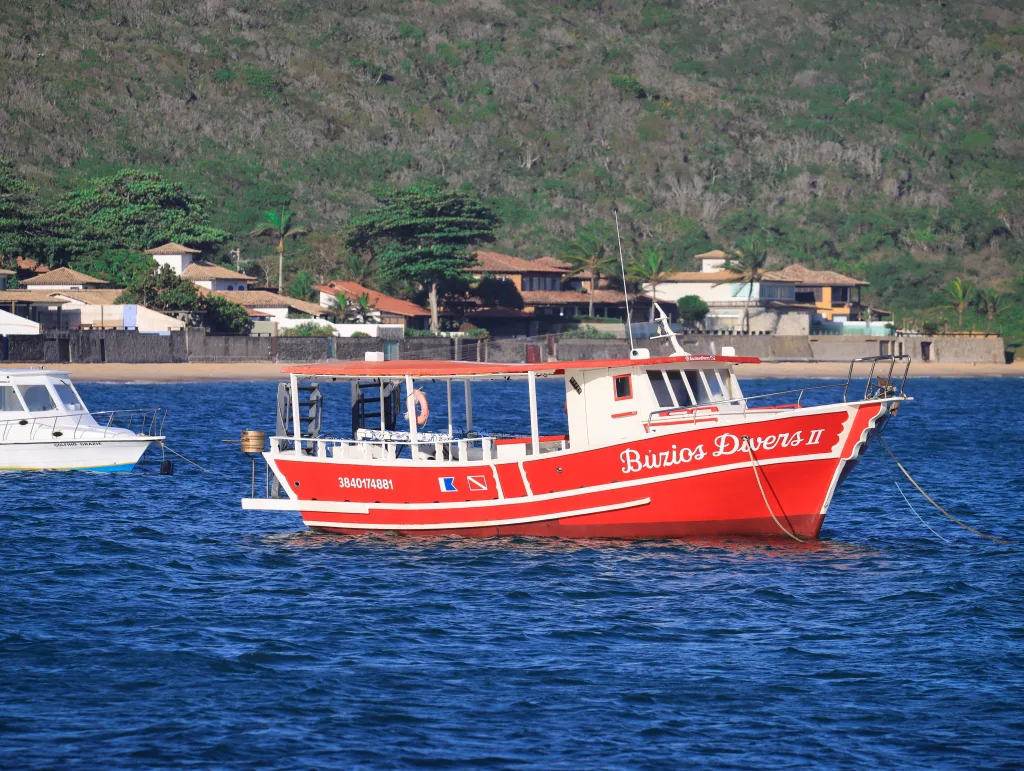
An hour-and-a-half drive from Rio, Búzios has been a magnet for international travelers since the 1960s. Rua das Pedras—the cobblestone spine of the town—fills at night with seafood restaurants, bars, and boutique shops. The town’s compact size makes it easy to meet people: gay-friendly venues are visible and welcoming, and several beaches are popular with queer beachgoers. Búzios offers the convenience of a small town with high-quality hospitality—ideal for travelers who want warmth and beauty without the pace of a metropolis.
Florianópolis — island life and beach freedom
Known as Floripa, Florianópolis is an island off Brazil’s southern coast with a surprisingly diverse LGBTQIA+ scene. Lagoa da Conceição is the island’s social heart: surf shops, cafés, and bars cater to a youthful, open-minded crowd. Praia Mole is the island’s most famous beach for LGBTQ visitors—energetic, scenic, and frequented by locals and tourists alike. Nightlife peaks in summer months (December through February), when the island becomes a holiday hotspot.
Floripa also serves as a gateway to nearby towns like Balneário Camboriú, which has its own lively scene. Accommodations range from guesthouses in Lagoa to upscale hotels near the beaches; renting a car helps you explore remote coves and lesser-known gay-friendly spots along the coastline.
Salvador — Afro-Brazilian culture and spirited celebrations
Salvador is the beating heart of Afro-Brazilian culture. The historic center of Pelourinho dazzles with colonial architecture, lively music, and cultural centers. For LGBTQIA+ visitors, neighborhoods like Rio Vermelho and Barra are the best bases: they host bars, live music, and an open atmosphere. Carnival in Salvador is uniquely theatrical and inclusive—the street parties and bloco culture are places where performers and attendees intermingle freely.
Salvador’s culture is a major attraction: capoeira circles, percussion-driven music, and cuisine rooted in African traditions make every night an education in flavor and rhythm. Take sensible safety precautions in crowded areas, especially at night, and favor licensed taxis or app-based rides when traveling between neighborhoods.
Recife & Olinda — colorful streets and creative queer communities
Recife and nearby Olinda pair coastal beaches with rich colonial history. Olinda’s UNESCO-listed historic center is crammed with colorful houses, steep lanes, and panoramic views—artists and creatives populate the town year-round. Recife’s Boa Viagem neighborhood offers an urban beach scene and a range of bars and clubs welcoming to queer travelers. During Carnival, Olinda’s street parades and Recife’s own music culture create a particularly inclusive atmosphere.
Travelers who love small museums, artisan markets, and local gastronomy will find both Recife and Olinda rewarding. The area’s rhythms are a mix of beach-lazy afternoons and lively evenings in modest, intimate venues where conversations are easy and the local community is visible.
Fortaleza — northeastern beaches and nightlife energy
Fortaleza combines broad beaches with an active nightlife, and it’s increasingly recognized for its LGBTQIA+ hospitality. The beachfront promenade near Iracema hosts bars and venues where performances—drag shows and live music—draw both locals and travelers. Praia do Futuro and nearby neighborhoods offer beach clubs and casual bars that are open late into the night, creating a friendly environment for socializing.
Fortaleza is a good choice for travelers seeking sunny beaches paired with a welcoming nightlife. Accommodation clusters around Meireles and Beira Mar make it easy to walk between restaurants and bars, and daytime trips to local sandbanks and nearby fishing villages add variety to a beach-based itinerary.

Belo Horizonte — artful nightlife and neighborhood warmth
Minas Gerais’ capital is a surprise favorite for queer travelers who enjoy lively bars and culinary culture. Savassi is the city’s nightlife district: small music venues, craft cocktail bars, and local restaurants create a sophisticated but relaxed scene. Minas cuisine—rich, homey, and deeply regional—gives BH a flavor profile distinct from coastal cities. The city’s cultural calendar includes theater and music venues that often program queer-friendly events.
Belo Horizonte’s layout and friendly neighborhoods make it a great urban base for exploring both city life and nearby historic towns like Ouro Preto on day trips. Expect an unpretentious atmosphere and plenty of opportunities to meet locals over beer and traditional dishes.
Brasília — design, diplomacy, and discreet queer spaces
The capital can surprise visitors: its modernist architecture and wide avenues are matched by a quietly active LGBTQIA+ community. Weekend evenings bring life to residential restaurants and bars in neighborhoods like Asa Sul and Sudoeste, while cultural centers around the Esplanade host exhibitions and festivals appealing to diverse audiences. Brasília’s international flavor—thanks to embassies and visiting diplomats—gives the city a cosmopolitan touch that often translates into openness and discretion in social scenes.
Travelers appreciate Brasília for efficient logistics: airport connections are straightforward and the city’s scale makes it easy to hop between cultural attractions and nightlife without long commutes. For longer stays, local expat and LGBTQ groups provide good ways to connect and discover hidden queer-friendly spots.
Porto Alegre — southern soul and active community life
Porto Alegre, the main city of Rio Grande do Sul, has a vibrant cultural and LGBTQIA+ scene rooted in progressive civic life. Cidade Baixa is the go-to nightlife neighborhood: cafés, bars, and music venues cluster along pedestrian streets, encouraging relaxed evenings and conversation. The state’s strong cultural identity—its gaúcho traditions fused with modern urban life—creates an environment where alternative scenes flourish and queer communities are visible and organized.
Porto Alegre also hosts pride marches and cultural festivals that draw regional attention. Its temperate climate makes the city pleasant year-round, and a short drive brings you to coastal towns and wineries for day trips that expand the travel experience.
When to time your visit: events and seasons that matter
Timing shapes the experience. Two main travel rhythms matter most: Carnival season (February or March) and Pride month (June). Carnival transforms Rio and Salvador into nonstop street parties; these are the busiest and most celebratory times but can be overwhelming if you prefer quieter travel. June is the month for city-based Pride events—São Paulo’s parade is in June and draws huge crowds. Summer months (December through March) are high season for beach towns like Florianópolis, Búzios, and Fortaleza—expect higher prices and lively nightlife. If you prefer lower crowds, shoulder seasons (April–May and September–November) offer pleasant weather and more relaxed local life.
Practical safety and cultural etiquette
Brazil is progressive in legal terms, but social attitudes vary. Large cities and tourist areas are generally welcoming; more conservative reactions can appear in rural or isolated regions. Safety advice is practical: avoid poorly lit areas at night, use licensed taxis or reputable app-based rides, keep valuables discreet, and share your itinerary with someone you trust. When wider demonstrations or large parties occur, use official information channels and local guidance for transport and meeting points.
Respect local culture: Brazilians are warm and expressive, but modesty and personal space norms shift from place to place. In Salvador and other places with strong Afro-Brazilian traditions, treat cultural and religious sites with sensitivity. When in doubt, observe and mirror local behavior in public spaces.
How to meet people and find queer-friendly businesses
Start with neighborhoods known for LGBTQIA+ life—they concentrate bars, cafés, and services that openly market to queer customers. Community centers, local Facebook groups, and event listings in city tourism websites are invaluable. For night plans, look for venues that explicitly advertise drag shows, themed parties, or queer DJs. Tour operators that specialize in LGBTQIA+ travel offer curated experiences—from guided cultural walks to safe nightlife introductions—which are especially helpful for first-time visitors.
Language helps: learning a few Portuguese phrases demonstrates respect and opens doors. Use “gay” in conversation—it’s widely understood. If you want to ask if a place is LGBTQ-friendly, say: “Esse lugar é gay-friendly?” Locals appreciate the effort and will usually respond helpfully.
Packing and health tips for Brazil travel
Packing depends on the destination and season. For coastal towns bring light clothing, reef-safe sunscreen, a hat, and a light rain jacket for sudden showers. For cities, casual smart outfits work for many bars and restaurants. Keep a copy of important documents in a secure place and consider travel insurance that covers health and trip disruption. If you rely on regular medication, carry prescriptions and enough supply; pharmacies in major cities stock most medications, but availability can vary in remote areas.
Health-wise, Brazil has solid medical facilities in bigger cities. If you’re visiting during Carnival or major parties, keep a charger and power bank handy, stay hydrated, and be mindful of crowds—plan meeting points and emergency contacts before you go out.
Budgeting and transport basics
Costs vary widely. São Paulo and Rio have pricier hotels and restaurants but excellent infrastructure. Beach towns range from budget pousadas to upscale resorts. Public transportation systems in major cities are efficient; in beach towns, buses and local taxis are standard—renting a car can give you flexibility for exploring hidden beaches. Credit cards are widely accepted in urban areas, but cash is useful in smaller towns and markets. ATMs are common in cities; keep an eye on exchange rates and notify your bank before traveling to avoid card blocks.
Resources and organizations to bookmark
Before traveling, check local LGBTQIA+ organizations and city tourism boards for updated event calendars and safety guidance. Embassy websites provide travel advisories and emergency numbers. Social media and community event pages are good for last-minute listings—drag shows, themed nights, and cultural events often appear there first. When in doubt, ask in queer-friendly venues: bartenders, hosts, and local organizers frequently share the best insider tips.
Which city should you choose first?
Pick São Paulo for sheer variety and the largest community networks. Choose Rio if you want beaches, iconic scenery, and samba nights. For an intimate seaside escape, head to Búzios or Florianópolis. Salvador is your pick for vibrant cultural depth, while Recife and Olinda suit lovers of colonial charm and music. Belo Horizonte offers food and neighborhood warmth. Brasília is practical and cosmopolitan; Porto Alegre balances culture with southern hospitality. Each city brings a different slice of Brazil’s queerness—mix and match according to the experience you want.
Ready to plan? Start with one destination, check seasonal events, and book a neighborhood-friendly place to stay. Brazil rewards curiosity: explore local communities, attend a pride event or a bloco, and let the country’s many rhythms shape your travel story.