
8.5 million square kilometers—and every one of them behaves differently in October
That number stops most people. Brazil really is that big, and October is the month you notice it: spring arrives in the south, the ipê trees explode into color in the southeast, the Pantanal is flushing out wildlife after the dry months, and the Northeast beaches are as reliably warm as ever. When you plan a trip in October, you’re not planning “Brazil”—you’re juggling several Brazils at once.
Why October feels like a doorway rather than a season
Spring in Brazil isn’t a gentle nudge. It’s a collision of leftovers from winter and the first pushes of summer: warmer days, sudden thunderstorms in the afternoons in many places, and a floral show that makes cities photogenic. For a foreign traveler that means three useful truths: fewer winter crowds in the south, fewer summer crowds on the coast, and weather that rewards flexibility more than rigid itineraries.
I travel here year-round for work—leading small groups and writing travel guides—and October is the month I tell clients to bring layers and curiosity. I’d rather you get surprised by a purple jacarandá bloom than by a downpour because you packed only beachwear.
Big-picture timing: holidays and crowds you should know
October contains one national holiday that actually affects travel: October 12, Nossa Senhora Aparecida, Brazil’s patron saint day. It’s also celebrated as Children’s Day, so many families travel for that long weekend. Expect bus and domestic flight demand to spike around that date, especially for routes that link regional pilgrimage sites, coastal escapes and family destinations.
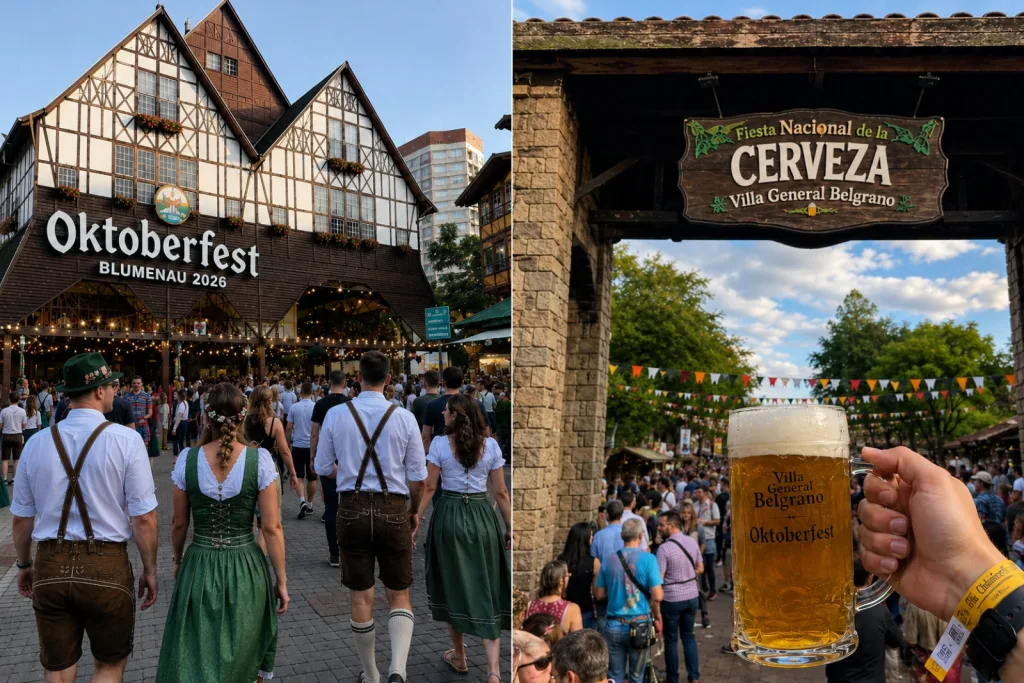
Then there’s the local calendar: Blumenau in Santa Catarina runs its large Oktoberfest in October, a lively, Germanic festival that fills rooms fast. Smaller towns often have spring fêtes, church festivals and agricultural fairs on weekends—great chances to experience regional food and music but also potential crowding if you chase them without booking early.
Weather by region—what you’ll actually feel
Because Brazil spans a huge latitudinal range, you can’t treat the weather as uniform. Here’s the practical, travel-oriented version.
Southeast (Rio de Janeiro, São Paulo, Minas Gerais)
Spring is photogenic here. In São Paulo and Rio you’ll see purple jacarandás and the yellow ipês in October—towns suddenly look curated. Days warm; afternoons sometimes end in a short heavy shower. I plan outdoor museum visits and hikes for mornings and late afternoons, and keep a lightweight waterproof layer in my daypack for the odd downpour. Streets and bars come alive at night as the air fills with a fragrant mix of street food and floral perfume.

South (Florianópolis, Blumenau, Porto Alegre)
Spring arrives later. Sunny mornings are common, but nights can still be cool, especially inland in Rio Grande do Sul. Blumenau’s Oktoberfest is the highlight—expect beer halls, traditional music and heavy local hospitality. Coastal towns like Florianópolis begin to thaw toward comfortable beach temperatures but the water often still feels brisk unless you plan to surf.
Northeast (Salvador, Recife, Fortaleza, Jericoacoara)
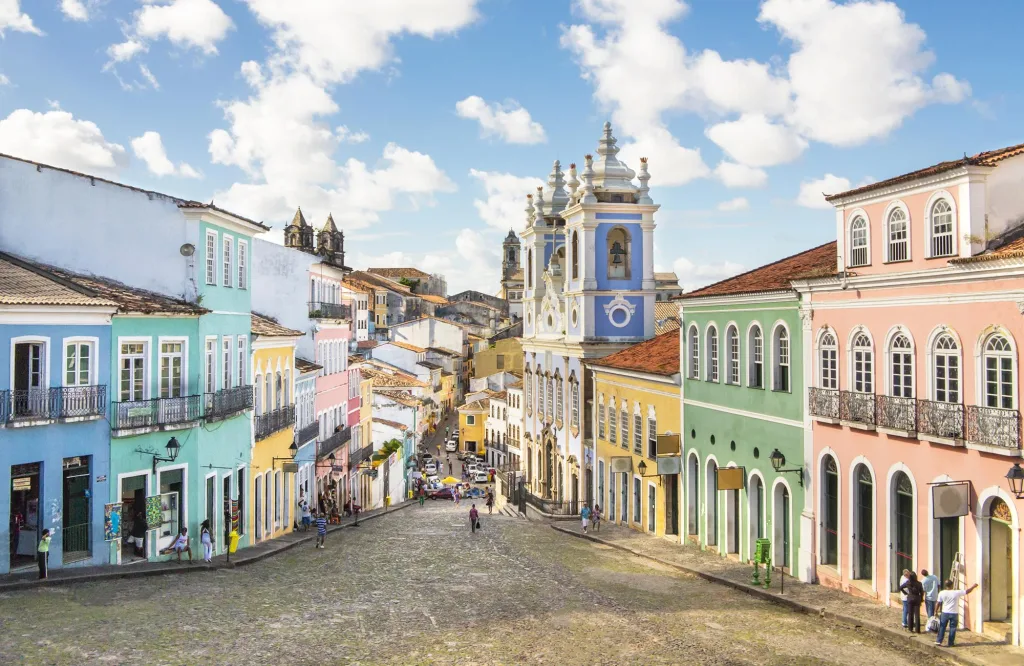
Hot and reliably beach-friendly. October avoids the peak December–February crowds and remains an excellent month for sun, shallow seas and warm nights. Humidity can be high. For cultural travelers, Salvador’s Afro-Brazilian music and food scene is in full swing; for kite surfers, Jericoacoara’s winds are typically favorable.
Central-West (Pantanal, Brasília)
Pantanal is excellent for wildlife viewing in October. It’s near the end of the dry season when animals concentrate around remaining waterholes—this is when birding and jaguar excursions are productive. Brasília is pleasant, green and often hosts outdoor cultural events during spring.
North (Amazon, Manaus, Belém)
The Amazon basin transitions toward wetter months, but much of October is still manageable for river cruises and jungle lodges. Expect sporadic rain. Bring insect repellent and a flexible mindset—rivers, trails and certain tours can shift with water levels.
What to pack (practical, not aspirational)
Pack for variety. I always travel with the following in October:
- Lightweight waterproof jacket—foldable, breathable.
- Layered clothing: a mix of short-sleeves, a long-sleeve shirt and one warmer mid-layer for southern nights.
- Sunscreen and a sun hat—UV is strong even when temperatures feel mild.
- Insect repellent with DEET or picaridin, especially for Pantanal and the Amazon.
- Closed walking shoes for city cobbles and jungle paths, sandals for beaches.
- A quick-dry towel and small daypack.
Vaccinations and health precautions
If you’re heading to the Amazon or parts of the Pantanal, confirm your yellow fever vaccination status well before travel—many jungle lodges require proof. Malaria risk exists in certain northern and forested areas; ask a travel clinic for the current advice. For city stays and coastal travel, standard travel vaccines and good hand hygiene do the job.
Natural highlights you can time for October
October is a photographer’s month: ipês (yellow and pink), purple jacarandás and other blossoming trees shape cityscapes. For wildlife, the Pantanal and transitional schedules give you an edge: animals gather at shrinking waterholes, visibility is better, and lodges run specialized safaris.
The Atlantic Forest corridors near São Paulo and southern Minas yield excellent birding in October; migratory birds are on the move and many resident species are easier to spot. If you want orchids, October is near peak for several species in forested reserves.
Events you might actually plan around
Oktoberfest in Blumenau (Santa Catarina) is the most obvious event that pulls people into October. It’s large, family-friendly and very German-Brazilian: brass bands, steins, and regional foods like pork knuckles and homemade sausages. Book early if you want to stay in the town itself.
On October 12, pilgrimages to the Basilica of Our Lady of Aparecida in São Paulo state swell with faithful visitors. If you prefer quieter sightseeing, avoid that long weekend on pilgrim-heavy routes and opt for mid-week museum days instead.
Sample itineraries for different travelers
Below are realistic 8–12 day sample trips that fit October’s rhythms. I use distances and travel modes I actually advise clients to take.
City, coast and a floral show (Rio + Paraty + São Paulo)
Day 1–3: Rio de Janeiro. Morning hikes (Corcovado or Tijuca lookout), late-afternoon walks along Ipanema or Copacabana, and a samba club night. Morning light is better for photography; aim for early morning visits to Christ the Redeemer and Sugarloaf to avoid clouds and crowds.
Day 4–6: Drive or private transfer to Paraty (4–5 hours south by car). Colonial cobblestones, waterfalls nearby for short hikes, and boat trips to calm bays.
Day 7–9: Fly to São Paulo. Botanical Garden and Avenida Paulista in the late afternoon; explore neighborhoods like Vila Madalena for street art and bars. Watch for pink and purple blooms in public parks.
Wildlife and wetlands (Pantanal + Bonito)
Day 1–2: Fly to Cuiabá or Campo Grande; transfer to a Pantanal lodge. Morning and late-afternoon wildlife drives, boat excursions for caiman and birdlife.
Day 3–6: Continue guided safaris; use a local naturalist guide to increase sightings of capybaras, caimans and—if you’re extremely lucky—jaguars.
Day 7–9: Transfer to Bonito for clear-water rivers, snorkeling to see fish and karst pools. October’s lower rain makes water clarity excellent.
Beaches and culture (Recife + Salvador + Chapada Diamantina)
Day 1–3: Recife and Olinda for colonial architecture and vibrant street art. Try local dishes like carne-de-sol and tapioca pancakes.
Day 4–6: Salvador for Afro-Brazilian music, historic Pelourinho, and coastal food stalls. October evenings are lively without the holiday crush.
Day 7–10: Fly inland to Lençóis and explore Chapada Diamantina—waterfalls, swim-friendly canyons and straightforward hikes. Temperatures are comfortable for day hikes.
Money, booking and cost strategies
October is outside the December–January high season, so you’ll find reasonable availability at midrange hotels. Yet expect spikes around October 12 and Blumenau’s Oktoberfest. I advise booking internal flights and popular lodges at least four to six weeks ahead for those weekends; otherwise three weeks often suffices for standard hotels.
Use a mix of cash and cards. In big cities cards are widely accepted; in smaller towns or markets you’ll want cash. ATMs are easy to find in cities but may charge fees; plan withdrawals accordingly. For exchange, bring a small amount of cash and use cards or official exchange houses for larger sums.
Getting around: flights, buses, and road quirks
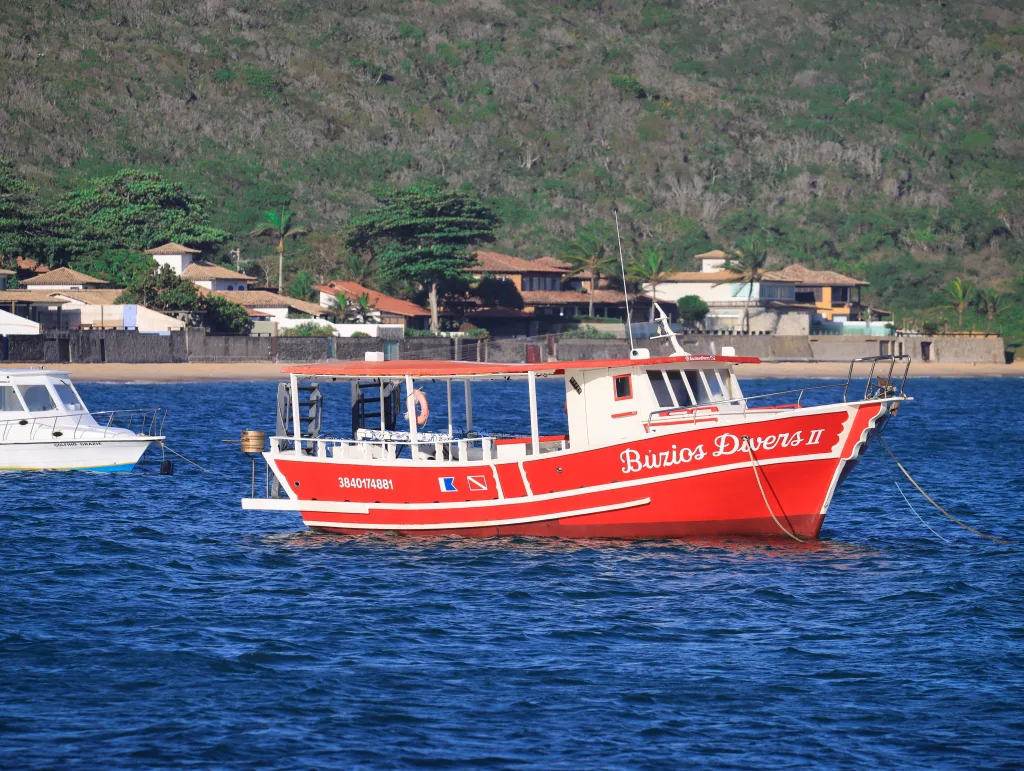
Domestic flights make long-distance travel efficient—São Paulo–Manaus, Rio–Salvador and other key hops are short but effective. Buses remain a scenic, economical option between neighboring states. For regional hops along the coast (Rio to Búzios, Salvador to Praia do Forte), minivans and private transfers are common and often quicker than complicated bus changes.
If you rent a car in the South or Southeast, be ready for toll roads (pedágio) and toll booths. In the Northeast you’ll find excellent paved coastal roads and slower inland stretches. I avoid night driving in unfamiliar rural areas; stick to daytime travel when possible.
Safety—real advice without the fearmongering
Brazil is safe in many ways and challenging in some. Petty theft is the most common issue in tourist areas: keep cameras and phones secure, don’t display high-value jewelry, and use hotel safes. At beaches, take minimal valuables and only what you need. Use licensed taxis or ride-share apps; they are generally reliable in cities. For excursions in remote areas, choose lodge operators and guides recommended by other travelers or local tourism boards.
Food and drink: what I eat in October
October dining is all about seasonal markets and outdoor meals. In Rio and São Paulo I hunt for street markets serving pastries, roasted corn from cart vendors, and açai bowls in the mornings. In the Northeast, seafood moquecas and acarajé are staples I never skip. In the South, craft beer brewed in Blumenau and churrasco feel appropriate after a day of exploring.
If you’re curious about wine, the southern highlands produce interesting boutique bottles—try them with local cheeses and charcuterie in small wineries that are only a short drive from cities like Gramado or Bento Gonçalves.
Language, etiquette, and small cultural moves that matter
Portuguese is the lingua franca. Learn basic greetings and product names—people appreciate the effort and it opens doors. Etiquette is relaxed but warm: a handshake or light kiss on the cheek is common in social settings. When entering shops or restaurants, a quick “bom dia” or “boa tarde” sets you up for friendlier service.
At churches or religious sites, dress conservatively and stay respectful—especially on October 12 when processions and services are full of emotion and devotion.
Photography do’s and don’ts
October offers iconic photo ops: flowering trees in urban parks, wildlife in the Pantanal, and golden-light beaches at sunset. Respect private property and people’s privacy; ask before photographing rituals or individuals in small towns. Drones are increasingly regulated—check local rules before you fly.
When to book and how to snag deals
Book domestic flights and lodges for holiday weekends (again, Oct 12 and any local festival dates) as soon as your plans lock. For everything else, I’ve seen good mid-range hotel deals pop up two to four weeks before travel. If you’re flexible, set fare alerts and be ready to move when a good price appears.
For special experiences—jaguar safaris, guided river trips, or limited-capacity cultural dinners—book at least a month ahead. These sell out faster than rooms because they depend on a few expert guides and village hosts.
Real travel tips I learned the hard way
1) Always carry a photocopy or photo of your passport and the page with your entry stamp—some agents and lodges request it.
2) If you plan on visiting islands or marine reserves, double-check boat schedules the day before—weather and tides change plans fast.
3) When taking long-distance buses in the South, choose overnight services with reclinable seats for comfort and safety.
4) Don’t assume October means no rain—carry a compact umbrella or light rain shell.

How I decide where to go in October
I ask two questions: do I want nature or culture to dominate this trip? And how much risk of unpredictable weather am I willing to accept? If I want wildlife and clear skies, I head to Pantanal and Bonito. If I want cultural immersion and warm nights, I choose Salvador or Recife. If I want a mix of city life and easy beaches, I split time between Rio and Paraty.
A final, concrete thing to do before you leave
Check the dates around October 12 and any local festival weeks for the areas on your route. If a key festival or holiday overlaps with your plans, either book early—flights and lodging—or shift dates by a few days to avoid the crowds. That little calendar check saves hours of back-and-forth later and sometimes hundreds on last-minute bookings.
Book your main internal flights early when they’re necessary, keep a flexible smaller booking for side trips, pack for layers and for the occasional insect, and if you see an ipê tree in full bloom—stop and take the photo. That moment usually turns out to be the memory people bring home.