
214 — and why that number matters for your October trip
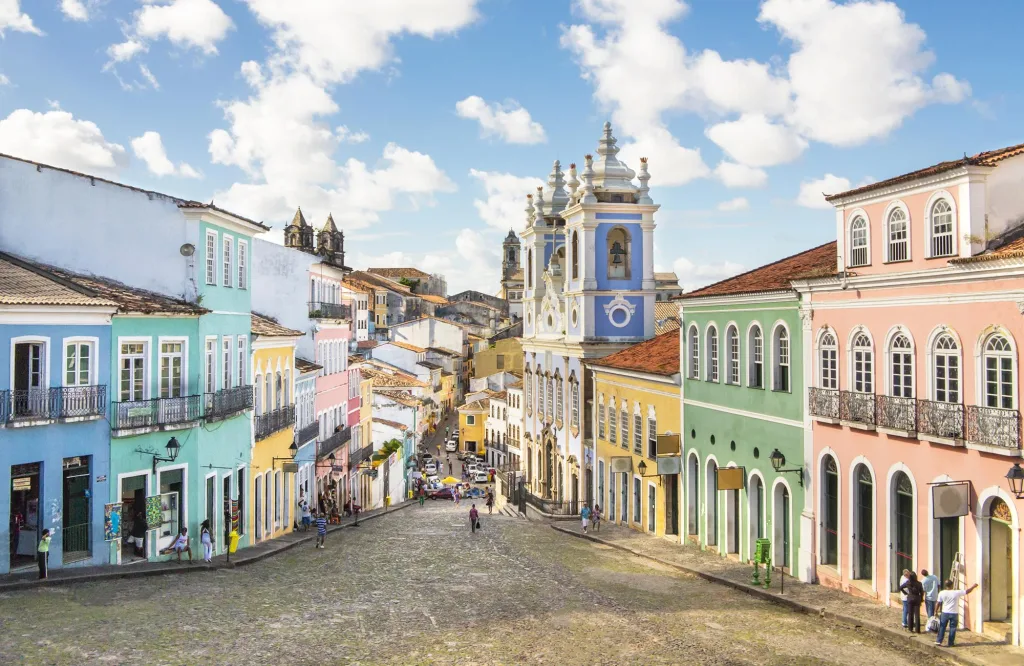
214. That’s how many years Salvador served as Brazil’s capital, from 1549 until 1763. Walk a few blocks in Pelourinho and you still feel the city organized around that old, colonial heartbeat: churches that outshine the sun, tiled balconies, narrow alleys where history sits on benches and watches. October is the month when that old heartbeat becomes easier to hear — not drowned by tour buses or marathon festival schedules. You get the architecture, the music, the food, and the people with a little elbow room.
Why October feels different on the street
October in Salvador offers a small, practical miracle: the city has warmth without being smothering, ocean water that’s inviting rather than tepid, and a public life that swings between lazy beach afternoons and lively nighttime samba without the push of high season. For foreigners who want to learn Brazil beyond postcards, that balance is everything. You can take your time examining the azulejos of São Francisco Church; you can sit at a tiny bar in Barra and actually hear the person next to you explain capoeira moves; you can ask the vendor at Mercado Modelo where she gets her beads and get a story instead of a sales pitch.
Weather: less rain, more golden light
Salvador’s climate is tropical but gentle on the coast. October sits inside the drier half of the year — afternoons are sunny, humidity eases a bit, and the skies tend to hold a delicious, clean light that makes the yellow and blue of the colonial facades pop. Mornings are perfect for walking the historic center before the heat builds; late afternoons are ideal for watching the sunset at Farol da Barra. That combination makes photography worth the suitcase space alone.
Tourist flow: quiet enough to explore, busy enough to feel alive
October is not empty. You’ll see tourists, but not clusters. Local life moves on: fishermen mend nets, performers rehearse, restaurants switch from festival logistics to serving their regular menus. For travelers who want context — who want to experience Bahian life rather than be a witness to a curated tourist bubble — October is brilliantly placed.
What October gives you that high season doesn’t
Ask any guide who works the city year-round and they’ll tell you roughly the same thing: October gives you an honest Salvador. Here’s how that plays out in real conveniences and moments you’ll remember.
- Better hotel value and availability. You still have choice: beachfront pousadas in Barra, boutique stays inside Pelourinho, and modern hotels near the airport. That means you can book a room with a sea view without paying Carnival premiums.
- Shorter lines for museums and churches. You’ll see São Francisco’s gilt interior without elbowing for a photo; the Lacerda Elevator queues move quickly.
- Boat trips and island days are less crowded. Tours to Itaparica, Ilha dos Frades, and other islands in Baía de Todos os Santos run on more relaxed timetables.
- Local events, rehearsals, and small concerts are easier to access. You might walk into a rehearsal of an Afro-Brazilian bloco or a neighborhood roda de capoeira and be greeted like an interested guest rather than a tourist on a checklist.
None of that requires hustle. You can show up, take it slowly, and get better value for your time and money.
How October looks for food and drink
Bahian cuisine is one reason I keep returning to Salvador, and October lets you eat like a local. Street vendors sell piping-hot acarajé with precise rhythm: the friturinha (that deep-fried bean ball) handed over with dendê oil and vatapá so the flavors hit exactly on the first bite. In October, outdoor food stalls spread out in small plazas rather than clustered under festival tents; you get a chance to chat with the people cooking and learn what makes each recipe family-specific.
Try moqueca (fish stew in coconut and dendê), bobó de camarão (shrimp in a manioc cream), and caruru (okra stewed with shrimp), spaced out across different neighborhoods so you taste how the same ingredient transforms depending on the cook’s history. For me, tasting acarajé from a woman who’s been frying the same recipe for decades, then walking across Praça da Sé to watch a spontaneous capoeira roda, is the perfect Salvador afternoon.
Two practical itineraries for October
People ask for “short” and “slow” itineraries. Here are two that reflect October’s rhythm: one packed into three full days and another that stretches across a relaxed five days.
Three-day sprint (for first-timers)
Day 1: Morning in Pelourinho — São Francisco Church, Largo do Pelourinho, Casa do Carnaval. Lunch at Mercado Modelo — try grilled fish and a caipirinha. Afternoon: Elevador Lacerda down to Cidade Baixa, walk the waterfront. Sunset at Farol da Barra, then dinner in Barra.
Day 2: Beach day — Porto da Barra for a slow morning swim. Head east to Itapuã for a late lunch (stricter coconut-based dishes live here). Evening: live music in Rio Vermelho; ask your host for a local bar where musicians meet.
Day 3: Boat trip to Ilha dos Frades or Itaparica for snorkeling and a seafood lunch. Return in the late afternoon for a final stroll through Pelourinho’s side streets and a rooftop drink.
Five-day slow drift (for people who want to settle in)
Day 1–2: Ease into Pelourinho. Spend time with the museums, but also sit in different cafés, visit small shops selling candomblé beads and prints, and take a battering-ram approach to trying street food.
Day 3: Make a full beach day of it — leave early, pack a cooler with water and snacks, and watch the light change along the spine of Salvador’s coastline. If you like more solitude, head east to Flamengo or Stella Maris; if you love people-watching, Porto da Barra is unbeatable.
Day 4: Take a boat to the islands, stay for the afternoon, and practice speaking Portuguese with island vendors. Day 5: Visit the Afro-Brazilian museums and cultural centers; schedule a private session or guided tour that focuses on Bahian history and music.
October gives you the breathing room for anyone who wants to do more than check boxes.

Where to stay in October — neighborhoods that shine
Your choice should match the kind of Salvador you want to encounter.
- Pelourinho — For history and culture. Expect cobbled streets, colonial architecture, trios elétricos rehearsal echoing in the alleys, and small boutique guesthouses. Late afternoons are quiet and magical.
- Barra — For beaches and sunsets. Barra has a long stretch of sand, the lighthouse, and a beachside walk that fills with joggers and families late in the day. Great for people who want sun and convenience.
- Rio Vermelho — For nightlife and food. This neighborhood is where you go for late-night seafood, local bars, and a younger, artistic crowd. October evenings are lively without spilling into chaos.
- Stella Maris / Itapuã — For a quieter beach experience. These neighborhoods sit further out but reward you with calmer water and local bars where fishermen still tow in the day’s catch.
Getting around — what actually works
Uber is widely used in Salvador and often cheaper than taxis, though at certain times of day the app spikes. Registered taxis are reliable — look for official markings and a meter. Public buses are inexpensive but can be confusing if you don’t read Portuguese fluently. For short hops in Barra and Pelourinho, walking is often fastest and most rewarding; for island runs, book boats through reputable tour operators or your hotel.
Money, language, and small practicalities
Cash is still king at food stalls and small markets. Carry small bills for street vendors and tips. Most restaurants and hotels accept cards, but it helps to confirm before ordering at smaller places.
Portuguese will get you much farther than English. You don’t need fluency — greetings, thank yous, a few bargaining and ordering phrases will open doors. People appreciate the attempt and respond warmly; in October, when locals aren’t being pulled in a thousand directions by festivals, they have more time to talk.
Safety, health, and what to watch for
Salvador is lively and open, but it’s a city of contrasts. Pickpocketing and petty theft happen in tourist areas, so keep valuables secured and be mindful on crowded beaches. Stick to well-lit streets at night, especially if you’re alone. If you plan to drink, don’t leave your glass unattended, and double-check your taxi before getting in.
Health-wise, sunscreen and hydration are essentials. Mosquitoes are a reality near mangroves and in the evenings — use repellent at dusk and cover up if you plan to linger near those areas. Basic travel insurance that covers injury and theft is a practical safeguard.
What October lacks (and why that’s fine)
October is not Carnival. If you want packed parades, dancers in sequins, and blocks of non-stop street parties, visit later in the summer months around February or March. October lacks that high-octane version of Salvador. Instead, it offers rehearsal rooms where those Carnival groups practice, small open-air concerts, and a slower, richer exposure to Bahian life.
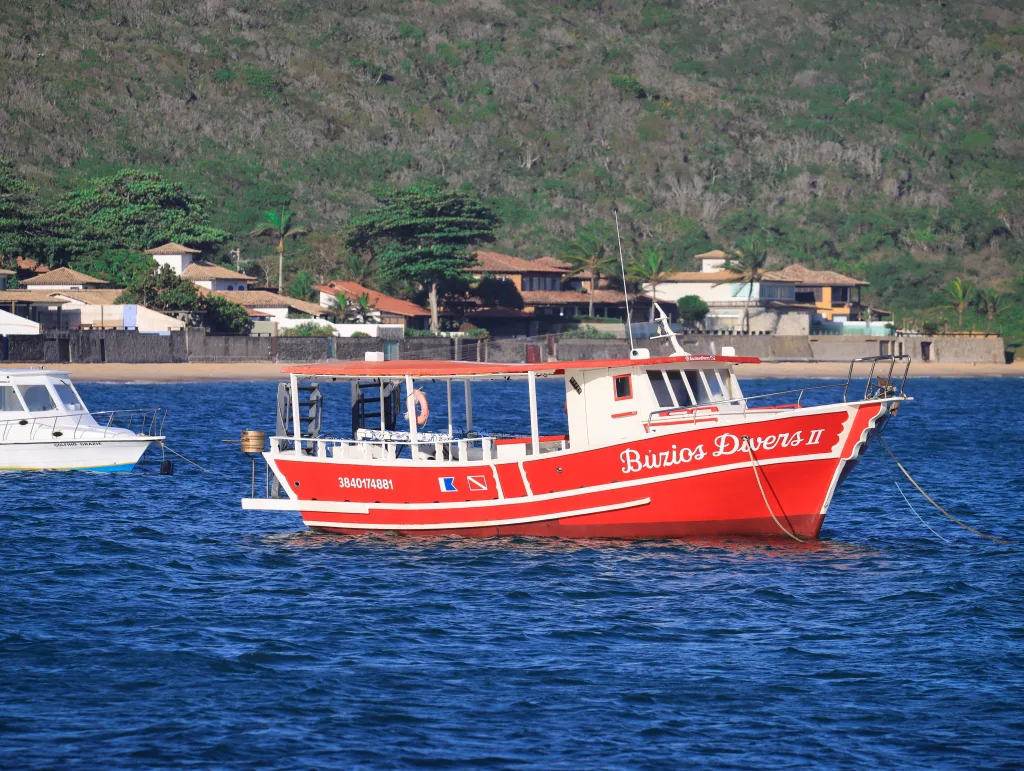
If you want diving and crystal-clear ocean visibility, other parts of Brazil will deliver more dramatic underwater scenes. Salvador’s waters are warm and enjoyable for swimming and snorkeling in places, but the city’s real draw is culture and coastline combined — not deep scuba adventures.
Practical packing list for October
Think light, breathable fabrics, and a few small luxuries:
- Lightweight walking shoes and sandals
- Breathable cotton shirts and a sun hat
- High-SPF sunscreen and reef-safe options for snorkeling
- Mosquito repellent for dusk
- A small, secure daypack for cameras, water, and purchases
- A light rain jacket — October is drier but tropical weather can surprise you
- Reusable water bottle and small first-aid kit
Local experiences you can actually book in October
October’s lull makes booking personalized cultural experiences easier. Try one of these and ask for local recommendations rather than packaged guides.
- Private culinary session: a local cook shows you how to make acarajé and moqueca. You learn to use dendê oil and taste-test the differences in fillings.
- Afro-Brazilian music workshop: learn to clap the rhythms, try a berimbau, and understand how history shaped the sound.
- Capoeira class or demonstration: October’s quieter streets make joining a morning roda more comfortable.
- Island fishing trip with a family crew: catch, prepare, and eat the fish with people who have done this for generations.
These experiences are not only memorable; they also support small local businesses and individuals who rely on tourism spread throughout the year, not just during Carnival.

Insider tips that make an October trip smoother
Ask for a room with windows that open. Air conditioning is common, but nothing replaces an open window on a calm evening in Pelourinho. Carry small notes of appreciation — a few local reais for a helpful guide, cash for a vendor who repeats a recipe story for you. If you want to photograph São Francisco Church, go right at opening to catch the light on the gold inside without crowds.
Use the quieter season to build relationships. Ask shopkeepers where they buy beads, which street market has the best fish on a Wednesday, or where a friend plays in a samba group. A few polite questions will return invitations and stories that rarely come during busier months.
A concrete plan: book these things now
If you plan an October trip, do these three specific things before you leave:
- Reserve a Pelourinho walking tour that focuses on Afro-Brazilian heritage (spaces fill even in low season for the best guides).
- Book a beachside pousada in Barra or a small guesthouse in Pelourinho — October’s best rooms get taken by returning travelers who know the month’s advantages.
- Arrange at least one island boat trip through a local operator recommended by your host. That keeps your experience atmospheric and reliable.
Final practical nudge
October is a month for listening. Not quiet in the sense of silence, but the right kind of quiet: conversations you can join, stories you can unpack, and sunrises that don’t feel rushed. If you want Bahia’s culture and coastline without the bustle, pick October and give yourself time to sit for an hour in Pelourinho with a coffee and let the city come to you.
Book the doorway into that slower rhythm now: pick your neighborhood, reserve that guesthouse, and plan an island day. Then arrive curious, wear good shoes, and let Salvador show you why 214 years of history can still feel like a neighborhood you can move through, not a museum you must hurry past.