
Skip the beer tents on your first visit — and you’ll thank me later
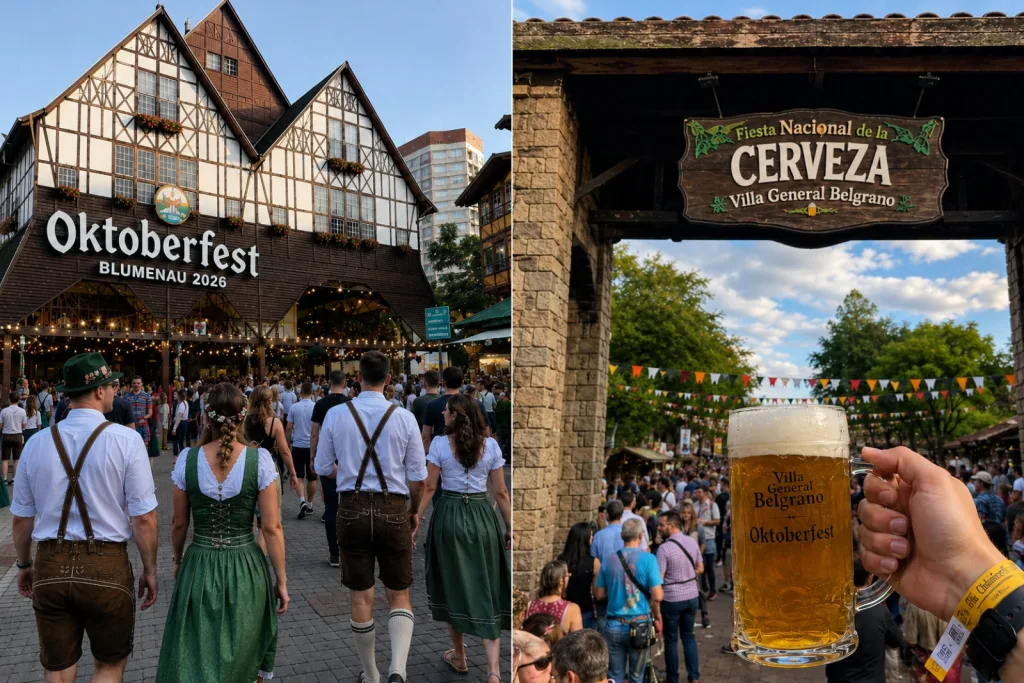
That sounds heretical. Everyone thinks Oktoberfest means a stein in hand, right? But if you walk straight into the largest beer tents at Parque Vila Germânica as soon as the gates open, you’ll see a wall of people, blaring speakers, and hot chopp being handed across elbows. The festival is loud and rowdy; it’s also layered. The parade, the small community tents, the food stalls selling cuca and smoked sausages, the artisan market, the costume contests — those smaller things reveal more about Blumenau’s German-Brazilian identity than a single raised glass ever will.
So try the opposite first: stroll the fairgrounds, watch a rehearsal band, track down a quieter Schwabenstube-style tent, and pay attention to how people move between family time and full-on party mode. Once you’ve earned your spot in a packed tent — and you will — the beer tastes better, the music lands, and you’ll notice the choreography of a festival that’s been fine-tuned over decades.

Why Blumenau? A short note on place and personality
Blumenau sits in Santa Catarina, a state with some of Brazil’s clearest German cultural threads. The city itself wears that heritage openly: gingerbread trims on old houses, brass bands, and bakeries turning out sweet breads that owe more to Central Europe than to the Amazon. Oktoberfest in Blumenau grew out of community celebrations and municipal pride, not commercial tourism alone. That means authentic moments are everywhere if you look: a grandmother teaching a child to waltz at 10 a.m., a local brewery pouring a seasonal dunkel, or a youth group practicing a polka in a side hall.
Where and when to expect the main action
The heart of the festival is Parque Vila Germânica, a group of joined pavilions near downtown that fills with music stages, food stalls, and local craft vendors. The dates for 2026 will be published by the festival organization and local tourism offices, but tradition places Oktoberfest across several days in mid-October. Local hotels and travel operators will update calendars as soon as the official schedule is released — the practical move is to block time in your calendar now and lock flight-hotel flexibility later.
Getting to Blumenau without a headache
Most international visitors fly into Florianópolis (Hercílio Luz Airport) or Navegantes (Ministro Victor Konder). Navegantes sits closest to Blumenau and usually makes for the shortest transfer; Florianópolis gives you the option to spend a day or two on the coast before heading inland. I prefer flying into Navegantes if my priority is the festival, and into Florianópolis when adding beaches to the trip.
Local transport: taxis, Ubers, and buses
Ride-hailing apps operate in the region, as do taxis from both airports. During Oktoberfest the city adds shuttle services and special buses to move crowds between bus terminals, hotels, and Parque Vila Germânica. If you plan to come and go at peak times, allow extra travel time; streets around the park are packed and you’ll be happier with a 15–30 minute buffer than a tight schedule.
Where to stay: neighborhoods that make a difference
Staying near the festival matters. I usually recommend hotels near the historic center or within a 10–20 minute walk of Parque Vila Germânica. You’ll want to be able to drop off a jacket, change shoes, or catch a quick nap between late-night sessions. Booking early is not optional; rooms fill fast and the best places get blocked for tour groups.
Budget and midrange strategies
- If you want to save, look a few tram stops away from the park — you’ll trade a 10–15 minute commute for lower nightly rates.
- Families and groups do well with apartment rentals: kitchen access means you can stretch your budget and handle picky eaters after a long festival day.
Ticketing, entry, and how the festival days flow
Oktoberfest Blumenau uses a mix of ticketing formats: single-day tickets, multi-day passes, and free-admission areas depending on the year. There are typically reserved tables inside larger tents and general admission spaces that are first-come, first-served. My tip: if you want a big-tent experience with a specific band or set time, book a table early. If you don’t care where you sit and want to hop between tents, buy day tickets and treat the event like a roaming festival.
Best times to drop in
Weekdays are calmer than weekends. Late afternoon through early evening has the best mix of local families and visitors — full of ceremony, food, and parades — while late evenings lean clubby. If you love a packed singalong, the late-night tents deliver. If you want conversation, the early hours do.
What to wear: tradition, comfort, and the little rules locals follow
Yes, people wear dirndls and lederhosen. No, you aren’t judged for buying something basic on arrival. Locals and visitors alike mix real Tracht pieces with affordable festival versions. Practical advice: choose comfortable shoes (you will stand and walk a lot), layer clothes for cool nights and warm afternoons, and bring a light waterproof layer — October in southern Brazil can turn wet unexpectedly.
Rentals, repairs, and quick fixes
If you want an authentic outfit but don’t want to buy one, several shops in Blumenau and nearby towns rent traditional clothing during the festival season. A quick tailor or cobbler near the park will help with last-minute fixes. I always keep a small emergency sewing kit in my day bag; three missing buttons will make any outfit look finished.
Food that changes your idea of German-Brazilian cuisine
Oktoberfest in Blumenau is a feast, and the food stalls are where regional tradition becomes deliciously surprising. Expect sausages and pretzels, yes, but also:
- Cuca — a German-style crumb-topped cake now deeply Brazilian in smell and texture. Try versions with guava or doce de leite.
- Roasted pork and smoked cuts — many food stalls highlight Blumenau’s long history of meat smoking and curing, adapted to local tastes.
- Pão com linguiça — a simple but perfect festival sandwich that pairs with a cold chopp like nothing else.
- Local cheeses and pão de queijo in modern stalls mixing German and Brazilian techniques.
Bring an appetite and sample broadly. You’ll find plates meant for sharing; food is as social as the music.
Beer and drinking culture: what the locals expect
Brazilian beer culture at Oktoberfest blends craft traditions with mass-market favorites. Many local microbreweries use the festival to launch seasonal brews — dunkels, bocks, and unfiltered lagers make strong appearances. Brazilians typically drink slowly in company (a social pace more than an all-night sprint), and servers will rotate between pouring and joining the crowd.
Alcohol tolerance and safety
Drink responsibly and hydrate with water between beers. If you plan to drink heavily, arrange transport in advance. Security is present at the festival, but crowds and narrow aisles make lost items or separated friends a frequent annoyance. Agree on a meeting spot before you head into the busiest tents.
The parade, the contests, and moments worth scheduling for
The parade is the week’s choreography: marching bands, colorfully costumed groups from nearby towns, and floats carrying cultural associations. If you want prime viewing, arrive early to claim a curb spot and bring a small chair or blanket. Parades give you a compact cultural lesson: how local groups preserve dances, which instruments they favor, and how Brazilian pageantry blends with German roots.
Unique festival contests
Oktoberfest includes things like stein-holding contests, traditional costume competitions, and regional dancing stages. Even if you don’t compete, watching these events is less noisy schooling and more communal theater — people cheer loudly, and winners often get local honors and prizes that include beer (sometimes) and serious bragging rights.
How to handle language, bargaining, and friendly faux pas
Portuguese is the everyday language. You’ll find pockets of German speakers and older community members who keep dialects alive, but most staff and vendors speak Portuguese only. Learn a few basic phrases in Portuguese — hello (olá), please (por favor), thank you (obrigado/obrigada) — and practice a friendly smile. Asking “Is English spoken?” in Portuguese will open more doors than launching into English and assuming someone will translate.
Acceptable bargaining and tipping
Food and drink stalls have set prices; bargaining rarely applies. For services like taxis or small guided tours, rounding up is normal. At sit-down restaurants, a service charge may be included; check the bill before leaving an extra tip. For quick bar service, hand the server coins or small bills — Brazilians often tip in cash for speedy transactions.
Safety, medical care, and festival practicalities
Blumenau is generally safe, but pickpockets work crowded events worldwide and the festival is no exception. Keep valuables zipped, use a money belt or concealed pouch, and avoid carrying your passport while walking the fairgrounds. The festival posts first-aid stations and police outposts — note them when you arrive, especially if you’re with a group.
Medical insurance and pharmacies
Bring travel insurance that covers health care abroad. Pharmacies in the city are well stocked and open extended hours during festival season, but prescription rules can be strict — bring copies of necessary prescriptions and original packaging where possible.
Family-friendly tips: yes, bring the kids
Plenty of festival areas are family-friendly. Parade mornings and early afternoons pull larger family crowds, and you’ll see children in tiny Tracht joining in the fun. If you’re bringing kids, scout quieter tents in advance, plan for stroller access (some busy streets get packed), and schedule regular breaks — a short museum visit or a walk along the Itajaí-Açu river will reset moods faster than another round of music.
Accessibility and mobility at the festival
Parque Vila Germânica has made strides to improve access: ramps, designated viewing areas, and services to help guests with reduced mobility. Still, festival crowds and historic streets can be uneven underfoot. If accessibility is a major concern, contact event organizers in advance; they often provide additional support when asked early.
Money matters and the cheapest ways to pay
Brazil uses the real (R$). Many stalls accept cards, but smaller vendors and market booths prefer cash. ATMs are common in the city and at major tourist points but expect lines during festival peak hours. My routine: withdraw a mix of cash for market stalls and keep a card for restaurants or emergencies. Notify your bank about travel dates to avoid card blocks, and bring a backup card stored separately from your primary wallet.
How to enjoy the festival without breaking the bank
Set daily spending limits. Share dishes instead of ordering individual plates. Join local pre-festival events — many smaller bars and community halls host free or low-cost concerts that preview acts you’ll see at the main event. Shop at craft stalls near closing time: vendors often reduce prices as the night winds down.
Day trips from Blumenau worth adding
If you want to leave the festival bubble, the region offers quick wins: short drives bring you to coastal beaches, ceramic-artist towns, and mountain roads with lookout points. Florianópolis is a long-day option with beaches and fresh seafood. For something quieter: visit nearby historic villages with German heritage that run their own small fairs and bakeries. These side trips show how the German influence spread across Santa Catarina, and how each town adapted traditions differently.
Sample 48-hour plan that won’t leave you exhausted
Day 1: Arrive mid-morning. Check into a centrally located hotel, drop your luggage, and walk to Parque Vila Germânica to get your bearings. Lunch at a food stall — try a pão com linguiça — then spend the afternoon watching a parade and exploring artisan stalls. Dinner at a quieter tent or a family-run restaurant downtown.
Day 2: Morning museum visit or river stroll, depending on your energy. Reserve a table for a late-afternoon session at a main tent if you want to see a headline band. Skip the very late-night end-of-day crush if you prefer smoother exits; instead, linger at a smaller venue where locals gather after the big show and listen to live brass bands without shouting.
Final practical checklist before you go
- Check official Oktoberfest Blumenau channels for 2026 dates and ticket updates.
- Book accommodation as soon as you have flexible dates; consider refundable rates.
- Pack comfortable shoes, a light waterproof layer, and any Tracht items you want to wear.
- Arrange airport transfers in advance for arrival or departure during peak festival hours.
- Copy your passport, bring travel insurance, and store emergency contacts in your phone and on paper.

A final, useful challenge: make room on your itinerary for the small rituals
Don’t try to conquer every tent. Spend one morning with the craftsmen, one evening with a neighborhood band, and one late-night session in a big tent where strangers become friends over a shared chorus. Those smaller rituals — a baker handing you a slice of cuca, a child learning a polka step, a brewer telling a story about their recipe — are the parts of Oktoberfest in Blumenau that lodge in memory. Book your travel, lock the essentials, and leave two afternoon pockets unscheduled. Use one to get lost calmly in the fairgrounds and the other to go wherever the music or the smell of fresh bread calls you. Then, when someone shouts for a toast, you’ll know exactly where to stand and who to raise your glass with: people who came for more than beer and left with a story.