
Skip the December crush — pick spring instead
Most visitors assume that brazil’s high season — Christmas, New Year, Carnival — is when the country shines. I disagree. spring, roughly september through November, is when Brazil opens up in the most interesting ways: fewer lines, friendlier prices, vivid nature transitions and weather that’s easier to handle if you want to do more than lie under an umbrella.
Why spring feels different here
Brazil is vast. Spring in São Paulo has a different rhythm than spring in the Pantanal or the Northeast coast. Still, three things connect the season across regions. First: it’s a shoulder period — not empty, but not slammed. Second: plant life wakes up — jacarandás, ipês, and wildflower flushes change cityscapes and backroads. Third: spring straddles the dry and wet cycles in many natural areas, which makes wildlife viewing and trekking more reliable.
Seasons quick note — the calendar you’ll use
Seasons flip from what many foreigners expect. Spring runs September, October and November in the Southern Hemisphere. I plan trips by month rather than vague “spring” notions: September is still cool in the far south, October brings the jacarandá bloom in São Paulo and Rio, and November starts nudging the thermometer up toward beach weather without the chaos of December.
Southeast: Rio de Janeiro and São Paulo — the floral cityscapes
Rio loosens up after winter humidity drops and before midsummer runs wild. The city is excellent for outdoor activities: morning hikes to Pedra da Gávea or through Tijuca National Park, sunset on Arpoador, late-afternoon drinks in Santa Teresa. Beaches are lively but not shoulder-to-shoulder. The jacarandá trees in September and October paint Avenida Atlântica and parks in blue-purple — they’re a local cue that spring has arrived.
São Paulo is often underrated for spring. The city blooms in unexpected pockets — small squares crowded with ipês in yellow or pink — and the outdoor café culture revives. Use the Paulistano mornings for museums like MASP and afternoons to escape to nearby wine country in Serra da Mantiqueira if you want fewer tourists and cooler hilltop air.
How to move between Rio and São Paulo without fuss
Flights are frequent between the two cities; expect short hops on Azul, LATAM or Gol. If you prefer surface travel, executivo buses (the long-distance coaches with reclining seats, onboard restrooms and snacks) make it comfortable and often arrive downtown. For city transfers, ride apps such as Uber and 99 are widely used and usually cheaper than taxis for longer routes.
South: Florianópolis and the coast — waves, lobos and relaxed nightlife
The southern coast flips from a chilly shoulder season into its sunny stretch during spring. Florianópolis wakes up — surf breaks become consistent, beach bars open, and the island’s lagoon-side pousadas fill slowly. If you surf, head to Guarda do Embaú or Joaquina on a late-September swell; if you don’t, the seafood is reason enough to go. The city balances nature and nightlife in a way that late-spring visitors appreciate: small-town pace by day, energetic bars by night.
Northeast: Salvador, Recife, and the island escapes
The Northeast warms up steadily and is often the most reliable bet for beach weather in spring. Salvador’s historic Pelourinho is more photogenic when humid heat is milder; the acarajé sellers keep pace with local life. Recife and Olinda are excellent on-foot cities — colonial streets, niche museus, and cafés that thrive in late-afternoon light.
Want remote islands? Fernando de Noronha keeps strict visitor limits year-round; spring sees fewer charter flights and more chance of calm seas. Note that Noronha enforces environmental fees and landing authorizations — book these well ahead if you insist on sea turtles, dolphins and some of Brazil’s clearest snorkeling.
Central Brazil and the Pantanal — why spring is wildlife season
I recommend the Pantanal in late winter into spring. As waters recede, animals concentrate around shrinking lagoons and river edges, which makes sightings more reliable. Spring safaris yield jaguar-watch possibilities, hundreds of bird species on their breeding migrations, and jaguar-independent highlights like giant otters, caimans and capybaras. Lodges tend to manage drives in the early morning and late afternoon, which fits a slower, more reflective rhythm.

Practical health and safety for wetland travel
Yellow fever vaccination is recommended for many inland regions; check your country’s travel clinic well before departure — vaccines often should be taken at least ten days before travel. For the Pantanal and Amazon-border trips, bring insect repellent with DEET and a good long-sleeve layer for dusk. Lodges provide guidance on river crossings and boat hygiene; listen carefully.
Chapada Diamantina and the hinterlands — hiking when trails clear
Chapada Diamantina opens up in spring for long dry-season hikes and waterfalls that are still generous after winter rains. Trails are sunlit and dust-free, and the park’s pools are warm enough for a bracing swim after a long climb. I like this region because you can string together multi-day treks between isolated villages, staying in local pousadas and eating fresh stews — the hospitality is direct and unpolished in the best way.

Equipment and local logistics
Bring a lightweight sleeping bag liner, sturdy trail shoes, and a water filter or purification tablets for extended routes. Bus connections to Lençóis (the town gateway) operate from Salvador and Feira de Santana; arrange shuttles through your pousada if you’re arriving late. Hiring a local guide for technical canyons or multi-day routes is both safer and the easiest way to support the local economy.
Lençóis Maranhenses and other dramatic landscapes
Lençóis Maranhenses is a spring-worthy destination if you time it right. The mosaic of blue lagoons and white sand is best when seasonal rains have filled the depressions; visiting between mid-winter and early spring gives you the most striking contrasts. Tours depart from Barreirinhas, and 4×4 transfers over the dunes are part of the experience — bring sun protection and a wind layer for late afternoons.
Amazon: the practical reasons to go in spring
The Amazon’s water level cycles matter. The lower-water months (roughly mid-year into early spring) open walking trails and campgrounds that are submerged in high season. A drier jungle also makes river travel easier; the same trip in the wet season means longer boat legs and fewer visible forest floors. I always tell clients: if your primary interest is wildlife on foot and forest ecology, aim for the drier months.
City festivals, markets and seasonal food
Spring brings produce to market. Street stalls fill with tropical fruits and late-season citrus; coastal towns serve fresh shellfish pulled that morning. In Salvador, eat an afternoon acarajé and a late-night moqueca; in the South, indulge in a churrasco followed by local sweets from the bakeries. Food is a reliable cultural barometer — tasting seasonally means tasting the place’s rhythm.
Local events to check as you plan
- University schedules can shift when graduations happen — that affects lodging demand in college towns.
- Religious festivals and municipal holidays create peaks and valleys; always glance at local calendars before booking.
- Concerts and music festivals sometimes fall in September and October; that can be a plus or a headache, depending on your tolerance for crowds.
Sample 10-day spring itineraries
For first-timers who want cities + coast
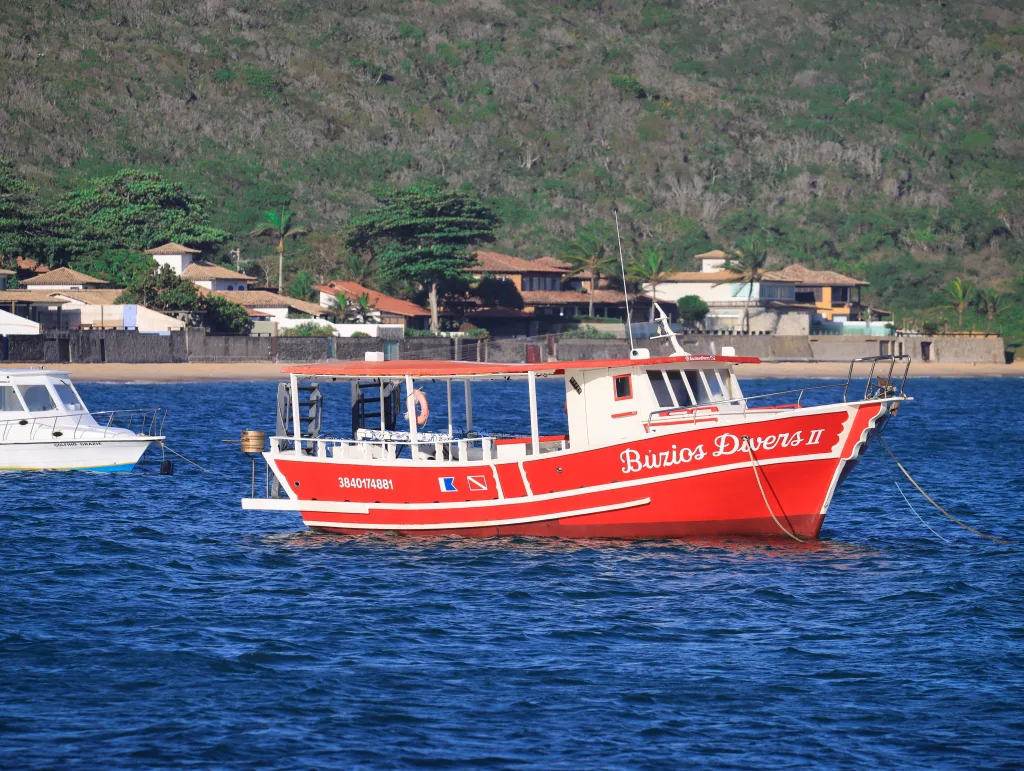
Days 1–3: São Paulo — museums, street food, and a day trip to the Serra da Cantareira. Days 4–7: Rio de Janeiro — Tijuca hikes, Copacabana bike rides, sunset at Dois Irmãos or Arpoador. Days 8–10: Ilha Grande or Búzios — slower beaches, local seafood, early mornings on quiet bays.
For nature lovers who want wildlife
Days 1–3: Fly to Cuiabá and transfer to a Pantanal lodge — early morning drives, night safaris. Days 4–7: Move to a different lodge on opposite riverbank to change biome views. Days 8–10: Finish with a short Amazon lodge stay or a Chapada Diamantina trekking loop.
For slow travelers who like islands
Days 1–3: Recife and Olinda — colonial streets and coastal food. Days 4–7: Fernando de Noronha — snorkeling, conservation walks, limited numbers mean restful days. Days 8–10: Return to Recife for regional cuisine and a slower departure.
Packing, money and language — the small practicalities I always tell clients
Pack layers. Spring mornings can be crisp in the South and cool in São Paulo, warm and humid in the North by noon. A light waterproof jacket is your friend. For shoes: trail shoes for nature treks, sandals for beaches, a single pair of closed-toe shoes for city cobblestones. Sunscreen and a broad-brim hat are essentials.
Cards are widely accepted in cities; carry some cash for small vendors, taxis in remote areas and tipping. ATMs are everywhere but can be scarce in remote lodges; bring extra cash when you travel inland. A local SIM card gets you maps and messaging — Claro, Vivo and TIM have good coverage in most urban areas; smaller carriers or eSIMs can fill gaps, but verify data plans before you depart.
Portuguese phrases you should know: olá (hello), obrigado/obrigada (thank you), por favor (please), quanto custa? (how much?), and onde fica…? (where is…?). Learning a few lines goes far; locals appreciate effort and it smooths transactions in markets and taxis.
Safety and etiquette — what I do and tell travelers
Don’t advertise valuables. Carry a copy of your passport and leave originals in a hotel safe when possible. Use licensed taxis or ride apps at night. When photographing people, especially in smaller communities or religious settings, ask first. Respecting local pace and dress codes is simple and shows cultural intelligence.
Booking strategy for spring travel
Spring offers flexibility. Reserve lodges for biodiverse hotspots like the Pantanal, Chapada or Fernando de Noronha early — supply there is limited. Urban hotels and flights become cheaper and more available after Carnival and before school holidays; that said, late-September concerts or local university events can create micro-peaks, so a quick calendar check helps. For domestic flights, weekday departures usually have steadier availability.
What I pack for a spring trip to Brazil
My carry-on: passport, vaccination card (if required), one day outfit, phone charger and a compact first-aid kit. My backpack for excursions: quick-dry shirts, long-sleeve sun shirt, bandana, lightweight rain shell, water purification tablets, headlamp, insect repellent and a small power bank. For city nights I bring one pair of nicer shoes and a light sweater. No one needs five heavy jackets; layers win.
When spring surprises you
Expect sudden thunderstorms in some regions and calm, glassy mornings in others. I once timed a Lençóis Maranhenses visit expecting winds and found a rare calm that made the lagoon reflections perfect for photos. Another spring I watched a flock of violet jacarandás bloom along a São Paulo avenue and felt the city breathe differently. Those small, unscripted moments are why I travel in spring: fewer rigid expectations, more discovery.
A concrete takeaway
If you want fewer crowds, better wildlife chances and a travel pace that lets you notice the country changing, plan for Brazilian spring. Choose a focus—city, coast, wetlands or highlands—book the niche parts early (lodge stays, island permits), and keep the middle of your schedule flexible so you can follow the weather or a sudden festival you hear about from a local. That flexibility is the simplest trick to turn a good trip into an unforgettable one.