
The mudbank that made me change plans
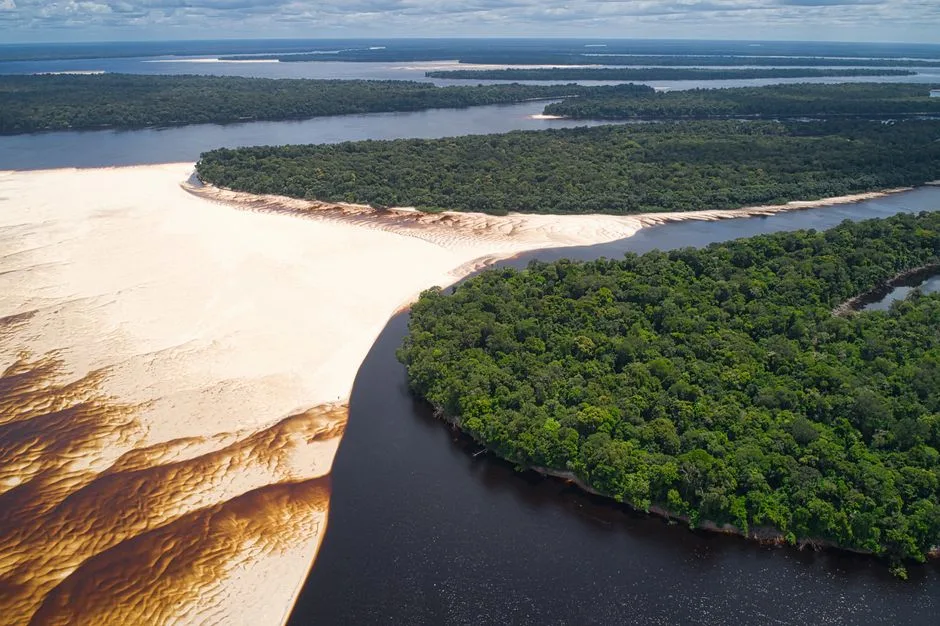
The skiff eased into a shallow bend and the captain cut the engine. Ten meters ahead a long, flat sandbank had appeared where yesterday there had been only water. A family of capybaras stood like bronze statues on the exposed river lip, every eye on us. I lifted my lens and kept shooting until a pair of black-and-gold macaws dropped from a fig tree, squawked, and scattered the rodents into the reeds. That day in late September taught me what every local guide already knows: when the amazon is at its lowest, wildlife becomes photographable in ways it simply isn’t during high water.

Why photographers fix on one month: the ecology behind the timing
Say “dry season” and you get a misleading image of desert. The Amazon dry season is not arid; it’s a shift in the hydrological clock. Rivers shrink, oxbows disconnect, and the forest’s flooded carpets evaporate into islands. Animals that were previously spread out across shallow lakes concentrate on remaining waterways, exposed beaches, and shrinking pools. That concentration is the photographer’s advantage. You get predictable gathering points—sandbars where caimans bask, narrow channels where river dolphins travel, muddy banks where jaguars and otters hunt—and fewer places to cover to find animals.
For most of the central and western Brazilian Amazon basin—the zone you’ll access from Manaus and feeder towns like Tefé, Novo Airão and Barcelos—the clearest, most dependable low-water window falls in September. August starts the descent; October often still offers excellent conditions, but September is the month when river levels commonly reach their seasonal nadir across a broad stretch of the Rio Negro, Solimões and their tributaries. That synchrony is what makes planning easier: you don’t have to gamble on micro-climates or a single reserve’s timing.
Region matters. Always pack flexibility.
Notice I said “central and western” Amazon. The basin is huge. In the southern reaches (Rondônia, southern Amazonas near Porto Velho) the dry peak can shift a few weeks earlier; in the far north around the upper Rio Branco and Roraima the patterns are different. If you’re targeting a specific reserve—Mamirauá Reserve near Tefé, Anavilhanas near Novo Airão, or the Jaú National Park system—check recent river gauge reports or call your lodge. Guides live by the river gauge; you should, too. But as a working rule for most Brazil-based Amazon wildlife trips, plan for September.
What you see when the water falls
The list reads like a visual checklist: exposed sandbanks lined with sunning caimans; pink river dolphins weaving between exposed tree roots; giant otter families hunting in the narrowed channels; shorelines packed with herons, ibises, and kingfishers; and macaw and parrot flocks that come down to clay licks that are easier to reach by boat. Terrestrial species—capybaras, peccaries, sometimes tapir tracks along mud—are easier to follow when the forest floor is harder to navigate for them and they prefer open, water-adjacent spots.
Jaguars are the headline species for many photographers. The Amazon is not the Pantanal for jaguar density, but certain reserves do produce regular sightings, particularly during the low water when jaguars patrol river margins looking for caiman or capybara. If a jaguar sighting is high on your list, check with lodges that have active research partnerships; they often share real-time sighting intel with guests.
Species-specific tips: where to focus your shutter
Birds: Clay licks for macaws and parrots are spectacular in late dry season. Birds come to feed on exposed mineral banks—timing can be early morning and late afternoon. Bring eye-level compositions by positioning the boat slightly downstream if you can and wait for a parrot to turn its head toward the light.
Mammals: Giant otters hunt in narrower channels. They are active and fast—composure and high shutter speeds are essential. Capybaras and peccaries will often graze on the newly exposed grass on river islands. For jaguars, patience beats lens length. Some sightings happen from land; others from a quiet boat at dusk.
Reptiles & amphibians: Caimans sun on sandbanks. With the right angle you can use the bank as a clean foreground and get low to include the river’s curve in the background—this isolates the subject better than a dense, distracting shoreline.
Practical photography techniques for low-water conditions
Light changes when the canopy opens up over exposed water. You’ll get hard shadows on midday sandbanks and jewel-toned reflections at dawn. Here’s what I actually do on a low-water morning:
- Start before sunrise. The golden hour is when birds move from roosts to clay licks and otters finish their nightly hunts. Light is softer and contrast is manageable.
- Use a fast shutter for moving subjects. Birds in flight and otters accelerating need 1/1000s or faster. For slow-moving mammals on sandbanks, 1/500s often suffices if you have good steadiness or a monopod.
- Pick an aperture that balances subject isolation with depth of field. f/5.6–f/8 works well on telephoto lenses to keep eyes sharp while blurring chaotic backgrounds.
- Expose for the highlights. White sand and reflective water fool meters; a slight negative exposure compensation preserves detail and keeps blown whites at bay.
- Consider a polarizer. It reduces glare on water and deepens the sky, but it costs you about one stop of light—plan for higher ISO if you need it.
Gear that stays in your hands
I travel light but with purpose. On long Amazon trips in September I routinely pack two bodies and three lenses: a wide-ish 24–70mm for environmental shots (river context, camps, clay licks), a 100–400mm for general wildlife, and a 500mm or 600mm prime if a jaguar or large bird is a primary objective. A 1.4x teleconverter can convert a 400mm into a very useful reach, but it reduces autofocus performance in dim light; test your combination before the trip.
Bring at least one rain cover. The dry season isn’t rain-free—sudden squalls and fine mist from river wakes happen. Waterproof boots that dry fast, a lightweight field jacket, and breathable long-sleeved shirts protect you from sun and mosquitoes. Toss a microfiber towel in your kit; it will get used for lenses, hands, and camera bodies.
Where to base yourself in Brazil for the best September shots
Manaus is the obvious hub. From here you can reach Anavilhanas (boat), Jaú (boat or charter), and Tefé/Mamirauá (small plane or long boat). Each base offers different strengths:
- Manaus/Anavilhanas: accessible, lots of operator options, good for river dolphins and macaw clay licks.
- Mamirauá (Tefé): well known for collaborative conservation work and focused wildlife-guiding. Late dry season exposes many oxbow lakes.
- Jaú and remote interior reserves: wilder, fewer boats, higher chance of undisturbed riverbanks and elusive mammals.
Pick a lodge that runs small-group photo trips. The best outfits know the river schedules and can move you to the right channel before the day heats up. Don’t expect luxury itineraries everywhere; the trade-off for closer animal encounters is often simpler lodgings and a lot more time on the water.
Human logistics: flights, transfers, and timing
Flights to Manaus are daily from São Paulo and Brasília; regional flights to Tefé or Barcelos are less regular and often depend on weather. Book internal flights as early as possible. For Anavilhanas and many nearby reserves, lodges will pick you up at the Manaus port by boat. Expect travel days to take chunks of your schedule; the river moves slowly and transfers are part of the experience.
Ethics and safety while photographing concentrated wildlife
When animals congregate, human presence introduces risk. A good guide keeps distance, communicates with other boats, and understands animal stress signals. Never attempt to bait wildlife for a shot; this disrupts natural behavior and creates dangerous conditions—for you and the animal.
Use your longest lens. Approach from downstream when possible so animals see you coming and have an escape route. Be aware of nesting seasons for birds—disturbance can force parents away from young at critical times. If a guide tells you to back off, back off. No photo is worth causing a permanent behavioral change in a population.
Health, vaccinations and local realities
Most travel clinics recommend a yellow fever vaccination for Amazon travel in Brazil because of the endemic cycles of the virus. Bring insect repellent with DEET or picaridin and sleep with permethrin-treated clothing if mosquitoes bother you. Malaria risk exists in some Amazonian pockets—ask a medical professional whether prophylaxis is appropriate for your itinerary.
Internet is patchy. Plan to be offline for parts of your trip; battery management and off-grid workflow planning (portable chargers, power banks, extra memory cards, and clear labeling systems) are crucial. Lodges usually have USB charging but don’t assume constant power.
Working with guides: find someone who reads the river
Guides are the difference between aimless wandering and a productive photo session. Look for guides who have a track record of ethical wildlife guiding and who specialize in photography. Ask potential operators about their maximum group size, whether they rotate boats to reduce pressure on wildlife hotspots, and if they have relationships with local rangers or researchers who share sighting information.
Language and tipping
Most Amazon guides in Brazil speak Portuguese; some speak English, especially at lodges that cater to international photographers. A translation app helps, but you’ll get more from a guide who can explain animal behavior and local names in Portuguese. Tipping is expected in Brazil for good service—tip guides, boat crews, and lodge staff directly. Bring small-denomination reais for tips and small purchases in river towns.
Seven-day sample itinerary focused on September wildlife photography
Day 1: Arrive Manaus. Night in lodge near port. Quick camera checks and a short sunset river trip to start getting used to light and reflections.
Day 2–3: Transfer to Anavilhanas. Early morning at clay licks, late afternoon sandbank sessions targeting caimans and river dolphins. Use midday for editing and gear maintenance.
Day 4–5: Move deeper toward small tributaries with a guide who knows oxbow lakes. Giant otter and capybara focus; stake out narrow channels at dawn.
Day 6: Full-day jaguar-focused scouting with an experienced guide; focus on river margins and tracking signs rather than aggressive pursuit.
Day 7: Return to Manaus, buffer day for flight connections.
This schedule prioritizes early mornings and late afternoons, when animals are most active and light is kindest. It also builds in rest time—your brain needs downtime to edit, back up, and plan the next day’s approach.
Packing list that actually fits in a river lodge
Camera gear: two bodies, 100–400mm, 500mm or 600mm (if you own one), 24–70mm, at least two batteries per body, multiple memory cards, microfiber cloths and lens-cleaning solution, a small monopod.
Clothing: quick-dry long sleeves and trousers, hat with a brim, light rain jacket, waterproof sandals or breathable hiking boots, lightweight fleece or puffer for cooler mornings.
Health & docs: yellow fever card, repellents, basic first-aid kit, personal medications, copies of passport and insurance.
How to edit your Amazon photos for depth and mood
When you get home, the river scenes often read flat if you don’t manage contrast. Use local adjustments to darken skies slightly, bring up shadows in animal eyes, and selectively desaturate overly bright greens from mid-day photos. For reflections on the water, increase clarity and reduce highlights to keep texture without blowing whites. Don’t over-sharpen; the atmosphere and humidity give Amazon shots a softness that looks authentic when preserved.
Common mistakes I still see—and how to avoid them
Mistake: chasing every sighting. You’ll burn daylight and miss steady light windows. Fix: pick a single channel or sandbank and work it thoroughly.
Mistake: underestimating movement. Fast-moving river wildlife needs faster shutter speeds than you think. Fix: bump ISO early rather than let the aperture sink too low.
Mistake: ignoring the human element. Local people, fishermen, and lodge crews tell stories and point you to subtle animal signs. Fix: spend 30 minutes chatting; you’ll learn more than any field guide can tell you.
When September doesn’t cooperate: backup plans
Rivers are temperamental. If you arrive and the water hasn’t dropped as expected, pivot to bird-focused shooting. Even in higher water, tree canopies and river-edge perches host concentrated birdlife. Or focus on macro work in the várzea forest edge—frogs and insects can be abundant regardless of the exact river height.
Booking and budget realities
September is popular with photographers and small groups. Book lodges and guides several months in advance. A photography-focused lodge or private-boat charter will be pricier than general eco-lodges, but the value is in targeted routes, smaller groups, and timing their excursions for photogenic light. If cost is a major constraint, travel with a small group of friends and split the charter expense—many operators will work with you on a per-person basis.
Final, concrete takeaway
If you can travel only once and your goal is concentrated, accessible wildlife photography in the Brazilian Amazon, aim for September in the central-west river systems. Book a small-group photography lodge out of Manaus, pack a 100–400mm plus a 500mm or a teleconverter, commit to pre-dawn starts, and rely on a guide who lives and breathes the river gauge. You’ll find animals in tight, photographable spaces—and you’ll come home with images that tell a story of a river at its most revealing.