
A cup that matches the mountain air
Campos do Jordão sits high in the Serra da Mantiqueira, a town that wears chilly mornings and fog like a badge. When the temperature drops, hot chocolate stops being a casual choice and becomes a small ceremony: a thick, steaming cup taken slowly while the town hums outside. You don’t need a map to feel it—follow the scent of cocoa and cinnamon drifting from shop windows and you’ll find the neighborhoods where people meet over chocolate.
Why hot chocolate matters here
The town’s alpine-like architecture and European-style cafés invite indulgence. Visitors and locals alike treat hot chocolate as more than a warming drink: it’s a social ritual, a way to linger in a cozy space and watch a mountain afternoon slide into an early blue dusk. Expect cups that range from simple, nostalgic mixes to elaborate, almost-spoon-sticking hot chocolate that lists chocolate origin and percentage like a wine label.
Types of hot chocolate you’ll encounter
Look for at least three distinct styles on menus. The first is the approachable, creamy milk chocolate—smooth, sweet, and easy to pair with pastries. The second is a dense, European-style chocolate: think velvety, spoonable, sometimes finished with a dollop of whipped cream. The third is inventive: hot chocolate infused with spices, citrus peel, or a splash of something boozy for adults. Each style reveals something about the place making it—artisan shops lean toward bean-first chocolate, tourist cafés emphasize comfort and volume.
Wandering Capivari: the pulse of chocolate discovery
Vila Capivari is the obvious place to start. This compact downtown area concentrates chocolateries, cafés, and bakeries within a few blocks, which makes hopping from one shop to the next easy and rewarding. Stroll the main streets and you’ll find small storefronts with chocolate counters, window displays of handcrafted truffles, and cafés with fireplaces where locals read newspapers between sips.

How to read a menu like a local
Menus usually list a standard hot chocolate as “chocolate quente”; if a menu adds words like “cremoso,” “espesso,” or “belga,” take note. “Cremoso” signals a creamier texture, “espesso” means thicker, almost pudding-like, and “belga” refers to chocolate that emphasizes Belgian-style couverture. When a menu specifies chocolate origin or percentage, expect intensity—higher cacao percentages deliver sharper, less sweet flavors, while lower percentages feel rounder and milkier.
Pairings that elevate a cup
Pairing is part of the fun. Pão de queijo works perfectly: its warm, cheesy interior balances rich chocolate. Simple butter cookies soak up the last drops. For a decadent route, choose a slice of chocolate cake or a fondue-style plate with fruit and marshmallows. If you prefer contrast, a citrus tart or açaí-based dessert cuts through the chocolate’s richness and refreshes the palate between sips.
Where the makers show their work: artisanal chocolateries
Some shops focus on bean-to-bar techniques. These places display cocoa nibs, talk about flavor notes, and sometimes offer chocolate bars you can buy to take home. Their hot chocolate highlights the bean’s character—notes of red fruit, caramel, or roasted nuts—rather than relying on added sugars. Watch for visible displays of blocks of couverture chocolate or a small workshop area where they temper chocolate; those signs suggest care and craft.
Comfort cafés and the fireplace experience
If your idea of a perfect hot chocolate includes a crackling fire and a worn armchair, seek out the cafés that emphasize atmosphere. These spots often have fireplaces, heavy wooden tables, and mixed seating that encourages a slow drink. They serve larger cups that keep heat longer and sometimes offer special seasonal versions—cinnamon, orange zest, or a dusting of local spices. Weeknights and mornings are calmer; weekends fill fast, especially during the cooler months.
Market stalls and chocolate counters: quick wins
Market stalls and counters inside pedestrian streets offer fast, satisfying cups. These places often make hot chocolate to order and let you stand at a counter while you sip. The benefit is immediacy: you get a fresh, hot cup and you can move on to explore. Expect smaller portions and solid value here—very useful when you want to taste widely without committing to a sit-down meal.
Best times to taste and avoid the crowds
Winter months—June through August—draw the most visitors, and with them longer lines at the most popular shops. Early mornings and late afternoons tend to be less busy, and you’ll find the town quieter on weekdays. If you want the full cozy experience with fewer interruptions, aim for weekday afternoons or an early-morning café stop after a walk through misty streets.
How to order like you belong
Ordering is straightforward, but a few choices make a difference. Ask whether the cup is “cremoso” or “espesso” if you prefer thickness. If you want to make a cup richer, ask for extra cream or request a thicker pour. For a lighter option, choose milk-based preparations. If you like cinnamon, request it on the side so you control the intensity. Many cafés welcome customization—staff take pleasure in tailoring a cup to your taste.
Two image-friendly moments:
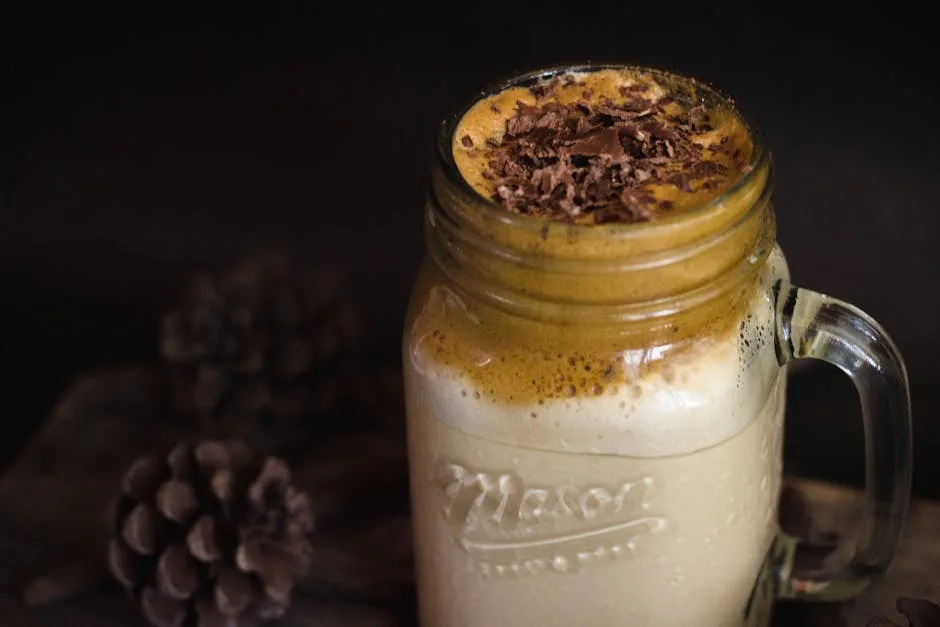
Campos do Jordão offers plenty of photogenic corners—sunlight on wooden terraces, cups steaming against fog, and rows of chocolates in glass cases. Capture the cup on a table with a mountain view or photograph the swirl of cream in a dense hot chocolate; those images tell the town’s story as well as any map.

Photo by Lisa from Pexels via Pexels
Where to buy chocolate to bring home
If you fall for a particular flavor, most chocolateries sell bars, truffle boxes, and small jars of chocolate-based spreads. Look for clear labeling of ingredients and, when available, a short description of the cocoa origin. Smaller shops often include tasting samples so you can choose with confidence. Pack bars in your luggage cushioned among clothes—avoid leaving them in a hot car.
Seasonal offerings and special events
Special holiday menus appear around major local festivals and winter events. Limited-run flavors—orange-peel chocolate, ginger-infused cups, rosemary-scented variations—show up periodically. Check café windows or shop social feeds if you like chasing novelty, but be ready to enjoy classics too; the standard cremoso often outshines many gimmicks.
Tasting notes to guide you
When you taste, focus on texture first. Is the hot chocolate smooth and pourable, or thick enough that a spoon leaves a trail? Then evaluate sweetness: does it feel balanced or syrupy? Finally, look for background notes—fruit, caramel, toast, or a hint of floral. Those elements tell you if the chocolate emphasizes the bean or the dairy. Taking a small bite of a paired biscuit between sips clarifies the chocolate’s structure and sweetness.
Where locals go when they want something special
Locals seeking a special cup often choose small, quieter shops where the barista or chocolatier will recommend a specific style. These places reward curiosity: ask for a recommendation and tell the server whether you like darker, less sweet chocolate or creamier, sweeter versions. A thoughtful maker will guide you to a cup that fits your preference, sometimes offering a tasting shot so you can decide before committing to a full portion.
Practical tips: payment, seating, and timing
Most cafés accept cards, but carry a small amount of cash for market stalls and smaller vendors. If you need a table, arrive early during peak season; many spots don’t take reservations for single cups. Bring a light layer: terraces feel warmer once the sun hits them, but indoor spaces with open doors can be chilly. If you want a fireplace seat, plan for off-peak hours or ask staff when the best times are to snag one.
Making the choice: how to pick your favorite cup
Your favorite will depend on what you seek: comfort, craftsmanship, or atmosphere. If you chase craft, prioritize shops that talk about beans, percentage, and tempering. If you want comfort, choose a café with a fireplace and a pastry menu. If you enjoy social energy, pick a lively counter in Capivari and taste several small cups across different places—comparison sharpens preference faster than staying in one spot.
After the cup: explore nearby indulgences
Once you’ve found a hot chocolate worth repeating, expand your chocolate exploration. Visit nearby confection counters for truffles, sample chocolate-coated fruits, or scout for souvenir boxes of assorted chocolates to share. Many visitors pair a chocolate break with a stroll through craft shops, a visit to a small museum, or a walk along the town’s easier trails—keeping the cup as a warm anchor to the afternoon.
A personal challenge: five cups in a day
For a focused tasting day, sample five different styles: a market cup, a creamy café cup, an artisan bean-focused cup, a flavored seasonal version, and a decadent dessert-style cup. Keep notes on texture, sweetness, and aftertaste. You’ll leave with more than a favourite—you’ll have a clear sense of how hot chocolate adapts to technique, atmosphere, and the maker’s priorities.
Final thoughts on planning your chocolate pilgrimage
Campos do Jordão rewards small, deliberate choices. Let the day unfold: start with a simple cup after an early walk, shift to a richer version for an afternoon treat, and finish with something decadent beside a fire. The town’s cool air and warm interiors make hot chocolate a vehicle for lingering—taste widely, ask questions, and let the mood of each place guide you to the cup that feels made for you.