
Campos do Jordão: mountain charm with a Brazilian twist
Campos do Jordão sits high in the Serra da Mantiqueira, a town that feels like a European mountain village but breathes Brazilian culture. Pine forests, misty mornings, chalet-style architecture and a winter music festival come together to create a destination that’s both postcard-perfect and authentically Paulistano (from são paulo state). Whether you’re chasing cooler weather, artisanal chocolate shops, or a weekend of hiking and craft beer, Campos deserves more than a day-trip glance.
Why people call it the “Swiss of Brazil” — and what that label misses
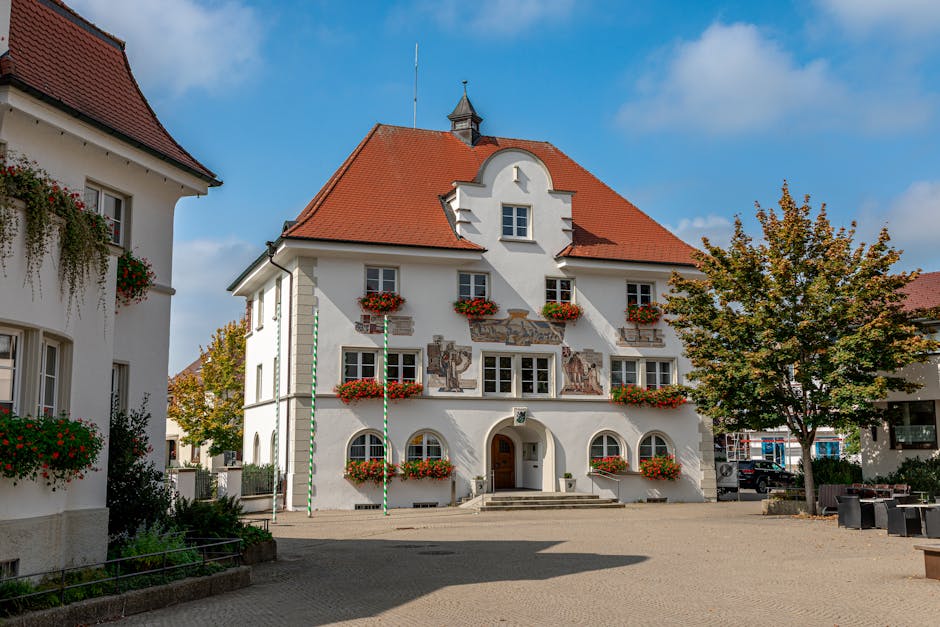
The nickname comes from the Alpine-style houses, steep roofs and wood-paneled facades concentrated around Capivari, the town’s tourist heart. Those façades were inspired by late-19th to early-20th-century European mountain resorts, and developers leaned into that aesthetic to attract São Paulo’s urbanites searching for a colder escape. The resemblance is charming, but Campos is not a European copy: the surrounding flora is subtropical mountain biome, the winters are milder than the Alps, and local culture mixes European influences with Brazilian food, music and seasonal rhythms.
That mix is what gives Campos its personality. Locals will talk about the fog rolling over the pines, the coffee grown in nearby valleys, the classical concerts in July, and the handful of microbreweries that now define evenings in Capivari. Expect European touches—fondue restaurants, patisseries—followed by a lively Brazilian hospitality that keeps service relaxed and friendly.
When to visit: timing for weather, crowds and the Winter Festival
Campos has four distinct travel rhythms. Winter (June–August) is peak season for cold-weather lovers: daytime temperatures in the high teens Celsius (low 60s F) and single digits at night are common. July brings the Festival de Inverno, a classical music festival hosted by state cultural institutions that fills theaters and churches with concerts and masterclasses. Expect crowds and higher prices during this month, but also a lively cultural calendar.
Spring and autumn are quieter and ideal for hiking, mountain biking and seeing wildflowers or fall colors in the pines. Summer brings afternoon showers but warm days, making it perfect for visiting nearby waterfalls and state parks. If you want the cozy vibe without the crowds, aim for late spring (October–November) or early autumn (April–May).
Where to base yourself: neighborhoods and lodging that fit your travel style
Capivari is the obvious choice for first-timers. This pedestrian-friendly cluster of streets hosts the main square, boutiques, chocolate shops and dozens of restaurants and bars. Capivari is lively after dusk; it’s easy to walk everywhere and you’ll find many small hotels and pousadas within minutes of the square.
If you prefer a quieter stay, Alto do Capivari and Vila Inglesa offer leafy streets and larger chalets with views over the valley. Horto Florestal (the state park area) is better for nature lovers who want proximity to trails and picnic spots; accommodations there tend to be larger pousadas or rustic cabins. For a luxury treat, boutique hotels and historic mansions converted into inns sit on the outskirts and offer panoramic terraces and fireplaces.
Capivari: the beating tourist heart
Walking Capivari feels like browsing a small European town built for weekenders. Chocolate shops display truffles next to local jams; restaurants advertise fondue and raclette; craft breweries serve flights on wooden boards. The square is the place to people-watch, book a day tour, or hop into a cable car up to Morro do Elefante for a sweeping view of the town and valley.

At night, Capivari pulses with a warm energy. Restaurants fill with couples and families wrapped in jackets; street vendors sell roasted chestnuts or local sweets; live music appears at bars on weekends. If you want to experience the social side of Campos, let yourself linger here after dinner with a glass of local craft beer or a hot chocolate.
Top things to do beyond the main square
Hike in Horto Florestal (Parque Estadual de Campos do Jordão) for marked trails through pine forests, streams and lookouts. The park is a short drive from Capivari and offers trails for every skill level, shaded picnic areas, and a small lake where families paddle on weekends.
Amantikir Gardens is a meticulously designed public garden with panoramic viewpoints, Japanese-style sections, and themed green spaces that photographers love. It’s an engineered landscape—think artful hedges, rock gardens and manicured lawns—contrasting with the wilder trails in the state park.
Morro do Elefante provides one of the easiest viewpoints. A cable car and short trails connect the park to the summit, where you’ll find wooden platforms and a clear horizon for sunrise or late-afternoon light. For a longer day out, the nearby Pedra do Baú offers dramatic granite faces and multi-pitch climbing routes for experienced climbers; the Baú massif lies a short drive from Campos, in the municipality of São Bento do Sapucaí.
Don’t miss Palácio Boa Vista, the former winter residence of São Paulo state governors. The palace hosts a surprisingly strong art collection—portraits, decorative arts and rare furniture—along with views over the town. Visits are often guided and reveal more about the state’s cultural priorities and the region’s history as a summer retreat for wealthy families.
Food, drink and local flavors
Campos’s food scene leans into comfort. Fondue restaurants serve several courses—cheese fondue to start, then meat, then chocolate—often accompanied by local wines. Artisanal chocolate shops sell truffles, pralines and chocolate-covered fruits; many have open kitchens where you can watch confections being made.
Brazilian staples appear alongside European dishes. Try local cuts of beef or trout (farmed trout is common in the mountain streams) and finish with a coffee from the Mantiqueira region, which produces beans with floral acidity and chocolatey undertones. The city also has a growing craft beer culture: several microbreweries offer well-made lagers and ales that pair perfectly with a chilly evening.
Markets, shopping and local crafts
Stroll through the artisan markets for woodwork, knitted sweaters, handmade jewelry and jars of jam. Many vendors are local families who have been selling at weekend markets for decades. Pick up a locally made wool sweater, a small handmade knife with a carved handle, or jars of artisanal honey from nearby quilombola and small-scale producers. Bargaining is rare; prices tend to be fixed and reflect the craftsmanship involved.
Getting there and getting around
From São Paulo, Campos do Jordão is roughly 160–180 kilometers by road, depending on your starting point. Driving takes about 2.5 to 3.5 hours in normal traffic; expect longer travel times on holiday weekends. There are also frequent buses from the Tietê and Barra Funda terminals in São Paulo; premium coach services provide comfortable seats and direct transfers to Capivari.
Once in town, walking solves most sightseeing in Capivari. For Horto Florestal, Amantikir or trailheads, local taxis, ride-hailing apps and private day tours are practical. If you want freedom to chase sunrise viewpoints or reach more remote trails, rent a car; some roads into natural areas are narrow and steep, so choose a small, high-clearance vehicle and drive carefully.
Sample two-day plan: a weekend that feels complete
Day 1: Morning drive up from São Paulo, check into a pousada in Capivari and explore the main square. Afternoon visit to Amantikir Gardens for golden-hour photos and gentle walking. Evening: fondue dinner and a nightcap at a cozy bar.
Day 2: Early hike in Horto Florestal to beat crowds, stop at a lookout for views and picnic by a stream. Midday visit to Palácio Boa Vista and a walk up Morro do Elefante via cable car. Late afternoon: sample chocolates and pick up local crafts before catching the evening bus or starting the drive home.
Safety, practical tips and cultural notes
Campos is generally safe for tourists, but normal precautions apply: keep valuables secure, avoid isolated trails at dusk, and ask your accommodation host about which routes are best in low light. Bring layers—mornings and nights are significantly cooler than midday. A windproof jacket and warm hat make a noticeable difference during the winter months.
Portuguese is the language of daily life. Tourist vendors and hospitality workers often speak conversational English, but a few phrases in Portuguese go a long way: greetings, numbers for ordering, and simple thank-yous. Cash is useful in smaller markets, though most shops and restaurants accept cards. ATMs are available in Capivari but plan ahead if you’re heading to more remote trails.
Responsible travel: preserve what makes Campos special
The region’s pine forests, streams and endemic flora deserve respectful travel. Stick to marked trails to avoid trampling native plants, carry out any trash, and support local businesses—family-run pousadas, artisan stalls, and farm-to-table restaurants keep the local economy resilient. If you book a guided hike, choose naturalist guides who emphasize conservation and regional history rather than simply transportation to viewpoints.
Water is a precious resource in mountain towns; avoid wasting bottled water and bring a refillable bottle where possible. Many small hotels offer filtered water for guests. When visiting private gardens or paid attractions, read signage and adhere to requested behaviors: no climbing on walls, no feeding birds, and following photography rules where posted.
When culture meets nature: special events and lesser-known attractions
July’s Festival de Inverno draws classical music lovers from across Brazil with concerts in theaters, churches and cultural centers. Outside winter, small cultural events—artisan fairs, weekend live music at inns, and gastronomy-focused pop-ups—appear frequently. Check local event calendars before you travel to catch a culinary fair or an open-air concert.
For a quieter, off-the-beaten-track experience, visit the coffee farms in the valleys below Campos. Several family-run fazendas offer tastings and short tours explaining high-altitude coffee production. These visits give a grounded sense of the local agricultural economy and connect you to producers rather than souvenir shops.
Final practical checklist
- Packing: layers, sturdy walking shoes, windproof jacket, power bank, reusable water bottle.
- Money: card-friendly in town, small bills or cash for markets and quick purchases.
- Transport: book buses or rental cars in advance during July and holiday weekends.
- Reservations: make dinner and hotel bookings ahead for July; smaller pousadas sell out early.
- Respect: follow trail rules, support local artisans, and leave natural areas as you found them.

Campos do Jordão blends mountain scenery, a cozy dining scene and a cultural calendar in a way that feels tailored for a weekend escape or a longer, slower holiday. It’s a place to linger over a hot drink as fog lifts off the valley, to hike among tall pines, and to discover the local details—handmade chocolates, small-batch beers, a concert in an old theater—that give the town its character. For foreign visitors curious about Brazil’s geographic diversity, Campos is a clear demonstration that the country’s landscapes and cultural expressions extend well beyond its beaches.