
Why São João feels different in the city
festas juninas—what many people call São João when St. John’s night is the focus—arrive in brazil every June with a rush of flags, food stalls, and music. In the northeast they take on a rural, open-air feel: bonfires, large squares and whole communities joining the festa. In Rio de Janeiro and São Paulo those same traditions adapt to urban life. The bonfires shrink or vanish, the festa moves into schoolyards, church grounds, cultural centers and park pavilions, but the core remains: dancing, corn-based sweets and a communal, slightly mischievous spirit.
Quick cultural background without the fluff
The festival grew from Catholic saint days—St. Anthony (June 13), St. John (June 24) and St. Peter (June 29)—but what visitors see now is a mix of Portuguese, Indigenous and Afro-Brazilian cultural elements that evolved over centuries. In cities, migrants from the Northeast brought their festas with them, and urban quermesses became meeting points for community identity. Music, costumes, and food stayed loyal to that heritage while adapting to metropolitan space and schedules.
What to expect at an urban quermesse
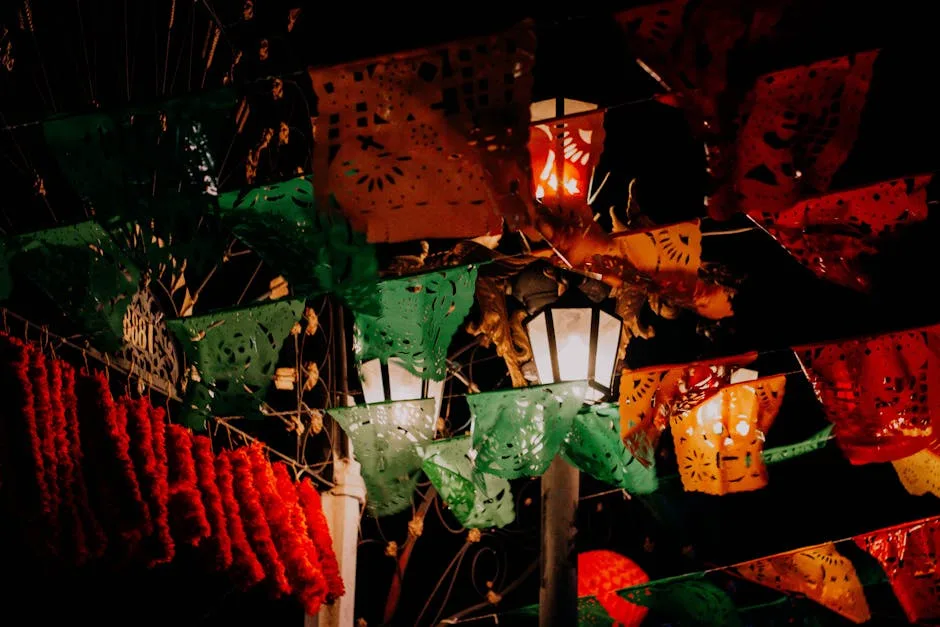
Expect a compact, theatrical version of the countryside festa. There are strings of colored paper flags (bandeirinhas) overhead, a stage for live bands, a marked-off area for the quadrilha (the folk group dance), and rows of stalls selling food and small handicrafts. Lighting tends to be brighter than rural festas; events often end earlier and run for several nights rather than overnight. Vendors accept cash, but many places now welcome cards or QR payments—carry a bit of cash for the smaller stalls.
Food that defines São João—what to taste and how to order
Foods at a quermesse are corn and peanuts in almost every form. Try canjica (sweet, creamy white-corn porridge), pamonha (steamed fresh corn wrapped in corn husk), bolo de milho (corn cake), curau (thick sweet corn pudding), paçoca (crumbled peanut candy) and pé-de-moleque (hard peanut brittle). For something warm, ask for quentão—ginger and cachaça heated with sugar and spices—common at urban festas to keep the chill away on rainy or cooler nights. If you prefer a non-alcoholic option, caldo de milho (corn soup) and sweet hot chocolate show up at many stalls.
How to approach the music and dances
Forró bands—accordion (sanfona), zabumba (big drum) and triangle—supply the heartbeat for the festa. Rhythms you’ll hear include baião, xote and arrasta-pé. If a live band is playing, the dance floor fills quickly. Don’t overthink the steps: Brazilians welcome beginners on the dance floor. Step in, hold the partner comfortably, and follow or imitate; the typical forró embrace alternates between close and playful. When a quadrilha is staged, it’s choreographed and theatrical—people shout playful commands and everyone gets involved. Joining the quadrilha is a highlight for many visitors; a small entrance fee may apply when the performance is part of a ticketed show.
Where city festas hide—finding genuine experiences in Rio and São Paulo
Look beyond tourist brochures. The most authentic urban quermesses are organized by community associations, churches, and cultural centers where residents gather. Municipal cultural calendars list publicly funded arraiais; venues like local Sesc units often produce well-curated festas that balance authenticity with infrastructure (toilets, security, accessible transport). Universities, neighborhood schools and neighborhood associations host volunteer-run quermesses that feel local and are usually cheaper. For a visitor focused on discovering Brazil’s cultural layers, these community festas reveal far more than staged tourist shows.
How to read event listings like a local
Search for “arraial”, “arraial de rua” or “festa junina” plus the neighborhood name. In Portuguese, “arraial” or “arraial de festa” signals a festa junina style gathering; “quermesse” often points to a church-run fair. Municipal cultural websites and the Sesc calendar are reliable sources; social media pages of neighborhood associations and local bars also post schedules. Pay attention to start times—weeknight festas may begin around 7–8 PM and close by 11 PM, while weekend arraiais can stretch later. Ticketed events list what’s included: buffet, open bar, or just entry. For public, free quermesses, donations help keep the parties running year after year.
A few practical tips for your first urban quermesse
Wear comfortable shoes—dancing and walking on uneven pavement are likely. Layer your clothing: June nights can be surprisingly cool in São Paulo, and Central Rio can have a chill depending on wind and rain. Bring small bills for food and games; many small stalls still prefer cash. If you use ride-hailing apps, set a clear pickup point outside the festa grounds to avoid confusion. Keep a photocopy of your passport and a local emergency number handy; most big gatherings are safe, but being prudent keeps the night pleasant.
How to behave—etiquette and respectful participation
Brazilians are warm and expressive at festas. Greeting vendors and performers with a smile goes far. Learn a few phrases: “Boa noite” (Good evening), “É perto?” (Is it nearby?), “Quanto custa?” (How much?). When joining a dance, follow cues—ask “posso?” (may I?) if you’re unsure. If a performance asks the public to join, don’t be shy—participation is celebrated. Be mindful of space around food lines and dance areas; families often bring children, so step around with care. If you photograph performers or people in costume, a quick “Posso tirar uma foto?” is polite and will be appreciated.
Family-friendly vs. late-night festas
Many urban quermesses are family-friendly affairs with daytime and early-evening programming for kids—games, miniature bull-rushes, sweets and supervised dance workshops. Others are aimed at adults and run later into the night with bigger bands and alcoholic drinks. Names like “arraial” don’t define the audience; check the event description. If you’re traveling with children, prioritize community center and church-run festas; they tend to have organized activities and safer fenced areas.
Safety considerations specific to urban festivals
Large urban gatherings require common-sense safety: keep valuables out of sight, use zipped bags, and travel in pairs when possible. Pay attention to bag checks and official staff. If you’re unsure about a neighborhood at night, arrange transport back to your accommodation in advance. Trust local advice from vendors or cultural center staff; they often direct visitors to safer transit options and advise where not to leave belongings unattended.
Budgeting your festa night
An evening at a community quermesse can be very affordable: modest entrance fees, low-cost food stalls and inexpensive games. Expect to spend a bit more at curated Sesc shows or ticketed forró nights with popular bands. If your goal is to try lots of foods, split portions with friends or choose sample-size servings at several stalls. Bring coins for traditional games that give small prizes—these are inexpensive ways to enjoy local customs without breaking the bank.
Learning to dance forró—short tips that actually help
Start with the basic two-step: step to one side, then the other, keeping your center steady. Men and women both lead and follow at different moments—roles aren’t strictly gendered, and switching is normal. Keep your knees slightly bent and your body relaxed; the hug is close but comfortable. If a teacher or workshop is advertised at the festa, join; local instructors are friendly and give quick, clear corrections so you leave the night able to dance a full song with confidence.
Photographing the festa—what to capture and how
Capture the little details that tell the story: a vendor shaping dough into pamonha, hands threading colorful flags onto strings, a child’s face lit by stall lights, the accordionist mid-phrase. Avoid long lens shots that feel voyeuristic; step closer with permission. Night photos benefit from exposure adjustments—lower ISO and a steady hand yield better color with less grain. If you want a portrait, offer to send the image to the person; sharing pictures is a good way to connect.

Photo by Geancarlo Peruzzolo via Pexels
Language shortcuts that make the experience smoother
Memorize a handful of Portuguese words and phrases that are useful at a festa: “Festa junina” (June festival), “Quadrilha” (traditional group dance), “Comida” (food), “Bebida” (drink), “Entrada” (entrance), and “Mais barato?” (cheaper?). These simple phrases help you buy snacks, ask about schedules, and join activities. Smile and use gestures if words fail—Brazilians respond quickly to effort and warmth.
When a festival feels staged—how to spot authentic moments
Some commercial events focus on spectacle: elaborate stages, professional dancers and higher prices. That’s fine if you want a polished show. Authentic quermesses reveal themselves in small improvisations: a spontaneous forró circle, a grandmother playing a homemade instrument, volunteers setting up stalls. Seek those interactions. They tell you how traditions live in everyday urban communities—sometimes in a parish lot squeezed between apartment blocks.
Timing your visit—best nights and weather considerations
Major São João celebrations cluster across June, peaking around the saint days. Weekends generally offer the liveliest arraiais. In São Paulo, June nights are cooler and occasionally rainy; bring a light jacket. Rio’s winter evenings can be mild but breezy; a thin layer is useful. If your visit falls on a weekday, you’ll still find neighborhood quermesses that light up local streets—these often feel more intimate and give clearer access to conversations with locals.
Making the celebration meaningful—beyond snapshots
Listen. Conversations at stalls reveal migration stories, favorite family recipes and how traditions shifted when families moved cities. Ask about the origins of a recipe or a dance step; most people enjoy sharing. If you can, stay long enough to catch a quadrilha or a late-forró set. Those moments—real laughter, a child’s tentative first step in the dance, an older neighbor giving the history—are what make São João in the city unforgettable.
Where to read more and keep exploring
Start with local cultural calendars and the Sesc programming pages for reliable schedules. Follow neighborhood cultural associations on social media to catch last-minute event announcements. When in doubt, ask hotel staff or hostel hosts to recommend a good local quermesse that suits your interest—family-friendly, lively dance floors, or more traditional gatherings. The best festa often arrives through a human recommendation rather than a glossy listing.
Final practical checklist before you go
Pack comfortable shoes, a light jacket, small bills and a charged phone with a local transit app. Have a meeting point arranged with your group and a return plan after the festa. Bring curiosity and respect; with those two things you’ll find that city quermesses in Rio and São Paulo offer a joyful, authentic way to celebrate São João without leaving the urban grid.