
Why June matters on Brazil’s coast
june is the first real month when whale-watching in brazil moves from possibility to plan. After months in Antarctic feeding grounds, several whale species begin migrating northward and arrive along Brazil’s coastline to breed, nurse calves, and sing. For travelers who love wildlife and coastal culture, that movement turns seaside towns into places of quiet excitement: local guides update their schedules, boats come out of maintenance, and guesthouses start filling with people who booked months ahead. If you’re arranging a trip around this season, aim for June to catch the early arrivals and avoid the busiest weeks later in the winter.
Which whales come to Brazil — and where they prefer to stay
Two species dominate the seasonal headlines: humpback whales (Portuguese: baleia-jubarte) and southern right whales (baleia-franca austral). Their reasons for coming overlap — calmer, warmer waters for calving and social behavior — but their favorite neighborhoods along the Brazilian coast differ.
Humpback whales and the Abrolhos stronghold
The Abrolhos Bank, off southern Bahia, is the most famous breeding ground in the South Atlantic for humpback whales. The protected area around the islands and reefs concentrates mothers and calves, creating high chances for sightings during the season. The logistical base for trips into Abrolhos is the coastal town of Caravelas (and nearby Porto Seguro for some operators), where licensed boats leave early in the morning and return by afternoon. Watching humpbacks here often means witnessing long dives, elaborate tail-slapping, and the famous humpback songs that carry across the water.
Southern right whales along the southern coast
Further south, along the coast of Santa Catarina and into Rio Grande do Sul, the southern right whale shows a different behavior pattern. These animals favor shallow, protected bays and frequently come very close to shore — a dramatic sight from both boats and land. Imbituba and the neighboring Praia do Rosa in Santa Catarina are two places where whale activity is concentrated; local operators run short trips to approach the animals under strict regulations. Unlike humpbacks, right whales are often slower and spend more time near the surface, which makes them easier for slow-shutter photography and shore-based observation.
How the season unfolds: timing and peak months
The overall season officially opens in June and continues through November in many parts of the coast, but the rhythm differs by place. June and July are arrival months — good for lower crowds and strong chances for early migrants. Peak months are generally August through October, when mothers and calves are established, and the behavior becomes more active and visible. By November the animals start moving back toward feeding grounds, and sightings taper off.
If you choose June, you get a sweet spot: fewer tourists, slightly lower prices, and a quieter coastal atmosphere. The trade-off is that some operators may still be ramping up, so book with companies that have a solid safety and sighting record.
Practical bases: towns to stay and how to get there
Choosing where to base your whale-watch depends on the species you want to see and the kind of trip you prefer. Here are practical starting points that put you within easy reach of the best viewing areas.
Caravelas and southern Bahia (Abrolhos)
Caravelas is the traditional gateway to Abrolhos. The town has a handful of pousadas (guesthouses), simple restaurants with fresh seafood, and several licensed operators who run day trips to the archipelago. Flights into Teixeira de Freitas or Ilhéus followed by a road transfer are common routes. If you prefer more tourist infrastructure, staying in Porto Seguro and taking a longer excursion is an option, though Caravelas reduces boat time and gives you an earlier start to the day.
Imbituba, Praia do Rosa and the Santa Catarina coast
The southern Santa Catarina coast mixes surf culture and whale-watching. Praia do Rosa is a village that balances relaxed cafes, boutique pousadas, and whale-spotting platforms along the headlands. Imbituba hosts organized tours and has a larger harbor, making it a good operational center. Florianópolis and Navegantes airports are the usual entry points for international visitors, followed by a 1–2 hour drive depending on your exact destination.
Other coastal options
Brazil’s coastline is long and varied. Some smaller ports in Espírito Santo and northern Rio de Janeiro receive humpbacks in season, and pockets of sightings occur in São Paulo state on calm years. For a first whale-watching trip focused on reliable encounters, Abrolhos and Santa Catarina are the two most dependable choices.
What a typical whale-watching day looks like
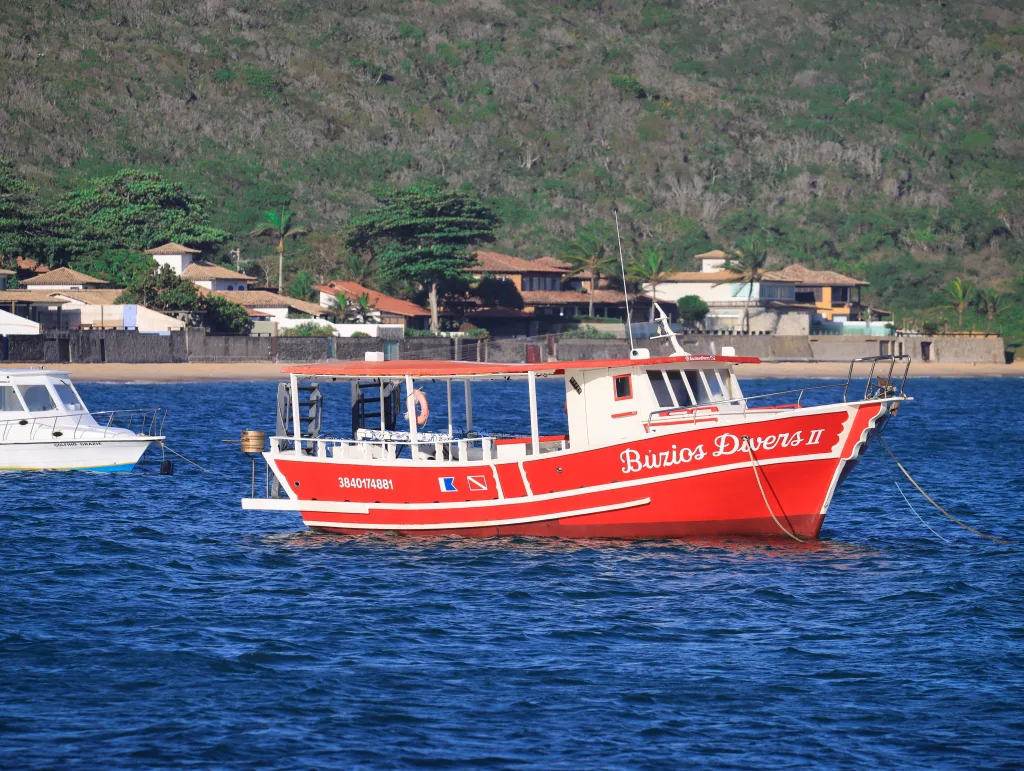
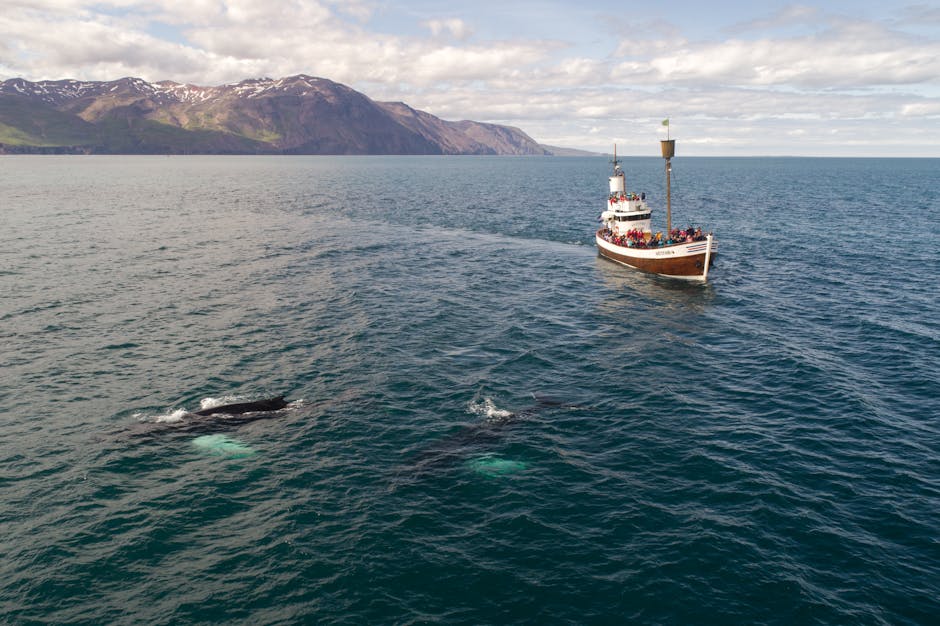
You’ll get an early start. Boats usually leave at dawn or mid-morning to take advantage of calmer seas and the whales’ daytime surface behavior. Operators brief the group, provide life vests, and explain the regulations that control approaches to the animals. Out on the water, expect periods of quiet scanning punctuated by exciting, unhurried displays: a blow, a tail fluke disappearing into a deep dive, or an entire body breaching. Guides combine binoculars with knowledge of local patterns to locate groups and interpret behaviors.
Humpbacks in Abrolhos often travel in small groups and show social behaviors that are perfect for observers who enjoy ethology as much as photography. Southern right whales tend to remain closer to shore, sometimes allowing dramatic, slow-motion views of spouts and back curvatures from a catamaran or cliffside.

Responsible watching: rules, ethics, and safety
Brazil has federal protections for marine mammals and strict regulations on how vessels may approach them. Licensed operators follow rules set by agencies like IBAMA and ICMBio, and these rules are there to protect both animals and people. Respect minimum approach distances, follow the captain’s instructions, and never attempt to swim toward a whale. If a group of boats is around an animal, keep noise low and avoid sudden movements that could stress mothers and calves.
Drones are increasingly popular with travelers, but many protected areas ban their use without permits. Ask your tour operator about drone policies before you even consider launching one. Also, check the safety credentials of any company you book with: life jackets for every passenger, an experienced crew, and a clear cancellation policy for bad weather are minimum standards.
Photography and what to bring
For camera gear, a telephoto lens in the 200–400mm range is ideal for capturing details without needing to get dangerously close. Fast shutter speeds freeze breaches; burst mode helps capture the decisive moment. Bring a waterproof bag, polarized sunglasses for glare reduction, seasickness medication if you’re prone to motion issues, and layered clothing — even in Brazil’s northeast the wind on an open boat can be cool. Don’t forget cash for tips and small purchases in towns where card machines are unreliable.
What to expect from sightings — and realistic chances
Wildlife is never guaranteed. The best guides increase the odds through local knowledge and radios that share whale locations between boats. In Abrolhos the concentration of humpbacks makes encounters common during the season; in southern Santa Catarina, a well-timed trip often yields sightings from either boat or shore. If you want the highest probability for a close encounter with calves and courtship behavior, aim for the heart of the season (August–October). For quieter experiences and good weather, early season in June is a smart pick.
Local culture and how whales shape coastal life
Whale season changes the rhythm of many coastal towns. Fishermen sometimes switch to tourism during winter months, and community-run initiatives often use whale-watching as a way to fund conservation and economic diversification. Restaurants adapt menus around sustainable seafood choices, and small shops sell handmade crafts that reflect local marine life. Connecting with a local guide gives more than a good sighting; it offers context — how families have lived with the sea for generations and how conservation efforts have grown as whales returned after decades of decline.
Sample 7-day itineraries based on interest
Below are two sample week-long plans that focus on whale-watching but leave room for culture, beaches, and nature.
Seven days in southern Bahia (Abrolhos-focused)
Day 1: Fly into Ilhéus or Teixeira de Freitas; transfer to Caravelas. Evening walk along the small harbor, arrange your boat tour.
Day 2: Full-day boat trip to Abrolhos with a licensed operator; snorkeling and island views if offered (many trips are observational only).
Day 3: Visit nearby Una for mangrove walks and local seafood; optional birding trip.
Day 4: Second boat trip — mornings are best for active whales.
Day 5: Drive to Valença or Morro de São Paulo for a change of scenery and culture.
Day 6: Beach day and village exploration; visit a cacao farm if interested.
Day 7: Return transfer to airport and departure.
Seven days on the Santa Catarina whale trail
Day 1: Arrive in Florianópolis or Navegantes; transfer to Praia do Rosa.
Day 2: Morning cliffside spotting; afternoon surf or local bike ride.
Day 3: Whale-watching trip from Imbituba; spend the evening sampling local seafood.
Day 4: Cultural day exploring nearby fishing villages and artisan markets.
Day 5: Optional second boat trip or a guided nature walk in Atlantic Forest fragments.
Day 6: Visit Laguna or Garopaba for additional shore-based sightings and regional history.
Day 7: Return to the airport for departure.
When weather changes plans
Coastal weather drives the schedule more than anything. Strong winds and rough seas cancel trips for safety reasons. That is why some travelers plan two whale-tour slots during a week so they have a backup day. Operators typically refund or rebook when conditions are unsafe, but always verify the small-print cancellation policy before paying. Travel insurance that covers activity cancellations adds peace of mind.
Conservation progress and how you can help
Over the past decades, conservation measures have helped humpbacks and southern right whales recover along the Brazilian coast. Local research, protected areas, and stricter fishing laws reduced threats and encouraged sustainable tourism. You support this work by choosing operators who contribute a portion of fees to local conservation, avoiding plastic waste, and keeping a respectful distance from animals. Small actions — like asking where seafood on the menu is sourced — reinforce long-term stewardship in communities where livelihoods connect to the sea.
Useful Portuguese phrases for whale-watch travelers
- Observação de baleias — whale watching
- Baleia-jubarte — humpback whale
- Baleia-franca — southern right whale
- Pousada — guesthouse/inn
- Barco autorizado — licensed boat
- Maré — tide (important for scheduling)
Booking tips and local logistics
Reserve tours in advance during winter months if you’re traveling in August–October. Many small operators take only a handful of passengers per outing, and accommodations in towns like Praia do Rosa and Caravelas can fill up quickly when the season peaks. Ask for confirmation of licenses and safety equipment, and prefer operators who limit approach distances and explain the whales’ natural history. If you can, hire a guide who speaks basic English; this not only improves communication but also supports bilingual local employment.
Final thoughts on timing and expectations
June is the moment the coast awakens to whale season. Choosing that month means embracing quieter beaches, crisp mornings, and the satisfying possibility of early-season sightings. Whether your ideal day is a close, slow encounter with a right whale near a southern headland, or the thunder of a humpback breach near Abrolhos, Brazil’s whale-watching season offers distinct experiences along its long shoreline. Plan for flexibility, prioritize responsible operators, and let local guides show you how communities and whales live beside each other.