
Why timing matters: waterfalls and Brazil’s shifting seasons
brazil is a country of microclimates. A waterfall that roars in one state might be a trickle a few hundred miles away at the same time of year. When you read advice to visit a waterfall “before the dry season ends,” what locals mean is: go while flows are still strong enough to show off the full drama, while trails and viewpoints are dry and accessible. Planning around these seasonal quirks makes the difference between an unforgettable plunge of water and underwhelming photos.
Rather than listing exact months (which vary by region), this guide focuses on regions and how the dry-season effect plays out there, plus practical tips for timing, access, and what to expect at each site. If you want thunderous volumes and mist on your face, pick waterfalls in the wetter parts of the year; if you prefer hiking access and clear pools for swimming, the tail end of the dry season often gives the best compromise.
Where the dry season matters most—and where it doesn’t
Some waterfall systems are heavily influenced by seasonal rains and river levels; others are buffered by large river systems or upstream reservoirs. For example, waterfalls fed by small headwater streams in plateaus and chapadas (tablelands) will vary dramatically. Waterfalls on major rivers—like the Iguaçu River—still change with the season but retain impressive flow year-round.
Accessibility is another seasonal variable. In the middle of the wet season, trails can be muddy or flooded; at the end of the dry season, waterfalls that expose more rock and plunge into clear pools are easier and safer to swim in. That tradeoff—volume versus access—is central to picking the right waterfall for your trip.
1) Iguaçu / Iguaçu Falls (Paraná) — omnipresent spectacle
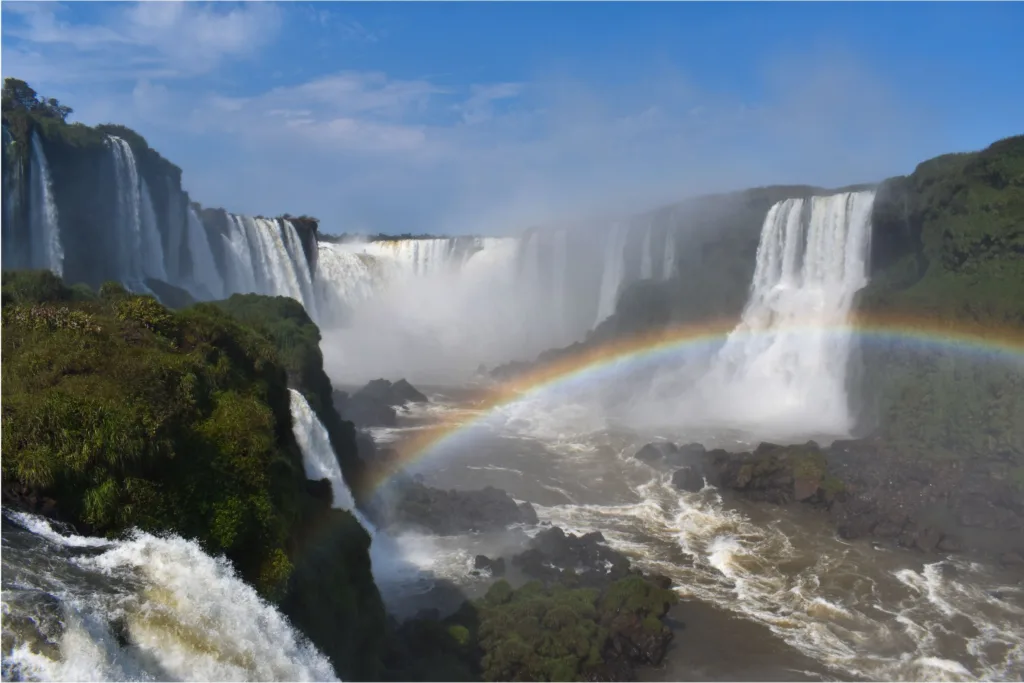
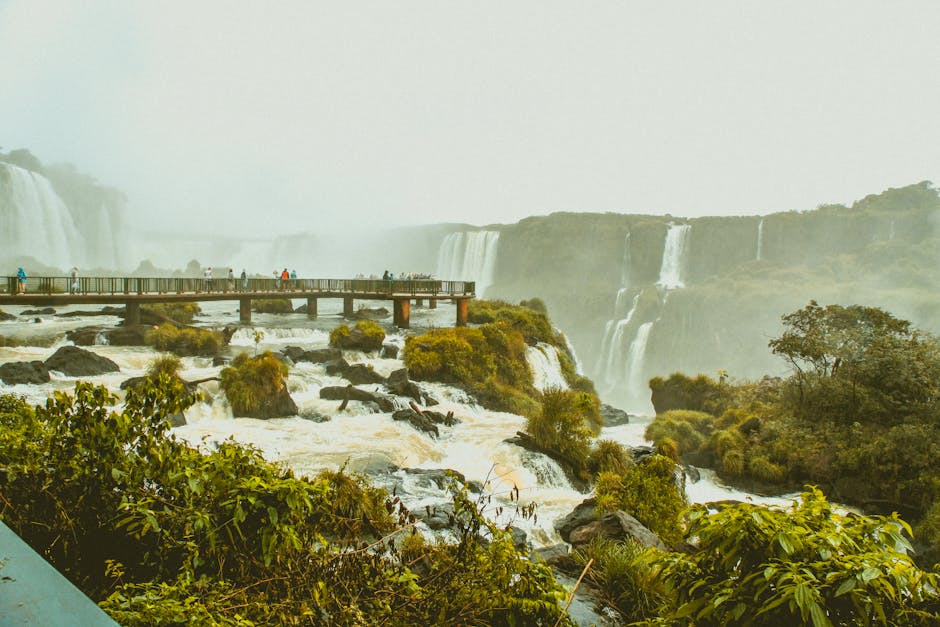
No list of Brazilian waterfalls is complete without the Iguaçu Falls on the border with Argentina. The national park on the Brazilian side offers panoramic boardwalks that showcase the immense curtain of falls and the iconic Devil’s Throat viewpoint. Because the Iguaçu River drains a wide basin, the falls remain visually spectacular across seasons; even during drier periods they rarely turn into a measly trickle.
Practical notes: fly into Foz do Iguaçu, allow a full day for the Brazilian side and another if you want the Argentine walkways or boat trips. Arrive early to avoid tour buses and bring a waterproof jacket for mist. Park infrastructure is excellent, with clear signage and accessible viewpoints.
2) Chapada Diamantina’s Cachoeira da Fumaça (Bahia) — the long drop with a twist
Cachoeira da Fumaça (Smoke Falls) is famous for its long free fall and for sometimes being more smoke than water—wind and seasonality can turn the water into a mist before it reaches the canyon floor. Visiting toward the end of the dry season makes the hike and canyon views drier and safer, but if you want water volume for photos, aim for a time when rains are more recent.
The hike from Lençóis to the viewpoint is scenic and requires a good level of fitness. Overnighting in Lençóis gives you time to wake for sunrise, when light paints the canyon walls and the falls glow against the sky.
3) Chapada dos Veadeiros and Alto Paraíso (Goiás) — plateau waterfalls and crystal pools
The chapadas of central Brazil are a draw for travelers who love hiking and plunging into crystal pools. In Chapada dos Veadeiros, waterfalls like those in the Alto Paraíso and São Jorge areas keep their pools clearer during the dry season, which makes late-dry-season visits ideal for swimming, photography, and scrambling over sandstone formations.
The downside is diminished flow: some cascades narrow to ribbons. If you prefer safe swimming with accessible trails, plan your visit toward the dry season’s end; for maximum water drama, prioritize the wetter months but be prepared for muddy trails.

4) Bonito and the Boca da Onça Trail (Mato Grosso do Sul) — clear water, lush canyons
Bonito is Brazil’s transparency capital: karst springs, blue rivers, and waterfalls with vivid pools. Boca da Onça is one of the region’s highlights, a series of cascades and viewpoints tied together by aerial walkways and jungle trails. Dry-season timing matters less for clarity—spring-fed systems keep water crystal clear—but volume falls off, so if you want large cascades, aim earlier.
Bonito’s tourism system is tightly regulated with daily visitor quotas for many attractions. Book packages and guides in advance. The region pairs well with Pantanal wildlife safaris, making a combined itinerary attractive for nature lovers.
5) Chapada do Araripe and Serra do Cipó (Minas Gerais) — Minas’ waterfall diversity
Minas Gerais is a waterfall lover’s playground. From the towering drop of Cachoeira do Tabuleiro (in Conceição do Mato Dentro) to dozens of smaller, swim-friendly cascades in Serra do Cipó, the state delivers variety. The highlands’ headwater-fed falls are sensitive to seasonal changes, so the late dry season often offers the best hiking conditions with good—but not necessarily maximal—water flow.
Tabuleiro requires a day trip from Belo Horizonte or an overnight in nearby villages. Trails are well-marked but steep; local pousadas usually arrange guides, transport, and freshly made meals after a long hike.
6) Pantanal edges and Bonito’s waterfalls — a different kind of seasonality
The Pantanal’s wet-dry swing defines wildlife viewing windows: during the dry season, animals concentrate near water and visibility improves. Waterfalls in nearby higher ground and Bonito’s spring-fed falls are less flashy but enjoy better access and clearer pools at the dry season’s end. If you prioritize wildlife and swimming over sheer drop height, plan your waterfall visits to coincide with Pantanal game-viewing seasons. That way you get both aquatic scenery and abundant fauna sightings.
7) Southern falls: Caracol and Aparados da Serra can surprise you
In the south, places like the Caracol Falls near Canela (Rio Grande do Sul) and the canyoned landscapes of Aparados da Serra deliver dramatic gorges and waterfalls framed by cooler climates and Araucaria forests. The dry season there is less about stark contrasts and more about accessibility and clearer trails. Caracol has excellent tourist infrastructure—viewpoints, cable cars, and paved paths—so it remains a reliable pick late in the dry season.

8) Quick field guide: Which waterfall type to choose for your priorities
If you want thunder and mist: Iguaçu Falls (Paraná) and larger river-fed cascades are your best bet. They keep the drama even when tributaries run lower.
If you want hiking and panorama: Chapada Diamantina and Chapada dos Veadeiros—the plateau scenery rewards early mornings and dry trails.
If you want clear pools and swimming: Bonito and many spring-fed falls in Minas Gerais and Goiás show water clarity that improves toward the dry season’s end.
If you want wildlife plus waterfalls: combine Pantanal safaris with nearby waterfalls in Mato Grosso do Sul and Goiás during the dry window for concentrated wildlife viewing.
Planning logistics: how to get there, where to stay, and park access
Transport options vary. Major falls like Iguaçu and Caracol are served by airports with regular flights; chapadas and Bonito usually require connecting flights plus several hours on paved or dirt roads. Rent a car for flexibility in plateaus and remote valleys, but rely on local guides for safety and navigation in protected areas where access is controlled.
Book park entrances, boat trips, and guided hikes in advance—popular sites enforce quotas and some only allow visits with accredited local guides. Accommodation ranges from rustic eco-lodges and camping to comfortable pousadas and small hotels; consider staying in smaller towns like Lençóis, Bonito, or Alto Paraíso to support local businesses and reduce daily travel time.
Practical safety, packing, and etiquette tips
Packing for waterfall trips means layering: sun in the morning, cooler canyon winds in the afternoon, and often significant humidity. Sturdy hiking shoes, water shoes for rocky pools, a lightweight waterproof shell, and a dry bag for electronics are essential. Bring insect repellent and reef-safe sunscreen. Respect park rules: stick to marked trails, avoid climbing on wet rocks near edges, and never swim where currents or signage warn against it.
Sustainability matters: many of Brazil’s waterfall sites rely on small communities and fragile ecosystems. Use registered guides, carry out any litter, and avoid single-use plastics where possible. If you take photos, be mindful of local sacred or culturally significant sites and ask before photographing people in rural communities.
Sample itineraries: put together a wet-and-dry-season-aware trip
Long weekend (4–5 days): Foz do Iguaçu
Fly to Foz do Iguaçu. Day one: Brazilian side boardwalks and panoramic viewpoints at sunrise; afternoon: Parque das Aves (bird sanctuary) or Itaipu hydroelectric viewpoints. Day two: cross to the Argentine side for close-up views and optional boat ride. Leave the third day as a buffer for weather or a relaxed exploration of local markets and eateries.
One week: Chapada Diamantina or Bonito + Pantanal
Option A (Chapada): Base yourself in Lençóis for multi-day hikes to Cachoeira da Fumaça, Poço Encantado, and Poço Azul. Option B (Bonito/Pantanal): Start in Bonito for snorkeling in clear rivers and waterfall trails, then transfer to the Pantanal for a 2–3 day wildlife package—both regions pair well during the dry season because trails are manageable and wildlife is easier to spot beside reduced floodplains.
Two weeks: Southern circuit and Minas
Fly into Belo Horizonte, spend several days exploring Serra do Cipó and Cachoeira do Tabuleiro, then head south to Gramado and Canela for Caracol Falls and the Aparados da Serra canyon region. This route mixes plateaus, cool southern forests, and accessible tourist infrastructure, and works well when you want diversity without extreme remote trekking.
How to photograph waterfalls before the dry season ends
Photographers face a tactical decision: capture motion with long exposures to smooth the water (use an ND filter or shaded settings), or freeze droplets for dramatic close-ups. Late dry-season visits often yield clearer pools and more visible rock formations, which make for compelling wide-angle shots. Bring a microfiber cloth to keep lenses mist-free, and scout viewpoints early to avoid crowds.
Local flavors and cultural side trips
Waterfall trips in Brazil are also food trips. Minas Gerais is famous for its cheese, pão de queijo, and comfort cuisine—perfect after a day on rocky trails. In the north and northeast, you’ll find tropical fruit juices, fresh fish dishes, and regional stews. Small towns near parks often host craft markets and local festivals; ask your pousada host about nightly forró or live music to round out your trip.
Final travel checklist before you go
- Confirm park reservations and licensed guide bookings.
- Check road conditions—some access roads become rough in wet months.
- Pack a basic first-aid kit and waterproof cases for electronics.
- Bring cash for small entrance fees, local food stalls, and hires—many remote spots don’t accept cards.
- Respect local advice about swimming and trail closures; rangers know seasonal hazards best.
Which waterfall should you choose right now?
If you want guaranteed drama despite seasonal fluctuation, book Iguaçu and pair it with a smaller site for contrast. If you have time to chase the end-of-dry-season perks—clear pools, accessible trails, wildlife concentrations—prioritize Bonito, Chapada dos Veadeiros, and Minas Gerais. Book transport and guides early, move at a relaxed pace, and let the local rhythm determine the best time of day for views and photos.
Brazil’s waterfalls reward patience and curiosity. Whether you crave the thunder of continental cascades or the quiet of a pool tucked into a sandstone amphitheater, timing your visit around regional dry-season patterns ensures you meet each waterfall at its most rewarding moment.