

The Vibrant Amazon Rainforest Awaits
The Amazon rainforest, often celebrated as the lungs of the Earth, is a treasure trove of biodiversity, home to countless flora and fauna. Among its many gifts, the rainforest produces some of the most unique and exotic fruits you won’t find anywhere else. Picture endless greenery, local markets bustling with energy, and the sweet aroma of ripe fruits hanging from trees—all welcoming visitors to savor the delights of this lush paradise.
For those eager to explore Brazil and its rich agricultural landscape, especially in the early part of the year, you’ll discover that the spotlight shines on an array of tropical fruits that can tantalize your taste buds. From the bold flavors of açaí to the unique texture of camu camu, there’s so much to uncover about these hidden gems. Let’s dive into this delicious world and see what the Amazon has to offer!
1. Açaí: The Superfruit Sensation
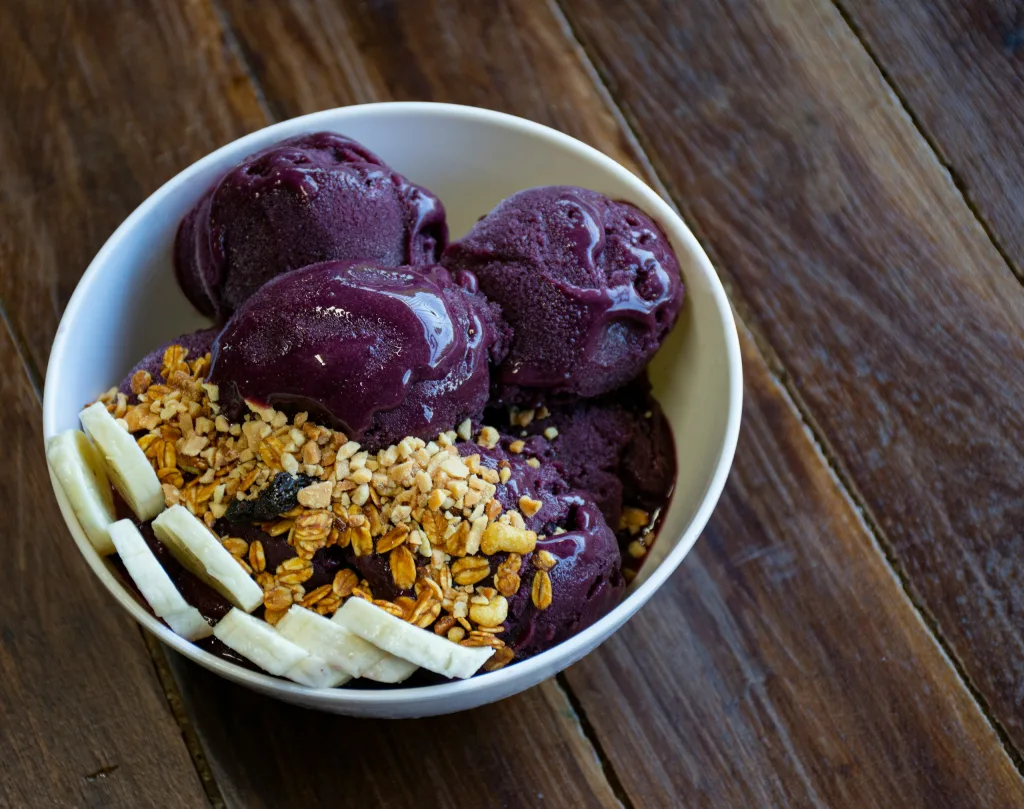
Açaí, pronounced as ah-sah-EE, has gained global popularity primarily due to its health benefits and versatility. This small, dark purple berry comes from the açaí palm tree native to the Amazon region. In Brazil, açaí is typically served as a smoothie bowl topped with granola, fresh fruits, and honey, making it a breakfast staple for many.
But what makes açaí even more enticing is its rich, earthy flavor that comes with a hint of chocolate and berry notes. It’s packed with antioxidants, fats, vitamins, and minerals, making it not just delicious but also a powerhouse of nutrition. The best time to enjoy açaí in its freshest form is in the first half of the year, right around the harvest season, typically peaking between December and June. You can find it in local markets throughout Brazil, whether in the urban centers of São Paulo or the small riverside towns in the Amazon.
2. Camu Camu: Nature’s Vitamin C Bomb
If you’re seeking an exotic fruit with an extraordinary punch of flavor, look no further than camu camu. Small and round, this cherry-sized berry boasts one of the highest concentrations of vitamin C in the world. Found in the flooded forests of the Amazon, camu camu has a tart and tangy flavor that adds a zing to smoothies, juices, and desserts.
The harvesting of camu camu is a labor-intensive process, which contributes to its relatively high price in international markets. However, in Brazil, particularly within the Amazon region, you can find it fresh and unprocessed. Consider trying camu camu as a refreshing juice, often mixed with other fruits to balance its tartness. It’s commonly consumed during the first half of the year when the fruits are at their sweetest and juiciest.
3. Cupuaçu: A Chocolate Lover’s Dream
Imagine tasting a fruit that resembles chocolate and has a delightful creamy texture. Meet cupuaçu, affectionately referred to as the ‘theobroma’ or food of the gods. Closely related to cacao, this fruit has a thick, brown rind and creamy pulp that is often used in sweets, smoothies, and desserts. The flavor is often described as a combination of chocolate and pineapple, which makes it utterly unique.

Cupuaçu is a versatile fruit enjoyed throughout Brazil. In local markets, you can find various products made from cupuaçu, from ice creams to juices. The best time to relish this exotic fruit is in the first half of the year, with peak seasonal availability from January to March. You may come across it in various Amazonian dishes, or simply enjoy it fresh from the tree.
4. Bacaba: The Lesser-Known Gem
Bacaba is perhaps one of the lesser-known tropical fruits yet holds its own in the Amazon region. Similar in size and appearance to açaí, bacaba berries are used to produce a traditional alcoholic beverage called ‘bacaba wine’ or ‘bacaba liquor.’ This drink is made by fermenting the pulp and juice of the bacaba fruit and is a unique experience for your palate.

The flavor of bacaba is often described as milder than açaí, with a delicate sweetness complemented by earthy undertones. Bacaba harvest is notable during the first half of the year, making it a perfect inclusion to your itinerary if you find yourself in the Amazon engaging with local culture. Seek out community gatherings or markets where you can taste bacaba wine, enjoyed fresh and paired with local dishes.
5. Guaraná: The Energizing Delight
Guaraná is a fruit that has captured the attention of those looking for a natural energy boost. This small, red berry is native to the Amazon and has gained traction because of its high caffeine content, which is a major selling point for those wanting an alternative to coffee. Guaraná is often ground into a powder, used in energy drinks, or prepared as a refreshing tea.
During the first half of the year, the guaraná berry is harvested, and you can easily find products infused with guaraná in Brazil, from soft drinks to health bars. Its invigorating properties and bright fruity flavor have made guaraná a staple in Brazilian culture. If you’re visiting, make sure to try a guaraná soft drink for an authentic Brazilian experience that’s widely loved by locals.
6. Buriti: The Oil Fruit of the Amazon
Buriti, also known as moriche palm fruit, is another noteworthy find when exploring the Amazon’s rich biodiversity. The fruit is orange in color and has a succulent, fibrous pulp that can be eaten raw or used to make juice. Buriti is also revered for its oil, known for its skincare benefits due to its high levels of beta-carotene and antioxidants.
You’ll encounter buriti often in local markets, where people may sell it whole or process it into various food products. The best time to enjoy buriti is typically between January and April, aligning well with its harvesting season. It’s worth trying buriti juice—its sweet and tangy flavors beautifully represent the essence of the Amazon.
7. The Urban Side of Exotic Fruits
While the Amazon rainforest represents the birthplace of these exotic fruits, urban Brazil pulsates with energy and creativity, offering modern twists on traditional ingredients. In cities like Rio de Janeiro and São Paulo, you’ll find an array of restaurants and juice bars that incorporate these seasonal fruits into innovative cocktails, desserts, and smoothie bowls.
Consider visiting local farmers’ markets where you can buy fresh produce directly from the farmers, or even take a fruit tour to learn how these fruits are harvested and prepared. Embrace the vibrant market scenes filled with aromas and colors, and don’t shy away from trying various fruits based on the seasonality you observe—it’s all part of the journey into Brazilian culinary culture.
8. Unforgettable Culinary Experiences
Indulging in the exotic fruits of the Amazon isn’t just about tasting; it’s about the entire sensory experience. Each fruit has its unique story tied to the land, the people, and the traditions of Brazil. As you explore markets and eateries, engage with locals—chefs, farmers, and artisans—and allow them to share their knowledge and passion with you. Try creating your own recipes using these fruits or participate in a cooking class focused on Amazonian cuisine to further deepen your connection.
By immersing yourself in the local culture and cuisine, you transform your visit into an unforgettable adventure, where every bite tells a story and every flavor resonates with the heart of Brazil.