
A first taste of Serra Gaúcha
When you picture brazil, beaches and rainforest likely come to mind first. Bento Gonçalves rewires that mental image: think cool, rolling vineyards, foggy mornings, and a strong Italian-brazilian personality that shows up in food, music, and family-style hospitality. The town sits in the serra gaúcha, the southern highlands of Rio Grande do Sul, and it’s the country’s most important wine region. If you’re planning a trip focused on wines, slow food, and a different face of Brazil—this is where to start.
Why Bento Gonçalves matters to wine lovers
Serra Gaúcha produces much of Brazil’s notable wine output, especially sparkling wine (espumante) and certain red and white varieties adapted to the cooler climate. Wineries here have generations of experience, and winemaking blends European techniques with local innovation. Smaller family-run producers sit beside larger operations, so a visit can include intimate cellar tours as well as modern production lines and museum-like tasting rooms. This diversity means you’ll taste traditional Italian-style table wines, crisp Chardonnays, expressive Merlots, and lively Brazilian sparkling wines that really excel with food.
Where to go first: Vale dos Vinhedos and wine routes
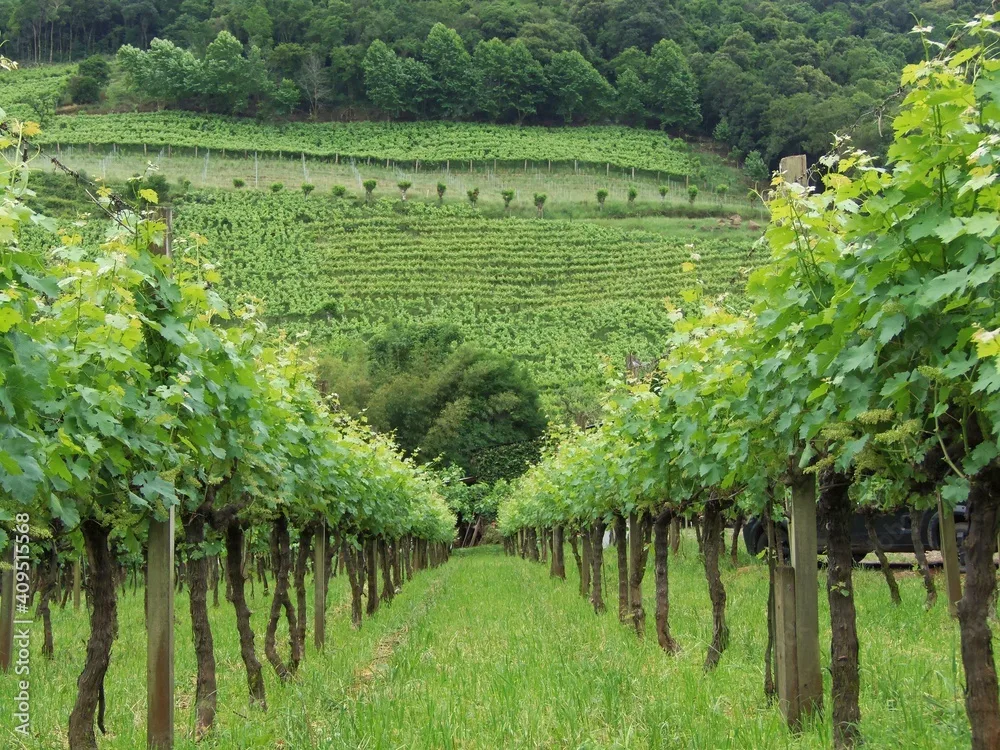
Vale dos Vinhedos translates to “Valley of the Vineyards,” and it’s the most famous stretch around Bento. The valley has an organized wine route with clearly marked wineries, tasting rooms, restaurants, and small shops selling olive oil, preserves, and regional cheese. Driving the route yourself is tempting—the scenery rewards slow turns—but guided wine tours are useful if you want winery access, language help, or designated drivers. If you rent a car, the roads are well-maintained and the distances between stops are short, letting you sample widely without long drives between visits.
Tasting tips and etiquette
Wine tasting in Brazil mirrors European routines more than flashy, high-volume tourism theater. Expect a calm, conversational environment: producers often pour several wines in sequence and explain techniques and harvest details. Don’t be shy about asking where grapes come from or how long barrels age—locals enjoy talking terroir. If you’re in a small family-run winery, ask about food pairings; producers often suggest local bread, queijo colonial (country cheese), or a slice of polenta to complement a particular bottle. Bring a small notebook or use your phone’s notes—Brazilian labels can surprise you, and you’ll want to remember the ones to buy.
Must-see wineries and tasting rooms (what to expect)
Some estates are large, with tasting lounges and guided tours in multiple languages. Others feel like you’ve walked into a relative’s house—long wooden tables, jars of preserves on a shelf, and a proud winemaker telling stories. Most wineries sell bottles you won’t find outside Brazil, or even outside the region, so buying directly is rewarding. Many producers also ship domestically; if you want bottles sent to Porto Alegre before you fly home, they’ll often help. Ask about cellar tours, sparkling-wine production (Charmat vs. traditional methods), and the vintage calendar—these details not only deepen appreciation, they make your tasting notes more meaningful.
More than vineyards: Caminhos de Pedra and immigrant history
Bento Gonçalves wears its immigrant past with pride. The Caminhos de Pedra (Stone Paths) route preserves Italian-settler architecture: stone farmhouses, family-run bakeries, and small museums that tell the story of arrival, adaptation, and the hands that built the valley. Walking these lanes and stopping for a slice of cuca (a German-influenced crumb cake popular across southern Brazil) gives context to the food and wine you’ll taste. If you enjoy food markets, find a local feira or a municipal market where you can buy cured salamis, regional cheeses, and small-batch olive oils produced on-site.
Cultural notes: food, drink, and social rhythms
Meals in Bento are social events. Long, multi-course lunches are the norm at vineyards and family restaurants: antipasti plates, pastas, roasts, and a focus on sharing. Churrasco (Brazilian barbecue) is absolutely part of the local repertoire, but you’ll also encounter galeto (small roast chicken), polenta, and plates centered on cheeses and cured meats. Don’t miss trying chimarrão if you want a local ritual: this bitter mate tea is passed from person to person in social situations and symbolically connects communities across southern Brazil. If you’re invited to someone’s home, bringing a bottle from a local winery or a box of sweets is a polite and appreciated gesture.
The Maria Fumaça train: travel with music and laughter
One of the region’s most charming experiences is the Maria Fumaça tourist train. The steam locomotive runs between Bento Gonçalves, Garibaldi, and Carlos Barbosa, and it’s a rolling celebration: musicians, folklore, and regional cuisine served on board or at the stops. Travelers often describe it as part-history lesson, part-party—there’s singing, dances, and invitations to sample local wines and snacks at the stations. It’s a great way to meet other visitors and feel the pulse of the area without the logistics of driving from place to place.
When to go: seasons, festivals, and harvest
Timing shapes your experience in powerful ways. Late summer into autumn—roughly February through April—brings the grape harvest. You’ll hear “vindima” mentioned often: harvest festivals celebrate the grape pick with parades, grape-stomping demonstrations, and tasting events. Spring and early summer offer mild weather, green vineyards, and fewer crowds, while winters are cooler and quieter, which some travelers prefer for a more reflective visit and lower accommodation rates. If you chase festivals, check local calendars in advance because specific vineyard events and winery open-days vary year to year.
Getting there and moving around
Bento Gonçalves sits about 120 kilometers northwest of Porto Alegre, the state capital. Most international visitors fly into Porto Alegre (Salgado Filho Airport) and continue by car, shuttle, or bus. Buses run regularly between Porto Alegre and Bento, and many travelers like the convenience and relative affordability of a shuttle service or private transfer if they’re heading straight into wine-country itineraries. Once in the valley, a rented car gives you the most freedom, but pre-booked tours take care of logistics and let you drink without worrying about driving.
Where to stay: vineyards, pousadas, and family-run inns
Accommodations range from boutique wine hotels and estâncias (country guesthouses) to cozy pousadas and modern hotels in downtown Bento. Staying inside Vale dos Vinhedos puts you at the door of several wineries and allows for sunset walks through the vines. If you prefer town life—restaurants, shops, and nightlife—pick a property in Bento’s center. For a classic local feel, look for family-run pousadas where hosts prepare small breakfasts with pão caseiro (homemade bread), fresh fruit, and local cheeses. Booking during harvest or festival weekends requires early reservations; those periods fill quickly.
Day trips and nearby towns
Bento makes a good home base for exploring the broader Serra Gaúcha. Gramado and Canela, known for alpine-style architecture and tourist attractions, are an easy drive away and offer a different, more commercial flavor of the region. Garibaldi is famous for its sparkling wines and historic downtown. Carlos Barbosa and other neighboring towns provide quieter, authentic glimpses of rural life. Each place has its own specialty foods and small artisan shops—combine a winery day with a visit to a cheese-maker, a bakery, or a craft brewery to round out sensory impressions.
Language, money, and practical traveler tips
Portuguese is the language here. In tourist-focused wineries and hotels, you’ll often find staff who speak English, but basic Portuguese phrases open doors and draw smiles. Carry cash for small purchases at markets and family-run stores; many small vendors are card-friendly, but having reais for short trips and tips is convenient. Tipping is customary but modest—10% in restaurants is common if service wasn’t included. Dress for comfort: wine tours involve standing and walking on gravel paths, and evenings can be cool even in Brazil’s summer months because of the altitude.
Responsible travel: sustainability and supporting locals
Many producers in Bento Gonçalves embrace sustainable practices: reduced chemical inputs, water management, and local sourcing for restaurants. Choose tours and wineries that prioritize responsible production when possible. Buying locally made products—olive oils, preserves, artisanal cheeses—supports small businesses and often results in higher-quality souvenirs than mass-produced items. Ask your hosts about community projects or cultural initiatives; a few hours volunteering or contributing to a local fundraiser during a longer stay deepens the travel experience in meaningful ways.
Sample 3-day itinerary for first-time visitors
Day 1: Arrive from Porto Alegre, settle into Vale dos Vinhedos or Bento. Afternoon introduction at a nearby winery with a cellar visit and tasting, followed by dinner at a family restaurant featuring pasta and local wine.
Day 2: Morning Caminhos de Pedra walk; afternoon at two contrasting wineries—one family-run, one larger producer—with time for wine shopping. Evening train ride on the Maria Fumaça if schedules match, or a town stroll and gelato.
Day 3: Visit a sparkling-wine house to learn production methods, pair with a lunch at a vineyard restaurant, and finish with a market stop for cheeses and preserves to take home. Head back to Porto Alegre or extend your stay to visit Gramado and Canela.
Safety, health, and etiquette reminders
Bento Gonçalves is safe by Brazilian standards, but normal urban travel precautions apply—watch your belongings in crowded places and avoid poorly lit side streets late at night. If you have dietary restrictions, communicate them clearly in Portuguese when possible; many small kitchens are flexible but not used to special requests. For wine-sensitive travelers, pace tastings, drink water between samples, and consider a designated driver or organized tour to keep the day enjoyable and safe.
Final thoughts on why Bento deserves time on your Brazil itinerary
Bento Gonçalves offers a different angle on Brazil—cooler skies, ties to European immigration, and a vibrant wine culture you won’t find in coastal itineraries. It’s a region that rewards curiosity: ask questions, try unexpected pairings, and linger over meals. Whether you’re a wine novice or someone who keeps a cellar, the region’s hospitality, regional foodways, and landscapes make it an essential stop for travelers who want to deepen their understanding of Brazil beyond the usual postcards.