

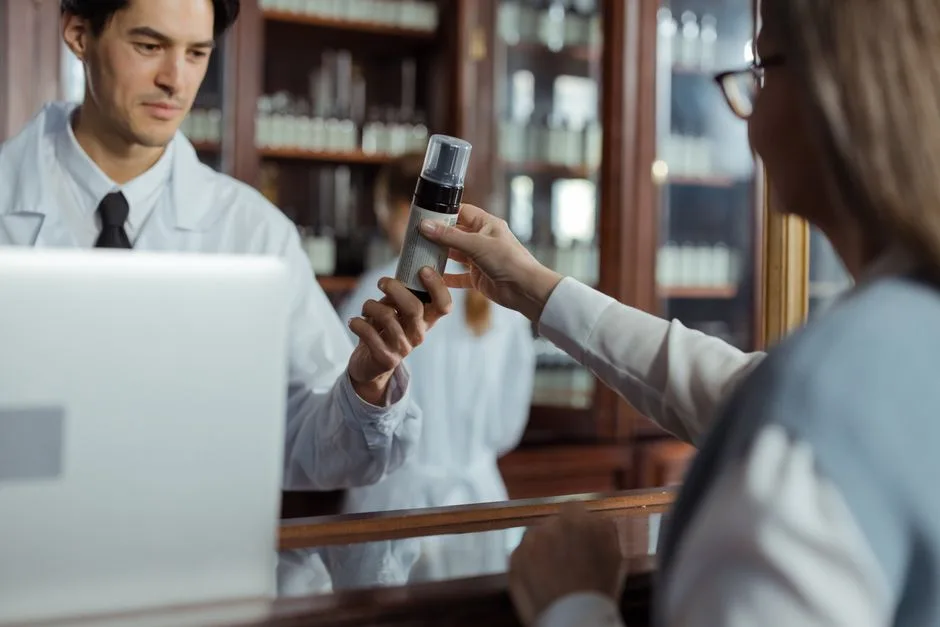
A tense moment at the counter — and what happens next
I once watched a travelling friend hand a crumpled photocopy of a U.S. prescription to a young pharmacist in São Paulo. The pharmacist scanned it, frowned, asked for ID, and then explained — gently, in Portuguese — that for that particular sleep medication she needed a special Brazilian prescription and the pharmacy would have to keep a copy. My friend’s face sank. She needed that pill for the flight. So do not be that friend.
Every foreigner who spends time in Brazil eventually stands at a farmacia counter, hearing the word “receita.” The good news: most everyday things — pain relievers, allergy drops, antacids, oral rehydration salts — are straightforward. The tricky part is the controlled drugs: psychotropics, certain strong painkillers, and some sleep and anxiety meds. Those require specific paperwork and different handling depending on the pharmacy and the city.

First rule: learn the three simple Portuguese phrases
Say these out loud before you need them. They’ll save you time and a little embarrassment.
- “Eu preciso de [medication name], por favor.” (I need [medication name], please.)
- “Tem sem receita?” (Do you have it without a prescription?)
- “Posso pagar com cartão / PIX / dinheiro?” (Can I pay by card / PIX / cash?)
When you show a prescription, add: “É receita do meu médico” (It’s my doctor’s prescription). If the pharmacist asks for ID, hand your passport and, if you have one, your CPF. Don’t panic if they ask for CPF — lots of pharmacies request it to issue the receipt, though a passport usually suffices for purchase.
What’s sold over the counter — and what’s not
Brazilian pharmacies split medicines into two rough groups: non-prescription (OTC) and prescription-only. OTC includes common analgesics, antipyretics, many cold remedies, topical creams, and basic antacids. These are easy: point, ask for the generic if you want to save money, pay, and go.
Prescription-only drugs are the ones to watch. They include antibiotics, stronger anti-inflammatories, many inhalers, and any medication flagged with a visible stripe on the box. The stripe matters: a red stripe usually marks a prescription-only package; a black stripe denotes stricter control — the so-called tarifa preta — for substances that are potentially addictive or heavily regulated. For those, the pharmacy will often require a special prescription form and keep a record.
What this looks like in practice: if a local doctor wrote you an antibiotic prescription, the pharmacist will accept it, copy it into their registro, and sell the medicine. If your foreign prescription is handwritten or in English, expect a second look; most pharmacists will accept it as long as the drug is clearly identified, but some will ask you to bring a Brazilian doctor’s prescription for controlled drugs.
Controlled medications: how pharmacies treat them
Controlled medications — benzodiazepines, certain stimulants, some opioids — are handled differently across Brazil. In major cities the pharmacy staff understand foreign travelers; in smaller towns they’re more cautious. When you need one of these, the shop will usually:
- Ask to see the prescription and a photo ID and make a copy.
- Note the date and the prescribing physician on their sales book.
- Sometimes retain the original prescription if the law or their policy requires it.
If your medication is a chronic therapy — say, a benzodiazepine you take daily — bring a detailed printout from your doctor (on letterhead) and the pharmacy will be more likely to help. Still, some controlled meds are near-impossible to refill abroad without a local prescription. My advice: bring enough supply for the trip and a backup plan.
How I travel with prescriptions — practical, tested steps
I don’t travel to Brazil without a small protocol. It’s practical, fast, and avoids drama:
- Original prescription(s), on the doctor’s letterhead when possible. Typed is easier to read than handwriting.
- A translated copy in Portuguese for anything you expect to replace locally. I have my GP email a one-paragraph translation; that usually helps the pharmacist and any doctor I see here.
- Medication labels and boxes from home, if you’re bringing pills. Keep everything in original packaging.
- Enough supply to cover the trip plus a reasonable buffer — do not rely on local refills for controlled meds.
- A passport photocopy and a digital photo of your prescription on your phone for quick sharing.
Pharmacies are surprisingly helpful when you show them organized paperwork. If you present a clear, dated note from your physician indicating diagnosis, dose, and treatment length, most urban pharmacists will do their best to help — even if they have to refuse on legal grounds.
Generic vs. brand-name: the money-saving trick locals use
Brazil has a strong generic market. Generic medicines are labeled with the word “Genérico” and are legally required to have the same active ingredient, dosage, and efficacy as the brand-name drug. If a pharmacist offers a generico and you’re comfortable, take it. It’s often cheaper and widely trusted.
Ask explicitly: “Tem o genérico?” If the box has a symbol that says “genérico,” the formulation is equivalent. I often request the generic for simple aches or allergies. For complex drugs — certain thyroid meds or psychiatric drugs — stick with what your doctor prescribed unless your physician says a switch is safe.
Where to find a pharmacy at odd hours
Brazilian cities have a nightlife of their own — and so do pharmacies. Many drugstores in large cities run late and some are open 24 hours. If you arrive at midnight with a stomach bug, head to a larger street or a hospital district; chains and big drogarias cluster there. In smaller towns, expect limited hours and a more personal service from the single local pharmacy that’s been run by the same family for years.
Paying, loyalty programs, and PIX
Cash is accepted almost everywhere, but card payments are standard. Many pharmacies accept credit and debit cards, and an increasing number accept PIX — Brazil’s instant payment system — which is handy if you’re splitting a bill or want to avoid hefty foreign card fees.
Pharmacies often run loyalty programs and discount cards. As a foreigner, you can still benefit: ask the cashier if they have a “cartão fidelidade” or a discount coupon. There’s no shame in asking for the generic, comparing prices at nearby stores, or waiting a few hours to travel to a larger shop if the cost difference is significant.
Pharmacists in Brazil: more than a till operator
I’ve relied on Brazilian pharmacists more than once when I didn’t want to see a doctor for a small issue. They’re trained professionals — “farmacêuticos” — and often the first line of care. They’ll ask about symptoms, check possible interactions, and recommend an OTC solution when appropriate.
That said, for anything that sounds serious — breathing difficulty, chest pain, or signs of infection — go to an emergency room. A pharmacist can help with coughs, minor allergic reactions, and recommending sunscreens or insect repellents, but they’re not a substitute for clinical diagnosis.
When a pharmacy refuses to sell — what to do
Pharmacies refuse sales for two main reasons: legal restriction or stock shortage. If they say no because of paperwork, don’t argue. Ask if they can recommend a nearby clinic, or if they accept a doctor’s note in Portuguese. If the issue is stock, ask them to order it or check another large drogaria in the area.
Be ready for an honest “no.” In one inland town I visited, an antibiotic was simply not available that day; the pharmacist suggested a public health clinic two blocks away where I could get the correct treatment after a quick consult. Follow their lead; Brazilians rely heavily on the public health system (SUS) in these situations, and it’s a valid option for non-urgent care.
Vaccines, tests, and services at pharmacies
Pharmacies in Brazil have expanded into healthcare services. Many offer flu shots, travel vaccines, rapid antigen tests, and even basic health checks like blood pressure measurements. If you need a quick vaccine or a travel-related shot, ask the pharmacist whether they administer immunizations — they will often either provide it in-house or point you to the closest clinic.
Language tricks: naming medications in Portuguese
Medicine names can differ. Brand names rarely translate; the safe method is to know the active ingredient. Learn the Portuguese term for common active ingredients and use it: paracetamol (paracetamol), ibuprofen (ibuprofeno), amoxicillin (amoxicilina), loratadine (loratadina). If you only have a brand name, show the package photo on your phone. Pharmacists are used to that and will find the equivalent.
Emergency travel scenario: what I did when my antibiotics ran out
Two years ago in Recife, my friend ran out of antibiotics mid-trip. We had a typed prescription from the original physician but it was in English. The local pharmacist accepted the prescription after we translated it on the spot using a printed summary from the doctor’s office plus a Portuguese translation line for line. They took copies of passports, entered our details into their book, and sold the antibiotics. It wasn’t effortless, but being organized and calm helped.
If you find yourself without a prescription for something necessary, your best bet is a walk-in clinic or urgent care where a local doctor can evaluate and write a Brazilian prescription the pharmacy will accept.
Tips for long-term medications and chronic conditions
If you’ll live in Brazil, registering with a local doctor is worth the effort. They’ll write prescriptions on the proper forms for controlled meds and coordinate with pharmacies to set up repeat dispensations. For short trips, get an extended supply before you fly. For stays longer than a month, find a doctor who speaks English or a good translator app to create a proper local medical record.
How pharmacies handle antibiotic sales — the reality
Antibiotics are treated seriously. Unlike the laissez-faire days decades ago, Brazilian pharmacists usually request a prescription for antibiotics. You will not generally find someone selling a full course off the shelf without a prescription. If a salesperson tries to offer single tablets or informal advice, be cautious. Trustworthy pharmacies either ask for a prescription or direct you to a doctor who can evaluate you. That’s a good thing: it reduces misuse and helps avoid antibiotic resistance.
Practical packing list for medicines when traveling to Brazil
Pack this in your carry-on, and you’ll thank yourself later:
- Original prescriptions and translations.
- Enough of each chronic medication for the trip plus a small buffer.
- Basic travel kit: antidiarrheal, oral rehydration sachets, pain reliever, antihistamine, insect bite cream, motion-sickness pills if you need them.
- Small letter explaining any controlled substances you bring, on your doctor’s letterhead.
- Digital backups: scans of prescriptions and doctor’s contact info in cloud storage.
How cultural expectations affect your pharmacy encounter
In Brazil, people are used to interacting with pharmacists beyond simple transactions. Bring a friendly attitude, answer questions honestly about allergies and other medications, and you’ll get far more helpful service. Brazilians value politeness and rapport; a little small talk in Portuguese — even as simple as “bom dia” or “obrigado” — softens the interaction.
When you should go straight to the public health system
If your problem is more than minor — fever with rash, difficulty breathing, severe abdominal pain — head to a SUS clinic or hospital. Pharmacies are convenient, but they are not emergency rooms. For serious issues, the public health network is designed for acute care and will be more appropriate than any drugstore quick fix.
How to handle a refusal politely — exact phrases
If the pharmacist refuses, try these lines. They are polite and effective:
- “Entendo. Onde posso conseguir isso?” (I understand. Where can I get this?)
- “Aceitam receita de outro médico?” (Do you accept a prescription from another doctor?)
- “Tem alguma clínica perto que recomende?” (Is there a clinic nearby you recommend?)
What surprised me about Brazilian pharmacies
Pharmacies are community hubs. They sell everything from sunscreen to baby formula to travel-sized toiletries. The staff will often give practical advice without judgment and sometimes recommend a local public clinic for prescriptions you can’t replace. In small towns you’ll meet the same faces; in big cities, you’ll notice late-night pharmacies bustling when everything else has closed.
Final, concrete takeaway
Bring clear paperwork, know a few Portuguese phrases, and keep your expectations practical: OTC items are simple, generics save money, and controlled drugs usually require formal prescriptions and ID. If you prepare the small packet of documents and pills I described, you’ll avoid most headaches. If a pharmacy says no, ask calmly for alternatives — a clinic, a different store, or a translation of your doctor’s note. That one extra step has saved me more times than I can count while living and traveling in Brazil.