
Why Brazil is one of the best classrooms for ocean lovers
brazil’s coastline and offshore waters host an astonishing variety of marine life: sea turtles trudge across beaches, humpback whales migrate into warm breeding grounds, coral gardens grow on rocky shelves, and mangrove forests cradle juvenile fish. For a foreigner who wants hands-on conservation experience, Brazil offers sites where you can learn field techniques, work with local communities, and contribute to long-term research or restoration projects.
What kinds of volunteer work actually happen on Brazilian coasts
Volunteering in Brazil’s marine sector isn’t a single activity — it’s a suite of practical roles. Expect to find opportunities in these areas:
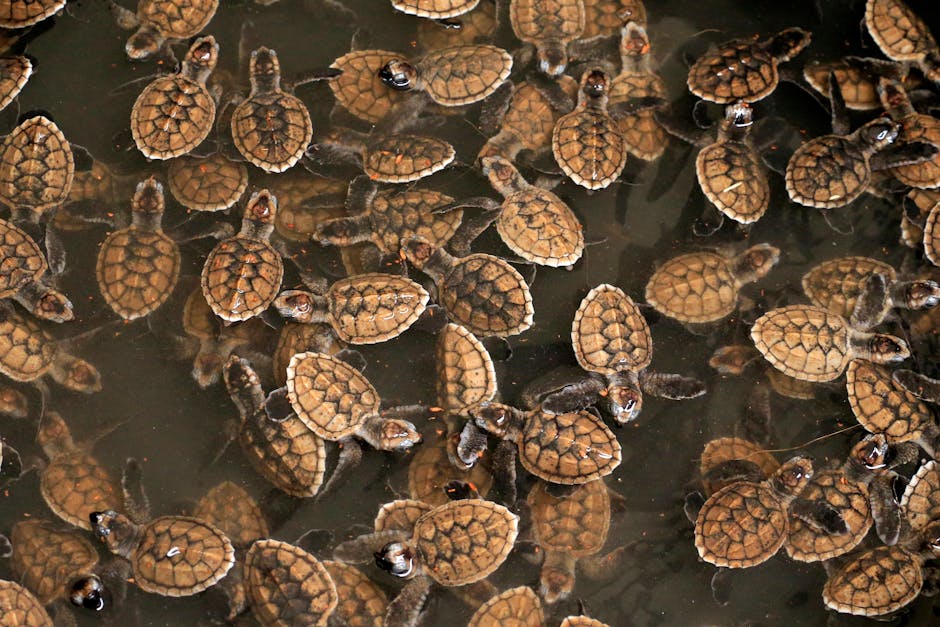
- Sea turtle monitoring: beach patrols, nest identification, hatchling releases, and data recording.
- Marine mammal research: boat-based surveys, photo-ID of whales and dolphins, and acoustic monitoring assistance.
- Coral and reef work: reef health surveys, coral transplantation or microfragmentation support, and snorkeling-based monitoring.
- Mangrove and estuary restoration: planting propagules, removing invasive plants, and water-quality monitoring.
- Marine debris removal and citizen science: organized beach cleanups, debris audits, and community awareness projects.
- Community outreach and environmental education: running school visits, creating bilingual materials, and training local guides on responsible tourism.
- Data analysis and remote support: transcription of field notes, GIS mapping, and photo sorting for scientific teams — useful for people who prefer short-term remote contributions before travelling.
Where to go: hotspots and what you’ll actually do there
Brazil is large, so choose a region that matches the species or habitat that excites you.
Bahia and the Abrolhos Archipelago
Bahia’s southern coastline and the Abrolhos region are prime for humpback whale work and reef projects. Volunteer roles often include shore-based monitoring of whale presence during the breeding season, assisting on small research boats, and participating in reef surveys around the archipelago’s coral formations. Community outreach in coastal towns tends to focus on sustainable tourism and bycatch reduction.
Praia do Forte and the Projeto TAMAR network
Projeto TAMAR is Brazil’s most visible sea turtle conservation effort, running local centers along the coast. Visitor-facing centers combined with beach-monitoring teams create a mix of education and fieldwork: you might help maintain exhibition areas, work with school groups, or join nighttime patrols during nesting peaks. Many TAMAR bases collaborate with volunteers, universities, and local fishermen.
Fernando de Noronha and Atol das Rocas
These oceanic islands are internationally significant; work here tends to be research-focused and tightly regulated. Volunteers who join university-led projects or accredited research programs can assist with marine mammal photo-ID, reef monitoring, and protected-area management tasks. Expect strict entry requirements and limited placements because these areas are highly protected.
Santa Catarina, Rio Grande do Sul and southern coast
Southern Brazil hosts projects on southern right whales, dolphin monitoring, and kelp-forest research. Volunteers may participate in shore-based surveys during whale seasons, help with rescue and stranding response training, or support dive-based surveys of subtidal habitats.
Northern coast and Amazon estuary (Pará, Maranhão)
The northern littoral and estuarine zones offer mangrove restoration, river- and coastal-dolphin studies, and community-based fisheries work. Expect muddy boots, long low-tide surveys, and close collaboration with riverine communities who depend on those estuaries for food and transport.
Timing matters: seasons, peak activities, and what to plan for
Seasonality shapes what you’ll do. Sea turtle nesting peaks at different times depending on latitude — in many northeastern and southeastern sites nesting concentrates in the warmer months — and volunteers should plan to be present for several weeks at minimum to be useful. Whale research aligns with migration and breeding seasons, when animals concentrate in shallow coastal and archipelago waters. If you want to participate in coral work, avoid the roughest months and choose the local dry season for clearer water and safer dives.

How placements usually work and what they cost
Expect a spectrum. Some university-led research groups accept unpaid volunteers or interns who cover their own transport and accommodation. Other NGOs operate a program-fee model where volunteers pay for housing, training, and a contribution to project costs. Fees help cover boats, equipment, and staff supervision but ask for a detailed budget: transparent programs itemize lodging, meals, field transport, and how much goes directly to conservation work.
Application processes vary. Most require a CV, a short motivation statement, and references; some prefer volunteers with specific skills (diving certifications, data-entry experience, Portuguese language ability). For research-focused roles, leaders often prefer multi-week to multi-month commitments. Short stints make sense for outreach or single-event cleanups, but sustained ecological monitoring demands continuity.
Visas, legalities, and health considerations
Visa rules change, so check the nearest Brazilian consulate before you travel. Unpaid volunteering can still involve legal and tax considerations, and some protected areas require research permits obtained through Brazilian agencies. Programs that coordinate volunteers should help with permit paperwork; if they don’t, ask why.
Health-wise, some coastal and Amazon-adjacent regions recommend vaccinations or prophylaxis. Consult a travel clinic for updated advice on yellow fever, hepatitis, tetanus, and mosquito-borne disease precautions. Travel insurance that covers medical evacuation and dive accidents is essential if you’ll be on boats, snorkeling, or SCUBA diving.
Language, culture, and working respectfully with communities
Portuguese is the working language of almost every project. Even basic phrases go a long way. Learn greetings, numbers (for data entry and counting nests), and simple environmental vocabulary. Cultural respect matters: many conservation programs work because they build trust with local fishers, schoolteachers, and municipal authorities. Show up curious, learn from local knowledge, and don’t assume Western methods always fit—co-design and listen.
Ethics and avoiding common voluntourism traps
Good conservation prioritizes animal welfare, science, and community benefit. Red flags include organizations that allow volunteers to handle animals without documented training or oversight, programs that promise dramatic rescue stories primarily for marketing, and groups that lack clear data-sharing practices. Ask how the project measures impact and where long-term funding comes from. If a program focuses more on photos for social media than on standardized data collection, ask hard questions.
What to pack and practical field tips
Packing depends on the type of work and region, but some essentials apply across the board: a lightweight waterproof notebook and field pens, quick-dry clothing, reef-safe sunscreen, a wide-brim hat, closed-toe water shoes for rocky shores, and a sturdy daypack. If you’ll dive, carry copies of certifications and recent medical clearance. Bring reusable water bottles and gear to minimize plastic waste.
How to evaluate a program before you commit
Spend time vetting. Ask for a sample daily schedule, recent project reports, and the contact details of past volunteers you can speak to. Check whether the organization partners with Brazilian universities, municipal bodies, or national conservation agencies — those partnerships often indicate legitimacy. Make sure the program provides clear training, safety briefings, and a point of contact for emergencies.
Practical travel logistics inside Brazil
Travel within Brazil can be long. Coastal hubs like Salvador (Bahia), Recife (Pernambuco), Florianópolis (Santa Catarina), and Natal (Rio Grande do Norte) are common entry points for conservation field sites. Domestic flights save time but book early in high season. Buses are cheaper and often comfortable for overnight trips. For island projects, expect additional boat or small-plane transfers. Factor local transport time into your schedule—arrivals late at night complicate first-day briefings.
Making the most of your time: skills that multiply your impact
Certain skills make you immediately more useful. Basic Portuguese, first-aid training (including marine-related first aid like handling jellyfish stings), boat-safety knowledge, and data-entry or spreadsheet skills are valuable. Certified divers with experience in underwater surveys are in high demand for coral and reef projects. Non-technical strengths—teaching, video documentation, and fundraising—also translate directly into better outreach and project sustainability.

Stories of contribution: small efforts that matter
Long-term monitoring programs rely on consistent data. A volunteer who helps count nests for a single season contributes to larger trend datasets; a well-run beach cleanup that includes debris auditing helps municipalities identify plastic sources and adjust waste management. Even volunteer translators who help produce clear educational materials can improve local outreach. Expect your role to be a piece of a bigger puzzle rather than a one-person miracle.
Where to look for placements and trustworthy partners
Start locally and work outward. Search for Brazilian NGOs with clear Portuguese websites, university marine science departments, and state environmental agencies (IBAMA and ICMBio manage many protected areas and sometimes partner with researchers). Recognized projects like sea turtle conservation networks and regional whale-research groups are good starting points; contact local branches directly. For more commercial volunteer brokers, vet them carefully — reputable platforms give transparent budgets and local contact points.
Preparing mentally and setting realistic expectations
Fieldwork is rarely glamorous. Long days, early mornings, and weather setbacks are common. Data collection involves repetition and patience. Embrace the rhythm, and set personal goals: improving Portuguese, learning a specific survey technique, or leading a single school workshop. These realistic objectives produce tangible learning and help projects extract maximum value from your time.
How volunteer experience can shape future opportunities
Quality field experience in Brazil opens doors. Volunteers who demonstrate reliability and technical skills often receive references for graduate programs, conservation jobs, or remote research collaborations. For foreigners, building strong ties with Brazilian supervisors and community partners is doubly beneficial because local networks matter when applying for research permits, internships, or longer-term roles.
Next steps: planning a meaningful conservation trip to Brazil
Decide what matters most to you—species, habitat, or type of work—and map that to seasons and regions. Start conversations with prospective projects at least two to three months before travel for short placements, and longer for research internships that need permits. Be explicit about your availability, physical limits, and skills. Good programs appreciate clear communication; they’ll help you match your expectations to realistic tasks and ensure both your safety and the project’s scientific integrity.
Helpful final reminders
Pick programs that show clear impact, invest in community relationships, and respect Brazilian laws and cultural norms. Come prepared to listen and learn, not to lead. When you return home, share what you learned in ways that amplify local voices and raise funds or awareness for long-term partners on the ground. Marine conservation in Brazil is a marathon, not a sprint — contribute patiently, responsibly, and with humility.