
Acre’s unexpected welcome
Acre sits at brazil‘s far western edge, where the amazon seems to gather itself and slow down. From the airplane window the first thing you notice is not endless flatness but the dense, layered green that folds into rivers and small towns. The state’s capital, Rio Branco, is the practical doorway for most visitors, but the real discoveries happen off the main roads — along rivers, in extractive reserves, and in mountain valleys at the border with Peru.
Acre’s identity is shaped by two threads you feel as soon as you arrive: the legacy of rubber extraction, still visible in conversations and crafts, and a living Amazon ecosystem that local people manage every day. That combination makes Acre different from a standard Amazon tourist checklist. It’s less about boat-based lodges catering to international groups and more about low-scale, community-rooted experiences where you really get to know how people live with the forest.
Practicalities: getting there, getting around, and timing your trip
Most international visitors will connect through a major Brazilian hub (Brasília, Manaus, or São Paulo) and fly into Rio Branco (Plácido de Castro International Airport) or, if heading west, into Cruzeiro do Sul. Domestic flights are the easiest way to cross Acre’s long distances. From those cities, river travel picks up where roads end: regular riverboats and small launches link many riverine communities, but schedules are flexible and can change with the seasons.
Travel in Acre is seasonal in a way that matters. The rainy season usually runs roughly from November to April. Rivers rise and some dirt roads turn to red mud; at the same time, boat travel becomes easier and the rainforest hums with activity. The drier months (May through October) make overland trekking and access to highland trails in places like Serra do Divisor more comfortable. Plan your activities around what you want to see — birdwatching and canoe trips are wonderful year-round, but consider the water level if you’re hoping for long river journeys.
Health and paperwork: Brazil requires a passport for entry and, depending on your country, a visa. Vaccinations are a common topic: yellow fever vaccination is recommended for Amazon travel and often required for entry into certain protected areas. Malaria risk varies by location; consult a travel health clinic before you go and carry insect repellent and a good mosquito net if you’ll stay in small river lodges. Cash is king in remote communities; Rio Branco’s ATMs handle withdrawals, but small towns and community-run lodges may accept only cash.
River paths and canoe culture
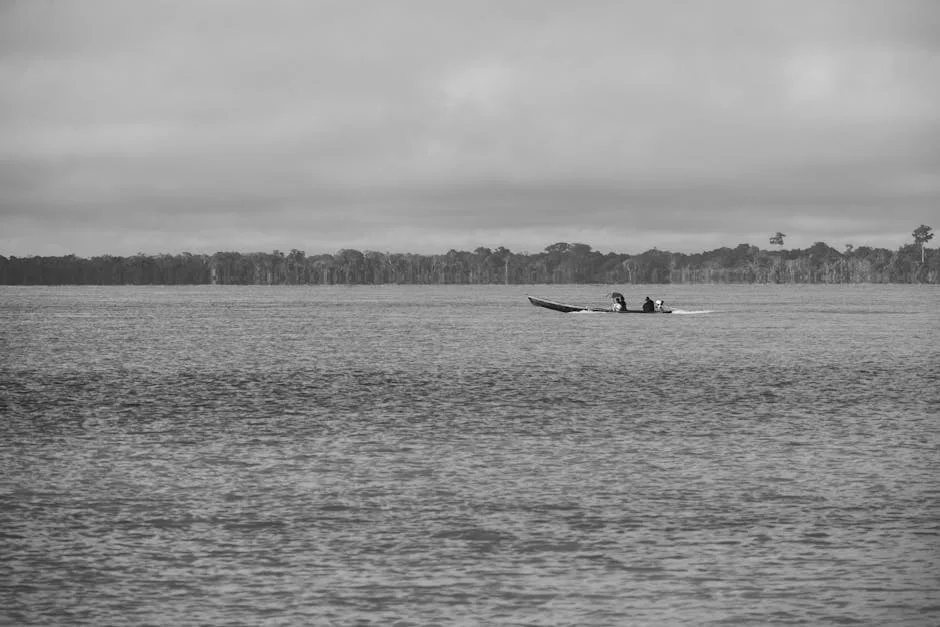
Rivers are highways in Acre. Traveling by boat is not a romantic aside — it’s how people move goods, visit relatives, and access markets. When you join a canoe trip, the rhythm of travel changes. Engines chatter softly and the forest closes in: tiny beaches appear, children wave from makeshift docks, and fishermen check nets along dead tree trunks. Local guides navigate by memory — bends, sandbars, and the seasonal markers only they notice.
Staying in family-run river lodges or community guesthouses gives you time to notice small details: the way fish are smoked on open grills, the smell of fresh manioc dough frying for breakfast, or a shy river otter slipping between roots. Overnight river travel on larger boats is common between towns: it’s slower than flights, but it’s honest transport that connects you with everyday life. If you want a quiet, immersive experience, book a multi-day canoe journey with a trusted local operator and bring compact luggage; space in small boats is limited.
Small towns where history and hospitality meet
Beyond Rio Branco you’ll find towns that deserve more attention than their size suggests. Cruzeiro do Sul, the state’s second city, has a jovial riverside life and serves as a gateway to Serra do Divisor. Sena Madureira and Feijó are quiet market towns where you can buy homemade farinha (manioc flour), freshly smoked fish, and colorful handcrafts made from seeds, fibras, and natural dyes.
Xapuri is essential for anyone curious about Acre’s social history. The town is closely tied to the story of Chico Mendes, a rubber tapper and environmental activist whose work in the 1970s and 1980s linked forest conservation with the livelihoods of traditional communities. Today, Xapuri is a place to listen: local guides, seringueiro families, and community organizers will explain how extractive reserves work and how local practices protect both people and forest resources.
Food in Acre favors Amazonian staples. Expect manioc in many forms — farinha, farinha d’água, and farinha de tapioca — alongside grilled river fish, and sweet treats based on fruit like cupuaçu and açaí. Markets in Rio Branco and small-town feiras are the best places to taste local products and practice a few Portuguese phrases; people appreciate basic attempts to greet and thank them in their language.
Serra do Divisor and other wild places you’ll want to hike
If you chase landscapes different from lowland floodplain, head to Serra do Divisor National Park in western Acre. This protected area folds rainforest into rocky ridges and deep valleys, creating microclimates and waterfalls that surprise you in the middle of the Amazon. Trails here are less like manicured paths and more like routes once used by indigenous hunters and rubber tappers — expect uneven ground, wet sections, and the kind of quiet that makes bird song feel loud.
Getting to Serra do Divisor usually involves a trip from Cruzeiro do Sul and a combination of road and river travel. Permits and local guides are required for most park visits; that’s a good thing, because learning the land from someone who grew up with these ridgelines makes hikes safer and richer. Guides point out medicinal plants, seasonal fruits, and traditional stories tied to specific rock formations and streams. Trekking in Serra do Divisor is not a luxury hike — it’s a low-impact, guided immersion into landscapes that still feel newly explored.
Chico Mendes, extractive reserves, and community tourism
The phrase “extractive reserve” is central to Acre’s identity. These reserves are areas where local people — seringueiros, riverine communities, and indigenous groups — have rights to sustainably harvest forest products while protecting the land from destructive commercial exploitation. The model grew from local struggles in the 1970s and 1980s and continues to be a working example of community-led conservation.
Visiting an extractive reserve often means a slow, up-close cultural exchange. Stay with a seringueiro family and you may learn how latex is tapped, see rubber trees marked for safe extraction, and taste a morning porridge mixed with freshly grated manioc and local fruit. Community tourism programs pay for guides and conservation work while returning income directly to households. That makes your trip meaningful at the local level — not merely a sightseeing expense, but a connection that supports livelihood and forest stewardship.

Photo by Srattha Nualsate via Pexels
Wildlife encounters: birds, dolphins, and the small surprises
Acre’s wildlife is most visible when you slow down. Early mornings yield a cloud of macaws in the canopy, pairs of tanagers flashing color in the midstory, and woodpeckers that tap like distant percussionists. Many lodges and community guides build birdwatching into multi-hour walks and sunrise trips. Bring a decent pair of binoculars and a field guide that covers western Amazon species; local guides will give you names in Portuguese and explain seasonal patterns.
River dolphins — the pink botos of the Amazon — are present in many tributaries. Seeing them requires patience and respect: they surface intermittently, curious but not tame. Night canoe trips offer a different set of encounters. With a quiet engine and a headlamp low, you watch caimans’ eyes reflect back like beads on the water, and frogs call from the flooded forest. Night trips require care: wear insect repellent, expect humidity, and choose guides with experience in nocturnal river safety.
Common wildlife sightings also include capuchin and howler monkeys, sloths, and an enormous diversity of insects and butterflies. Big cats like jaguars are present in the broader Amazon but sightings in Acre are rare; it’s better to focus on the abundant, smaller encounters that reveal how a functioning rainforest operates.
Practical tips for responsible travel and what to pack
Travel responsibly in Acre means thinking ahead. Respect local rules about where to walk, ask before photographing people, and buy handicrafts and produce directly from sellers. Avoid single-use plastics: bring a reusable water bottle and purification tablets, because many lodges expect guests to minimize waste. If you visit extractive reserves or indigenous territories, coordinate through approved community tourism programs — they provide fair compensation to hosts and ensure you follow local protocols.
Packing checklist: lightweight long-sleeve shirts and pants for mosquito protection; quick-dry clothing; a rain jacket; sturdy but flexible footwear for riverbanks and muddy trails; binoculars and a headlamp; a small first-aid kit; and waterproof bags. Sunscreen and high-SPF lip balm are useful along exposed river beaches. Electrical outlets can be limited in remote lodges; a portable power bank is invaluable.
Language matters. Portuguese is the working language; a handful of Portuguese phrases goes a long way. Try “bom dia” (good morning), “obrigado/a” (thank you), and “posso tirar uma foto?” (may I take a photo?). People in Acre are used to visitors who speak little Portuguese, but effort earns goodwill and invitations that turn a simple visit into a real conversation.
Where to start your own Acre story
Most visitors begin in Rio Branco with a day or two to acclimate. The city has cultural spaces, local markets, and restaurants that highlight Acrean flavors. From there, choose an axis: head northwest to Cruzeiro do Sul and Serra do Divisor for rugged landscapes, or follow river routes south and west to discover riverside communities and extractive reserves. Whichever path you choose, favor slower itineraries over trying to see everything. Acre rewards travelers who linger.
Plan to bring back memories, photographs, and handicrafts — not souvenirs that undermine local economies. Consider donating a small amount to a community school or conservation project if you’re inspired by your visit; ask local leaders how to give in a way that fits community priorities. Travel can be an exchange rather than an impression.
Final practicalities before you go
Book lodges and guides in advance if you’re traveling during the dry season; local capacity is limited and good operators fill up. Check health advisories, especially related to vaccinations and seasonal disease risk. Make copies of important documents and leave an itinerary with someone at home, but also allow room for the unexpected: a last-minute river detour, a village festa, or an extended birdwatching morning are the stories you’ll remember.
Acre will not always fit neatly into a travel checklist. It slips under patterns and surprises you with small, human moments — a cup of coffee with a seringueiro on an early riverbank; a children’s soccer game in a dusty town square; a late-afternoon chorus of birds that fills a valley. Those are the hidden gems: honest experiences that change the way you think about the Amazon and the people who call it home.