
Why Paraíba deserves a spot on your Brazil map
Paraíba sits along brazil’s Atlantic edge, a compact state that balances broad sandy beaches with surprising pockets of history and a warm, unpretentious vibe. If you’re drawn to coastal towns where fishermen still mend nets at dawn, palm-lined cliffs that drop into turquoise water, and inland cities that throw one of the country’s most exuberant festivals, Paraíba delivers. It’s less crowded than some better-known brazilian beach states, which means more authentic rhythms—local markets, family-run pousadas, and regional dishes that feel like home-cooking.
João Pessoa: the capital where the day begins at the East
Start in João Pessoa, the state capital, where the coastline curves into a series of accessible beaches and the city’s historic heart sits a short walk from the shore. Stroll along the modern waterfront promenade that links Tambaú and Cabo Branco, and you’ll find kiosks selling fresh coconut water, street vendors with tapioca crepes, and early-morning joggers watching fishermen bring in their catch.
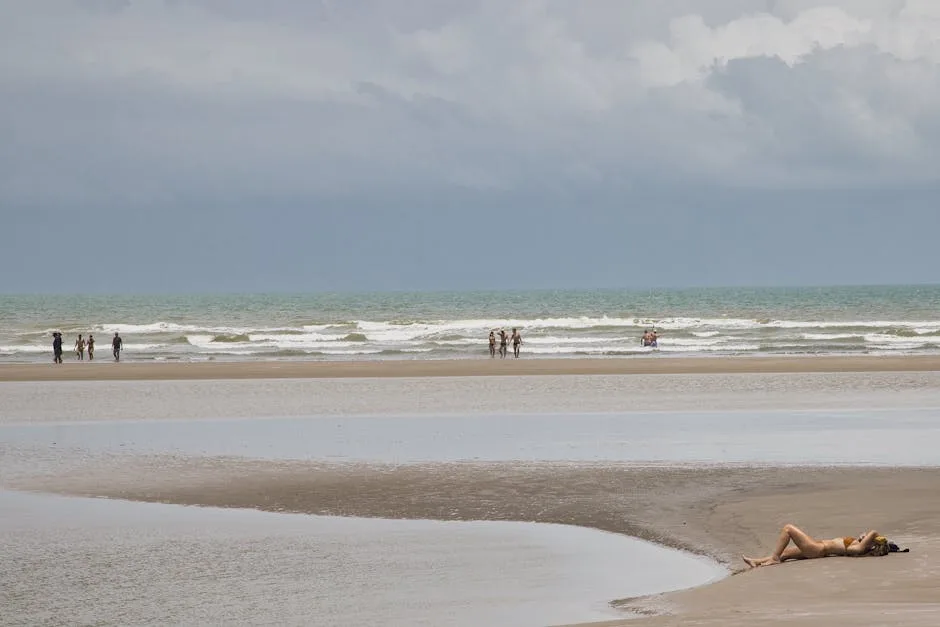
One of João Pessoa’s most photographed experiences is Areia Vermelha, a sandbar that appears at low tide a few hundred meters off Cabo Branco. Boats shuttle visitors out to the sandbank where you can wade in shallow, clear water and look down at little reefs and fish. It’s a simple, luminous scene—perfect for a slow morning of snorkeling or lounging on a towel while the tide tick-tocks back toward the sea.

Walk inland a little and you’ll hit the Centro Histórico: baroque churches, colonial façades, and plazas that feel quietly lived-in rather than staged for tourists. Don’t miss the white, curving structure of Estação Cabo Branco — a cultural center designed by Oscar Niemeyer. Nearby, Farol do Cabo Branco marks Ponta do Seixas, the easternmost point of the South American continental landmass. Sunrise here is literal: it’s the first place the sun touches the continent most days.
Beaches to linger at, from Tambaú to Coqueirinho
Tambaú and Cabo Branco are great bases if you want convenience: hotels, restaurants, and a lively artisan market (Feirinha de Tambaú) where you can buy woven bags, lacework, and regional sweets. Tambaú’s water is calm enough for a morning swim, while waves pick up a touch farther south.
Head 20–30 kilometers south to find postcard-perfect beaches with cliffs and coconut palms. Coqueirinho is famous for its dramatic cliffs and clean water; small kiosks serve grilled fish while you sit under a palapa. A few kilometers beyond lies Tambaba, noted for a separated naturist section as well as a conventional beach area—a unique, sometimes surprising experience that draws curious travelers and locals alike. The beachscape around Conde blends dramatic rock formations with gentle bays, ideal for both photographers and families.
Snorkeling, reef pools, and the Atlantic’s quieter life
Paraíba’s coastal reef systems create pockets of calm and great snorkeling close to shore. Picãozinho, a small coral formation north of João Pessoa, appears at lower tides and forms natural tide pools filled with colorful fish—boat trips depart from the nearby beaches. The water here is warm and clear; bring a mask and you’ll spend happy hours spotting parrotfish, small wrasses, and bright juveniles darting between coral heads.
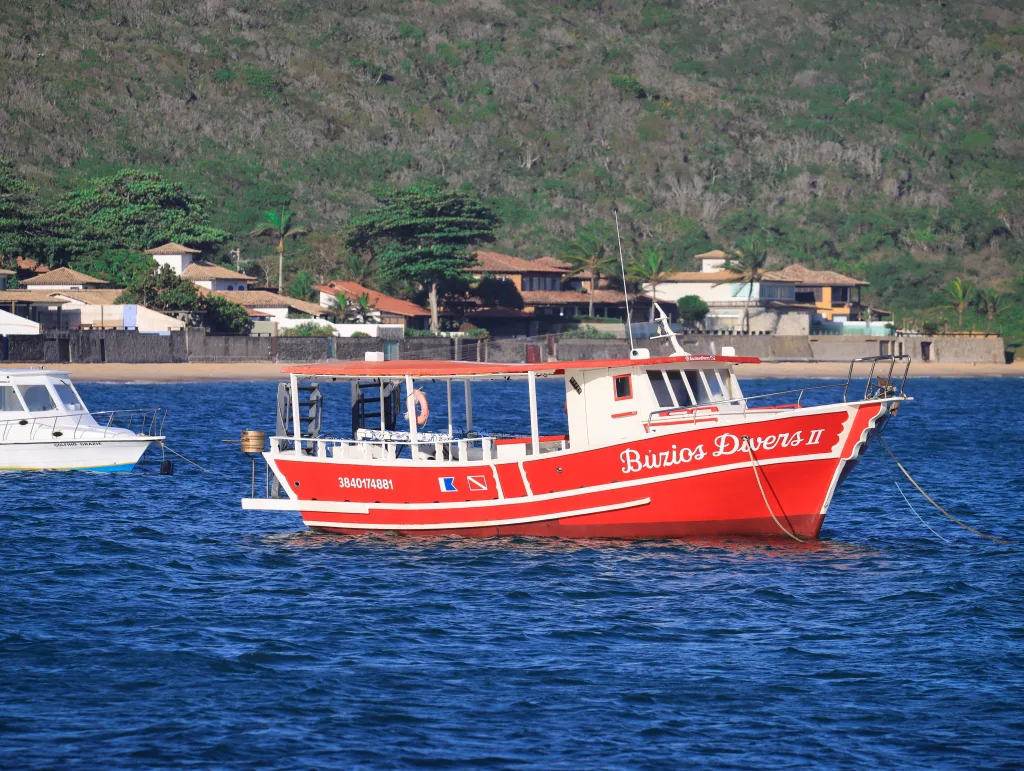
Boat trips to reefs or to the sandbar at Areia Vermelha are an easy way to see more than the shoreline. Local boatmen are used to guiding visitors; ask them about seasonal jellyfish or stormy currents and they’ll advise the safest times to head out. If you like to dive deeper, there are operators offering scuba excursions to explore submerged reefs and gradual drop-offs off the Paraíba coast.
Sunset saxophone and riverside ritual
One of Paraíba’s most atmospheric moments happens at Cabedelo’s Praia do Jacaré, where crowds gather at the river’s edge for a very specific ritual: as the sun sinks, a saxophone player performs Moor’s Bolero, creating a slow, almost cinematic pause to the day. People sit on the sandbanks or along the promenade, sipping beers and watching the sky bruise into color. It’s a simple but electrifying local tradition—part street performance, part communal moment—and a reminder that local culture in Paraíba is often lived outdoors, close to the water.
Campina Grande: inland heat and São João revelry
Venturing inland to Campina Grande introduces a different Paraíba: the sertão’s influence mixes with city energy, and June explodes into one of Brazil’s largest São João festivals. Campina Grande bills itself as the “Maior São João do Mundo,” and the city fills with forró music, quadrilha dances, colorful flags, and regional food stalls every June. The festival is loud, communal, and joyful—an unmissable way to experience northeastern Brazil’s music, dance, and food culture together.
Outside of festival season, Campina Grande still rewards visitors with lively markets, historic squares, and a chance to taste carne de sol served with macaxeira (cassava) and manteiga de garrafa, a salted butter common in the Northeast. It’s an earthy, robust cuisine shaped by centuries of inland cooking traditions.
What to eat: small plates, big flavors
Food in Paraíba is coastal and coastal-adjacent: expect a lot of seafood and cassava alongside preserved flavors from inland life. Order tapioca pancakes filled with shredded coconut and queijo coalho for breakfast or a late snack. For lunch, try peixe frito (fried fish) with rice, beans, and farofa, or a shrimp stew in coconut milk if you’re feeling indulgent.
Carne de sol (salted, sun-dried beef) is a regional staple—served with baião de dois or fried cassava, it’s hearty and designed to fuel long days. Finish with sweets like cocada (coconut candy) or rapadura (unrefined cane sugar blocks) sold at local markets. Coffee is strong, and afternoon cachaça or locally flavored liqueurs show up at small bars and street stalls.
Markets, crafts, and where to buy authentic souvenirs
Feirinha de Tambaú is the easiest place in João Pessoa to find crafts: lace, woven bags, painted gourds, and delicate embroidery. If you’re interested in wood carving or leather goods, seek out smaller shops in the historic center where artisans will explain materials and methods. Vendors are friendly; a short conversation in Portuguese—hello, obrigado—goes a long way. Haggling isn’t aggressive here; prices are often fixed, but local sellers enjoy a polite bargain, especially if you buy multiple items.
Getting there and getting around
João Pessoa’s international airport (Presidente Castro Pinto) has domestic connections and some international flights. Many foreign travelers arrive via Recife or São Paulo, connecting onward by a short domestic flight. If you fly into Recife, João Pessoa is about 120 kilometers to the north by road—roughly a 1.5–2 hour drive depending on traffic.
Within Paraíba, distances are short enough that car rentals make sense if you want flexibility—especially to explore southern beaches and inland towns. Ride-hailing apps like Uber operate in João Pessoa, and registered taxis are the norm at airports and major hotels. For shorter trips, public buses connect coastal towns but take longer and are less comfortable for tourists carrying luggage.
When to visit and what the weather feels like
Paraíba’s coast has warm weather year-round. The drier months run roughly from September through February, offering clearer skies and calmer seas—perfect for beach time and boat trips. From March to July rainfall increases, with short, heavy showers typical of a tropical climate. Even during the rainy season, you’ll still find plenty of sunny windows; storms are usually localized and brief.
Water temperature is gentle year-round compared with southern Brazil; think comfortably warm rather than crisp. If you plan to join the São João festivities in Campina Grande, target June, but prepare for large crowds and book accommodation well in advance.
Practical safety and local etiquette
Paraíba is welcoming, but standard travel common sense applies. Keep valuables out of sight on beaches, use hotel safes for passports, and prefer daylight for exploring unfamiliar neighborhoods. Stick to well-traveled areas at night or use a trusted ride option.
Language is Portuguese. Many hospitality workers speak enough English to help, but learning basic phrases—greetings, numbers, asking for the bill—opens friendly exchanges. Locals appreciate a bit of effort; a simple “bom dia” and “obrigado/obrigada” goes a long way.
Sample itineraries for different trip lengths
Long weekend (3 days): Stay in João Pessoa. Day one: explore Cabo Branco, Estação Cabo Branco, and the sandbar at Areia Vermelha. Day two: beach morning at Tambaú, afternoon at Picãozinho pools, evening at Praia do Jacaré for the sunset sax. Day three: walk the Centro Histórico, visit the Feirinha de Tambaú, and depart.
One week: Add a day trip south to Coqueirinho and Tambaba (overnight in a pousada near Conde if you want a quieter pace). Spend one day heading inland to Campina Grande to sample regional cuisine and local markets. Use remaining days to revisit favorite beaches, take a scuba trip, or slow down in a beachside hammock.
Responsible travel: preserve what you love
Paraíba’s natural beauty depends on respectful tourism. Take reef-safe sunscreen, don’t step on corals while snorkeling, and avoid leaving trash on beaches. Many small communities depend directly on fishing and tourism; supporting family-run restaurants and local guides helps the economy stay diverse and sustainable. If you buy crafts, prefer items labeled as locally made to ensure your money supports the community.
Final notes before you go
Paraíba rewards travelers who trade speed for attention. Sit on a bench and watch the fishermen sort nets, listen to forró drifting from a backyard party, and let the coastline set your pace. It’s a place where the Atlantic invites you to slow down, taste slowly, and notice small, luminous details—the kind that turn a good trip into a memorable one.