
Why Alagoas Feels Like the Brazilian Caribbean
Alagoas is small in size but enormous in personality. Nestled along brazil’s northeastern coast, this state stitches a string of beaches, coral reefs, dunes and lagoons into a coastline that travelers often call the brazilian Caribbean—and that label fits. The water runs a remarkable palette of blues and greens, the sand can be impossibly white, and many stretches of shoreline feel intentionally low-key rather than built up. That combination makes Alagoas a favorite for foreigners who want the tropical clarity of the Caribbean without leaving Brazil.
Where to Base Yourself: Maceió and Beyond
Maceió is a natural starting point. It’s the state capital, and transport hubs—especially Zumbi dos Palmares International Airport (MCZ)—make it the logical entry. The city is lively without being frenetic: Pajuçara and Ponta Verde beaches have calm promenades, coconut vendors, and jangada boat tours to the reefs. Stay in a beachfront pousada (a guesthouse-style hotel) for easy morning swims and evening walks along the lit boardwalks.
If your taste runs toward quiet and slow, the Rota Ecológica region—north of Maceió and dotted with villages like São Miguel dos Milagres—offers low-key pousadas and private beaches. To the far north, Maragogi is the crown jewel for underwater visibility and the famous natural pools called Galés. South of the capital, towns such as Praia do Francês and the Gunga area provide dramatic cliffs and lively surf pockets.
Top Beaches and Coastal Escapes
Pajuçara, Ponta Verde and Jatiúca are the classic urban beaches in Maceió. They are easy to reach, contain vibrant kiosks serving fresh fish and caipirinhas, and launch the traditional wooden boats that take visitors to nearby reef pools. Step away from the city and you’ll find long, almost empty beaches framed by coconut palms and lagoons.
Praia do Francês is a study in contrasts: one side of the beach attracts surfers with consistent breaks, while the other side forms a gentler bay where families wade. Barra de São Miguel and the Gunga stretch are postcard-perfect—cliffs, coconut groves, and a sandbar that changes with the tides. São Miguel dos Milagres sits on the quieter Rota Ecológica, offering calm, shallow water and a slower pace; it’s ideal for couples and people who value silence over nightlife.
For a dramatic, postcard scene, head to the cliffs and lagoons that border the southern coastline. Watching the sunset from a cliffside viewpoint or an open-air bar with a coconut in hand is a simple but unforgettable ritual here.
Natural Pools and Coral Reefs: The Real Draw
Alagoas’ corals create protected natural pools that reveal jewel-toned fish and coral gardens at low tide. Maragogi’s Galés are the best-known. These pools lie over reefs that sit a few kilometers offshore, and when the tide drops the water calms into clear, waist- to chest-deep pools that are perfect for snorkeling. Boats run regular tours from Maragogi; going early in the morning helps avoid the crowds and maximizes visibility.
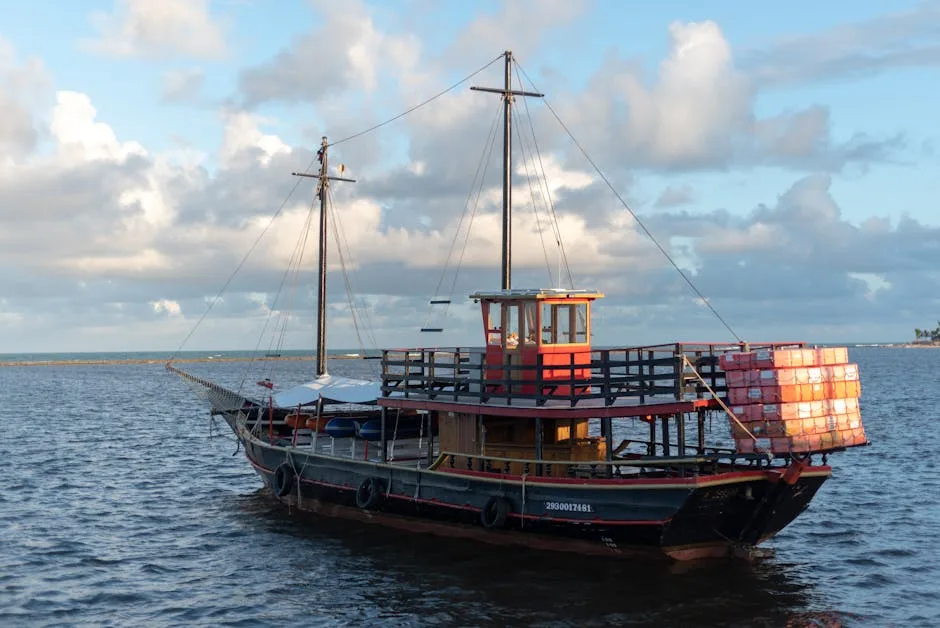
Closer to Maceió, take a jangada (a small traditional sailboat) out to the reefs at Pajuçara. The vibe on a jangada is casual—expect short rides, friendly boatmen, and vibrant reef life close to shore. Across the state, coral gardens and seagrass beds support turtles, parrotfish, and schools of colorful reef fish; many local guides are excellent at pointing out species and protecting sensitive areas.

Small Towns, River Life, and Colonial Roots
Step off the coast and Alagoas reveals a different rhythm. Penedo, a river town on the banks of the São Francisco River, preserves colonial architecture, cobbled streets and simple riverside living. Wander narrow lanes to find small churches, street markets selling regional sweets, and riverside bars where fishermen bring in their daily catch. Penedo gives context to the coastal stories here—sugarcane, riverine trade and centuries of history shaped many of the region’s customs.
Other towns offer craft traditions that make thoughtful souvenirs. Hand-stitched textiles, small woodwork pieces, and regional lace work (sold as ‘rendas’ in many craft shops) reflect local materials and techniques. You’ll often find these artisans in market stalls and tiny cooperatives rather than large tourist shops—look for cooperative cards explaining the maker’s village and techniques.
Food and Everyday Flavors of Alagoas
Alagoas’ cuisine is coastal at heart. Restaurants and beach kiosks lean heavily on fresh fish, shrimp and shellfish. Sururu (a mollusk stew) shows up in many menus; it’s rich, often cooked with coconut milk and local spices. Peixada—fish stewed with vegetables and served with rice and pirão (a manioc-based sauce)—is another local favorite. For simpler pleasures, order grated coconut tapioca or a freshly grilled whole fish with a squeeze of lime.
Street food is a simple education in regional taste. You’ll find acarajé in some places because of cultural overlap with neighboring Pernambuco and Bahia, but Alagoas also offers its own snacks and sweets made from cashew fruit, coconut, and manioc. Finish a meal with a slice of bolo de rolo only if you’re near Pernambuco—otherwise, sample regional cakes and sweets sold by family-run bakeries in town centers.
Music, Dance and Local Traditions
Forró and other northeastern rhythms define many festivals and everyday evenings here. If your trip coincides with June, the São João festivities explode across the region—folk dances, grilled meats, corn-based dishes and a friendly, communal feel. Carnival in Alagoas is lighter than in Salvador or Rio, but it’s still an active time if you want dancing and street parties with a more local vibe.
Capoeira circles and community music events pop up in plazas and beach promenades. Locals often welcome visitors who show genuine curiosity and respect for traditions—learn a few Portuguese phrases, clap along, and let musicians know you’re enjoying the rhythm.
Practical Travel Tips: Getting Around and Saving Time
Fly into Maceió (MCZ) for the fastest route. From the airport, taxis and ride apps connect to the city and nearby beaches. Renting a car makes sense if you want to explore the coast at your own pace—distances between towns might be short, but public transport can slow you down with indirect routes and infrequent schedules. Keep in mind the roads become narrower and less maintained once you leave main highways, so plan extra time for drives and avoid night driving in remote stretches.
Intercity buses are affordable and reliable for many routes; look for the bigger terminals in Maceió. For short transfers—beach to beach—taxis and motorcycle taxis (moto-taxis) are common. In the Rota Ecológica and quieter villages, boat transfers are sometimes the only practical option to reach certain shorelines at specific tide levels.
Carry some cash for small towns. ATMs are widespread in Maceió and larger towns, but tiny kiosks and some pousadas prefer cash. Credit cards are accepted at resorts and many restaurants, but a local bank card or cash in Brazilian reais will smooth transactions in less touristy places.
When to Visit: Weather and Sea Conditions
The northeastern coast of Brazil runs warm year-round. Rainfall concentrates in certain months, so plan around the most comfortable windows. If your objective is crystal-clear water and calmer seas for snorkeling, aim for the drier months when tides and winds favor visibility. That usually means avoiding the heart of the rainy season when runoff can cloud reefs.
Peak travel months in Alagoas follow Brazilian holiday rhythms—Carnival in late February or early March draws domestic travelers, and local summer holidays fill beach pousadas in December and January. For a quieter experience with good weather and clearer reefs, choose shoulder-season months when locals are back at work and the coast is less crowded.
Safety, Health and Local Etiquette
Alagoas is friendly and hospitable, but common-sense safety practices apply. Don’t leave valuables unattended on beaches, keep a copy of your passport in your luggage, and use hotel safes when available. As with many tourist destinations, petty theft is the main risk; blending in and staying aware in crowded spaces reduces that risk substantially.
Sun protection is essential. The Brazilian sun can be intense—bring reef-safe sunscreen to protect yourself and the marine environment. If you plan long boat or snorkeling trips, pack a light waterproof shirt and a personal first-aid kit. Tap water in Maceió is generally treated, but in small villages and island transfers it’s safer to rely on bottled water.
Sample Itineraries for Different Rhythms
Long weekend (3–4 days): Base yourself in Maceió. Spend a morning at Pajuçara with a jangada trip to the reefs, an afternoon at Ponta Verde, and a sunset stroll on the boardwalk. Day two, take a guided trip to Praia do Francês and Barra de São Miguel. Leave the third day flexible for a market visit and a short riverfront trip to Penedo if you want a historical slice.
One week: Add Maragogi or São Miguel dos Milagres. Two days exploring Maragogi’s Galés, with an early-morning snorkeling tour and a relaxed afternoon on the beaches, followed by two days at São Miguel for slow beaches and eco-pousadas. Finish with a night in Maceió to sample nightlife and seaside dining.
Ten days or more: Link the coast with the interior. After beach days in Maceió, head north along the Rota Ecológica to São Miguel dos Milagres, then to Maragogi. Drive inland for a couple of days visiting small towns and craft markets. Time your final leg to include a riverboat dinner or sunset on the São Francisco if you prefer a quiet end to the trip.
Responsible Travel: Protecting the Reefs and Communities
Tourism brings income to Alagoas but also pressure on reefs and small communities. Choose operators who follow reef-friendly practices: guides who brief visitors on not touching the coral, boats with engines placed to avoid damaging shallow reefs, and tours that limit group sizes. Avoid collecting shells or coral as souvenirs—those items are living or part of fragile ecosystems.
When possible, book locally owned pousadas and restaurants. Small businesses and cooperatives keep income in the community and often offer more authentic experiences. Ask about community projects and cultural tours that return a portion of profits to local needs; many responsible operators will gladly explain their partnerships.
Language, Money and Local Tips
Portuguese is the language here. Few small towns will offer English-speaking staff outside of higher-end hotels and tour operators, so learning basic phrases (hello, please, thank you, how much) goes a long way. Locals appreciate simple attempts at Portuguese and often respond warmly.
Carry smaller bills for beach vendors. Haggling is not common at fixed-price kiosks but is acceptable at markets and for crafts—approach bargaining respectfully and remember that even modest purchases can be an important source of income for a family-run stall. Tipping is appreciated in restaurants (10% is a common guideline where service isn’t included) and always welcome for exceptional service on private tours.
Unmissable Local Experiences
Take a morning snorkel in a natural pool and an afternoon sampling regional seafood at a beach kiosk. Walk early along the Maceió boardwalk to watch fishermen bringing in their catch. Join a small forró night or local festival if timing allows; the energy of northeastern music and dance is immediate and contagious. Consider a boat trip up the São Francisco River for a different landscape: riverbanks, small mangrove patches, and towns that look as if time adapted a slower gear.

Final Travel Mindset
Alagoas rewards travelers who slow down. It’s not a place built to rush through; the best memories come from sitting on a shaded veranda with a coconut, walking a near-empty beach just after sunrise, or chatting with a boatman who knows the reef like a map. Bring curiosity, politeness, and a readiness to trade convenience for local color, and Alagoas will deliver clear water, warm people, and a sense of coastal Brazil that feels both familiar and newly discovered.