

Why renting a car in Brazil is worth the effort
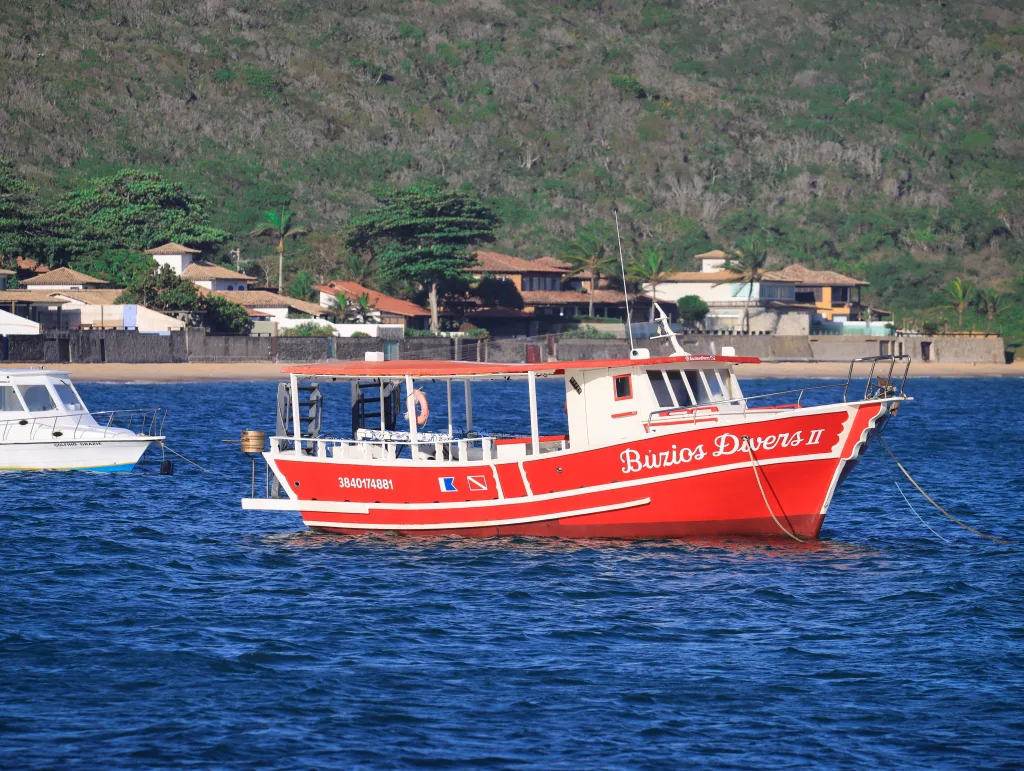
Brazil rewards drivers: coastal highways reveal hidden beaches, hinterlands host colonial towns that aren’t well served by buses, and national parks open up when you control the schedule. Renting a car lets you leave crowded transfers behind and explore at your own pace—from the beachfront roads between Rio de Janeiro and Búzios to the sugarcane-lined highways of the Northeast. That freedom comes with paperwork, choices, and a few local driving realities you should plan for before you arrive.
Essential documents and legal rules for foreign drivers
Bring your passport and a valid driver’s license from your home country. Brazilian traffic law allows visitors to drive with a foreign license for a limited period (usually up to 180 days from entry), but rental companies often ask for an International Driving Permit (IDP) when your license isn’t in Portuguese or the Roman alphabet. An IDP simply translates your existing license; getting one at home takes a day or two and avoids headaches at the counter.
Most rental desks will also require a major credit card in the primary driver’s name for the security deposit (known in Portuguese as “caução”). Debit cards and prepaid cards are frequently rejected. When you don’t meet the agency’s age or documentation rules, expect to be turned away or offered a smaller selection of cars with higher fees.
Age limits, extra drivers, and young-driver fees
The baseline minimum age at many agencies is 21, but some vehicle categories require drivers to be at least 23 or 25. If you’re under 25, plan for a young-driver surcharge; it varies by company and vehicle class. Adding an authorized additional driver is common, but there’s usually a daily charge per extra name. Make sure every person who will drive is present at pick-up with their documents so their name can be added to the contract; otherwise the insurance may be voided.
Insurance basics you must check before signing
Brazilian rental agreements use terms that can feel unfamiliar. Learn these quick translations and how they affect your liability:
- CDW / Collision Damage Waiver (franquia) — reduces your financial responsibility for damage; a residual deductible (franquia) often remains unless you pay for a zero-franchise option.
- Theft protection — limits your exposure if the vehicle is stolen, but personal items are usually not insured.
- Third-party liability — covers damage to other people or property; check the coverage limits and whether an additional liability policy is offered.
Many travelers assume their credit-card rental insurance will cover Brazil. That’s not guaranteed—cards differ, and some explicitly exclude certain countries. Call your card issuer and ask if their policy applies to Brazil, what it covers (collision, theft, liability), and whether it requires you decline the rental company’s CDW. If your card coverage is limited, buy the rental company’s supplemental insurance; the out-of-pocket cost of repairs or legal claims in Brazil can quickly exceed the price of extra coverage.
If you prefer to photograph every angle, do it. Perform a thorough walk-around with the rental agent, point out pre-existing scratches and dents, and get the agent to initial or mark them on the inspection form. A set of close-up timestamped photos on your phone is the strongest protection if a dispute arises.
Booking smart: pick-up, drop-off, and fuel policies
Booking online before you travel usually gets better rates and vehicle availability, especially in busy seasons like Carnaval and July school vacations. Pay attention to pick-up location: airport desks are convenient but carry extra fees and longer queues. City-center locations can be faster but arriving by taxi with luggage is an additional cost to factor in.
Fuel policies vary. Full-to-full is the simplest: you collect the car with a full tank and return it full; the agency charges you only for missing fuel. Other policies like prepaid fuel or full-to-empty often add a surcharge and are more expensive when you return with any fuel remaining.
Practical car choices: manual versus automatic, size, and fuel
Manual transmissions dominate Brazil’s fleet and are usually cheaper to rent. If you’re used to automatics, reserve one in advance—availability is limited outside major cities and pricier. Compact cars handle narrow streets and tight parking in colonial centers, while SUVs provide comfort for longer highway stretches and unpaved roads in the interior.
Brazilian cars often have “flex” engines that run on gasoline and ethanol (álcool). If you rent a flex-fuel vehicle, fuel stations will be clearly marked and you choose which fuel to use. Diesel is mainly for heavier vehicles; most rental sedans won’t use it. Always confirm the correct fuel type before filling up.
Day of pick-up: what to inspect and ask
Arrive with time, not just to beat a line but to check thoroughly. Verify the contract details: dates, mileage limits (many rentals come with unlimited kilometers—”quilômetros livres”—but check for exceptions), and the exact amount of the security hold. Ask which damages are excluded: windows, tires, and undercarriage damage are frequently not covered unless you buy extra protection.
Test critical items on the spot: air conditioning, horn, headlights, and the spare tire (or tire repair kit). Confirm roadside assistance number and typical response times; get the details in writing or take a photo of the emergency info on the rental agreement. If any electronic device like GPS or child seat is included, inspect it and note it on the checklist so you don’t get charged for missing items at drop-off.

Driving rules, signs, and local language shortcuts
Drive on the right. Speed limits are posted in kilometers per hour. Common Portuguese signs you’ll encounter are concise and useful to learn: “Pare” (stop), “Sentido Único” (one-way), “Proibido Estacionar” (no parking), “Pedágio” (toll), and “Combustível” (fuel). Waze and Google Maps are widely used; Waze in particular has a strong local user base and reports police and hazards in real time.
Brazil enforces a strict drunk-driving policy. The legal tolerance is effectively zero—penalties are severe, and police checkpoints are common around holidays and weekends. Use a rideshare or taxi if you plan to drink.
Toll roads, payments, and electronic tags
Major highways often have toll booths (pedágios). Some roads accept cards, others prefer cash, and many use electronic tags for faster lanes. Ask your rental company whether the car includes a toll transponder; if it does, confirm billing arrangements and administrative fees. If the car lacks a tag, pay attention at toll plazas—using the wrong lane can delay you and trigger fines.
Parking tips and city driving realities
Big cities like São Paulo and Rio have dense traffic and limited parking. Metered street parking is common; look for signs with payment instructions and hours. Private parking garages are widely available but can be expensive—expect higher rates in tourist zones. Never leave valuables visible; a brief glance through a car window is enough to invite break-ins in some areas.
Watch for buses and motorcycle couriers weaving between lanes. Motorcycle taxis and delivery bikes are everywhere and can appear suddenly. Be patient at intersections and use your mirrors frequently. If you have to park on a narrow street in a colonial town, check that door opening space won’t hit the curb or passersby—many older neighborhoods were built before automobiles existed.
When things go wrong: accidents, theft, and police stops
If you’re in an accident, prioritize safety and call emergency services if needed. For non-injury fender-benders, move the vehicle if it’s safe to do so and exchange details with the other driver. Photograph the scene, both cars, and license plates. The rental company will need a copy of the police report—called a “Boletim de Ocorrência (B.O.)”—if there’s theft or significant damage. Filing a B.O. at a police station or online is the official step to document the incident for insurance claims.
Police may stop vehicles randomly or at checkpoints. Keep your passport and rental agreement accessible. Stay calm, answer questions politely, and follow directions. If you’re uncertain about instructions, ask for clarity calmly; language barriers sometimes complicate these interactions, so a translation app can help.
Road conditions and regional differences
Brazil’s roads vary dramatically by region. The Southeast and South generally have well-maintained highways; the Northeast’s coastal roads are scenic but include stretches of single-lane and potholes in places. The interior and Amazon regions often require 4×4 vehicles for dirt roads and river crossings—standard sedans won’t suffice. If your itinerary includes remote national parks or the Pantanal, rent a vehicle appropriate for unpaved roads and check seasonal access: some routes become impassable during the rainy season.
Long drives and overnight travel advice
Distances in Brazil are large. Plan generous travel time and avoid driving at night outside major urban corridors: poorly lit highways, livestock on the road, and fewer service stations increase risk. When stopping overnight along a long stretch, choose well-reviewed pousadas or hotels with secure parking. Keep doors locked and valuables out of sight. If you must refuel late, use stations that are busy and well-lit.
Photo by Michał Robak via Pexels
Child seats, pets, and special requests
Child restraint laws require appropriate car seats—bring your own or reserve one with the car. Agencies charge daily fees for child seats and often have limited stock, so book ahead. Traveling with pets is possible in some rental fleets but requires explicit prior approval and a pet fee. If you need roof racks for surfboards or bicycles for coastal adventures, specify these extras when booking because availability is limited and installation may require extra paperwork.
Returning the car without drama
Return the car on time to avoid late fees and check the return instructions: some agencies require an office close to the airport or a city location. Refill the tank to the agreed level to avoid expensive refueling charges. When dropping off, conduct a joint inspection with staff and request a signed copy of the return condition form. If the agency is closed at your drop-off time, take photos of the car with the timestamp and keep the key return receipt.
Final rental checklist for your Brazil trip
- Passport, original driver’s license, and International Driving Permit (if applicable).
- Major credit card in the primary driver’s name for deposit.
- Clear insurance understanding: check CDW/franquia, theft protection, and third-party limits.
- Photo documentation of the vehicle at pick-up and drop-off.
- Knowledge of local traffic signs and the zero-tolerance alcohol rule.
- Plan routes with Waze or Google Maps and avoid night driving in rural areas.
- Emergency numbers: 190 (police), 192 (ambulance/SAMU), 193 (fire department).
Making the most of driving in Brazil
Driving in Brazil rewards planning. With the right paperwork, adequate insurance, and an understanding of local roads and habits, a rental car becomes a ticket to quieter beaches, far-flung cuisines, and towns where buses don’t go. Travel lightly but prepared: a small investment in the right insurance, a quick set of photos on pickup, and a realistic route plan keep your trip moving smoothly. Brazil’s landscapes are expansive; a car simply makes them reachable on your own terms.