
Where Brazil Meets the Equator and the Sea
At brazil’s far northern edge, a green wall of rainforest meets the Atlantic and the line that divides north from south crosses a riverside city. That place is Amapá: a state few international travelers know well, but one that rewards anyone drawn to vast rivers, mangrove labyrinths, and human cultures that still move to the rhythm of tides and seasons. Macapá, the capital, sits on the amazon’s northern margin and hosts a marker where the equator passes through the city — a clear reminder that this is not mere wilderness; it’s a living, navigable landscape shaped by water.

Wildlands Worth Leaving Your Map For
Amapá’s protected areas read like a field guide: Tumucumaque National Park, carved out to protect one of the largest blocks of intact Amazonian forest; Cabo Orange National Park with its tidal marshes and coastal islands; and Maracá, an island ecological station off the state’s coast. Each place offers a different ecotourism promise. Tumucumaque is deep rainforest, where logistics determine the length and nature of any visit; Cabo Orange is where river meets sea and you watch mangrove roots breathe at low tide; Maracá is a laboratory island famous among researchers and intrepid birders. Visiting these spaces is not a matter of turning up—their scale and sensitivity mean travel typically happens with authorized guides and coordinated permits.
Traveling Light Through Dense Places: Practical Access
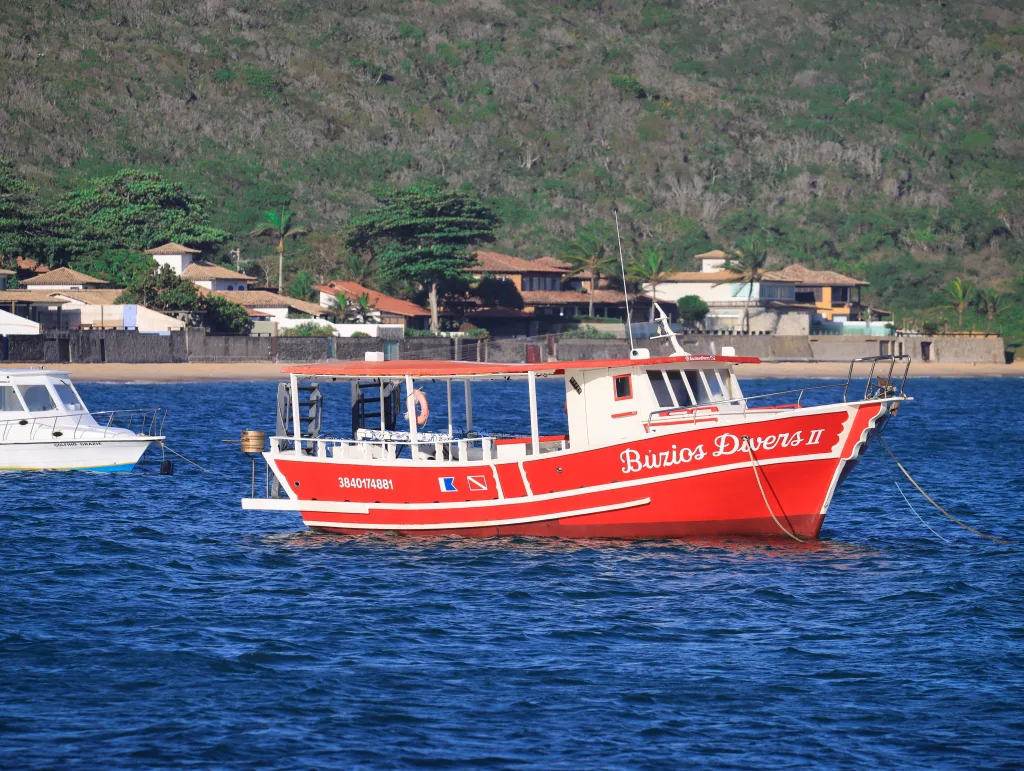
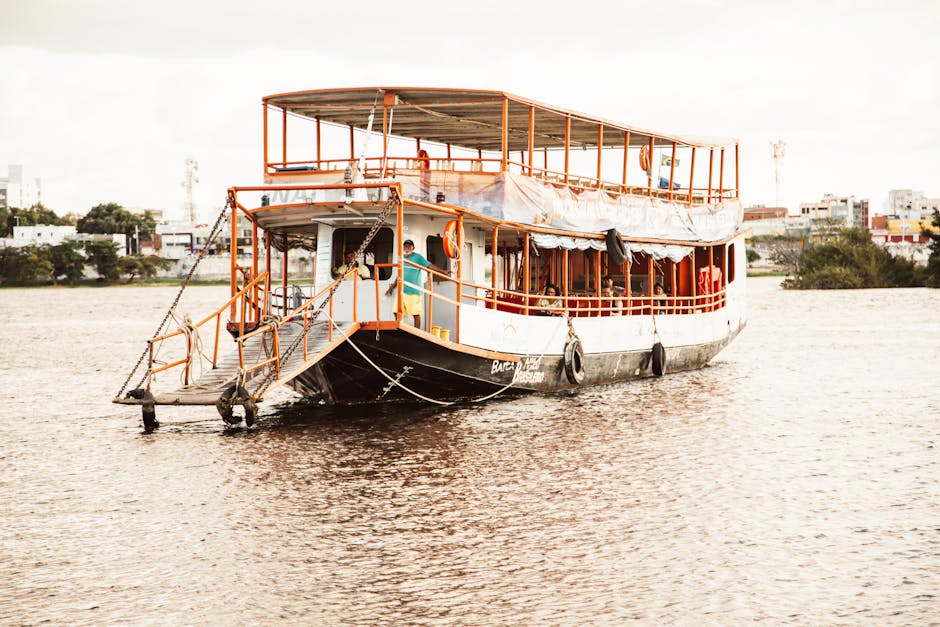
Getting to Amapá is straightforward in principle and wonderfully exploratory in practice. Regular flights connect Macapá with major regional hubs such as Belém and Brasília, making the city the most convenient base. From Macapá, riverboats and small aircraft open the rest of the state: coastal islands, upriver communities, and remote park gateways. Overland access along the border with French Guiana around Oiapoque is possible, but expect border controls and basic infrastructure; this route suits travelers who want a cross-border flavor. Whatever route you choose, allow time: boat travel is slow but scenic, and delays are part of the rhythm here.
Encounters with Animals You Won’t Forget
Wildlife in Amapá is abundant and varied. Early mornings reveal flocks of parrots and macaws, while hoatzins and kingfishers inhabit the slow channels and flooded forests. In the blackwater tributaries, keep binoculars ready for the peculiar profile of the hoatzin and the sharp flash of a kingfisher diving. Pink river dolphins glide in river bends, and giant otters hunt cooperatively in clearer channels. Jaguars exist here, though sightings are rare and mostly the privilege of long-term expeditions; more commonly spotted mammals include howler monkeys, capybaras, and the occasional tapir along quieter riverbanks. On coastal stretches, mangrove channels host crabs, mudskippers, wading birds and the characteristic call of herons and egrets.
Night trips by boat are their own kind of wildlife experience: caimans cruise the margins and the chorus of frogs becomes a living soundtrack. Birdwatchers will find distinct habitats in quick succession—várzea flooded forest, terra firme upland, mangrove mudflats—each with its signature species and photographic lighting. If you want a close-up of biodiversity, local naturalist guides know the microhabitats where animals concentrate and the seasonal patterns that bring them into view.
Human Landscapes: Riverside Communities and Living Traditions
Ecotourism in Amapá is as much about people as it is about trees. Quilombola settlements—communities descended from escaped enslaved people—live along rivers and practice subsistence fishing and small-scale cassava agriculture. Indigenous groups such as the Palikur maintain villages near the northern border, where you can learn about traditional crafts, fishing techniques, and riverine medicine. Community-based stays are common: visitors share meals, join a fishing trip at dawn, or learn how to prepare local dishes from river fish and açaí. These encounters are not tourist props; they are invitations into daily life, offered on the community’s terms and often coordinated through local associations or certified operators.
How to Plan Respectful, Legal Visits
Many of Amapá’s best sites are protected for a reason. National parks and ecological stations often require formal permits from ICMBio (Brazil’s Chico Mendes Institute), and indigenous territories require authorization from the communities themselves. Hiring a local guide or working through an established operator is not just convenient—it’s often mandatory. Guides streamline permits, ensure safety on rivers and in dense forest, and teach you how to move quietly to avoid upsetting wildlife or communities. If you want a specific experience—photography-focused birding, jaguar-accompanied tracking, or cacao and cassava workshops—ask operators what permissions are in place before booking.
When to Go: Weather, Water, and Wildlife Timing
Seasonality in Amapá shapes everything you’ll do. The Amazon’s rhythm alternates between high water and low water phases. During the high-water season, many forests flood and become accessible only by boat; that creates unique wildlife viewing from canoes but also limits certain trails. In the lower-water months, beaches and exposed riverbanks appear and terrestrial trails open. For generally drier, easier travel—and more predictable boat schedules—plan trips between August and November. If you’re chasing river dolphins and flooded-forest bird behavior, time your visit to coincide with the seasonal patterns relevant to those species and coordinate with a guide who knows local microseasons.
Sample Itineraries for Different Types of Travelers
Short and Immersive: 4–6 Days
Spend two days in Macapá exploring the riverside markets, visiting the equator marker, and touring Fortaleza de São José to ground yourself in local history. Then take a two- to three-day river trip to nearby mangroves or a coastal island, focusing on birding, night caiman spotting, and a community homestay where you learn to prepare fish dishes and cassava pão. This itinerary suits travelers short on time who still want a deep feel for the land-and-water interplay that defines Amapá.
Birding and Biodiversity: 7–10 Days
Start in Macapá, then head to Maracá or smaller coastal islands for targeted bird surveys. Add a couple of days in a terra firme lodge accessible by boat or small aircraft where you can work with a guide on dawn-to-dusk birding and night walks. Combine river and forest habitats to maximize species variety and include a community visit to understand local conservation practices.
Hard-Edge Adventure: 10–14 Days
Choose Tumucumaque for an expedition-style adventure. This requires logistical planning: remote camps, river travel, and long days with guides. Expect intensive immersion in primary rainforest and minimal infrastructure. Alternatively, combine a long coastal exploration of Cabo Orange with cross-border travel near Oiapoque to witness the tidal rhythm where the Amazon meets the Atlantic and meet communities that live off those cycles.
Packing, Health, and Safety Essentials
Packing for Amapá means thinking water first. Bring sturdy, waterproof dry bags for equipment and clothing; quick-drying fabrics and light long-sleeved shirts protect against sun and insects; a breathable rain jacket is essential even in the dry months—rain showers are unpredictable. For footwear, river shoes or rubber-soled boots that can get wet are invaluable for mangrove walks and muddy trails. Binoculars, a decent camera with a telephoto lens, and a headlamp with extra batteries will elevate wildlife experiences. Carry water purification tablets or a filter: many community hosts have potable water, but when you leave main settlements it’s best to be self-sufficient.
Healthwise, talk with a travel clinic about yellow fever vaccination—it’s strongly advised for travel into Amazon regions. Malaria risk exists across the Amazon; prophylaxis depends on the exact route and length of stay, so consult a medical professional. Mosquito repellent with DEET or picaridin, a good mosquito net for remote lodgings, and basic first-aid supplies complete the essentials. Finally, comprehensive travel insurance that covers medical evacuation is highly recommended; the distances and availability of hospitals here mean that serious emergencies often require air transport.
Responsible Travel: What To Do and What To Avoid
Ecotourism thrives when it benefits local people and preserves landscapes. Use local guides and services whenever possible; that money stays in the community and incentivizes conservation. Avoid buying wildlife parts or items of uncertain origin. Respect community rules: dress modestly for homestays, ask before photographing people, and follow meal and drinking customs. Minimize single-use plastics and pack out what you bring in. When visiting protected areas, stick to marked trails, avoid feeding animals, and never remove plants or artifacts. If you witness illegal activity like logging or mining, report it to local authorities or your operator rather than confronting anyone directly.
Food, Flavors, and Nightlife Along the Rivers
Expect food that is simple, fresh, and centered on river products: grilled or stewed fish, cassava in all its forms, and açaí served both sweet and savory. Tacacá—a hot, richly flavored broth served in a gourd cup—is a common Amazonian experience and appears in local stalls; it’s vibrant, garlicky, and warming after an early-morning boat ride. Markets in Macapá and riverfront villages brim with fresh fruit, smoked fish, and handheld snacks that are perfect between excursions. Nightlife is low-key: gatherings often center on riverside verandas, live regional music, and conversations under open skies. These evenings are the real cultural exchange—travelers swap stories with hosts and guides over simple, memorable meals.
Photography and Where to Point Your Lens
For photographers the light here is dramatic: sunrise and late-afternoon sun slants across rivers and through emergent canopy, creating luminous reflections on blackwater channels. Mangrove roots and tidal pools offer striking foregrounds, while long lenses reward those who wait for bird perches or river mammals to appear. Respect privacy: ask before photographing people, and when photographing wildlife, keep distance; close approaches stress animals and can change their natural behavior. Early morning boat trips provide the most opportunities for sharp photos of birds and river life, while twilight is best for moody, silhouette-style images of the landscape.

How Local Conservation Shapes Your Visit
Conservation in Amapá is a mix of federal protected areas, state initiatives, and community-driven stewardship. Many islands and coastal zones are critical nesting grounds for sea turtles and important stopovers for migratory birds; local patrols and research programs monitor nesting and migration. Community-led programs increasingly combine income generation with habitat protection: homestays, artisanal fisheries with quotas, and participatory monitoring projects where visitors can contribute to data collection under supervision. If you want to support conservation directly, inquire about volunteer opportunities or short-term stays that include data collection or educational exchanges with schools and local groups.
Language and Local Ways That Make Travel Easier
Portuguese is the everyday language, and while some guides and younger people speak English or Spanish, learning a few phrases goes a long way. Simple expressions—greeting hosts politely, asking permission before photographing, and offering thanks—open doors. Currency is Brazilian real; many smaller communities accept only cash, so plan for limited ATM availability outside Macapá. Power and connectivity are irregular in remote lodges and villages; consider an off-grid mindset and enjoy the found silence rather than expect constant connectivity.
Practical Reminders Before You Leave
Check passport requirements and potential visa rules depending on your nationality, and allow time for any permits you need from conservation authorities. Book guides and community stays well in advance if you’re traveling in the busiest months or during local festivals. Be prepared for slow travel: river journeys and small-air transfers are rarely on airline-style schedules. And bring patience: the pace of daily life here follows the water, not calendars.
Amapá Awaits Those Who Want More Than a Photo
For travelers who want landscape and culture inseparable from each other, Amapá feels like stepping into a living map. The state rewards curiosity and a willingness to let time stretch. Bring respect, a sense of wonder, and the readiness to travel by river. With the right preparation—permits, local guidance, and sensible gear—you’ll encounter dramatic bird life, river mammals, and people whose lives are intricately tied to the water. That kind of travel changes you: it replaces bewilderment with a deeper, quieter knowledge of how large ecosystems and resilient communities coexist.