
Getting around Brazil when mobility matters
brazil is big, noisy, colorful, and often surprisingly navigable for people with accessibility needs — if you know where to look and how to ask. Cities and regions vary wildly: you’ll find modern, well-equipped subway stations in one neighborhood and an aging bus stop with no ramp a few blocks away. This guide gives practical, on-the-ground advice a foreign visitor can use: legal rights to expect, what different transport modes are actually like, how to plan routes, and simple portuguese phrases to get help fast.
Understanding your rights: the law and what it really means
The Lei Brasileira de Inclusão (Law No. 13.146/2015) guarantees non-discrimination and access for people with disabilities across public services, including transport. That matters: public authorities and private operators must provide reasonable accessibility, priority seating, and assistance when needed. In practice, enforcement varies by city and operator, so a mix of legal knowledge and practical preparation gets the best results.
Carry something that proves your condition (medical note, disability ID from your country, or a doctor’s letter translated into Portuguese). It’s not always required, but when you need priority boarding, reduced or free fares, or special assistance at a bus terminal or intercity company, having documentation reduces hassle and speeds communication with staff.
How major cities compare — useful expectations by place
Brazil’s big urban centers are the most accessible overall, but each has quirks you should plan for.
São Paulo
The São Paulo Metro ranks among Brazil’s most accessible systems. Most stations have elevators, tactile paving, and clear signage. Buses in the city are a mixed bag: newer fleets are low-floor with ramps, but not every stop has a curb cut. If you’re travelling across the city, plan routes that use metro lines for the core and short bus rides for last-mile connections.
Rio de Janeiro
Rio has invested in accessibility — many metro stations and the VLT light-rail in the city center are wheelchair-friendly. Neighborhoods built on hills (like Santa Teresa) are much harder to navigate. For coastal travel, ferries across Guanabara Bay have accessible ramps at main terminals, but smaller piers might not.
Brasília and Curitiba
Brasília’s planned layout and modern metro make it straightforward for wheelchair users. Curitiba’s bus rapid transit system, with raised platforms and level boarding in many corridors, is a model for more accessible bus travel.
Salvador, Recife, Fortaleza and the Northeast
Historic centers pose challenges: cobblestones, narrow sidewalks, and old stations. Coastal ferries and river boats are common in some cities (Salvador, Belém) and often have ramps at main terminals — but expect variability, and confirm schedules and boarding conditions ahead of time.
Smaller towns and rural areas
Expect limited accessibility. Buses may have high steps and no designated wheelchair spaces. If you plan to visit smaller destinations, arrange specialized transport in advance or consider renting a car with adaptive controls and a driver who understands local roads.
Buses and intercity coaches: the backbone of Brazilian travel
Urban buses: Newer urban buses in major cities are low-floor and equipped with ramps and priority seating. Drivers must deploy ramps on request, but staff training and ramp maintenance vary. At busy stops, drivers sometimes skip deploying the ramp to save time — ask firmly and show your documentation if needed.
Intercity and long-distance coaches: Rodoviárias (bus terminals) are hubs of activity and usually offer assistance counters. Large terminals such as Tietê (São Paulo) and Novo Rio have elevators, accessible restrooms, and staff to help with boarding. Intercity companies often store wheelchairs in the luggage hold; foldable chairs travel more easily than bulky power chairs.
Advance notice: For long-distance buses, call the company ahead of time. Reserve a space near the front or ask for assistance with boarding. Companies may require you to transfer to a designated onboard seat for safety; if you need to remain in your wheelchair, confirm whether the company and the coach model support that.
What to pack: collapsible ramps and straps for securing a wheelchair are helpful when operators don’t provide lifts. Bring a small emergency repair kit and extra batteries for power chairs, plus documentation about battery type — many bus companies and airports have rules about lithium batteries.

Metro, VLT, and tram systems: where step-free travel is easiest
Metro systems in São Paulo, Brasília, and other large cities are generally the most reliable accessible option. Elevators, tactile ground surface indicators, and audible announcements exist in many stations. However, elevator outages happen; always check the station status page on the operator’s website or the electronic boards if you can.
Light rail trams and VLT (Veículo Leve sobre Trilhos): systems like Rio’s VLT offer low-floor access and often level boarding from platforms. These are excellent choices for short urban trips, but network coverage is smaller than buses.
Platform gaps and transfers: even with elevators, transferring between lines can mean long walks and crowded corridors. Give yourself extra time and use station maps to pick the simplest transfer route. If an elevator is out of service, look for staff booths — many stations will offer staff-assisted rerouting or a staff escort.

Ferries, riverboats, and coastal transport
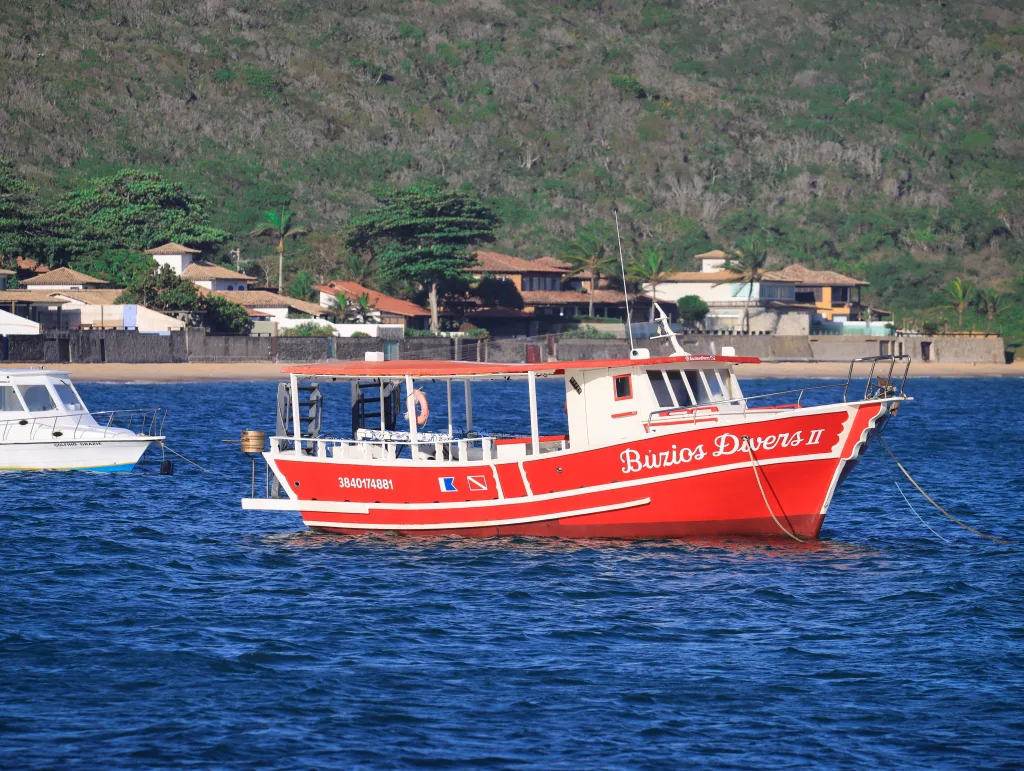
Several Brazilian cities use ferries for daily commutes. Salvador’s Baía de Todos os Santos and the ferry routes between Niterói and Rio are high-volume commuter links. Large terminals have ramps and accessible restrooms; smaller stops might require a foldable chair or staff assistance.
Onboard conditions: Ferries may have dedicated seating and priority areas, but waves and wet gangways can be slippery. Request staff assistance for boarding and disembarking and ask where the safest, most stable boarding point is.
Taxis, ride-hailing, and specialized services
Taxis: Metered taxis are everywhere and often the most practical option for door-to-door travel. Accessible taxis (with ramps or space for wheelchairs) exist in major cities but are limited in number. Ask your hotel or local tourist office to call an accessible taxi company in advance.
Ride-hailing apps: Uber, 99, and other apps operate across Brazil and sometimes offer accessible or assistive options in big cities. Look in the app for “assistance” or “accessible” vehicle types and request help through the notes field. App-based services often allow you to flag a need for assistance in advance; use this to set expectations for the driver.
Paratransit and municipal services: Many city halls run paratransit programs (door-to-door transport for people with reduced mobility) in São Paulo, Rio, and other large cities. These services often require advance registration and scheduling, so contact the municipal health or social services department before you travel.
Planning tools, apps, and real-time checks
Use route planners that include accessibility filters. Moovit supports step-free route options in many Brazilian cities and shows elevator locations. Google Maps has a wheelchair-accessible routes feature in some areas — check the route details for step-free stations. Official transit operator websites sometimes list elevator status and station amenities.
Phone ahead: When in doubt, call the transit operator, the intercity bus company, or the ferry terminal. Staff can confirm elevator operation, ramp availability, or whether a particular bus model runs on the route. For language help, ask a hotel concierge or use a short prepared Portuguese script (see below).
Simple Portuguese that gets help fast
Carry a printed card with these phrases — staff appreciate concise, clear requests. Pronunciations are approximate.
- “Você pode me ajudar com a rampa?” — (voh-SEH poh-jee mee ah-ZHOO-dar koh mee ah RAHM-pah?) — Can you help me with the ramp?
- “Onde fica o elevador?” — (OHN-jee FEE-kah oo eh-leh-vah-DOR?) — Where is the elevator?
- “Assento preferencial, por favor.” — (ah-SEN-toh preh-feh-rehn-SEE-al por fah-VOR) — Priority seat, please.
- “Eu desço aqui.” — (eh-oo deh-SOH ah-KEE) — I get off here.
- “Preciso de ajuda para embarcar.” — (preh-SEE-zoo jee ah-ZHOO-dah PAH-rah em-bahr-KAR) — I need help boarding.
Tickets, discounts, and paperwork
Fare policies differ between municipalities. Many cities offer reduced or free fares for people with disabilities if you present the right documentation. Check the transport authority’s website for the city you’ll be visiting (look for “pessoas com deficiência” or “pessoas com necessidades especiais”) and follow registration steps early, because issuing local benefit cards or transit IDs may take time.
When using intercity buses, keep physical ID and any medical documents handy at boarding. For international visitors, a translated doctor’s letter explaining mobility needs and current medication can smooth interactions.
Practical packing and equipment tips
Foldable manual wheelchairs are easiest to transport on coaches and taxis. For electric wheelchairs, learn the battery type and whether it needs to be disconnected during transport. Airlines and long-distance bus companies have strict rules about lithium batteries; check these rules well before travel.
Carry a compact PPE kit for rainy seasons: microclimates near the coast change fast and accessible ramps can be slippery. A lightweight waterproof cover for your chair and non-slip gloves for attendants are small items that pay off when boarding in bad weather.
What to do when things go wrong
Elevator out of service, ramp absent, or staff unwilling to help — these situations happen. Stay calm and persistent. Ask to speak with a supervisor, and if you aren’t getting help, photograph the issue and note the time and station name. You can file a formal complaint with the local transport authority or the consumer protection agency (Procon) in Brazil. For serious incidents, contact your country’s embassy or consulate for guidance.
Safety, etiquette, and local behavior
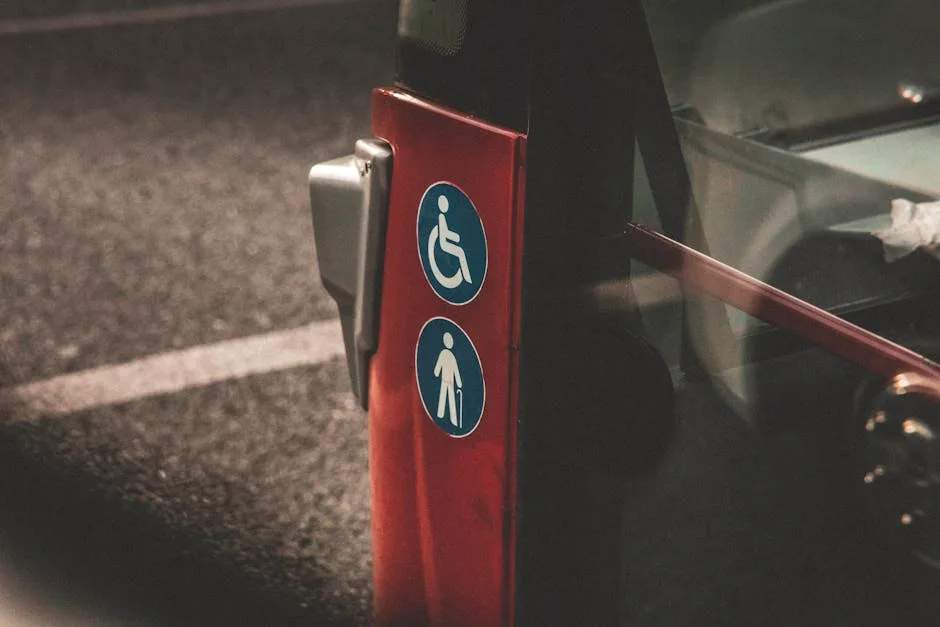
Priority seating is legally protected; insist on it politely but firmly. Brazilians are generally helpful; many will step in to assist if you ask directly. Avoid accepting unsolicited lifts from strangers — organize help through station staff or taxi drivers whenever possible. At crowded times, position yourself near doors to reduce the need for long internal transfers.
Resources to check before you travel
Before you arrive, bookmark a few reliable resources: the official municipal transport website for the city you’ll visit, Moovit for route planning, and the websites of major bus terminals or ferry companies. Local disability organizations and Facebook groups can provide recent, localized tips — search for “acessibilidade” plus the city name for community advice.
Final travel habits that make daily life easier
Start each day by checking elevator and elevator-status pages for the stations you’ll use, or ask your accommodation staff for current reports. When booking tours, choose providers that state accessible options in their listings rather than ones that offer an “on request” service without details. If you plan intercity travel, schedule buffer time so last-minute accessibility gaps don’t wreck your plans.
Brazil rewards curiosity. A bit of preparation — confirming accessibility and booking assistance in advance — turns many of the country’s busy transport hubs into manageable, even enjoyable parts of your trip. Expect some friction but also friendly help, and keep a flexible attitude paired with firm expectations about your rights.
Quick checklist before stepping out
- Translate and print a doctor’s note or disability letter.
- Check elevator and ramp status for planned stations.
- Call bus or ferry companies ahead for assistance requests.
- Load Moovit and your ride-hailing apps; save emergency contacts.
- Bring tools for minor chair repairs and extra battery info.
Where to find more help once you’re here
Hotel concierges, tourist information centers, and large transport terminals are good starting points when you need immediate, practical help. Local disability advocacy groups often maintain updated lists of accessible services and sympathetic providers — they’re invaluable for real-time tips (for example, which ferry berth is easiest during low tide, or which taxi cooperative has a ramp-equipped van).
Traveling across Brazil with accessibility needs requires a mix of planning, local knowledge, and the willingness to ask for help. Use the tools and phrases here, lean on staff and community resources, and you’ll find that many of Brazil’s most magical places — from the wide avenues of Brasília to the coastal ferries of Salvador — are within reach.