
Why volunteering in Brazil matters more than a postcard
brazil is famous for spectacular beaches, carnival energy, and Amazonian biodiversity. Travel here often feels like a series of snapshots: a sunset in Ipanema, a boat ride on the Amazon, a churrasco with new friends. Volunteer tourism—sometimes called voluntourism—lets you move beyond snapshots and actually add value to the communities and ecosystems you visit. When done responsibly, your time and skills translate into tangible help: a classroom with better resources, a mangrove restored, or a small health program that reaches families who otherwise go without.
Where your help gets used—regional breakdown
Brazil is massive and varied. Needs differ sharply across regions, and matching the right project to the right place matters.
Amazon: community support, research, and sustainable livelihoods
The Amazon still has many remote river communities that rely on subsistence agriculture, fishing, and small-scale commerce. Volunteers work alongside locals on community health outreach, school support, environmental education, and sustainable income projects like agroforestry or non-timber forest product processing. Logistics are tougher here—many projects require river travel and basic living conditions—but the learning and direct impact are profound. Expect humid conditions, mosquitoes, and a strong emphasis on listening to community priorities.
Northeast coast and islands: marine conservation and community development
The northeast coastline, from Maranhão down through Bahia and Ceará, hosts important sea turtle nesting beaches and vibrant fishing communities. Many projects focus on beach monitoring, protected hatchery support, and sustainable tourism training for local communities. Urban centers along the coast also need volunteers for youth education and small business development.
Pantanal and Cerrado: wildlife monitoring and habitat restoration
The Pantanal’s seasonal rhythms make it one of the best places in Brazil to support wildlife monitoring and anti-poaching work during the dry season, when animals concentrate around water. The Cerrado, Brazil’s tropical savanna, benefits from restoration and agroecology initiatives aimed at reversing past deforestation and erosion.
Southeast cities and the Atlantic Forest: social projects and reforestation
São Paulo and Rio de Janeiro are hubs for community-driven projects in favelas and neighboring municipalities. Volunteers there help with after-school programs, digital literacy, small construction, and public health campaigns. The Atlantic Forest, which hugs the southeastern coast, hosts reforestation and biodiversity recovery programs that welcome hands-on assistance.
What types of volunteer projects actually make a difference?
Project types vary wildly. Pick an area where you have useful skills or where the project prioritizes training local people to carry the work after you leave.
Education and youth programs
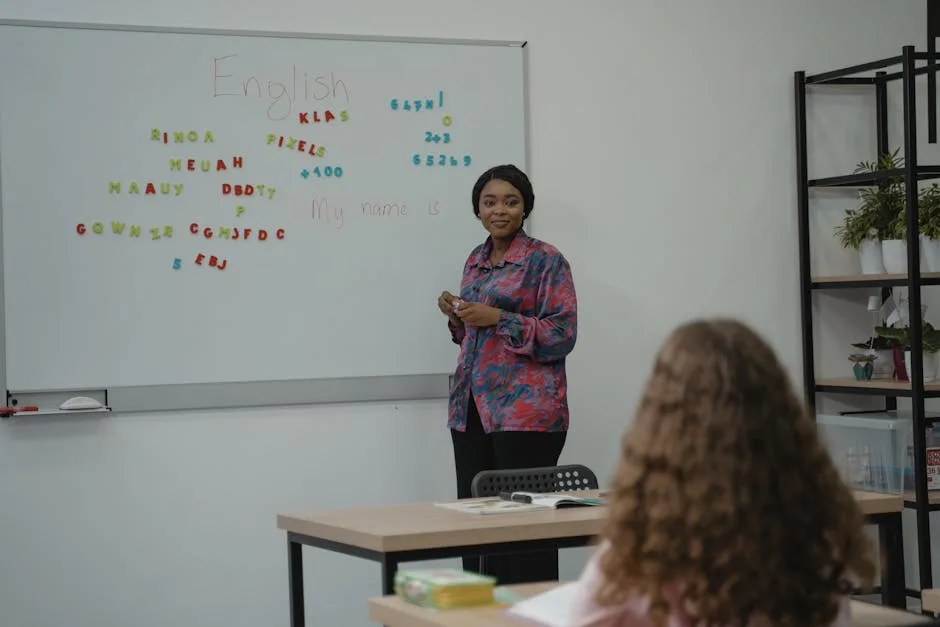
Teaching English or supporting after-school activities are common. The most effective programs provide materials, train local teachers, and align with school schedules rather than replacing local staff. If you have formal teaching experience, offer lesson planning support and teacher training rather than simply taking over a classroom.
Environmental and wildlife conservation
From beach patrols protecting turtle nests to replanting Atlantic Forest corridors and monitoring wetland species in the Pantanal, conservation projects are widespread. Expect basic fieldwork: data collection, habitat restoration tasks, equipment maintenance, and community outreach about conservation practices.
Health, sanitation, and community development
Projects in remote communities often focus on primary health education, water sanitation, and building infrastructure like latrines or wells. These initiatives scale best when coordinated with local health authorities and led by professionals. Volunteers with technical backgrounds should look for programs that leverage those skills under local supervision.
Culture and creative exchange
Cultural projects range from arts workshops to co-created events that help preserve local traditions. These initiatives are mutually enriching: they leave behind documented activities, creative materials, and stronger cultural pride rather than temporary performances for visitors.
When choosing, prioritize programs that emphasize capacity-building: teaching people how to sustain the work themselves. Surface-level fixes rarely stick.
Finding reputable programs—questions to ask before you book
Not all volunteer programs are created equal. A few targeted questions will reveal whether a program respects communities and delivers real impact.
- Who runs the project locally? Prefer local NGOs, community cooperatives, or partnerships with municipal governments and universities.
- How are placements decided? Projects that place volunteers without community approval are problematic.
- Are costs transparent? Healthy programs list exactly what your fees cover and avoid charging locals for basic services.
- Is there local staff overseeing daily activities? Volunteers should be supervised and integrated, not left to operate independently.
- What happens after volunteers leave? Ask for examples of long-term results and measurable outcomes.
Platforms like Volunteer World, Workaway, and local Brazilian volunteer networks can be starting points, but always dig into references and local partnerships. A quick email to a municipal office or local school near the project can confirm legitimacy.
Costs, visas, and practical logistics
Volunteer experiences range from low-cost, self-organized stays to priced programs that include lodging, meals, training, and project materials. Typical program fees cover accommodation, food, supervision, training, and local project costs. Expect prices to vary by region: remote Amazon placements often cost more because of river transport; city-based programs might be cheaper but less immersive.
Visa realities and legalities
Visa rules change. Many nationalities enter Brazil visa-free for short tourist stays; others need a visa. Volunteering can be legal on a tourist visa if you don’t receive payment, but some activities (especially those involving professional services) require a specific volunteer or work visa. Check the Brazilian consulate website and ask the program for guidance. Don’t assume a tourist visa automatically permits long-term volunteer labor.
Travel logistics and timing
Book vaccinations early—yellow fever is advised for many regions, especially Amazon and inland areas; your doctor will advise on Hepatitis A, typhoid, and routine immunizations. Purchase travel insurance that explicitly covers volunteer activities and emergency medical evacuation. Pack for the climate and living conditions: lightweight, quick-dry clothes for humid zones, closed-toe shoes for fieldwork, and layers for cooler southern highlands during winter.
Typical time commitments
Short-term projects accept volunteers for one or two weeks, but meaningful work often requires at least three to four weeks so you can learn local routines and hand over responsibilities properly. Longer stays—three months or more—are ideal for skills transfer, training, and measurable outcomes.
Health, safety, and staying ethical
Brazil is safe in many places but demands situational awareness. Urban centers face petty crime and occasional violent crime in specific neighborhoods. Rural areas have different risks: wildlife, remote medical access, and tropical diseases. Protect yourself and the community.
Health precautions
Follow recommended vaccinations and bring a basic medical kit. Use insect repellent and bed nets where mosquitoes are common. If you’ll work in remote areas, ensure you can reach medical help quickly and that your insurance covers evacuation.
Personal safety and local respect
Simple measures reduce risk: avoid flashy jewelry, keep copies of your documents, travel in groups at night, and follow local staff guidance about safe areas. Respect cultural norms: in many communities a firm handshake or two light cheek kisses are normal greetings, while in others a simple verbal greeting suffices. Never assume rules are the same everywhere.
Ethical pitfalls to avoid
Avoid orphanage tourism and any project that encourages dependency. Orphanages and similar institutions sometimes accept volunteers primarily to attract donations. Prioritize programs that keep families together and strengthen local services. Also question projects that request large volunteer fees to ‘fund the community’ without clear accounting or local oversight.
Language, culture, and practical behavior that multiply your impact
Portuguese is Brazil’s working language. Even basic phrases open doors and show respect: Hola won’t cut it. Learn greetings, phrases for asking for help, and simple classroom language if you’ll teach. Many project coordinators speak English, but your willingness to speak Portuguese improves rapport and helps you understand subtle cultural cues.
Everyday cultural tips
Brazilians are warm and relational. Small talk matters. Ask about family, be punctual for program commitments (but accept that local rhythms might be more relaxed), and follow local dress norms, especially when visiting religious or conservative communities. When in a favela or small town, ask local coordinators about photography etiquette—some people prefer not to be photographed.
How to communicate impact without overstepping
Share results and stories in a way that centers local voices. If you post social media updates, highlight community leaders and explain how projects are run and funded. Avoid presenting yourself as a savior—frame work as collaboration and name local partners in your posts.

Sample itineraries for focused impact
Use these as templates, not rigid plans. Each community has its own rhythm and needs.
Two-week coastal conservation and cultural immersion (Northeast)
- Day 1–2: Arrival in regional hub (Salvador or Fortaleza), orientation, vaccinations check, and language crash course.
- Day 3–10: Placement in a sea turtle monitoring project: beach patrols at night, hatchery work, data logging, and community workshops on sustainable fishing and ecotourism.
- Day 11–13: Cultural exchange with local schools—arts and environmental education activities.
- Day 14: Debrief with coordinators and local leaders, gifts for program materials, and travel home.
One-month Amazon community support and sustainable livelihoods
- Week 1: River transfer to community base, orientation, and local family stays to build trust.
- Week 2: Work on community-identified priorities—school support, health outreach, or agroforestry labor, with local leaders directing tasks.
- Week 3: Skills training—help run workshops on sustainable income options (processing local fruits, handicrafts, or community tourism) that locals can sustain.
- Week 4: Documentation and handover—create manuals, train local coordinators on record-keeping, and plan follow-up steps with microgrants or local institutions.
Measuring impact and staying connected after you go
Real impact is measurable and continuous. Ask programs how they track outcomes: number of students reached, hectares restored, patrols completed, or families who adopted new practices. Request a short follow-up report or join a program’s mailing list. Staying involved remotely—through fundraising, remote mentoring, or sharing educational materials—extends the project’s lifespan and honors local leaders’ efforts.
Volunteer tourism is not about a feel-good day trip. It’s a commitment to align your skills, time, and money with local priorities. When you choose projects that are transparent, locally led, and focused on capacity-building, your trip becomes part of sustained change rather than a momentary highlight. Brazil’s communities and ecosystems welcome respectful help; give with humility, listen first, and you’ll leave with far more than photos.
Next steps before you book
Start by identifying what you want to offer—teaching experience, manual labor, health training, ecological monitoring—and look for programs where local partners set priorities. Request references from past volunteers and local leaders, confirm visa and vaccination needs, and pack for conditions you’ll face. Finally, arrive with humility and curiosity: show up to learn, work side-by-side, and let community leaders guide the long-term vision.