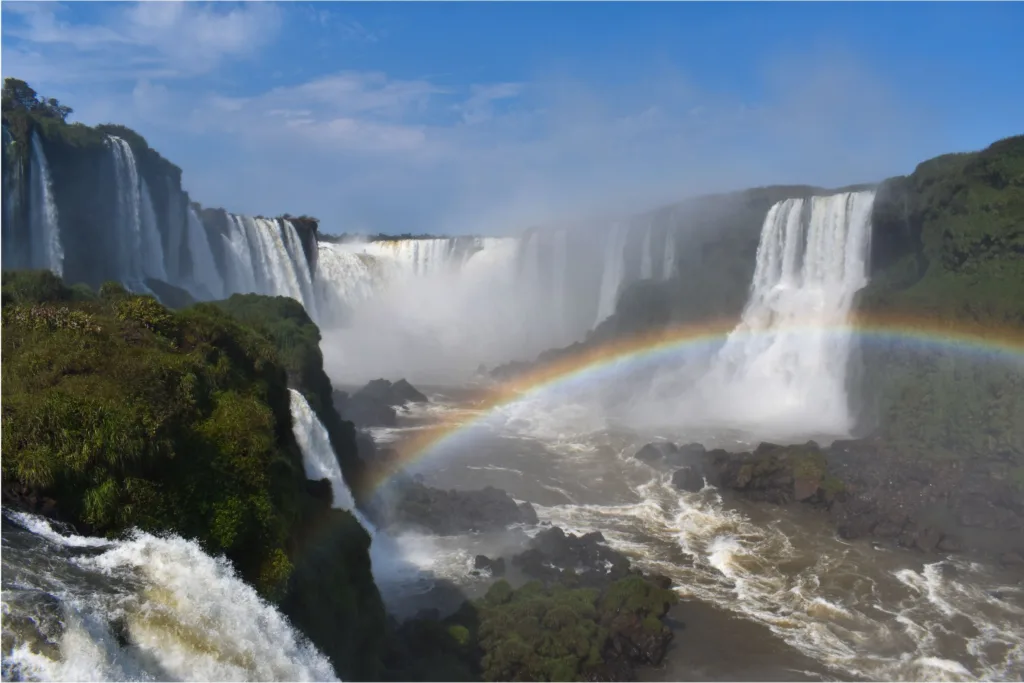

brazil is a land of sensory overload. from the rhythmic pulse of samba in the streets of Rio to the humid, deep green embrace of the amazon, the country pulses with energy. But if there is one constant that governs life from the southern pampas to the northern coast, it is the sun. It isn’t just a weather condition; it’s a lifestyle, a challenge, and occasionally, a formidable opponent. For those visiting or even those living here who aren’t quite acclimated, the heat can go from glorious to grueling in a matter of minutes.
The Nature of the Brazilian Glow
The geography of Brazil plays a significant role in how the sun hits. Because a massive portion of the country sits between the Equator and the Tropic of Capricorn, the solar radiation is more direct and intense than what most people experience in North America or Europe. This isn’t the kind of heat that gently warms your skin; it’s a penetrating heat that can lead to rapid dehydration and skin damage if you aren’t paying attention. The humidity in coastal cities like Salvador or Recife adds another layer to this, as it prevents sweat from evaporating efficiently, making it harder for your body to cool itself down.
Understanding that the ‘real feel’ temperature often sits five to ten degrees higher than what the thermometer says is the first step in staying safe. When the air is thick with moisture, your internal cooling system—evaporative cooling—hits a wall. This is why you’ll see locals moving a bit slower during the peak of the afternoon. It isn’t laziness; it’s biological preservation.

Navigating the Danger Zones of Heatstroke
Heatstroke is the silent predator of tropical vacations. It doesn’t always start with a bang; it often begins with a slight headache, a bit of dizziness, or a sudden lack of sweat despite the blistering heat. If your skin feels hot and dry to the touch while you’re standing in 95-degree weather, your body has stopped being able to regulate its temperature. This is a medical emergency, not a ‘sit down for five minutes’ situation.
To prevent reaching this critical point, you have to be proactive. This means more than just drinking water when you’re thirsty. By the time you feel thirsty, you’re already behind on fluids. In Brazil, you have the ultimate weapon against dehydration: água de coco (coconut water). It’s sold on almost every corner and beach, and it’s packed with electrolytes like potassium and magnesium that plain bottled water lacks. Making a habit of alternating between mineral water and coconut water throughout the day can be the difference between a great night out and a miserable evening in a hospital bed.
The Art of the Brazilian Shadow
If you watch how people navigate the streets in cities like Fortaleza or Cuiabá, you’ll notice a pattern. People don’t walk in the middle of the sidewalk; they hug the buildings, seeking the thin sliver of shade provided by eaves and balconies. This ‘shadow hopping’ is an essential skill. Between 10:00 AM and 4:00 PM, the sun is at its most aggressive. If you’re planning a walking tour or a long hike, try to schedule it for the early morning or the late afternoon when the shadows are long and the air is slightly thinner.
Dressing for the Tropics
Forget heavy denim. In the Brazilian heat, fabric choice is everything. Natural fibers like linen and light cotton are your best friends because they allow air to circulate around your body. While it might seem counterintuitive, wearing light, long-sleeved shirts made of UV-protective fabric can actually keep you cooler than a tank top by keeping the direct sun off your skin. Don’t forget a wide-brimmed hat—not just a baseball cap, which leaves your ears and the back of your neck exposed to the burn.
Water Intake Beyond the Bottle
Staying hydrated in Brazil is also about what you eat. Luckily, the local cuisine is perfectly adapted for the climate. Tropical fruits like watermelon, pineapple, and oranges are ubiquitous and provide much-needed hydration along with vitamins. However, be cautious with alcohol. A cold cerveja or a refreshing caipirinha on the beach is a quintessential Brazilian experience, but alcohol is a diuretic. For every alcoholic drink you consume, try to match it with two glasses of water. The combination of high heat, high humidity, and alcohol is the fastest route to a severe ‘heat hangover’ that can ruin days of your trip.
Managing the Burn: Prevention and Aftercare
A ‘bad sunburn’ in the tropics isn’t just some redness that turns into a tan. It can be a second-degree burn with blistering and systemic fever, often called ‘sun poisoning.’ The UV index in Brazil frequently hits ‘Extreme’ levels. This means that fair-skinned individuals can start burning in as little as 15 minutes of unprotected exposure.

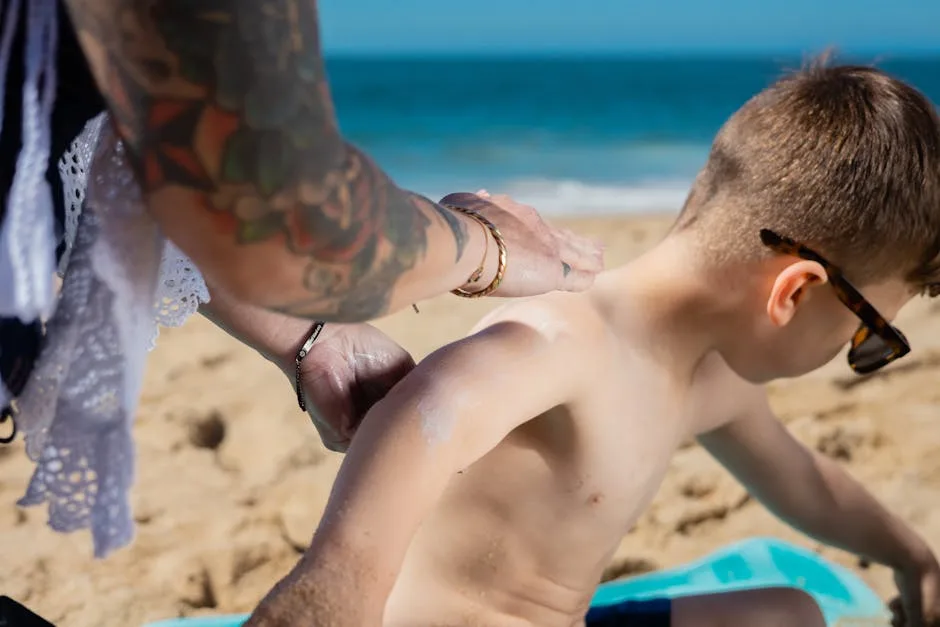
Apply sunscreen at least twenty minutes before you even step outside. If you wait until you’re at the beach, you’re already too late. Use a broad-spectrum SPF of at least 50, and remember that sweat and ocean water will strip it away regardless of what the ‘water-resistant’ label says. Reapply every two hours religiously. If you do end up with a burn, skip the heavy, oil-based creams which can trap heat in the skin. Opt for pure aloe vera gel or specialized after-sun lotions containing calamine or chamomile to draw the heat out.
The Secret Role of Humidity and Airflow
Air conditioning is common in major Brazilian cities, but relying on it exclusively can make the transition back to the outdoors even harsher. A better strategy for long-term comfort is focusing on airflow. Whether it’s a ceiling fan or the natural breeze coming off the Atlantic, keeping the air moving is vital. If you’re staying in a place without A/C, keep the windows closed and curtains drawn during the hottest part of the day to keep the cool air in, then open everything up once the sun goes down to let the evening breeze circulate.
Listen to Your Body’s Internal Compass
The most important tool you have is self-awareness. If you start feeling unusually fatigued, irritable, or if you develop a ‘pounding’ sensation in your temples, stop. Find a cool, shaded area, drink fluids slowly, and dampen your skin with cool water. Brazilians are known for their ‘jeitinho’—their way of finding a solution for everything—and the best solution for the heat is respect. Respect the power of the sun, respect your physical limits, and don’t try to power through symptoms. By pacing yourself and staying mindful of hydration and protection, you can enjoy everything this vibrant country has to offer without the literal burn.