

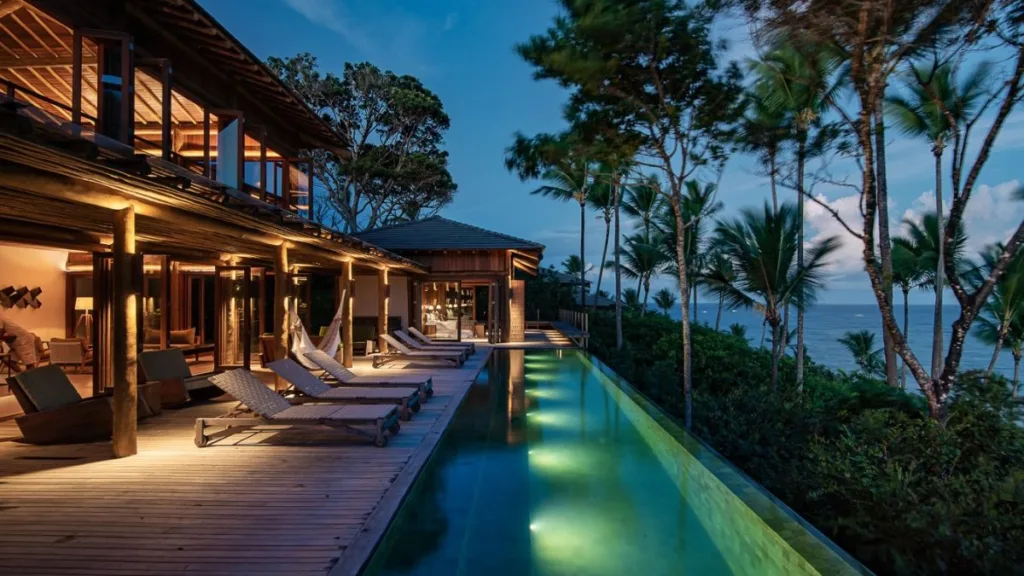
I still remember the sound of old floorboards under my feet as I stepped into a restored casa on the Quadrado in Trancoso, a ceramic cup of strong coffee warming my hands while the Atlantic breeze pushed the scent of salt and coconut oil through the open doorway. That first slow hour—reading a postcard, watching locals set up their tiny beach bars—felt like being given the island’s secret: you could have real luxury here without the pretense that often comes with the label.
Why Brazil’s luxury scene is different (and better) than you expect
Luxury in Brazil rarely means marble atriums downtown and fluorescent chandeliers. What makes a hotel wealthy-feeling here is place—landscape, the relationship to the beach, the attention to local craft—and the staff who know your name by the second day. If you crave white-tablecloth pomp, Rio and São Paulo deliver that. But if you want a high-end stay that breathes the coast, invests in local artisans, and makes sustainability part of the service, head to the resorts on this list.
How I chose the resorts on this list
I’ve spent years leading small groups across Brazil and testing stays at dozens of properties. The places below are not “best” because they have the biggest lobby; they earned a spot because each offers: distinct architecture integrated with nature, service that feels personal rather than scripted, and a location that allows you to actually experience Brazil—its seafood, its beaches, its people. I’ve included options for honeymooners, families, and travelers who want to go off-grid without bunking down in a tent.
Trancoso: slow luxury on the Quadrado
Trancoso’s Quadrado—the village green framed by simple churches and designer boutiques—still sets the tone. Some of the best luxury here began as local houses converted into guest rooms, and they keep that intimate scale. When you stay near the Quadrado you don’t just sleep near the action; you become part of it. Walkable beach access, afternoons in a hammock, and dinners that end with freshly made tapioca and a caipirinha are the baseline.
Two types of stays work here: boutique casa-hotel experiences where each accommodation is unique (think private patios, handcrafted furniture, local art) and larger beachfront properties that trade intimacy for facilities—spacious pools, formal dining, and on-site spas. Most foreign visitors fly into Porto Seguro and take a scenic 45–75 minute transfer to Trancoso depending on route and traffic.

Practical tip for Trancoso bookings
If you plan to travel between December and mid-March, or during Brazilian Carnaval, reserve a room months ahead. Trancoso’s charm attracts Brazilians first, then international travelers; if your heart is set on a particular casa, don’t wait. Also, ask your property about beach orientation—some villas face calmer, protected stretches of sand while others look toward surfier breaks.
Itacaré and the southern Bahia stretch: jungle-meets-beach sophistication
Drive north from Trancoso and the coast thins into wild cliffs, long surf points, and agroforestry working farms. Itacaré is where rainforest meets party-free beaches: surf in the morning, cacao chocolate tasting in the afternoon. Upscale resorts here charge a premium for privacy and views—expect on-site wellness programs and beachfront restaurants serving catch-of-the-day ceviche with dendê oil.
Why choose a resort in southern Bahia
- Direct contact with Atlantic rainforest—some properties open into protected reserves so you can hike out of the spa and straight into the trees.
- It’s surf-friendly but also family-friendly; many resorts offer different room types to suit couples and families.
- Food here is an event: Bahian cuisine is Afro-Brazilian at its most vibrant.
Muro Alto and Porto de Galinhas: lagooned luxury without the drama
On Pernambuco’s coast the reefs create glassy lagoons that feel private even at higher occupancy. Resorts here emphasize lagoon villas, calm swimming, and long, meandering beachfronts. If you want to snorkel right from your hotel’s sandbar, choose a property on Muro Alto or the quiet edges of Porto de Galinhas rather than the busier main strip.
What families and active couples should know
Many high-end resorts in this region offer water-sports centers, kids’ clubs that go beyond babysitting, and excursions that combine boat rides with beach picnics. If you’re bringing kids, ask about villa layout (ground-floor rooms opening onto grassy areas feel much easier) and whether the resort provides reef-safe sunscreen—many now do.
Ponta dos Ganchos and the southern coastline: private-island intensity
South Brazil has a different palette: stone cliffs, Eucalyptus-scented air, and a cooler ocean. Ponta dos Ganchos on the Santa Catarina coast feels like a private archipelago—bungalows perched on the cliffs, paths carved into native vegetation, and quiet coves that only guests use. If your standard of luxury includes absolute solitude mixed with gourmet meals, this is the pace.
Real logistics
Most guests fly into Florianópolis and make a road transfer; the short boat ride or winding coastal drive is part of the charm. If you’re traveling from the southern capitals, internal flights are short and plentiful, making this a perfect add-on after a Rio or São Paulo stay.
Brazilian archipelagos: staying on Fernando de Noronha
Fernando de Noronha is its own country in the sense that you plan almost everything before you arrive. The island is protected, visitor numbers are controlled, and a daily preservation tax applies to help fund conservation. Accommodations are small and expensive by necessity; you’re paying for access to near-pristine reefs, quiet beaches, and some of the best scuba and snorkeling in Brazil.
There are posh pousadas that base their offering on private terraces and ocean views, but the island’s vibe remains low-key; flashy chain operations would feel out of step with island conservation rules and the tight local community.
How to make a Noronha trip painless
Book flights through Recife or Natal, pay the island preservation fee in advance if you can, and plan activities around tides—some beaches are best at certain times of day for spotting dolphins or turtles. Because the island limits visitor numbers, secure your accommodation early; the best places often sell out months ahead, especially in Brazilian school holiday periods.
Where Rio and São Paulo fit into the luxury map
If you want a stay that mixes metropolitan culture with a splash of glamour, both cities offer hotels that deliver formal, old-school luxury—white-gloved service, fine dining, and easy access to museums and nightlife. But the coastal resorts listed above give you a different kind of luxury: one where the day’s highlight is a dip in the ocean and a stroll to a tiny shore restaurant, not a rooftop bar with skyline views.
How the best resorts earn their rates (beyond the obvious)
Price can reflect three things: location, exclusivity, and how much the property invests in being local. The resorts I recommend spend on sustainable practices, hire locally, and partner with artisans. You’re not only paying for a room; you’re paying for a community model that filters down into what you taste and see: fresh seafood supplied by fishermen you might meet, furniture from nearby woodworkers, and staff who grew up in the region and can tell you the best off-grid beach for a swim.
Questions to ask before you book
- Do rooms have open-air elements (terraces, plunge pools) or are they fully enclosed?
- What is the beach access like—private, shared, or a short walk?
- Does the resort help with local activities (dive operators, private boats, cultural excursions)?
- How does the property participate in conservation or community programs?
Service patterns and what to expect from staff
Brazilians are warm; that’s a cliché for a reason. In a top resort the staff hit a careful balance between being friendly and leaving you alone. Don’t be surprised when the hotel concierge arranges a private chef for a beach dinner or helps coordinate a last-minute surf lesson with a local pro. Gratitude and modest tipping are welcomed; tipping has become more common at higher-end properties, especially for personalized services like private transfers and bespoke excursions.
Dining: seafood, regional cuisine, and Brazilian hospitality on a plate
The standout resort meals rarely rely on imported techniques. Chefs source local catches and regional produce—Bahian dendê and coconut milk make savory dishes sing; Pernambuco’s sugarcane and seafood culture influence coastal plates; São Paulo’s luxury kitchens bring international techniques blended with Brazilian ingredients. If you care deeply about culinary experiences, ask resorts about chef residencies and whether menus change with the catch.
Best-for lists (quick picks by travel intent)
For honeymooners who want privacy
Choose a cliffside bungalow or a private villa with a plunge pool—some of the coastal properties designed as casinhas (little houses) feel especially romantic. Look for rooms that offer sunset-facing terraces and private dinners on request.
For families
Pick resorts with interconnecting villas or two-bedroom units that open onto gardens. Kids’ clubs in Brazil can be excellent, often integrating cultural activities like capoeira lessons or Brazilian folk craft sessions alongside supervised beach time.
For active travelers
Prioritize resorts that have in-house dive operations or partnerships with reputable operators, and those that run guided hikes into protected areas. Surf access matters here, too: surf-faced resorts arrange lessons and local guides for different skill levels.
Money matters: what ‘luxury’ costs in Brazil
Expect to pay more in absolute terms on the remote islands and conserved coastal pockets—places like Fernando de Noronha and small private-peninsula resorts have fewer rooms and higher operating costs, which shows in the rate. Conversely, you can find competitive luxury on the mainland where larger resorts have more rooms and economies of scale. Consider shoulder-season travel for better rates and still-good weather: Brazil’s shoulder months often deliver clear skies and fewer crowds.
Responsible travel—how to stay lavish and leave a light footprint
Choose resorts that reduce single-use plastics, that support local fishers rather than industrial supply chains, and that participate in reef or dune restoration projects. When booking, ask about the property’s waste management and freshwater usage policies—some resorts use rainwater collection and solar power, but not all. Bring reef-safe sunscreen and a reusable water bottle; those small acts matter in fragile marine environments.
How resorts show responsibility
- Locally sourced menus and employment of local staff.
- Partnerships with environmental NGOs or contribution to local preservation funds.
- Architectural choices that minimize shoreline impact—stilted bungalows, raised walkways, and use of local, sustainably harvested timbers.
Booking and timing: my practical checklist
• Reserve at least three months ahead for popular coastal weekends; six months ahead for high demand islands.
• Confirm transfer logistics—some properties require 4×4 transfers, private boats, or scheduled shuttle pickups.
• Ask how breakfast service works and whether you can get room service; some smaller pousadas close kitchens between lunch and dinner.
• Check whether the resort enforces noise curfews—many beachfront villas are in residential communities where late-night parties are frowned upon.
When to splurge and when not to
Splurge on the room that gives you the view you’ll use: a terrace with direct ocean access or a private pool you’ll actually swim in every morning. Skip upgrades that only buy you a bigger TV. Invest instead in excursions: a private boat to a secluded bay, a guided reef snorkel, or a chef-prepared beach meal will often outlast the memory of a slightly larger bed.
What I pack for a luxury coastal stay in Brazil
Hard goods: reef-safe sunscreen, a wide-brim hat, a light rain shell for sudden squalls (especially in tropical zones), and water shoes for reef walks. Soft goods: a lightweight evening layer—coastal nights can be breezy—and a neutral pair of sandals that dress up or down. Bring cash for small town markets and tips; many remote properties accept cards but offline moments happen.
One final, concrete takeaway
When you choose a luxury resort in Brazil, prioritize experience over status. Book the property that gets you onto the beach at sunrise and that helps you arrange the local boat or guide who knows where the turtles are nesting that day. If you do that, your stay becomes more than a high-end room: it becomes a local story you’ll tell long after the salt has washed out of your hair.