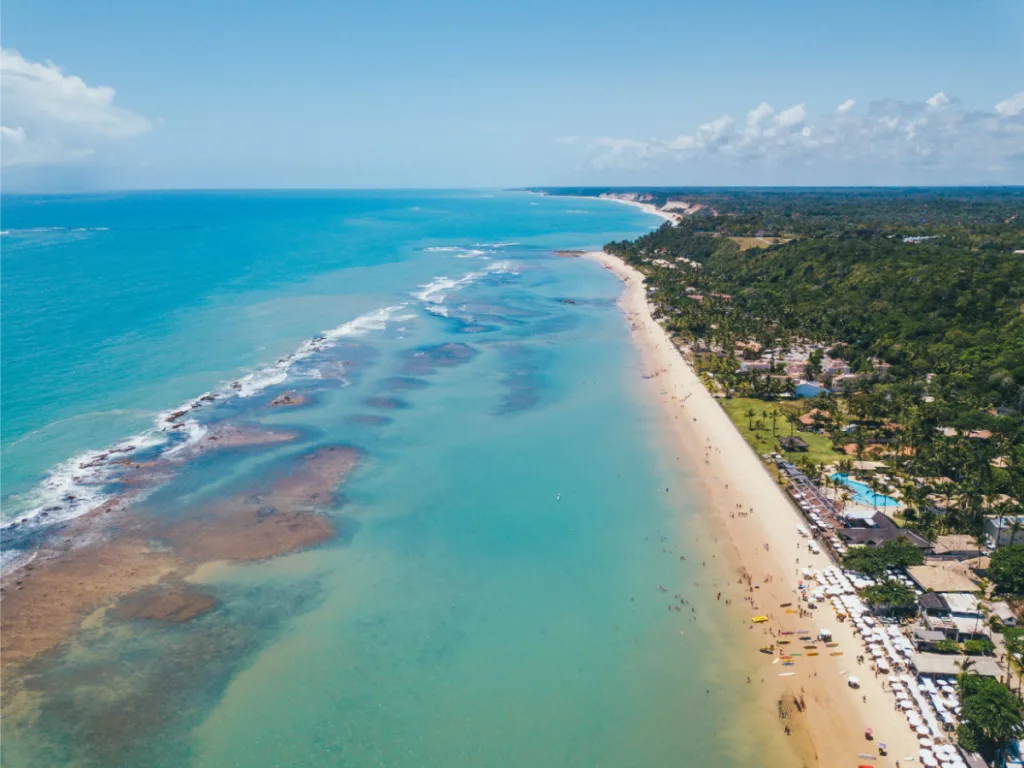


That first afternoon, with a coconut and an irritated landlord
I was arguing—not loudly—about a leaking window while the woman at the beach kiosk handed me a coconut. She pointed to the Atlantic, shrugged, and said in portuguese, “You’ll get used to the humidity.” I didn’t like the humidity at first. I liked the view. The next week I learned how much a local handyman charges to fix a window, where to buy brazilian coffee that doesn’t taste like charcoal, and which neighborhoods feel calm at night. Those small, practical discoveries are what retirement in João Pessoa actually looks like.
Why João Pessoa feels different from other Brazilian capitals
João Pessoa is small enough that the sea is never far and large enough to have decent hospitals, theaters, and a real rhythm of cultural life. It’s the easternmost capital of the Brazilian northeast, which gives mornings a particular light. The city has a local pace: people move slower, lunch is taken seriously, and forró music threads through market afternoons. If you’re picturing chaotic megacity Brazil—don’t. Expect a coastal provincial capital with surf, good seafood, and a surprisingly active cultural calendar.
Neighborhoods that matter for retirees
I tell people to think of João Pessoa as concentric living choices: beachfront neighborhoods for daily walks and taxis to cultural spots; middle-ring areas for supermarkets and quieter evenings; and newer, wealthier developments for gated security and higher-end services.
- Tambaú and Cabo Branco: Classic beachfront living. You wake up to promenades, vendors, and strong morning winds that keep mosquitos down. Good for walks and social life.
- Manaíra: Slightly more commercial, with shopping and conveniences within a short walk. Practical if you want shops and cafes nearby.
- Altiplano and Intermares: Newer developments and some gated communities. Often chosen by people prioritizing security and modern apartments.
- Historic center and Varadouro: Older architecture, local markets, less touristy. Better for culture seekers who don’t mind tradeoffs in comfort.
Housing: how to choose and what to expect
Finding a place in João Pessoa is straightforward if you know where to look. Real estate sites and local Facebook groups show apartments and houses; small real estate agencies often list rentals that bigger portals miss. Expect to negotiate a little. Brazilians haggle as a reflex: if a unit has been on the market a while, offers below the asking rent are common.
Condos are common along the beachfront. They usually include a doorman and sometimes a small pool or gym. Heating isn’t a thing here—no boilers, and you’ll save money on that. Air conditioning is a major running cost if you use it every day during the hottest months; invest in a modern, efficient unit for your bedroom and living room.
Rent, buying, and short-term stays—practical considerations
Short-term: if you’re testing the city, stay in an Airbnb or a small guest apartment near the beaches for a month or two. It helps you figure out which neighborhood you want before signing a lease.
Long-term: understand condominium fees. In Brazil, condo fees can include building staff, maintenance, water (sometimes), and shared electricity. They vary by building and are a major part of monthly housing expenses, so always ask for the last three months’ bills before signing a lease.
Everyday costs: groceries, eating out, and services
Groceries in João Pessoa are a mix of modern supermarkets and small local markets. If you want imported goods, you’ll find a few items in larger supermarkets but they’re expensive. Most expatriates shop mainland-style: buy fresh produce at outdoor markets, specialty items at one larger supermarket once a week, and fill in with neighborhood stores. Fish and seafood are abundant and often cheaper than beef.
Eating out is generous and affordable compared with many Western cities. A neighborhood restaurant serving regional dishes will often be cheaper than a touristy beachfront place. Look for “comida por quilo” restaurants—buffet-style where you pay by the weight; they’re convenient and allow you to control cost and portion sizes.
Household help and services
Many retirees use part-time domestic help—cleaning, laundry, cooking. Hiring through informal channels is common: ask neighbors or your building’s doorman for recommendations. If you prefer formal employment contracts, there are labor rules and taxes to consider; speak with an accountant to get it right. Local handymen and technicians are a phone call away; figure out which ones your neighbors trust and keep their numbers.
Transport and getting around
João Pessoa is a city you can navigate without owning a car if you like walking and using ride-hailing. Taxis and apps are plentiful near the beaches and central neighborhoods. If you plan to explore the state of Paraíba or travel often, a car makes sense; roads are generally good on primary routes, but expect slower local traffic and limited parking in beachfront strips.
Practical mobility tips
- Learn a few Portuguese phrases for hailing rides and asking directions—drivers appreciate it.
- Try to live close to the services you use daily: pharmacy, supermarket, and a clinic. That saves taxi fares and time.
- Keep a small card with your address and a contact in Portuguese to give drivers—useful if you need help returning home after a long walk or a night out.
The healthcare picture for retirees
Health comes up in every conversation I have with potential retirees. Here’s what I tell people straight: João Pessoa has both public health services through the national system and a network of private clinics and hospitals. Most foreigners choose to rely on private care for routine appointments and emergencies because wait times are shorter and English-speaking staff are more likely in private institutions.
Private health insurance versus pay-as-you-go
Many retirees take private health insurance (plano de saúde). These plans vary in coverage and price; they can cover consultations, tests, hospital stays, and specialist care. If you already have international travel insurance for the first months after arrival, you’ll buy time to compare local plans and healthcare providers. If you plan to stay long-term, a local plan usually makes sense because it reduces out-of-pocket surprises.
How to find good doctors and clinics
Word of mouth is the fastest route. Ask neighbors, your building doorman, or expat groups for recommendations. Check if clinics have specialists in internal medicine, cardiology, orthopedics, and geriatrics. For anything complex, larger hospitals in Recife and Natal are not far away by air, but João Pessoa handles most common retirement-age needs.
Money, banking, and tax basics
Brazilian banking has modernized fast. If you plan to open a local account, you’ll need documentation: passport, proof of address, and depending on your status, a CPF (Brazilian tax ID). Many retirees start by using international debit cards and transferring money through remittance services before moving fully to local banking. Use a well-rated remittance provider to save on conversion and transfer fees.
Paying bills and controlling spending
Almost all utilities and services offer boleto bancário (a pay-by-slip that you can pay at a bank or online) and direct-debit options if you have a Brazilian account. Credit cards are widely accepted in the city’s commercial zones, but some neighborhood shops prefer cash. Keep both options available.
Social life, culture, and how to feel at home
Retirement here is as social as you make it. Weekends are for long walks on the promenade, small coffee bars, and dropping into cultural events. There’s a strong local music scene; forró shows and dance evenings are everywhere during June’s São João celebrations and scattered through the year. If you want to volunteer, local NGOs and community centers welcome English speakers for teaching or administrative help.
Making friends and language
Portuguese opens doors. You’ll get by with basic phrases, but the deeper friendships come once you can hold a proper conversation. I recommend conversational classes focused on daily tasks—doctor appointments, banking, and social exchanges. Language exchanges exist—bring coffee, make friends.
Safety and practical cautions
João Pessoa is not a war zone. But like any city, it has safer and less safe areas. Beachfront promenades and tourist areas are well-patrolled during the day; after dark, stay in well-lit places and avoid carrying valuables. Smart, low-cost precautions—use a money belt for transit days, leave passports in your apartment safe, and don’t flash expensive cameras on quiet streets—go a long way.
Monthly budget examples (realistic scenarios)
People often ask for a single number. There isn’t one. Instead, here are three realistic scenarios that mirror actual expatriates I know in João Pessoa. Use them as templates to build your own budget.
- Lean explorer: You stay in a modest apartment, cook most meals, use public transport, and take occasional private health visits. You socialize selectively and keep travel to a minimum.
- Comfortable local: You rent a one- or two-bedroom in a central neighborhood, eat out sometimes, use ride-hailing occasionally, have a local health plan, and employ part-time help.
- Upscale retiree: You buy or rent in a premium condo with services, dine at nice restaurants regularly, travel regionally, and have comprehensive private health coverage and domestic staff.
Each profile requires different habits: the lean explorer shops at markets and cooks; the comfortable local combines markets and restaurants; the upscale retiree relies more on services and convenience.
The paperwork side: residency and practical admin
If you’re not fluent in Portuguese, hire a local lawyer or immigration consultant for residency paperwork. They’re worth the fee for handling documents and translating notices. Many retirees start with a tourist visa and transition to a permanent residency route—you’ll want professional guidance rather than guessing through forms.
Phones, internet, and staying connected
Mobile coverage in João Pessoa is solid around the city center and beaches. Prepaid SIMs are easy to buy and recharge at kiosks and supermarkets. Fiber internet is available in many neighborhoods; check building connectivity before you sign a lease. Video calls work well for telemedicine and staying in touch with family abroad.
Healthier habits that save money and grief
Invest in preventive care. Join a gym or a morning walking group. Local doctors appreciate patients who come prepared with notes and a list of medications. Keep copies of medical records and vaccination history—use a simple binder or a scanned folder in the cloud. When something does go wrong, being organized cuts stress and expense.
When you need specialists or complex care
For complex procedures, larger medical centers in Recife (Pernambuco) and Natal (Rio Grande do Norte) are regional hubs. Depending on your condition and insurance, a short domestic flight can connect you to advanced care. Talk to your insurance provider about out-of-network coverage and referrals before leaving João Pessoa for specialist appointments.
Practical moves I recommend before you leave
- Spend two months in the city before committing to a long-term lease. Test neighborhoods, clinics, and grocery shopping routines.
- Pack a small first-aid kit and bring your prescription records in Portuguese if possible; pharmacies will appreciate clarity on names and dosages.
- Line up a local translator or bilingual friend for the first few bureaucratic appointments—banking, health plan enrollment, and lease signings.
Financial safety and planning for the unexpected
Keep an emergency fund accessible in a global currency, and maintain at least one international health coverage policy while you transition to local plans. Make a signed power of attorney and a will that’s valid in both your home country and Brazil; legal advice is essential here. Estate rules and tax treaties vary and a small professional fee can save a huge headache later.
What surprised me most about living here
It wasn’t the beaches. It was how quickly a neighborhood market becomes a social anchor. I’d run into the same vendor twice a week and eventually started swapping recipes. Neighbors call each other for small favors. That rhythm—easy, practical, neighborly—matters more than any cost spreadsheet.
Retirement in João Pessoa is not a spreadsheet decision alone. It’s a daily-choice life: which coffee to drink, when to walk the beach, who you invite to dinner. If you like the Atlantic wind, seafood markets, and a city where people will stop to help you find your street, João Pessoa will reward that curiosity. If you prefer easy access to big-city medicine or nonstop international flights, plan for periodic trips to regional hubs.
A single concrete takeaway
Test the city for a few months before making major commitments. Use that time to lock in a local clinic, find a trustworthy handyman, and learn enough Portuguese to handle basic appointments. Do that, and the rest—where to buy coffee, which locksmith to call at 7 p.m., which promenade bench is best at sunset—becomes simple, and exactly the sort of small, joyful decisions that make retirement here feel like living rather than managing.