
Why Minas Gerais deserves its coffee pilgrimage
Minas Gerais is not just a state on the map; it’s a living, breathing coffee story. If you want to understand how brazil became the world’s coffee powerhouse, drive into the rolling hills of Sul de Minas and mantiqueira de Minas. Here the landscape is quilted with terraces and shade-grown rows, and the old fazendas — the historic coffee estates — still shape local life. This four-day road trip stitches together manageable drives, hands-on farm visits, and enough cupping and pão de queijo to leave you wired and satisfied.
Planning the route and when to go
Target late May through September for the most dramatic scenes: harvest activity, workers at the terreiros (drying patios), and scent of fresh-roasted beans in the air. These months are cooler, drier, and best for visiting working farms. You’ll want a rental car with decent clearance; some fazendas sit on gravel approaches and narrow mountain roads. Cell service can be intermittent, so download maps and a few driving directions before you leave the highway. Fill up fuel whenever you hit a larger town — rural pumps can be sparse on the back roads.
Essential logistics for foreign visitors
If you’re flying in, São Paulo (GRU) or Belo Horizonte (CNF) are practical gateways. From São Paulo, the Sul de Minas coffee belt is roughly a three- to five-hour drive depending on your final stop. From Belo Horizonte, drives are similar in duration to the Mantiqueira zone. Bring a physical driver’s license or an international driving permit if you plan to drive yourself; local car rental offices will ask for a credit card and ID.
Pack layers: daytime highs can be warm, mountain mornings and evenings often want a jacket. Cash is handy for small farm purchases, though most pousadas and roasters accept cards. And bring a small reusable cup or filter if you plan to join cuppings — farms sometimes limit disposable use and love seeing people care about the process.
Day 1 — First impressions: arrival and a farmhouse welcome
Start by arriving in the Sul de Minas region and settling into a classic fazenda pousada. Many of these historic houses were once centers of production and now host guests in restored rooms with high ceilings, wooden floors, and wide verandas. Spend your first afternoon walking the estate: see coffee shrubs interplanted with shade trees, a whitewashed chapel, and the long, low buildings that housed processing equipment. A late-afternoon stroll gives you the best light to study the contours of the land — and to hear local farmers describe their seasonal rhythms over a fresh cafe9 coado.

Day 2 — From field to patio: harvest and processing
Book a guided farm tour, ideally one that includes a hands-on segment. On many fazendas you’ll move through defined stages: the picking rows, the pulping area where cherries lose their skin, and the drying patios where beans spread out on large flat surfaces to sun-dry. Spend time on the terreiro to watch the meticulous raking and turning — drying is an art. Ask to observe or join a cupping session: you learn to assess acidity, body, and aroma and see how one micro-lot can differ subtly from a neighbor’s.
That evening, choose a local roastery or a farm kitchen for dinner. Minas has a distinct regional cuisine; try feijoada or a home-style meal served with milho and mandioca, but don’t miss the pairing of dark-roasted espresso with doce de leite for dessert. The contrast is exactly why café culture in Minas is both daily habit and culinary expression.
Day 3 — Historic fazendas, coffee stories, and small-town markets
Spend the morning visiting a historic fazenda museum or a farm that preserves archival objects: scale weights, wooden pulpers, old sacks stamped with export marks. These artifacts tell how coffee shaped the built landscape and local social structures. After the museum visit, drive into a nearby small town for the market. Town markets in places like Treas Pontas or Carmo de Minas brim with local beans sold directly by producers, and you’ll find family-run roasters offering single-origin lots. Bring home small bags labeled with harvest year and lot — you’ll appreciate the provenance when you’re brewing in your rental the next morning.
Day 4 — A slow last morning and a scenic drive home
Plan a slow last morning: a final farm breakfast with fresh eggs, cheese, and that inevitable pão de queijo; one last look at the plantations as mist lifts off the terraces. If time allows, take a short trail on the fazenda — many estates include native forest fragments, small waterfalls, or viewpoints that make the agricultural landscape feel connected to the mountains around it. Then begin your drive back to the city, stopping at a roastery for to-go beans and a farewell espresso.
What you’ll taste and what to look for at cuppings
A Minas cup ranges widely: the Cerrado Mineiro lots tend to be round and syrupy with nutty and chocolate notes; Mantiqueira de Minas lots often show bright fruit acidity and floral top notes because of higher altitudes. During a cupping, watch the stages closely: the dry aroma, the bloom (when hot water releases first scents), and then the cooled cup where subtleties emerge. Learn the difference between washed and natural processing — washed coffees will taste cleaner and brighter, naturals often present intense fruitiness because the cherry dried on the bean.
Where history meets hospitality: staying on a fazenda
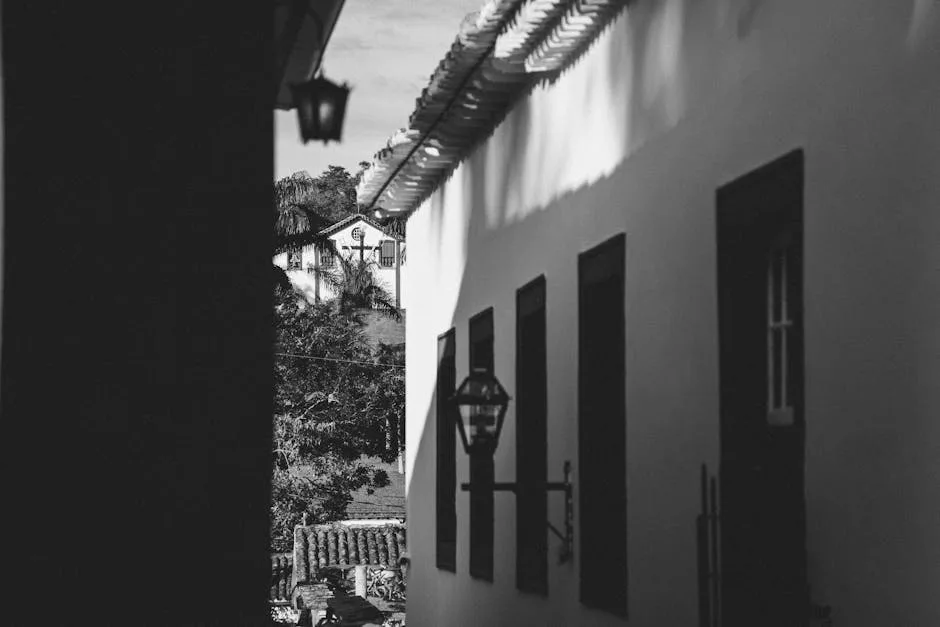
Historic fazendas that welcome guests do more than provide beds; they make space for conversation. Hosts will often show the main house (casa-sede), the family chapel, and the workers’ quarters. These visits are reminders that coffee in Minas carries a complex history: wealth and architecture built on agriculture, long labor traditions, and cultural exchange. Respectful curiosity goes far — ask about the farm’s family history, its coffee practices, and how community life unfolds across seasons.
Route suggestions and time on the road
For a four-day loop, concentrate your driving and avoid crisscrossing the state. One practical loop runs through towns and areas most associated with specialty coffee: base yourself in a fazenda near Carmo de Minas or a pousada around Treas Pontas, then visit neighboring farms in the Mantiqueira and Sul de Minas. Daily drives between farms often fall between 30 and 90 minutes; plan for occasional slower stretches on secondary roads. Remember: the experience is the destination. A shorter drive and more meaningful farm time always beats a rushed, long-distance scramble.
Safety, etiquette, and cultural notes
Be polite and direct: farm owners appreciate punctuality for scheduled tours, and many farms run tight harvest calendars. If you’re invited to a family meal or chapel service, accept when possible — these are genuine windows into local life. Take care around agricultural machinery and drying patios; wear closed shoes and sunscreen. Many farms are private property, so always join a guided tour or ask permission before wandering. Finally, a few words of Portuguese go a long way: learning basic phrases shows respect and opens up conversations that English alone rarely will.
What to pack for a coffee farm road trip
Stick to practical items: a light waterproof jacket, layers for chilly mornings, closed-toe walking shoes, sunglasses, and a refillable water bottle. Bring a small notebook if you plan to cup — jotting tasting notes helps you remember lots later. If you prefer certain brewing gear at home, pack a small travel grinder or an Aeropress; many pousadas have kettles but not specialty brewers.
Buying coffee and supporting local producers
When you buy beans, look for explicit origin information — farm name, altitude, lot number, and harvest year. Single-origin lots from a named fazenda support traceability. Ask about direct trade or cooperative programs; many smallholders sell through cooperatives that support quality improvements and community investment. If you’re bringing beans home, check your airline’s rules for food and agricultural products to avoid complications at customs. Roasted beans are usually fine for personal use, but sealed bags with clear labeling make inspections smoother.
Savor the smaller discoveries
Between cuppings and drives, give yourself time for quiet discoveries: a roadside vendor selling freshly fried pão de queijo, a bookshop in a small town with old pamphlets about coffee cultivation, a morning fog that lifts to reveal patterned plantations. These moments make the trip more than a checklist. They connect the visitor to rhythms that have shaped Minas for generations.
After you return: brewing and sharing what you learned
Back home, recreate your favorite farm cup. Roast and brew in small batches, compare a washed and a natural lot side by side, and invite friends to a mini-cupping. Share the farm’s story with the coffee — who grew it, where, and how it was processed — because that context is what transforms a beverage into a memory.
Final practical tips before you leave
Book farm visits ahead of time—especially during harvest—so owners can schedule staff and ensure an authentic experience. Carry a spare phone charger in the car, keep your passport accessible, and plan fuel stops for longer days. Above all, slow down. The value of this road trip is not how many fazendas you tick on a map, but the conversations, the smells, and the cups that let you taste Minas’ coffee story directly.

Where this route fits in your bigger Brazil travels
This four-day loop through Minas’ historic farms slots neatly into a larger Brazilian itinerary. Pair it with a cultural stay in Belo Horizonte or a colonial history detour to Ouro Preto and Tiradentes, and you’ll see different chapters of Minas’ past and present. The coffee route offers a sensory chapter — tactile, aromatic, and deeply local.
Helpful phrases in Portuguese for coffee visits
Learn a few key lines: “Onde vocês vendem o café?” (Where do you sell coffee?), “Posso acompanhar a colheita?” (Can I watch the harvest?), and “Que método de secagem vocês usam?” (Which drying method do you use?). These simple sentences open doors and show you’re engaged beyond the tourist gaze.
Ready to go? A short checklist
- Confirm farm tours and breakfast times.
- Pack layered clothing and closed-toe shoes.
- Download maps and mark fuel stops.
- Bring cash and small shopping bags for beans.
- Practice a few Portuguese phrases for greetings and questions.
This Coffee Route through Minas Gerais is part education, part delicious indulgence. You’ll return with jars of beans, new tasting vocabulary, and a clearer sense of how geography, climate, and human care shape every cup. Drive slowly, listen closely, and let the farms tell you their history one bean at a time.