
Why Sergipe feels like a secret you actually want to tell
Sergipe is the kind of place that surprises travelers who expect brazil to be only big cities and endless coastlines. It’s the country’s smallest state by area, but its compact size is an advantage: you can cover beaches, colonial towns, canyons and a national park without spending half a day on a bus. For foreigners interested in Brazil beyond Rio and Salvador, Sergipe offers an approachable, authentic slice of northeastern life that’s easy to fit into a broader Brazil itinerary.
Aracaju: beachside rhythms and welcoming neighborhoods
Aracaju is the state capital and the natural place to start. The city keeps a relaxed tempo—people move slower, cafés open early and the coastline is integrated into daily life. Orla de Atalaia, the wide seaside promenade, is lined with cyclists, salt-of-the-earth vendors and modern attractions: an oceanarium, craft markets and a beachfront strip where families gather at dusk. Museums are compact but thoughtful; Museu da Gente Sergipana in particular stands out for an interactive presentation of local history, music and crafts that’s approachable even if your Portuguese is limited.
Practical points: Aracaju has an international airport (Aracaju–Santa Maria Airport, code AJU) with flights to major Brazilian hubs. Downtown and Atalaia are walkable in parts, but a short Uber or taxi ride gets you between neighborhoods quickly. The hotel scene ranges from modest pousadas to beachside mid-range hotels—expect friendlier prices than Brazil’s more touristed cities.
São Cristóvão: a colonial heartbeat
A short drive inland reveals São Cristóvão, one of the oldest towns in the region. Its compact colonial center preserves narrow streets, churches and a central square that reads like a living museum of Brazil’s early provincial life. Wander past brightly painted houses, visit small historical museums and try a cafezinho in a shaded plaza. The town’s relaxed tempo and clear sense of continuity make it a good place to understand Sergipe’s colonial roots without the crowds common in better-known heritage cities.
Local museums and churches open on set schedules—mornings and late afternoons are often best—and vendors in São Cristóvão sell handcrafted items that reflect local materials and motifs. If you like photography, the town’s light is especially flattering late in the afternoon when sun and shade play across the facades.
Coastal escapes: beaches beyond the brochures
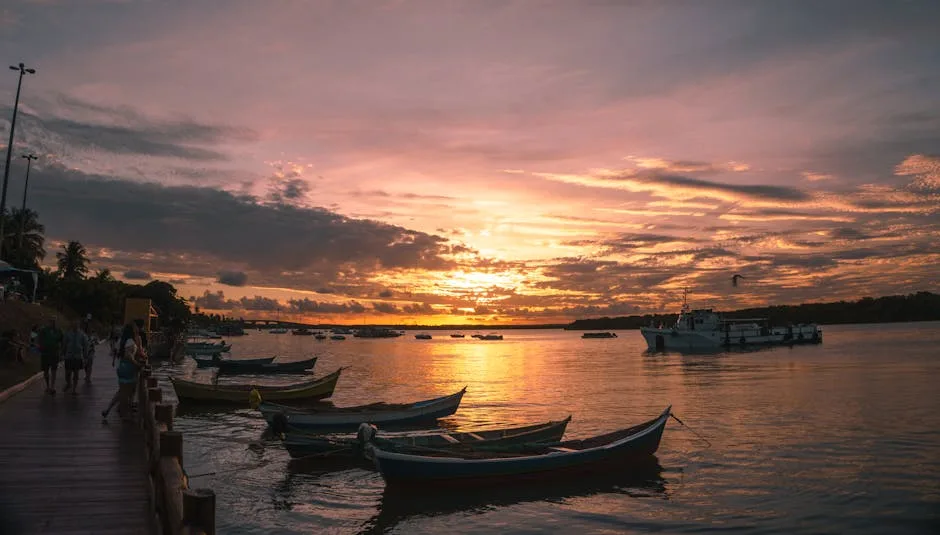
Sergipe’s coastline is short compared with neighboring states, but it includes a surprising variety of environments. Aracaju’s Atalaia is ideal for a stroll and a night out, while a short drive southeast takes you to quieter beaches and fishing villages where the pace slows and fresh seafood is the rule.
Praia do Saco, in the municipality of Estância, is often singled out as one of Sergipe’s showpiece beaches: long stretches of sand backed by dunes and calm, clear water that’s excellent for swimming. Nearby coastal lagoons and mangrove systems are important for birdlife and local fishing communities. Boat tours along the estuaries reveal a coastal ecosystem where mangroves, shrimps and crabs support a way of life that predates modern tourism.
Seafood is central to coastal dining. Expect grilled fish, crab preparations and stews flavored with coconut milk and local herbs. Portions are generous, prices tend to be fair and markets in Aracaju sell fish and shellfish early in the morning if you want to sample catch-of-the-day dishes right at the source.
Xingó Canyon: dramatic water-carved scenery
One of Sergipe’s most compelling natural attractions sits along the São Francisco River: the Xingó Canyon. Regular boat tours leave from Canindé do São Francisco and nearby ports, carrying passengers into a narrow gorge framed by steep, sculpted cliffs and calm emerald water. The scale is surprising: cliffs rise sharply from the river and create photography opportunities that feel almost cinematic.

Photo by Matheus Bertelli via Pexels
Boat trips vary in length. Many include stops where you can swim in sheltered coves and short hikes to lookout points. Tours are usually guided and often include a stop at Canindé do São Francisco, a town you can use as a base. If you plan to visit from Aracaju, allow a full day or an overnight; the drive is several hours but scenery along the way rewards the effort, and staying overnight allows you to experience river life after the day trippers leave.
Serra de Itabaiana: pocket hikes and scrubland vistas
For travelers who want to trade palms for peaks, Serra de Itabaiana National Park offers accessible hiking within Sergipe’s interior. Trails wind through caatinga scrub and granite outcrops, culminating in viewpoints that overlook ridgelines and cultivated valleys. Routes vary from short walks to full-day hikes; local guides can point out endemic plants and explain how local communities have interacted with the landscape for generations.
Itabaiana town itself is a practical base—small restaurants, bakeries and local markets serve hearty meals to hikers returning from the trails. The park is an example of how Sergipe compresses different Brazilian landscapes into short distances: you can move from beach in the morning to a scrubland ridge by the afternoon if you plan your transport.
Music, festivals and flavors that tell stories
Sergipe’s cultural identity blends coastal rhythms and inland traditions. Forró—accordion-led dance music associated with the northeast—is a nightly presence in many bars and squares during festival season. June’s São João festivities are particularly lively: expect decorated streets, traditional dance groups (quadrilhas) and food stalls serving corn-based dishes and local sweets.
Carnival in Aracaju is friendlier and more local than the mega-parties of other capitals; you’ll find street bands, bloco parades and community-driven events where locals and visitors mix freely. Smaller town festivals focus on religious processions and saints’ days but often include music and food that feel more communal than commercial.
On the plate, Sergipe favors seafood and ingredients typical of the northeastern coast—coconut, peppers, cassava and rice. Street food and market stalls offer quick, satisfying bites: tapioca pancakes, fried pastries and grilled skewers alongside fresh fruit juices that taste like an education in regional produce. When you sit down at a family-run restaurant, you’ll taste cooking that’s straightforward and anchored to seasonality.
Practical travel tips that actually make life simpler
Language: Portuguese is the norm. In Aracaju and touristic spots you’ll find some English speakers, but a few phrases in Portuguese go a long way. Say bom dia (good morning), por favor (please) and obrigado/obrigada (thank you—gendered) and you’ll open doors faster than with a dictionary app alone.
Money and costs: Brazil uses the real (BRL). Credit cards are widely accepted in cities; markets and small beach stalls often prefer cash. ATMs are common in Aracaju; carry some small bills for taxis, tips and market purchases.
Getting around: BR-101 runs along the coastline and connects Aracaju to neighboring states. Bus companies link Aracaju with other regional hubs; for interior attractions like Xingó Canyon you’ll either book organized tours or rent a car. Ride-hailing apps operate in Aracaju, which makes short trips convenient and often cheaper than taxis. If you rent a car, be aware that GPS coverage is good in urban areas but less reliable on rural roads—download offline maps and confirm directions before you set out.
Safety: Sergipe is generally safer than many large Brazilian cities, but normal precautions apply. Keep valuables discreet, prefer licensed taxis or ride-hailing at night, and avoid poorly lit streets after dark. Local people are helpful—ask hotel staff for advice about neighborhoods and transit at any hour.
Health and timing: The coast is hot year-round. The wetter months tend to cluster roughly between March and July; the rest of the year is drier and sunnier. Pack light, breathable clothing, reef-safe sunscreen and a reusable water bottle. Check any vaccination or entry requirements before travel—rules change, and your home country’s travel advice is the best source for immunization guidance.
Suggested stays: compact itineraries that cover highlights
Short trip (3–4 days): Base yourself in Aracaju. Spend a day exploring Atalaia and the Museu da Gente Sergipana, another day visiting São Cristóvão and its colonial streets, and use your final day for a beach trip to Praia do Saco or a curated seafood lunch in a fishing village.
Balanced trip (5–7 days): Add a day trip to Xingó Canyon with an overnight in Canindé do São Francisco or return to Aracaju the same day if you prefer. Reserve another day for Serra de Itabaiana hikes or a slower inland drive that visits local markets and rural bakeries. This pace gives you time to watch a São João rehearsal or a live forró night without rushing.
Longer exploration (8–10 days): Mix Sergipe with neighboring states. From Aracaju you can head north or south along the coast to compare regional beach cultures, or travel inland to explore further São Francisco River experiences. Because distances are smaller than in larger Brazilian states, adding a few days expands depth rather than breadth.
How to meet locals and travel respectfully
Sergipanos are proud of their cuisine and traditions; participating respectfully will be appreciated. Learn a few Portuguese phrases before you go, ask permission before photographing people in intimate settings, and bring modest gifts if you’re invited into a home—coffee or bakery treats are always welcome. Support local artisans by buying crafts directly from makers rather than middlemen at large markets when possible.
When visiting natural areas, follow local guidance about reef protection, waste disposal and respectful behavior around fishing communities. Small actions—using reef-safe sunscreen, not disturbing mangroves and avoiding single-use plastics on boat tours—help preserve the ecosystems that sustain local livelihoods.
When to go and what to expect
Visit during the drier months if beaches and outdoor photography are priorities—roughly late spring through early summer months usually bring more consistent sun. To experience festivals, plan around Carnival (February/March, date varies) or São João (June). Shoulder seasons bring fewer tourists and slightly lower prices without large weather trade-offs.
Finally, expect a Brazil that feels approachable. Sergipe won’t overwhelm you with scale, but it will reward curiosity: a single week here can reshape how you think about the northeast—smaller towns with large cultural lives, river canyons that look like stage sets and beaches where a slow stroll reveals more than a postcard ever could.
Quick checklist before you go
- Pack light clothes, sunscreen and a Portuguese phrase list.
- Bring local currency for markets; cards are fine in cities.
- Book a Xingó Canyon boat trip in advance during high season.
- Consider renting a car for interior exploration, or hire trusted local tours for day trips.
- Carry a copy of your passport and travel insurance details.
Curious travelers who treat Sergipe as more than a short stop will find a state that repays attention: manageable, culturally rich and full of straightforward pleasures. Whether you’re tracing colonial streets, eating your first crab cooked in coconut milk, or watching the São Francisco carve a canyon through red rock, Sergipe makes those moments feel immediate and welcome.