
Why Jalapão Feels Like Another Planet
Step out of the car and the first thing you notice is the color of the light. It has a dry, golden quality that makes every rock and shrub look sculpted. That’s Jalapão: an expanse of cerrado—brazil‘s tropical savanna—where rippling sand dunes sit beside explosive green springs, and quiet plateaus drop into narrow canyons. Foreign travelers often arrive expecting a single highlight and leave with a list of moments that keep replaying in their heads: the impossible buoyancy of a fervedouro, the way the dunes glow at dawn, the sudden roar of a waterfall after a dusty road.
Getting There: Local Hubs and Why 4x4s Matter
Tocantins’ capital, Palmas, is the typical entry point for visitors heading to Jalapão. Domestic flights link Palmas to São Paulo and Brasília; from there you’ll travel overland. The two practical bases closest to the park are the towns of Mateiros and São Félix do Tocantins—small, service-oriented towns that act as staging points for multi-day tours. Roads inside the Jalapão region are mostly unpaved and sandy. Even when the sky is clear, deep sand traps ordinary vehicles; during the rainy season, tracks turn into rutted mud. For these reasons, almost every visitor travels with a local operator in a sturdy 4×4. These operators know the tracks, the safest crossing points, and where the best local guides wait to meet you.
Highlights You’re Going to Tell People About
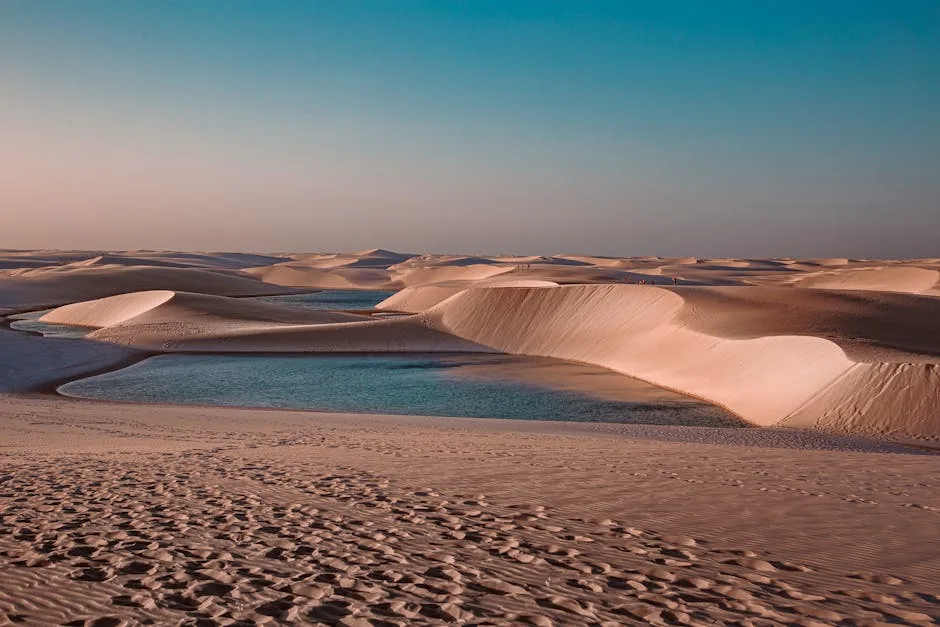
There are a few landscapes and experiences in Jalapão that immediately make it onto every traveler’s list, and for good reason. The sand dunes—stretching in golden waves—are perfect for sunrise walks and slow, barefoot sprints down steep faces. Then there are the fervedouros: clear, spring-fed pools whose pressure pushes you up so you can’t sink. You float as if on a cushion of water, mesmerized by the light through the water and the forest that edges each pool. Rivers like the Rio Novo and smaller waterfalls cut through rock and form natural swimming spots—refreshing rewards after hours on dusty tracks.

Unlike many national parks where sightseeing is clerical and linear, Jalapão feels improvisational. A canyon opens, and your guide points to a hidden plunge pool. You climb a plateau to watch vultures spiral in thermals. A roadside stop leads to a tiny community where you taste freshly made pão de queijo or arrange a river swim. The sense of discovery is constant.
Where to Stay: From Eco-Lodges to Starry Campsites
Accommodation in and around Jalapão ranges from simple pousadas in town to eco-lodges and organized camps. Mateiros is the most established hub, offering basic guesthouses and small hotels where you’ll find hot showers and local breakfasts. For a deeper nature experience, many travelers opt for eco-lodges that emphasize sustainability: they use solar power, source food locally, and keep a low footprint. Camping is also common—either in organized campsites run by operators or as part of lodge programs—and sleeping under Jalapão’s sky is unforgettable. Without city light, the Milky Way feels close enough to touch.
When choosing where to stay, ask about water use and waste management. The region’s springs and aquifers are fragile; lodgings that demonstrate clear environmental practices are worth a small premium. If you’re traveling on a tighter budget, book early with a trusted operator who includes basic camping gear in their package so you don’t need to haul everything yourself.
Packing Smart: Essentials for a Remote Savanna
Packing for Jalapão is practical more than glamorous. Think layers: days are hot and dry, while mornings and nights can be surprisingly cool on the plateaus. Bring breathable long sleeves and a sun hat for daytime protection; a light fleece will be useful after sunset. Sturdy hiking shoes or closed-toe sandals will make walking across mixed terrain easier. A good pair of sunglasses and high-SPF sunscreen matter—reflective sand and clear water amplify sun exposure.
There are a few non-negotiables: plenty of water bottles (hydration is essential on dusty tracks), insect repellent, and a small first-aid kit. Cash is king in rural Tocantins—many small shops, markets, and even some lodges prefer or only accept cash. Also bring biodegradable soap for washing and be prepared to follow strict rules at springs: most fervedouros prohibit sunscreen, insect repellent, or soap in the water to protect the aquifer’s purity. A dry bag will keep your camera gear safe during river crossings and sudden showers.
Cultural Notes: Meeting People of the Backlands
Jalapão is not a pristine wilderness untouched by people; it’s a lived landscape. Small rural communities, many of them with deep roots in the cerrado, raise cattle, grow cassava, and maintain crafts and traditions suited to this dry environment. Market stalls sell handmade leather goods and simple jewelry; small family-run restaurants serve regional staples—stews, grilled fish from local rivers, and cassava preparations. Conversations with locals are often the highlight of a trip: expect warm hospitality, a few shared stories over coffee, and practical advice about the best swimming holes that don’t make the guidebooks yet.
Responsible interaction matters. When visiting communities, ask before photographing people, buy crafts as a direct form of support, and respect local schedules—some activities are quiet in the heat of the day. Also observe park rules: many sensitive sites are monitored and managed to protect groundwater and endemic plants of the cerrado. Following the simple rules—no sunscreen in springs, no trash, no off-track driving—makes a big difference for this fragile place.

When to Go: Timing Your Visit for Weather and Wildlife
Choosing the right time to visit shapes your whole experience. The most popular season runs from May through September: skies are clearer, sand is dry and easily traversable, and the chances of getting stranded in mud are low. Days are warm; nights are crisp. The wet season—roughly November through March—paints the cerrado in renewed green, fills rivers and waterfalls, and brings dramatic skies and cooler river swims. But heavy rains make some routes impassable and tours less predictable.
If you prioritize hiking and dune hikes, plan for the dry months. If you want to see rivers at their fullest and don’t mind flexible travel plans, the wet season offers spectacular waterfalls and a transformed landscape. Birdwatchers and photographers will find interesting windows across both seasons—resident species and migratory visitors show up at different times—but always remember that wildlife in the cerrado can be elusive by design.
Sample Itineraries: Short and Longer Stays
Most first-time visitors choose a 3-5 day loop that focuses on the park’s signature sights. A typical short itinerary starts in Palmas, heads to Mateiros, and weaves through dunes, a handful of fervedouros, and a main waterfall or canyon. This gives a strong sense of the region without excessive time on rough roads. For those who have more time, a 7-10 day itinerary lets you move slower: add more secluded springs, explore lesser-known roads with a local guide, and allow for photographic stops and relaxed evenings at small local restaurants.
Whatever your schedule, build in buffer time for the inevitable delays on sandy tracks. Tours that promise an exact minute-by-minute schedule in Jalapão are misleading; the whole point is to let the landscape set the tempo. If you’re traveling independently, make sure your rental vehicle is geared for sand: lowered tire pressure, sand recovery gear, and a reliable spare. If that sounds like a hassle, book a guided tour—operators take care of the logistics and often include local interpreters and cultural visits.
Practical Tips and Local Wisdom
Language: Portuguese is the everyday language here. English is uncommon outside larger hotels and specialized tour groups. Learn a few essentials—simple greetings, numbers, and polite phrases—and you’ll open doors. Locals appreciate the effort, and it makes transactions easier in small markets and roadside stands.
Money and Connectivity: As mentioned, bring cash. ATMs are scarce once you leave Palmas. Mobile connectivity is patchy; take that as an opportunity to unplug. If you must stay connected, ask your lodge whether they offer a signal booster or Wi‑Fi. Many operators also share satellite phone details for emergencies.
Food and Water: Eat with care in rural areas: choose busy places where food turns over quickly and ask about how water is sourced. Bottled water is widely available; use it for brushing teeth if you’re unsure. Try regional dishes and local fruit—fresh seasonal produce is often the best meal on the road.
Respecting the Springs: Fervedouros and other springs are fragile ecosystems. Follow these rules: no sunscreen or insect repellent before entering a spring; leave footwear outside where requested; use only approved changing areas and bathrooms; take any trash with you. Guides will instruct you—listen closely.
Safety and Conservation: How to Travel Responsibly
Jalapão’s appeal depends on maintaining its ecosystems. Choose operators that show clear environmental commitments: minimal waste, solar energy, trained local staff, and transparent support for community projects. Avoid single-use plastics where possible and take care with campfires—dry vegetation is highly flammable. Leave no trace: don’t carve into rock, and don’t remove plants or stones as souvenirs.
Wildlife encounters are usually distant and respectful. Keep your distance from animals, avoid feeding them, and store food securely. If you see signs of illegal activity—unregulated hunting or damaging off-road driving—report it to guides or park authorities. While parks have limited staff, local operators often maintain relationships with enforcement agencies and can escalate issues.
Combining Jalapão with Other Brazilian Adventures
Jalapão is remote but well worth the trip on its own. Many travelers combine it with a few days in Palmas to experience urban life in Tocantins—modern planning, wide boulevards, and local markets—or extend a northern Brazil itinerary. If you’re exploring Brazil more broadly, consider pairing Jalapão with Chapada dos Veadeiros in Goiás for another cerrado experience with different geological shapes, or head northeast to Maranhão for the surreal dunes of Lençóis Maranhenses. Logistics will require planning: flying between regional hubs and arranging reliable ground transfers is essential.
Why Jalapão Changes How You Think About Brazil
Brazilian landscapes are often associated with Amazon rainforest, coastal beaches, and sprawling cities. Jalapão forces you to expand that mental map. The cerrado is a nuanced mosaic—seasonal rivers, plateaus, and grasslands with a distinct ecology and culture. The park’s raw light and open spaces reshape how you photograph, how you listen, and how slowly you move. Many foreign travelers leave with a new appreciation for Brazil’s interior—its people, its environment, and its capacity for surprising contrasts.
Final Practical Checklist
- Book flights into Palmas and arrange reliable ground transport to Mateiros or São Félix.
- Reserve accommodations and tours in advance, especially during the dry season.
- Pack layers, sun protection, insect repellent, cash, and a basic first-aid kit.
- Respect fervedouro rules—no sunscreen or insect repellent before entering springs.
- Choose eco-conscious operators and support local businesses and artisans.
- Allow flexible time for sandy roads and unexpected, magical stops.
Jalapão is one of those places that rewrites your travel priorities: the slower you go, the more it rewards you. Whether you’re floating in a crystal spring, watching the dunes shift color at dawn, or sharing a cup of coffee with a local family, the park gives you distinct reasons to come back and discover more of Tocantins’ untamed heart.