
A small town that feels like a slow exhale
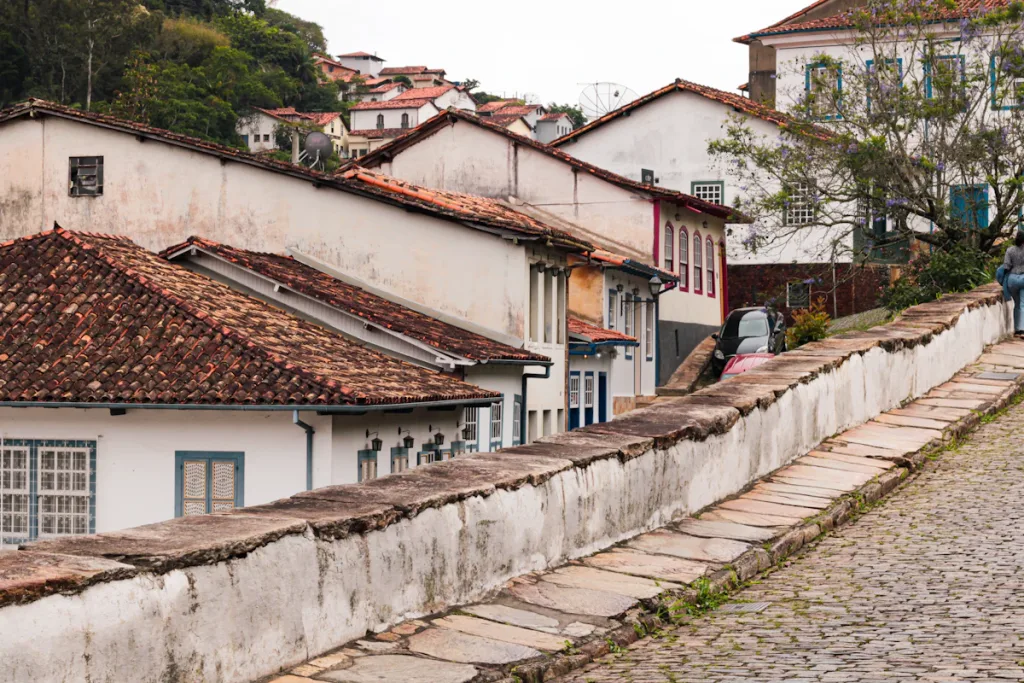
Tiradentes sits in the heart of minas gerais like a well-polished relic: cobblestone streets, whitewashed houses with colorful trim, and churches that seem to hold their breath between services. For foreign visitors who want more than beaches and big-city hustle, Tiradentes offers a concentrated taste of brazilian colonial life, wrapped in excellent food and calm rhythms. april is a special month here—autumn has settled in, the light softens, and two public rhythms overlap: religious observance around Easter and the national holiday on April 21, Tiradentes Day, named for the local independence figure. That mix makes the town quieter than the January festivals but still alive with tradition.
Why April feels different here
Spring has given way to autumn by April in Brazil; days are comfortable and evenings turn cool enough for a light jacket. Rain is less frequent than during the summer, so walking the hills and alleys is reliable. Two calendar notes matter: Easter and Tiradentes Day (April 21). Many families travel for these dates, so some businesses briefly close while restaurants that cater to tourists stay open and fill up. The town’s pulse settles into a reflective, slightly slower tempo—perfect for travelers who want to move at the same pace.
The slow rhythm of the streets and plazas
Start at Largo das Forras, the main square. It’s where people gather, cafes pour coffee, and street musicians appear on weekends. From there, the town fans out through narrow lanes lined with art galleries, small shops selling handcrafted ceramics and woodcarvings, and bakery windows full of fresh pão de queijo. Walking is the only sensible way to explore: the streets were built for mules and horses, not cars. Bring sturdy shoes for the cobblestones, and allow time to stop often—there’s no point rushing.
Baroque churches and local religious life
Religious art and architecture are a strong presence in Tiradentes. The town’s principal church, Matriz de Santo Antônio, dominates the skyline with an ornate façade and an interior that glitters with gilded woodwork. Small chapels and side altars throughout the town host neighborhood processions during Holy Week; these moments are intimate and firmly local. If you arrive during Easter week, respect the quiet: observe from a distance, ask before photographing ceremonial events, and listen. Locals appreciate visitors who show curiosity combined with a gentle sense of discretion.
Food that explains Minas Gerais
Minas Gerais cuisine is often described by Brazilians as the country’s culinary heart. In Tiradentes you’ll find hearty regional plates in family-run restaurants and elegant reinterpretations in contemporary kitchens. Expect fresh queijo Minas (a slightly salty, soft cheese), pão de queijo (cheese bread that’s best hot from the oven), and sweets made with doce de leite and guava paste. Lunch in Minas is a ritual: many restaurants serve buffet-style dishes with slow-cooked beans, rice, cassava, and meats that have simmered in local kitchens for hours. Finish with cachaça from a local distillery if you like sharp, rustic spirits—there are several artisanal producers in the state and small tastings are often available.
Where to rest: pousadas, courtyards, and quiet terraces
Pousadas—small, often family-run inns—set the tone of a stay in Tiradentes. They range from historic homes with inner courtyards to elegant boutique properties where breakfasts include homemade jams and strong coffee. Rooms can be surprisingly modern behind old façades: think exposed wooden beams and careful restorations. Book early if you’re visiting around April 21 or during Easter week; those dates draw Brazilians who visit family or attend religious services. A good pousada will help arrange a dinner reservation, guide you to local events, and point out quieter alleys for evening strolls.
How to get there without stress
The nearest major airport for international travelers is Belo Horizonte (Confins/ Tancredo Neves). From there the drive takes roughly three and a half to four hours; driving yourself offers scenic flexibility along Minas’ rolling countryside. Regular intercity buses also connect Belo Horizonte with São João del Rei—a short ride from Tiradentes—after which a local taxi or shuttle completes the trip. If you are already in São Paulo or Rio, Tiradentes is doable as part of a longer road trip through Minas Gerais, but direct drives are longer and worth planning with overnight stops if you prefer to travel slowly.
Day trips and nearby discoveries
Tiradentes works well as a hub for several short excursions. São João del Rei, a nearby historic town, keeps a lively colonial center and—on select days—a heritage steam train links it with Tiradentes. The ride is scenic and nostalgic, a short taste of Brazil’s rail past. The artisan village of Bichinho, a few kilometers away, hosts small studios where potters, painters, and jewelers work; it’s an easy half-day visit for anyone curious about local craftsmanship. If you enjoy short hikes or viewpoints, look for trails near the town’s surrounding hills—local pousadas will point you to safe, rewarding routes.
Suggested 2–3 day itinerary for an April holiday
Day 1: Arrive, drop bags at your pousada, and walk Largo das Forras to understand the town’s scale. Have lunch at a local restaurant—try the buffet for a snapshot of Minas flavors—and spend the afternoon visiting Matriz de Santo Antônio and a small gallery or two. Finish the evening with a slow dinner and a stroll under lantern light.
Day 2: Catch a morning steam train or a short drive to São João del Rei for a few hours, return for lunch, then visit craft studios in Bichinho. Afternoon coffee in a courtyard sets you up for an early evening cultural talk or a live music set at a local bar. If you’re in town over Easter, attend an evening procession with local families and musicians to experience tradition firsthand.
Day 3 (optional): Take a short hike to a nearby viewpoint before breakfast, visit a cachaça-maker for a tour and tasting (if you drink), and spend the rest of the day exploring quieter streets and bookshops. Depart in the late afternoon, when the light is lower and the town feels softer.
Practical reminders for travelers coming from abroad
Language: Portuguese is the language of daily life. In tourist-facing hotels and restaurants you’ll find staff who speak some English, but learning a handful of phrases—greetings, please, thank you, and asking for the bill—opens doors and smiles. Cash vs. card: most restaurants and shops accept cards, but small vendors and morning markets sometimes prefer cash. Carry modest amounts of reais for small purchases.
Packing: April requires layers. Days are warm in the sun, evenings cool. Bring comfortable walking shoes for historic streets, a light rain jacket just in case, and sun protection—hats and sunscreen are worth it even in autumn. If you plan to photograph religious ceremonies, a respectful zoom lens minimizes intrusion; always ask permission before close-up photos of people or sacred objects.
When the town quiets down: nightlife and cultural tips
Tiradentes doesn’t have nightlife in the urban sense—no mega-clubs or late-night megashows—but it does offer intimate music nights, wine bars, and theater performances in restored buildings. The pace is small-town: many restaurants close after 11 p.m., and local events often begin earlier in the evening. If you prefer late-night energy, return to larger centers like Belo Horizonte—Tiradentes is for evenings that wind down with conversation and good coffee.
Respectful curiosity: how to be a considerate visitor
Small towns are shaped by local routines. Keep volume moderate in public spaces, follow event guidelines during religious observances, and ask before photographing people, altars, or community rituals. Buy local when you can: purchasing ceramics, textiles, or food from neighborhood artisans supports families and preserves craft traditions. Learning a few Portuguese phrases, leaving a review for a pousada, or recommending a shop helps maintain the town’s economy in a tangible way.
Budgeting for a quiet holiday in Tiradentes
Tiradentes accommodates a range of budgets. Pousadas offer affordable rooms and mid-range comfort; boutique stays are pricier but still more reasonable than coastal luxury resorts. Meals vary: a modest lunch buffet will be very affordable, while multi-course dinners in well-reviewed restaurants raise the tab. Factor in transport from Belo Horizonte and any paid cultural activities like heritage train tickets or tastings. Planning ahead helps: April holidays draw domestic travelers, so bookings for accommodation and popular restaurants should be made in advance.
Why Tiradentes rewards slow travel
There’s an honesty to Tiradentes that doesn’t require constant entertainment. The town’s strengths are tangible: walkable streets that reward aimless wandering, a culinary tradition that celebrates home cooking, and a community comfortable with its own history. Visit during the April holidays and you’ll see how national memory mixes with local routine—people attending services, historians remembering Tiradentes the figure, families meeting in squares. For a foreign traveler, the town offers an accessible, deep, and surprisingly relaxed way to understand Minas Gerais without packing the schedule.
Final practical checklist before you go
- Reserve pousada and dinner spots if traveling around April 21 or Easter.
- Pack layers and sturdy shoes for cobblestones.
- Bring some cash for small purchases and market stalls.
- Learn basic Portuguese phrases or download an offline phrasebook.
- Ask permission before photographing ceremonies or people.
- Consider a day trip to São João del Rei and Bichinho for variety.
Tiradentes is best experienced slowly. Take time to sit in a café, sample a dozen kinds of cheese, and listen to the town’s natural tempo. For visitors from abroad, an April holiday here is both restful and revealing: a chance to see Brazil’s historic heart without the rush, and to leave with a clearer sense of Minas Gerais’ flavors, faith, and crafts.