
A month that rearranges the floodplain
Walk into the Pantanal in May and the place feels like it’s taking a deep, visible breath. The long wet season that swelled rivers and drowned trails begins to withdraw; floodwaters retreat into main channels and leave a patchwork of ponds, slow backwaters, and muddy banks. If you imagine the Pantanal as a giant room that was once filled with water, May flips the lights back on. Suddenly you can see where animals have been living all along, and the landscape lays out obvious clues to where predators and prey will meet.
How the seasons set the stage for jaguar viewing
The Pantanal’s calendar is simple but decisive: a rainy season that typically runs from roughly October through March, and a dry season that settles in from April through September. During the rains, water connects the plain into one massive aquatic space; wildlife disperses widely, and jaguars become difficult to locate. As the dry season begins in May, habitats compress. Fishers, capybaras and caimans concentrate near remaining water holes and river edges. Jaguars follow those gatherings because concentrated prey equals predictable hunting spots.
Why May is the sweet spot, practically and ecologically
Travelers who time a Pantanal trip for May enjoy a rare combination: the dramatic visibility of the early dry season, but without the peak crowds and logistical tightness of mid-winter. May gives you clearer game trails, open riverbanks and a lower mosquito burden while rivers remain navigable by boat in most areas. For wildlife photographers, that means more accessible light in the morning and longer sunsets with wildlife close to the water’s edge. For birders, many migrants are still present, mixing with resident species, which keeps the soundtrack and color palette of the wetlands rich and varied.
Where jaguars show up when water levels drop
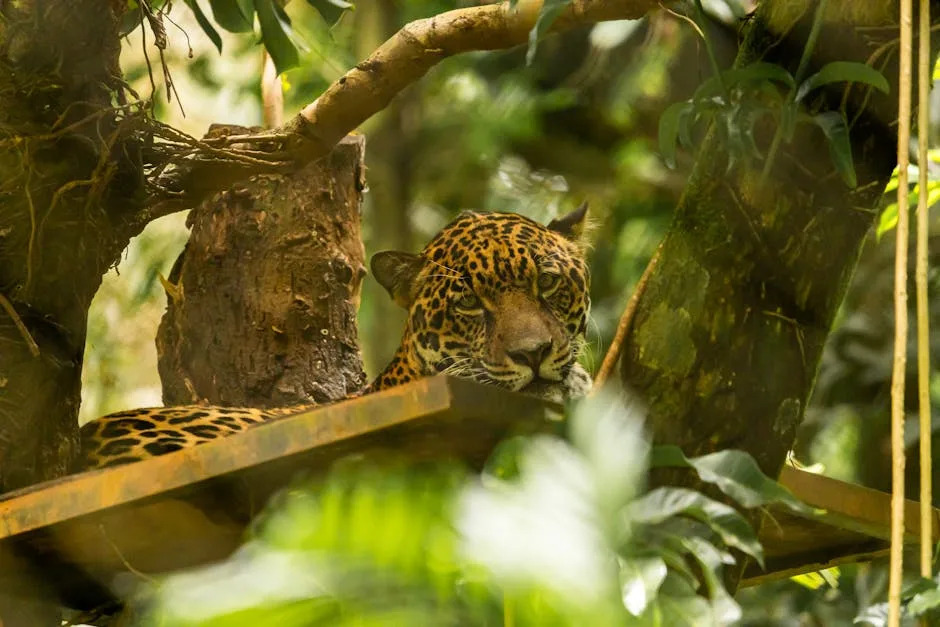
Jaguars are opportunistic and territorial. When the floodplain reconfigures, the same few river bends, oxbow lakes and sandy banks become repeatable viewing locations. Jaguars hunt caimans and capybaras that are forced into smaller pools or are easier to ambush along drying edges. In May, you’ll see tracks and subtle signs—splash patterns, flattened grasses, a fresh scrape—more often than you would in peak wet months. Guides who know the terrain read these signs and position boats or vehicles at likely points before dawn and late afternoon, when jaguars are most active.
Comfort on the ground: roads, lodges, and fewer bugs
Getting into the Pantanal in May is reasonable without the extreme 4×4 demands that the wet season imposes. Main access roads—especially the Transpantaneira in the northern Pantanal—become stable enough for regular lodge transfers. Many lodges that closed for the rainy season reopen in May, having restocked supplies and prepared fresh boats. Mosquito and blackfly activity drops compared to the wettest months, which makes nights more pleasant and keeps photographers and naturalists from being constantly bothered. That practical ease means you spend more time watching wildlife than dealing with logistics.

Wildlife behavior that makes sightings reliable
As water retreats, prey species behave predictably: capybaras move in small herds toward the last pools; caimans congregate in compact shallow lagoons; deer and tapirs visit the same drinking spots. Predators respond by staking out choke points. In May, you get more than a chance sighting; you get the chance to learn the landscape in a short amount of time because animal movements are repeatable from day to day. That rhythm lets guides refine their approach quickly—where to wait, when to circle, and which channel bends to watch at dawn and dusk.
Why May feels quieter on the water
Tourist season ramps up later in the dry months, so May offers a quieter, more intimate experience. Small group sizes at lodges are common, and boats on the rivers are fewer. That matters because jaguars are wary by nature; less human traffic reduces disturbance and increases the odds they’ll behave naturally instead of slipping away. For photographers and naturalists who care about ethical viewing, this peace makes a huge difference: you get the raw behavior instead of a quick silhouette that vanishes under pressure.
Picking where to go: northern versus southern Pantanal
The Pantanal spans a vast area, and different sectors yield slightly different experiences. The northern Pantanal—accessible via the Transpantaneira road from Poconé to Porto Jofre—hosts many lodges focused on jaguar safaris because river channels and seasonally cut oxbows create classic jaguar habitat. The southern Pantanal, in Mato Grosso do Sul, offers a greater variety of habitats and equally good wildlife viewing with easier access to communities and cultural experiences. In May you’ll find fewer flooded tracks in both regions and better boat access than during the wet season, so the choice becomes a matter of preferred approach: remote boat-based safaris in the north, or a blend of vehicle, horse and canoe experiences in the south.
Where to aim your binoculars in May
Plan to spend time along main rivers and around large, slowly draining lagoons. Jaguars are ambush predators; they use cover and water edges. Expect to watch sandy banks, fallen tree trunks that jut over lagoons, and narrow channels that funnel prey. Dawn and dusk are the classic windows, and May’s cooler nights make early starts more comfortable. A patient half-hour at a tidy river bend often yields more than a day spent chasing widely scattered tracks.
How guides adapt their strategy in May
Experienced local guides alter routines as soon as the rainy season ends. They switch from wide-area scouting—necessary during the floods—to patient stakeouts at known ambush points. Boats are positioned to minimize wake and visibility; drivers keep to known trails and avoid unnecessary noise. A good guide in May will also use knowledge of seasonal food sources—such as fish concentrations or particular grasslands that attract grazing mammals—to predict likely jaguar appearances. That local knowledge is the real multiplier: May’s landscape gives the clues, and guides translate them into sightings.
Practical packing for a May trip
Prepare for variability. Mornings can be cool and misty and afternoons warm and bright. Lightweight layers are essential: a breathable long-sleeve shirt, a light fleece or windbreaker for early boat rides, and quick-dry pants. Waterproof camera protection and lens cloths are smarter than heavy rain gear in May; you’ll be dealing more with river spray and mud than full-on downpours. Sturdy waterproof ankle boots or rubber boots make crossings easier. Bring a reliable telephoto lens (300–600mm if you can), binoculars with good light transmission, spare batteries (cold mornings drain them faster), and a polarizing filter to cut glare off water. And don’t forget a small first-aid kit and travel insurance that covers remote-area evacuations—comfortable confidence matters when you’re deep in the floodplain.
Timing your days for the best sightings
May calls for a rhythm that follows animal movement: pre-dawn launches, slow mid-morning returns for a break, and afternoon outings that stretch until twilight. Midday is often slow; animals bed down or shelter in thicker cover. Boat rides are usually preferred for jaguar viewing because riverbank observation reduces disturbance and opens different vantage points—especially where the water channels cut into the plain. On land, expect to travel by soft-road vehicle or horse, and be ready for short walks at ranger-approved sites.
Ethical viewing: how to make sightings sustainable
Spotting a jaguar is exhilarating, and May’s quieter conditions make it easier to watch without stressing the animal. Seek operators who emphasize non-invasive viewing: no baiting, no off-trail chases, and strict boat wake control. Choose lodges that support local conservation and community programs. Ask about their wildlife policies before booking—responsible operations share their techniques and limits openly because they understand that preserving natural behavior ensures repeat encounters for years to come.
Choosing a lodge and guide for May
Pick a lodge that reopens in May with a track record of jaguar-focused safaris and good reviews from independent channels. Lodges that work closely with research projects or have resident naturalists tend to know the best ambush points early in the season. Look for operators that keep groups small, use boats rather than heavy vehicle patrols near riverbanks, and offer flexible schedules that adjust to local animal movements. Good guides will spend time listening more than driving, and they’ll explain what signs made them choose a particular spot for waiting.
Other wildlife bonuses of a May visit
Jaguars might be the headliner, but May brings a stacked supporting cast. With water levels receding, migratory and resident birds are abundant at feeding edges; herons, kingfishers, jabirus and tinamous perform along the same banks where predators lurk. Capybaras and deer gather visibly, making animal-watch sessions rich even when cats don’t appear. Many photographers appreciate this—while waiting for a jaguar, you can build a strong portfolio of wetland portraits that capture the ecosystem’s interaction at a transitional moment.
Handling the unpredictability without losing the experience
No trip guarantees a jaguar sighting, and ethical operators never promise one. What May does guarantee is the best combination of environmental clues and accessibility to make sightings significantly more likely than in other months. The key is to treat the trip as an immersion in a living system: even days without a cat are full of meaningful encounters that tell the larger story of how the Pantanal functions. Accepting that broad perspective leads to less frantic searching and more thoughtful observation, which paradoxically increases the chance you’ll be in the right place at the right moment.
Booking tips and timing your arrival
Reserve lodges and flights as early as your plans allow. May sits before high season, so availability is generally good but can tighten as word spreads. Aim to arrive with a flexible buffer day in the gateway city (Cuiabá or Campo Grande, depending on your route) to account for regional flight adjustments or road transfers. Communicate dietary needs and mobility limits to lodges in advance; many operate in places where provisioning requires coordination and a prearranged schedule helps them deliver a smoother stay.
Supporting conservation through your visit
Your presence in the Pantanal matters beyond the photos you bring home. Travel dollars support local guides, lodge staff, conservation projects and community initiatives that keep habitats intact. Choose operators that invest in anti-poaching work, habitat monitoring, or local education. If you want to go further, ask lodges about volunteer opportunities or short-term research partnerships that allow guests to contribute data or practical help during their stay.
A final note about timing and temperament
There’s a rhythm to successful wildlife travel: patience, respect, and a willingness to let the environment set the pace. May hands you a favorable rhythm—clearer trails, concentrated prey, gentler weather, and quieter lodges. Those elements together make early dry season visits both comfortable and productive. If seeing jaguars is the reason you go, May is the month that stacks nature’s odds in your favor without trading authenticity for spectacle.