
The Heartbeat of the Bean
When you land in Brazil, the first thing you notice isn’t the heat or the music; it’s the aroma. Coffee isn’t just a beverage here; it is the fuel of our history, the architecture of our cities, and the warmth in our greetings. If you want to understand the soul of Brazil, you have to head to the state of Minas Gerais. This landlocked giant produces more coffee than many entire countries. For a traveler, venturing into the coffee heartlands of Minas during the harvest season—the colheita—is a sensory overload that no urban cafe can replicate.
Minas Gerais is a land of rolling mountains, colonial towns, and deep-rooted hospitality. The coffee farms here, or fazendas, range from high-tech industrial operations to centuries-old estates that still use traditional methods. Choosing to visit during the harvest means you are witnessing the most critical moment of the year. From May to September, the hillsides are alive with activity. The air smells of drying fruit and earth, and the landscape is dotted with workers skillfully navigating the steep slopes to pluck the cherries at their peak ripeness.
Timing Your Journey for the Perfect Cup
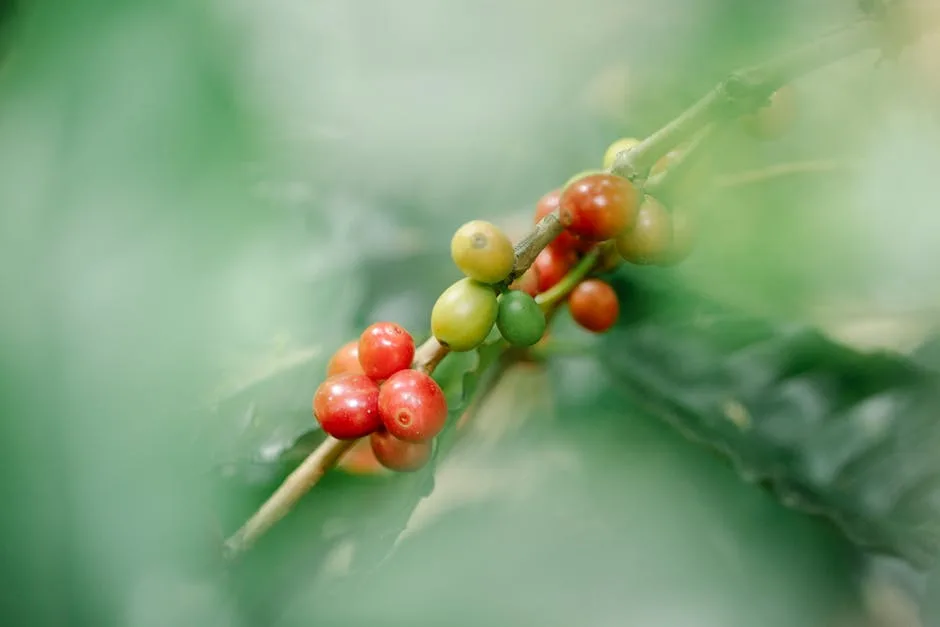
If you show up in January, you’ll see beautiful green bushes, but the magic happens in the dry winter months. The Brazilian harvest typically kicks off in May and stretches through August or early September. This period is ideal for travelers because the weather in Minas is spectacular—clear blue skies, crisp mornings, and comfortable afternoons. The humidity drops, making those long walks through the plantations much more pleasant. This is the time when the cherries turn from green to a deep, ruby red or a bright yellow, depending on the variety.
Visiting during the harvest allows you to participate in the ‘farm-to-cup’ journey. You won’t just be looking at plants; you’ll see the processing. You’ll witness the beans being sorted, washed, and spread across massive concrete patios to dry under the tropical sun.

This visual of the drying patios, known as terreiros, is one of the most iconic sights in the Brazilian countryside. Rows upon rows of beans are meticulously raked by hand to ensure even drying, creating a rhythmic pattern that looks like a work of art from above.
The Sul de Minas Circuit
The southern region of Minas Gerais is the undisputed heavyweight champion of coffee production. Towns like Carmo de Minas and São Lourenço are the gateways to what connoisseurs call ‘Specialty Coffee’ heaven. Here, the altitude and the soil come together to create beans that win international awards every year. When you book a tour in this region, you are often visiting family-owned estates that have been in the same hands for generations.
One of the most immersive experiences in Sul de Minas is the ‘Rota do Café Especial.’ This isn’t just a walk-and-talk tour; it’s a deep dive. You start early in the morning, often with a traditional café da manhã mineiro—think pão de queijo fresh out of the oven, homemade jams, and, of course, a thermos of black coffee. You’ll learn how to identify a ‘specialty’ bean from a ‘commodity’ bean. You’ll touch the volcanic soil and understand why the topography of the Mantiqueira Mountains makes these beans taste like citrus, chocolate, or jasmine.
The Rhythms of the Colheita
Watching a harvest in action is a lesson in patience and precision. In Minas, much of the harvesting is still done by hand because the mountainous terrain often prevents the use of heavy machinery. You’ll see workers using derriçadeiras (handheld vibrators) or simply stripping the branches by hand onto large tarps spread on the ground. It is incredibly labor-intensive work, and seeing it firsthand gives you a newfound respect for every espresso you drink back home.
Many farms now offer ‘Day Harvest’ experiences for tourists. You get to put on a hat, grab a basket, and try your hand at picking. It’s harder than it looks—you have to pick the ripe ones without damaging the branch or the buds for next year’s crop. After an hour in the sun, you’ll likely be invited back to the main house for a lunch that defines the word ‘hearty.’ We are talking about feijão tropeiro, slow-cooked pork, and local greens, all cooked over a wood-fire stove. This connection between the land, the labor, and the table is what makes Minas Gerais so captivating for foreigners.
The Art of Processing and Drying
Once the cherries are picked, the clock starts ticking. They must be processed quickly to prevent unwanted fermentation. This is where you see the mechanical side of the farm. The beans go through pulpers and washers, but the most beautiful stage is the drying. The terreiros are the heart of the farm during harvest. You’ll see workers moving the coffee with large wooden rakes, creating beautiful undulating lines of beans.

The smell during this stage is unique—it’s sweet and slightly fermented, reminiscent of raisins or dried plums.
The drying process can take several days or even weeks. On some of the more sophisticated farms, you might also see ‘suspended beds’—raised mesh platforms that allow air to circulate around the beans. This method is often used for the highest-quality lots. As a visitor, walking between these rows of drying coffee while the sun sets over the Minas hills is a core memory in the making. The light turns golden, reflecting off the millions of beans, and the world feels quiet and purposeful.
Cupping Like a Pro in the Lab
No coffee tour is complete without a cupping session. This is the technical part of the visit, usually held in a sterilized, modern laboratory on the farm. If you’ve ever been to a wine tasting, the concept is similar, but the energy is different. You’ll be presented with several cups of coffee, roasted lightly to preserve their natural flavors. You’ll learn how to ‘slurp’ the coffee—atomizing the liquid across your palate to catch all the notes.
It’s a revelation for many foreigners to discover that Brazilian coffee isn’t just ‘strong.’ In these labs, you might taste notes of yellow fruits, brown sugar, or even floral hints like hibiscus. The experts will explain the ‘SCA Score’ (Specialty Coffee Association), showing you how they grade the beans for export. By the end of the session, your palate will be calibrated, and you’ll be able to tell the difference between a coffee grown at 900 meters and one grown at 1,300 meters. You’ll never look at a supermarket bag of coffee the same way again.
Where to Stay: From Colonial Manors to Eco-Lodges
To truly soak in the atmosphere, don’t just visit for the day—stay on the farm. Many historical fazendas have converted their old colonial manor houses into luxury guest houses. These buildings, with their high ceilings, thick stone walls, and wrap-around verandas, offer a glimpse into the 19th-century coffee aristocracy. Staying on-site means you wake up to the sound of the farm coming to life. You can take your first cup of coffee while watching the mist lift off the valleys.
If you prefer something more modern, there are eco-lodges integrated into the plantations. These often focus on sustainability and organic practices. Regardless of the style, the hospitality in Minas is legendary. You aren’t treated like a customer; you’re treated like a guest in a family home. At night, the absence of city lights makes the sky over the coffee fields explode with stars. It’s the perfect time to sit by a fire with a glass of local cachaça and talk to the farmers about the challenges of the season and the future of the crop.
Planning Your Logistics
Getting to the coffee regions of Minas Gerais usually involves flying into Belo Horizonte (CNF) or São Paulo (GRU) and then driving. The Sul de Minas region is roughly a 4 to 5-hour drive from either city. While there are buses, renting a car is highly recommended. The roads can be winding and steep, but the scenery is half the fun. You’ll drive through small towns where the church is the tallest building and the main square is filled with locals chatting on benches.
It is crucial to book your tours in advance, especially during the harvest season. These are working farms, not theme parks, and they need to know you’re coming. Many of the best experiences are on smaller estates that only take a handful of visitors a day. Language can be a barrier in rural Brazil, but many of the specialty farms now have English-speaking guides specifically for international visitors. Don’t forget to pack comfortable boots, a hat, and plenty of sunscreen—the sun at high altitudes is deceptively strong, even in the winter.
Beyond the Bean: Exploring the Region
While coffee is the star, the region offers plenty of side quests. In the Mantiqueira range, you are close to historical spa towns like Caxambu, famous for its mineral waters. You can also visit local artisanal cheese producers. The Queijo Minas is just as important to the local identity as coffee, and the two make a perfect pairing. Taking a break from the caffeine to visit a small dairy and see how the salty, semi-cured cheese is made is a great way to spend an afternoon.
For the more adventurous, the landscape is perfect for hiking, mountain biking, or even hot air ballooning. Seeing the coffee plantations from a balloon at sunrise is perhaps the most breathtaking way to appreciate the scale of production in Minas Gerais. The geometric patterns of the coffee rows stretching over the mountains as far as the eye can see is a sight you won’t soon forget. It puts into perspective why Brazil is the world’s largest producer—and why Minas Gerais is the undisputed crown jewel of that title.