
The Rhythms of the Brazilian Sky
Imagine waking up to a chorus that sounds like a symphony of flutes, drums, and whistles. That is just a Tuesday in the Brazilian interior. If you are a birding enthusiast or even just a traveler with a penchant for spectacular nature, timing your visit to Brazil is everything. While many people flock to the beaches in the height of summer, those in the know look toward the second quarter—April, May, and June—as a golden window for discovery. During these months, the intense summer heat begins to mellow, and the transition from the rainy season to the dry season creates a unique environment where birds are active, visible, and incredibly vocal.
Brazil holds roughly 20% of the world’s bird species. From the iconic Toco Toucan with its vibrant orange beak to the elusive Harpy Eagle, the diversity is staggering. Traveling through the country during this period offers a clearer sky for photography and cooler temperatures that make long treks through the Atlantic Forest or the Cerrado much more enjoyable. You aren’t just looking at birds; you are witnessing a seasonal shift that dictates the behavior of the entire ecosystem.
The Pantanal: A Flooded Stage for Feathery Giants
The Pantanal is often called the world’s largest tropical wetland, and by April, the floodwaters that characterize the region start their slow retreat. This is a magical moment. As the water levels drop, fish get trapped in smaller ponds, creating an all-you-can-eat buffet for wading birds. It is common to see dozens of Jabiru storks—the symbol of the Pantanal—nesting atop massive trees. These birds are giants, with wingspans that can reach nearly nine feet. Watching them navigate the thermal currents above the Transpantaneira highway is a humbling experience.
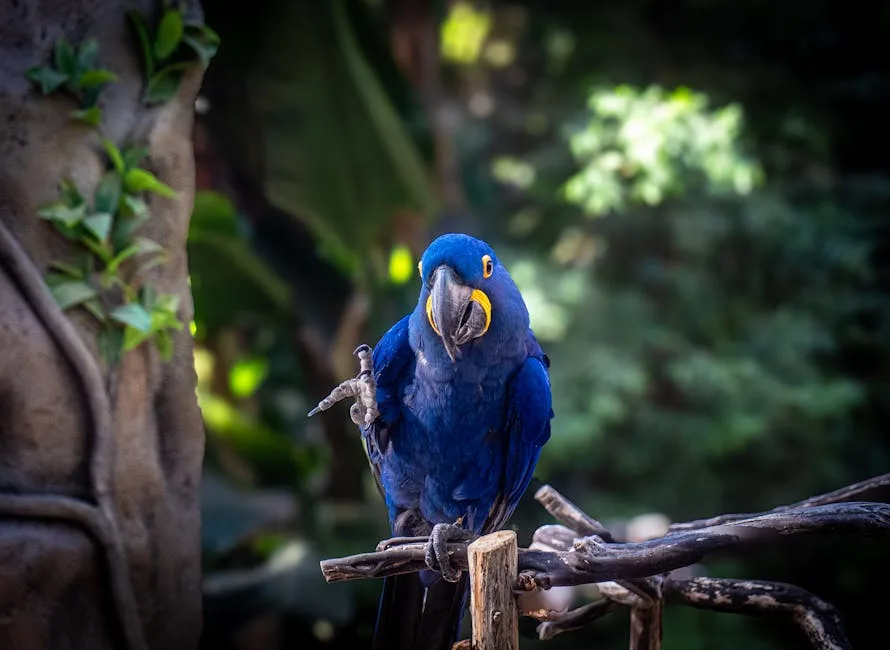
Because the vegetation is less dense than in the Amazon, spotting wildlife here is significantly easier. You don’t need to be an expert to see Roseate Spoonbills reflecting their pink plumage in the water or the vibrant blue of the Hyacinth Macaw. These macaws are particularly special; they are the largest parrots in the world and are surprisingly social. You will often hear their loud, raucous calls before you see them perched in a Manduvi tree.

During the second quarter, the humidity drops, making the air crisp and the sunsets over the marshes deep purple and orange, providing the perfect backdrop for your binoculars.
The Atlantic Forest: Endemism at Every Turn
Stretching along the eastern coast, the Mata Atlântica (Atlantic Forest) is a biodiversity hotspot that rivals the Amazon in terms of importance, especially for birders seeking endemic species. The region around Itatiaia National Park, located between Rio de Janeiro and São Paulo, is a prime destination during May and June. At higher altitudes, the air gets chilly, and the mist rolls through the mountains, creating an ethereal atmosphere. This is the realm of the Green-headed Tanager and the Saffron Toucanet.
What makes the Atlantic Forest so rewarding is the sheer density of species in a relatively small area. You can spend an entire morning at a single fruit feeder at a mountain lodge and tick off thirty different species. The hummingbirds here are like flying jewels; the Frilled Coquette, with its funky crest, is a frequent visitor. Because the second quarter marks the beginning of the dry season in the southeast, the trails are more stable, and the visibility through the canopy improves as some trees begin to shed their leaves, making it easier to spot the shy Solitary Tinamou or the spectacular Red-ruffed Fruitcrow.
Cerrado: The Golden Savanna’s Hidden Gems
Often overlooked by tourists heading to the coast, the Cerrado is Brazil’s vast central savanna. It is an ancient landscape of twisted trees, crystal-clear galleries of rivers, and incredibly red soil. Locations like Chapada dos Veadeiros or Serra da Canastra are at their peak in June. The weather is dry, the skies are a piercing blue, and the tall grasses turn golden. This is the best place to find the rare Brazilian Merganser, one of the most endangered ducks in the world, which lives in the pristine rivers of the region.
The Cerrado is also home to the Toco Toucan, the largest of the toucan family. While they are found elsewhere, seeing them against the stark, open landscape of the savanna is different. Their flight is heavy and undulating, a silhouette that is unmistakable against the horizon. In the early mornings of May, the savanna is alive with the calls of the Seriema, a terrestrial bird that looks like a prehistoric relic. They stand tall on long legs and have a haunting, barking call that carries for kilometers. The openness of the Cerrado allows for long-range viewing that you simply cannot get in the thick jungles of the north.
The Amazonian Fringe: Exploring the Tapajós
While the heart of the Amazon can be daunting during the peak of the rainy season, the second quarter represents a transition. In the region of Alter do Chão and the Tapajós River, the water levels are high, allowing you to take boat trips through the ‘igapós’ (flooded forests). Gliding silently in a canoe is the ultimate way to birdwatch. You are at eye level with the canopy, moving through the treetops where birds like the Hoatzin—a strange, primitive-looking bird with a blue face and a spiky crest—reside.
The Tapajós region offers a blend of primary forest and white-sand river beaches. You can expect to see various species of kingfishers diving for their lunch and the majestic Harpy Eagle if you are lucky and have a sharp-eyed guide. The humidity is still high, but the frequent afternoon showers of April and May keep the forest lush and vibrant.

This is also a great time to spot parrots and parakeets in massive flocks as they move between feeding sites, their emerald feathers blending perfectly with the foliage until they take flight in a sudden explosion of green.
Coastal Wonders and Mangrove Specialists
The Brazilian coastline isn’t just for sunbathing. In the Northeast, specifically around the Parnaíba Delta or the coast of Ceará, the second quarter is an excellent time to witness the Scarlet Ibis. These birds are a brilliant, almost neon red, a color they get from the crustaceans they eat in the mangroves. Seeing a flock of hundreds of Scarlet Ibises taking flight against a deep green mangrove backdrop is one of the most stunning visual experiences in all of Brazil.
Further south, the coastal lagoons of Rio Grande do Sul become a stopover for migratory birds. As the southern hemisphere moves toward winter, species from the colder parts of the continent move north. The Chilean Flamingo is a frequent visitor to these southern wetlands. The contrast between the tropical north and the temperate south highlights the incredible geographic span of the country. Whether you are in a boat in a northern delta or walking the windswept shores of the south, the diversity of shorebirds and waders during these months is constant.
Practical Tips for the Aspiring Brazilian Birder
If you are planning a trip during these months, gear and preparation are key. Even though the second quarter is drier in many regions, Brazil’s weather can be unpredictable. Lightweight, moisture-wicking clothing is your best friend. In the Atlantic Forest and the South, you will actually need layers; temperatures in the mountains can drop to near freezing at night in June. A good pair of waterproof hiking boots is non-negotiable, as even ‘dry’ trails can have muddy patches.
Beyond gear, the human element is what truly enriches a birding trip in Brazil. Hiring a local guide is not just about their ability to spot a bird from a mile away; it is about the stories they tell and the secret spots they know. Many guides are former hunters who have turned to conservation, and their knowledge of the land is unparalleled. Supporting local eco-tourism ensures that these habitats remain protected. When you sit down for a ‘cafezinho’ after a long morning of tracking, you’ll find that the culture of the people is just as vibrant as the plumage of the birds you came to see.