

“Don’t go to a coffee farm in August,” I told a traveler from Amsterdam last year — and then I explained why I wasn’t joking.
He looked baffled. August, he’d heard, was harvest time — the perfect moment to see coffee picked by hand, watch bright cherries tumble into burlap sacks, and snap the kind of photos that fill Instagram travel guides. That’s the common-sense take. My counterintuitive advice came from months spent shuttling curious foreigners around Minas Gerais, Mantiqueira, and parts of São Paulo: in many places, August is not the romantic peak you expect. It’s dry. It’s dusty. It’s full of machines, trucks, and patios of beans laid out to dry — and often, if you’re after human-scale harvest theatre, you’ll be disappointed.
Still, that practical warning makes sense only until you know how to choose where to go and what to ask for. August is quietly one of the most interesting months for travelers who actually want to learn how Brazilian coffee is made — provided you pick the right farms and plan for what really happens on the ground.
Why August earned a bad reputation — and why that’s useful
There are two reasons tourists assume August equals idyllic hand-picking. First: global coverage of “harvest” often uses photos from smallholder plots, many of them outside Brazil. Second: travel brochures love the romantic image of a basket of cherries against a mountain sunrise. Reality in large parts of Brazil is messier.
Large estates and many mid-sized farms in states like São Paulo (Alta Mogiana) and parts of Minas Gerais have shifted heavily toward mechanized harvesting. By August you’ll often find micro-tillers, combines, and crews using mechanical shakers — which look nothing like the slow, manual picking you imagined. That’s the disappointment side. The useful side: mechanization means the harvest, processing, and logistics are intense in August, so the people who run farms are present, frank, and often less busy with tourism charades. They’ll tell you exactly why they chose natural processing or a particular fermentation profile. That access is gold if you actually want to understand coffee, not just photograph it.
Which regions behave differently in August
Brazil is vast; harvest timing varies by microclimate, altitude, and variety. In general terms: southern Minas (Sul de Minas) and Mantiqueira de Minas still show pockets of manual picking in higher altitudes, while the flatter Cerrado Mineiro and Alta Mogiana regions are more mechanized. Espírito Santo runs a different calendar because of Conilon/Robusta varieties. If your goal is to see people in the fields, focus on high-elevation farms in Mantiqueira or family-run fazendas around Poços de Caldas and São Bento do Sapucaí. If you want to see processing at scale — patios of drying cherry, mechanical pulpers, and busy quality-control labs — August is prime everywhere.
What you will actually see on an August farm visit
Expect a working environment. That’s a good thing. Here’s a practical list of the scenes that show up most often:
- Trucks delivering cherries from neighboring plots to a central benefício (processing station).
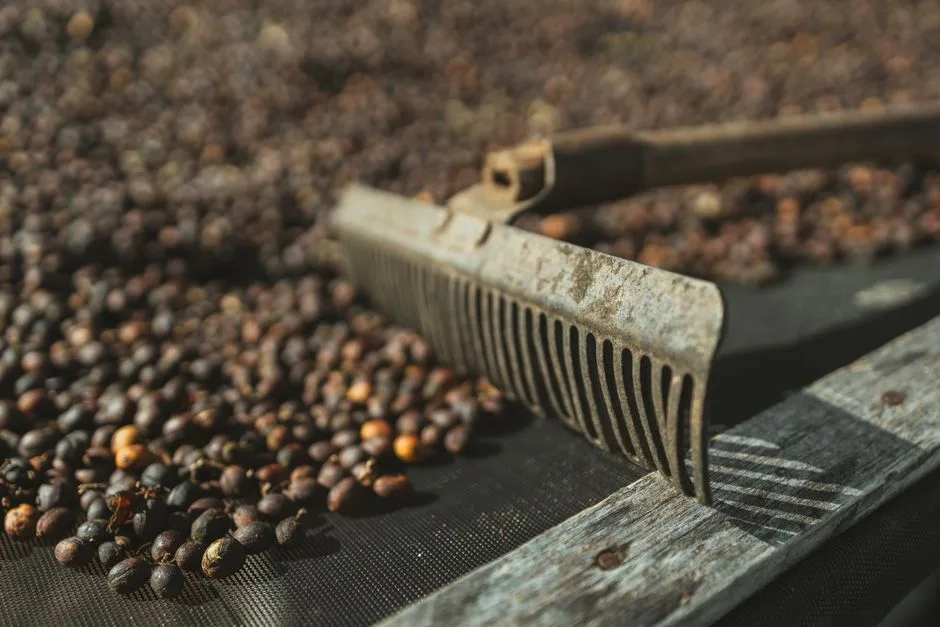
- Patios or raised beds crowded with coffee cherries and parchment, spread out under sun and being raked or turned for even drying.
- Mechanical harvesters parked by shadow, with operators taking a break or doing maintenance.
- Clean, smells-you-can-recognize cupping rooms where roasters and producers are slurping samples and negotiating lots.
- Farm dogs, new-born calves, and sometimes coffee pickers who are migrants from nearby towns — a social dimension often invisible in staged tours.
And yes: you’ll still find hand-pickers in August. They tend to be on steep terraces or small family plots where machines can’t reach. If hands-on picking matters to you, ask the farm in advance whether they have manual harvests, and what time of day those happen.

Picking your August destination: where to go for what
Mantiqueira de Minas (Campos Altos, Carmo de Minas)
If you want altitude, cool mornings, and a good chance of seeing manual picking, Mantiqueira is one of my top picks. Farms here sit high enough that ripening is staggered; that means pockets of cherries linger later into the season. Family-run fazendas often open their gates to travelers who book a thoughtful tour — not the quick photo-op but a half-day where you walk the slopes and talk soil, shade trees, and post-harvest decisions.
Sul de Minas (Varginha, Poços de Caldas peripheries)
Sul de Minas is huge and diverse. In August you’ll witness a mix: elevated farms with hand-picking, larger farms turning cherries on expansive patios, and small cooperatives bringing in lots of fruit at once. This region ties to the commercial coffee circuit, so there’s also a better chance of meeting local exporters or small roasters.
Cerrado Mineiro (Patos de Minas area)
Think flat plains and industrial-size operations. August equals logistics: vast drying yards, mechanized harvesters, and quality labs. You won’t get pastoral scenes, but you’ll learn about scale, traceability, and how producers manage uniformity across thousands of hectares — insight valuable if you roast coffee or work in procurement.
Alta Mogiana (São Paulo hinterlands)
Alta Mogiana has a reputation for consistency. Mechanization is common and August sees active processing. If you’re traveling from São Paulo city, this is the most accessible option for a day trip combined with a longer farm stay.
How to choose a farm and what to ask before booking
Not every farm is set up for visitors. I recommend these concrete questions when you email or call:
- “Do you have manual picking in August, or is the harvest mechanized?” — means you’ll get the scene you expect.
- “Can I join a processing shift or visit the patio?” — some farms restrict access for biosecurity.
- “Do you offer a cupping session on site?” — an on-farm cupping is often the most honest way to understand the coffee.
- “What languages do guides speak?” — English is hit-or-miss; a Portuguese-speaking guide who can translate makes a huge difference.
A frank email exchange will tell you whether a farm is comfortable with visitors during harvest or prefers to receive guests after processing slows. If a farm politely declines, respect it. They’re protecting product quality and worker safety.
A practical 5-day August itinerary from Belo Horizonte
Day 1: Arrive in Belo Horizonte, drive (or arrange a driver) to Carmo de Minas or a Mantiqueira gateway town. Check into a pousada that works with local farms. Late afternoon: short walk through the nearest coffee plot to see cherries on branches and take notes on varieties.
Day 2: Full farm day. Start early to watch picking or mechanized loading. Participate in a processing workshop — pulping, fermentation choices, and drying decisions. Finish with an on-site cupping at the lab in the late afternoon when samples are freshest.
Day 3: Visit a cooperative or a small processing mill. See how multiple smallholders deliver fruit and how lots are sorted. Discuss traceability with a cooperative manager or extension agent. Optional: roast your own sample with a local micro-roaster.
Day 4: Travel to Sul de Minas or Alta Mogiana for contrast — mechanized harvest, larger patios, different altitude. Spend the afternoon in a coffee museum or specialty roaster’s shop to taste regional differences.
Day 5: Slow morning, buy farm-roasted bags, and return to Belo Horizonte. If your flight is late, stop at a local market to taste coffee sweets and buy regional cheese — Minas cheese pairs oddly well with certain naturals.
What to bring and how to behave on a working farm
Packing for a Brazilian farm in August is practical, not glamorous. Here’s what I never travel without:
- Closed-toe shoes or lightweight hiking boots — coffee patios are uneven and dusty.
- Layers and a windbreaker — early mornings at altitude can be crisp even in August.
- A notebook and pen — growers love talking about varieties, and you’ll want to record cupping notes.
- Sunscreen and a hat — Brazil’s winter sun can be fierce.
- Small bills and reusable bag — to buy freshly roasted beans directly from the farm.
On the social side: be punctual, remove muddy shoes where requested, and ask before photographing people, especially pickers. Many workers are protecting their privacy, and a polite question in Portuguese goes far: “Posso tirar uma foto?”

The harvest day: timeline and what actually happens
A typical August harvest day on a productive farm moves by necessity, not ceremony. Here’s a practical timeline from my visits:
- Pre-dawn: pickers arrive or machines begin work. In small plots, picking starts just after sunrise to avoid mid-day heat.
- Mid-morning: cherries arrive at the benefício; they’re weighed, sampled, and routed to different processing queues (natural, pulped natural, washed).
- Noon: machines and workers take a break; this is a good moment to walk the fields and speak with managers.
- Afternoon: cherries are spread on patios; raking ensures even drying. Moisture meters become central to decisions.
- Late day: cupping samples are roasted, and buyers and roasters taste to decide on purchases.
If you join a harvest day, ask the farm whether you can shadow the quality technician during cupping. You’ll learn a lot about post-harvest choices that shape flavor more than any harvest-day photo could convey.
Cupping on the farm: how to get meaningful tastings
On-farm cupping is different from a café tasting. You’re often sampling unroasted or lightly roasted lots, and producers will be frank about defects and their preferred markets. A good cupping session in August often includes fresh naturals, pulped naturals, and washed lots from the same lot — the differences are instructive if you know what to listen for.
Bring a simple tasting sheet: aroma, acidity, body, sweetness, finish, and any defects. Ask to taste multiple roasts of the same lot if possible; this shows how roast profile reveals or hides characteristics. Honesty and curiosity get you more. Producers prefer buyers who can articulate why they like a lot over tourists who simply say “it’s good.”
Buying coffee on the farm — practical tips
If you intend to buy beans, plan ahead. Many farms sell roasted bags for travelers, but if you want green beans or full-lot purchases you’ll need to discuss logistics. Small-lot specialty lots are often sold by the kilo, and farms may offer a discount if you buy several kilos — but freight and export paperwork complicate things.
If you’re shipping home, ask the farm if they’ll vacuum-pack and provide a receipt. Many farms know how to prepare a tourist-friendly package and can recommend a local shipper. If you want to roast your own sample at home, buy freshly dried parchment and a sample of roasted beans to compare after a week.
Safety, logistics, and timing
Driving between farms in coffee country is mostly straightforward, but roads can be narrow and steep in mountainous zones. If you rent a car, choose one with good suspension and avoid tight rural roads at night. I usually recommend arranging at least one transfer with a local driver who knows the roads and the fastest routes between fazendas.
Language can be the biggest barrier. Many farm owners and managers speak basic English, but not all. If you don’t speak Portuguese, book a guide or ask the farm to arrange a translator. The experience is richer when conversations aren’t halting. Finally, August is not the high tourist season in Brazil’s coffee regions, so accommodation is easier to find than during Carnaval or summer holidays, but book the farms first — they fill up around harvest for family visits and industry buyers.
What surprised me most about August visits
Two things. First: the intimacy of processing conversations. In a quiet cupping room in Mantiqueira, I once watched a producer compare two fermentation times and timestamp notes like a lab scientist. Getting that candid access was only possible because August forces producers to focus on decisions, not on orchestrating visitors. Second: the variety. You expect red cherries and brown beans. What you don’t expect is how different a coffee can taste just from a three-day difference in drying. August is where those margins become stories.
A concrete takeaway for planning your August farm trip
If you want glossy hand-picking photos, August is hit-or-miss; pick high-altitude, family farms and ask in advance. If you want honest access to processing, quality conversations, and lessons that change how you taste coffee, August is a superb month — busy, dusty, and candid. Book a farm that welcomes visitors during harvest, bring a notebook, and plan to talk about fermentation, not Instagram angles. You’ll return with better coffee knowledge and a few real stories about how Brazilian producers make choices under pressure — the kind of learning that sticks.