
Discovering the Virgin Paradise of Fernando de Noronha
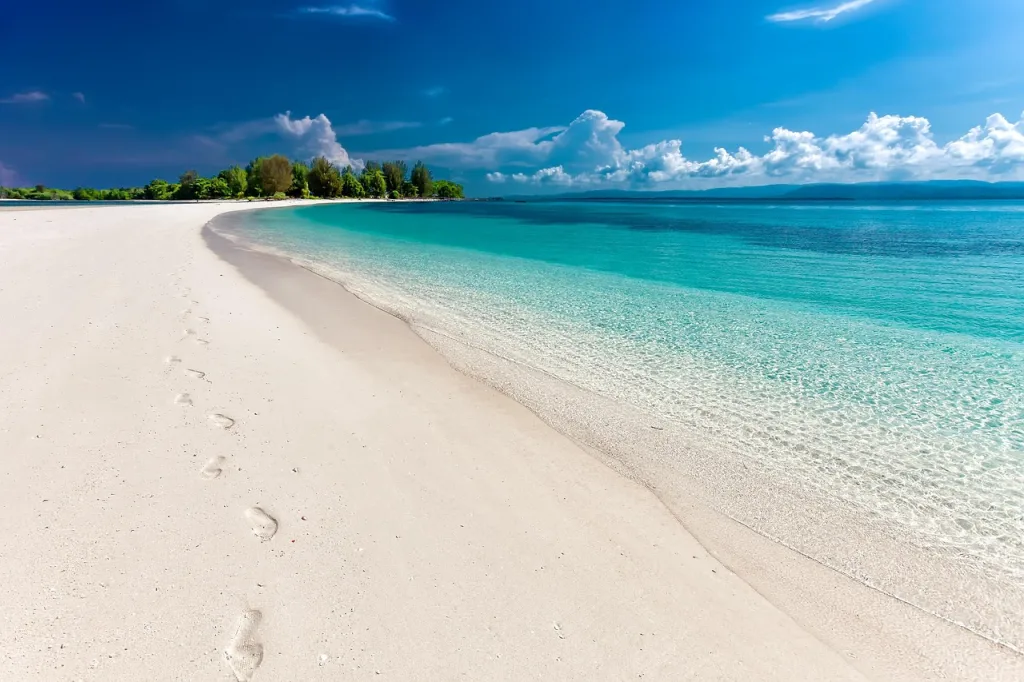
Fernando de Noronha, an archipelago nestled in the Atlantic Ocean off the northeast coast of Brazil, enchants every visitor with its breathtaking landscapes, pristine beaches, and vibrant marine life. Known for its UNESCO World Heritage status, this tropical paradise captivates not only with its natural beauty but also with outdoor adventures, from snorkeling alongside turtles to hiking up rocky trails with stunning ocean views.
Planning a trip to Noronha is more nuanced than many popular tourist destinations due to its protected status, which involves obtaining permits and paying certain fees. Understanding this process can transform your dream vacation into a reality. Let’s explore just what you need to know as you prepare for your escape to this exotic locale.
Understanding the Permits System
Permits are a core aspect of visiting Fernando de Noronha. The government of Brazil imposes these restrictions to protect the fragile ecosystem that makes the archipelago so unique. Each visitor must obtain an Environmental Preservation Fee (Taxa de Preservação Ambiental – TPA), which is used to fund conservation efforts on the island. The fee varies depending on the length of your stay.
For example, if you plan to stay up to 10 days, the fee per person is around R$ 78 (~$15 USD). This fee increases marginally for longer stays. Payment is made directly at the airport before boarding your flight or online through official platforms. Be sure to keep your receipt, as you may need to present it during your stay. A little upfront planning can save you potential headaches upon arrival.
Deciphering Fees for Your Adventure
Beyond the environmental fee, there are other costs to consider. Accommodation prices can range significantly, depending on whether you opt for a luxury resort or a cozy guesthouse. Expect to pay anywhere from R$ 150 (~$30 USD) to R$ 900 (~$180 USD) per night. Thus, if you’re traveling on a budget, planning your lodging ahead of time is essential.
If experiencing the rich marine life is on your to-do list—and it should be—you’ll want to budget for activities like snorkeling or scuba diving, which typically range between R$ 100 (~$20 USD) and R$ 400 (~$80 USD) per person, depending on the tour provider and the experience you choose.
As you plan your budget, consider group tours as a cost-effective and sociable option. They offer not just a chance to meet fellow travelers but also often save on costs in comparison to private excursions.
Crafting Your Itinerary: Must-Do Activities
When you think of Fernando de Noronha, beautiful beaches like Baía do Sancho and Praia do Leão likely come to mind. These are simply mandatory stops for any traveler. Baía do Sancho, often ranked among the best beaches in the world, is accessed via a steep staircase but rewards visitors with an unparalleled view and serene swimming experiences. Don’t forget your snorkeling gear; you might spot dolphins and a dazzling array of fish!
Praia do Leão, on the other hand, ushers in a breathtaking view as well but offers a more rustic, untouched feel. Pack a picnic, plant a beach towel, and relish in the tranquility. Just imagine the calming sound of waves and the view of turquoise waters stretching endlessly!
If you’re eager to dive a little deeper, the Atalaia beach is a pristine area that requires an additional permit to visit. Well worth the extra effort, this site showcases vibrant coral reefs teeming with life in shallow waters, ideal for snorkeling.
Savoring Local Cuisine: Eating Your Way Through Noronha
When it comes to food, Fernando de Noronha allows you to experience the ocean’s bounty like nowhere else. The local fish dishes are a highlight, with options such as grilled fish tacos or cachaça-marinated shrimp stealing the spotlight at restaurants like Xica da Silva and Restaurante do José.
It’s worth mentioning that dining can be on the pricier side, largely due to the logistics of transporting food to the island. Expect to spend anywhere from R$ 30 to R$ 70 (~$6 to $14 USD) for a meal. However, budget-conscious palates will delight in the local street food. Look for pastéis filled with seafood or cheese bursting with savory flavors and crispy textures.
Getting Around: Transportation on the Island
Transportation may seem daunting, but it’s fairly straightforward on Fernando de Noronha. The island allows you to explore at your own pace, especially through bike rentals or shared buggies. As cars are not allowed, biking becomes a popular, eco-friendly means of transportation. Rentals start around R$ 60 (~$12 USD) a day.
Alternatively, hiring a local guide for specific trips will make navigating the island’s winding paths especially easy and can enhance your experience with insider knowledge about captivating spots and hidden gems not included in typical guidebooks.
Best Times to Visit: Embracing Weather Patterns
Scheduling is key to maximizing your experience in Fernando de Noronha. The peak tourist season runs from December to March, when the weather is warm and dry, perfect for beach activities. However, do keep in mind that prices can soar during this peak period.
Visiting during the shoulder months of October to November or April to June offers a sweet balance. The prices are more manageable, and the weather remains agreeable for outdoor pursuits, while beautiful fauna and flora paint a picturesque scene as nature flourishes.
Final Thoughts on Your Noronha Adventure
A journey to Fernando de Noronha is nothing short of transformative. Despite the extra considerations around permits and fees, the experience awaits to unfold in breathtaking vistas, intimate wildlife encounters, and the soothing embrace of nature. With the right preparations, you’ll ensure your trip is not only smooth but filled with unforgettable memories. Each sunrise in Noronha brings new promises, and you will leave with stories and experiences to cherish for a lifetime.