
A bite on a dirt road — why Minas cheese makes you stop
I remember stepping off a dusty pickup in the middle of a sun-scorched valley and tearing a wedge from a warm wheel that had been sitting on a farmer’s lap. Steam rose; the aroma was milky and faintly floral. The first bite closed my eyes. Salty. A little tang. Fat that melted across the roof of my mouth and left that slow-burning, slightly spicy aftertaste that makes you reach for more. That was Canastra, seconds after it had left the press.
That moment is the shorthand for why people come to Minas Gerais for cheese: these are living cheeses that tell you where they were made. They’re not hygienic abstractions in a plastic tray. They have dirt on them, they sweat in the sun, and they taste like the grass the cows ate the week before. If you want a guide to what to look for, and how to plan a trip around these two regional stars — Queijo do Serro and Queijo da Canastra — keep reading. I’ll walk you through farms, flavors, practical travel tips, and the kinds of conversations you should have with the people who actually make the cheese.
Serro and Canastra: two towns, two temperaments
Say “cheese from Minas” and you’ll get a dozen answers. If pressed, most locals point to two names and raise their eyebrows: Serro and Serra da Canastra. Both are in Minas Gerais and both descend from the colonial Fazenda (farm) tradition, but they aren’t twins.
Serro is older, a hilltop town with cobbled streets and a certain austerity. The cheeses from Serro tend to be firmer, with a slightly granular texture and a rind that suggests a disciplined, salt-forward aging regimen. They’re the sort of cheese you slice thin for coffee or tuck into a sandwich.
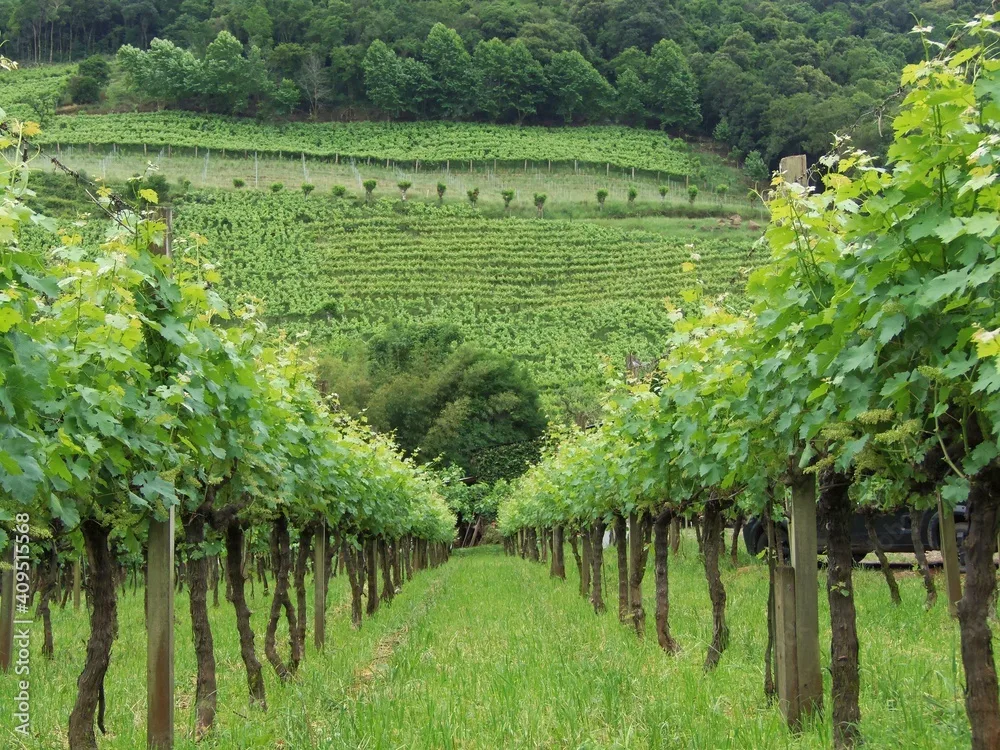
Serra da Canastra is a high plateau — a wide landscape of rolling grassland, streams that eventually feed the São Francisco River, and a more experimental cheesemaking culture. Canastra cheeses often arrive creamier, sometimes with a buttery spreadable core and a tang that finishes on the tongue like a green apple. Producers vary wildly: some cling to 200-year-old techniques; others play at refinement without leaving the farmhouse. Both styles are worth hunting.
What actually makes these cheeses taste different?
Short answer: terroir, milk, and method. Long answer:
- Milk: Small herds of local zebu-influenced cows graze native grasses. The milk’s fat and microbial load are shaped by pasture and weather in ways you can taste.
- Pingo: Many traditional farms use “pingo,” a bit of whey saved from the previous day, as the starter culture. It’s a local microbial cocktail — not a sterile lab strain — so batches have personality and variation.
- Raw milk: Historically, these cheeses are made with raw milk. That leaves more flavor compounds intact, though it also demands care and cleanliness.
- Aging and salt: Serro producers tend to press and salt more assertively; Canastra producers sometimes favor higher moisture and shorter press times, leading to softer paste.
Combine those variables and you get a wide expressive range: from a compact, savory Serro wheel that sits next to black coffee, to a Canastra wedge that oozes a little and begs for sweet guava paste.
How to taste with purpose
Don’t just swallow. Break off a piece, let it warm on your tongue, pay attention to arrival (milky? grassy?), texture (springy? creamy? granular?), and finish (salty? bitter? fruity?). Take water or black coffee between samples; a sugary accompaniment like goiabada will hide nuance but shows culinary pairings in Minas.
Planning the Cheese Trail: logistics and routes
If you’re coming from outside Brazil, fly into Tancredo Neves International (Belo Horizonte). From there the practical way to approach these places is by car. The roads are a mixed bag: paved highways, scenic two-lane stretches, and local dirt tracks that can be slippery in the rainy season. Expect the drive to Serro to take a couple of hours; Canastra’s main towns — like São Roque de Minas and nearby villages — typically require a longer trip of about four to five hours depending on your pace and stops.
Rent a car with ground clearance. I’ve done the route in a standard hatchback and in a compact SUV; the latter saves you headaches on farm access roads. Also: plan for small, flexible legs. Distances look short on a map but the charm is in stopping — a roadside vendor with doce de leite, a lookout over a canyon, or a producer who was only expecting relatives but will happily sell you cheese by the wedge.

Where to stay
Options range from pousadas in town centers to farmhouse stays (pousada na fazenda). If you want the full experience, book at least one night on a working farm. You’ll wake to bells and milk buckets, and that’s when the real education happens. In Canastra, several small pousadas double as tasting rooms; in Serro, staying in the historic center puts you a short walk from bakeries and old taverns.
Visiting producers: what to ask, what to watch
When you arrive at a farm, drop the tourist posture. Ask about the herd, the water source, and the pingo. Most producers will be proud and candid. Here are precise questions that actually yield useful answers:
- “How long has this wheel rested?” — Fresh cheeses taste different than 30-day cheeses.
- “Do you use pingo or a commercial starter?” — A pingo producer is usually traditional.
- “Where do the cows graze?” — Local pasture versus purchased feed matters for flavor.
- “Can I see the milking area?” — Cleanliness and flow from milking to pressing help you judge quality.
Watch the hands. Cheesemakers who have done this for decades move like musicians: quick and deliberate. They’ll show you the way they fold curds, how long they press, and whether they salt by brine or dry rub. Take notes if you want; these are practical details that reveal both craft and honesty.
Buying cheese: what to look for
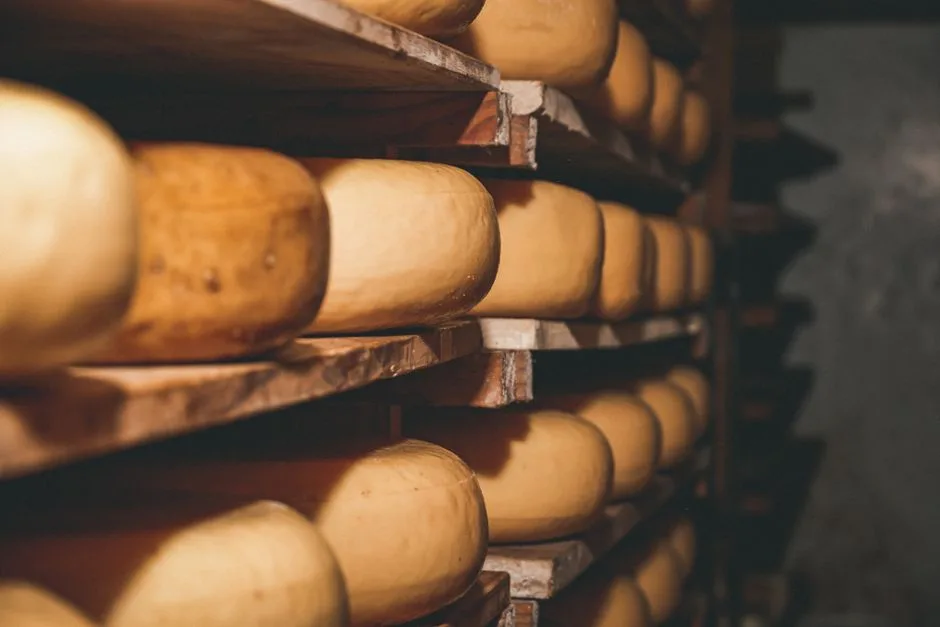
Take the rind seriously. A natural rind with a consistent color usually signals steady aging. Avoid cheeses that smell harshly of ammonia — that’s a sign of overripe proteins. Ask the producer how they store their wheels; if they keep them on wooden boards and rotate them, that’s traditional and often a good sign. And if you’re carrying cheese through your trip, bring a small cooler or insulated bag — nothing kills a cheese mood faster than a sweaty, warmed wheel in a packed car.
Local rituals: how Minas people eat cheese
Cheese in Minas is everyday and sacred. It appears at breakfast with strong coffee; at long lunches as a palate cleanser between meats; and at night paired with sweet guava paste for a laughably simple treat the locals call “Romeu e Julieta.” If you get invited into a kitchen, expect a hospitable, pointed conversation about how they make it — and a plate will arrive without formal ceremony.
Pairings to try:
- Cachaça from a local alambique — Canastra does beautifully with a clean, vegetal cachaça.
- Doce de leite or goiabada — sweet and savory is a Minas obsession.
- Strong black coffee or mate-style chá — both cleanse and accentuate the cheese’s salt.
Sensory guide: tasting notes for Serro and Canastra
Don’t let technical jargon scare you. Here’s a practical tasting map you can use on the trail.
- Serro (typical): Firm paste, sometimes slightly granular; clean milky aroma; salty upfront with a vegetal or nutty finish. Works best when sliced thin and eaten with coffee or rustic bread.
- Canastra (typical): Rangey — from semi-firm to soft; creamier mouthfeel; floral and buttery aromatics with a citrus-leaning tang at the finish. Exceptional with sweet guava paste and a glass of cachaça.
Texture matters as much as taste. A slightly springy paste indicates good acidity management; a gummy, pasty feel suggests overcooked curds or excess moisture. If the cheese crumbles into small bits, you’re likely dealing with an older, drier wheel that will favor salting and aging flavors.
Rules, regulations, and realities
There are local rules and state inspections; but the lived reality is a patchwork. Some producers sell at fairs and to specialty stores with clear labels. Others work only on the local circuit and sell directly to customers. If you’re seeking legally labeled products for export or a restaurant purchase, ask for documentation — producers who sell to urban shops usually have it.
One practical policy note: raw milk cheeses exist in this region and they’re delicious, but for certain travelers — pregnant people, the elderly, or immunocompromised visitors — raw milk products can be risky. Ask before you taste if that applies to you.
Cheese festivals and markets
Both Serro and towns around Canastra host markets and weekend fairs where multiple producers gather. These are the best places to sample many styles at once and to compare a dozen small differences in salting and aging techniques. Don’t expect tidy farmer’s-market soap shows; expect a lively, messy trade in real food and local gossip.
Practical buying tips and how to bring cheese home
If you want to carry cheese home, a few realities matter:
- Packaging: Ask the producer to wrap the wheel in waxed paper or cheese paper, not plastic. Paper breathes and keeps rinds from sweating into stinky, wet messes.
- Transport: Keep wheels cool. A soft tour pack or an insulated bag with ice packs is enough for road travel. If you’re flying, check airline and destination-country customs rules about dairy — many countries restrict fresh dairy imports.
- Storage at home: Semi-aged wheels do best in the fridge crisper for short-term use. Bring them to room temperature before serving; flavor blossoms when they’re not cold.
Stories from the trail: a few farm memories
There’s a woman I met who had been making cheese since she was a child. She stored her pingo in a clay jar that had a crack running down one side; she said the crack let the jar breathe, and that the breath was part of the flavor. Whether that’s true or just a good story is beside the point: she made a cheese that tasted like the slow warmth of evenings in Minas. That cheese is the kind you remember.
On another visit a young producer explained how he’d started out copying an old neighbor’s recipe, then tweaked pressing times and brining concentration until he could predict the cheese’s behavior. He’d begun selling at urban markets in Belo Horizonte and now emailed orders to expat restaurants. Tradition and entrepreneurship sit at uncomfortable angles in these valleys — and the results are often delicious.
Where to eat and what to order in town
In Serro, find a small cafe or bakery and ask for queijo assado — baked cheese topped with a little honey or goiabada. In towns around Canastra, seek out a simple tavern serving cheeses with home-baked loaves and local cachaça. Don’t overlook the humble snack bars where a cheese plate arrives with slices of guava paste and cassava chips. The most authentic meals are the ones without menus.
How to take a cheese tour that doesn’t feel like a conveyor belt
One worry for travelers is the packaged “cheese tour” experience — a bus of tourists passing through producers who put on an act. If you want something more genuine:
- Book directly with small pousadas that have contacts with farms; they’ll arrange honest visits.
- Go during a weekday when farms are working, not just on market day when everything is polished for visitors.
- Express clear curiosity. Producers respond well to genuine questions about technique more than empty compliments.
What to expect from the prices
Prices vary widely. You’ll find very affordable local cheeses at markets and slightly higher prices from boutique producers selling to city restaurants. If you buy directly on a farm, you’re paying for the craft and the story — and you’ll often get better value than at a packaged urban seller. That said, exceptional, aged wheels command a premium. Decide what you want: everyday eating cheese or a special wheel to bring home and prize.
Safety, seasons, and the rainy truth
Rainy season (roughly October to March, though patterns vary) changes the landscape dramatically. Pastures green up, microflora shift, and roads can become tricky. Many producers actually prefer the wet grasses for their cows and claim better flavor then, but access can be harder. If you want a predictable drive and easier farm visits, the drier months are simpler. If you want lush pastures and dramatic waterfalls in Serra da Canastra National Park, plan for a bit of mud.
A tasting checklist to carry with you
Print this, tuck it in your pocket, and use it in markets:
- Name of producer and town
- Milk type and herd notes (pasture-fed? supplemental feed?)
- Pingo or commercial starter?
- Aging time and storage method
- Recommended pairing by the maker
- Your tasting notes: arrival, texture, finish
One concrete takeaway for your trip
If you want one actionable rule for traveling the Cheeses of Minas: plan for slow movement and conversations. Don’t schedule back-to-back farm visits like bus stops. Pick two producers in the morning, take a long lunch with a cheese plate, and spend the afternoon with one farm where you can watch a milking or go for a pasture walk. That’s where you’ll see the decisions — how long whey rests, how wheels are turned, how salt concentration is judged by eye — that make a Serro wheel different from a Canastra wheel. And you’ll probably go home with at least one wheel and a handful of useful notes.
Last practical note
Bring a small notebook, an insulated bag, and a sense of curiosity. Minas rewards travelers who come with patience and the willingness to taste a little dirt along with the cheese. There are no shortcuts to this kind of food knowledge; the best lessons happen slowly, after a warm wedge, a cup of coffee, and someone who knows the land well enough to make something delicious there.