

Grape juice up to my knees — and I loved it
The first time I joined a vindima in the serra gaúcha I thought I knew what a harvest smelled like. I was wrong. It smells like wet earth, crushed skins, yeast waking up, and a kind of sweet panic: everyone racing to get the fruit in before the next rainy hour. I left with purple-stained fingers, a sunburned neck, and a stubborn grin that lasted for weeks. That moment will tell you more about southern brazil‘s harvest season than a hundred tasting notes.
When to go: the simple calendar that actually matters
Harvest in Brazil’s southern wine country follows the Southern Hemisphere clock: grapes ripen through the austral summer and are picked from late January through April, with regional variation. In higher-altitude pockets of the Serra Gaúcha you’ll see activity earlier or later, depending on microclimates and the variety. Whites and sparkling varieties are often picked earlier; full-bodied reds can linger on the vine into March. If you want to press grapes with locals, target February and March — that’s when villages throw parties, winery doors open wider, and the countryside feels like one long, grape-scented alley.
Where the good harvests happen
The phrase “southern Brazil” in wine talk means Rio Grande do Sul. Within that state, three names come up, over and over, when I’m planning a trip or a tasting route: Vale dos Vinhedos, Bento Gonçalves and Garibaldi. Each one offers a different slice of the harvest experience.
Vale dos Vinhedos
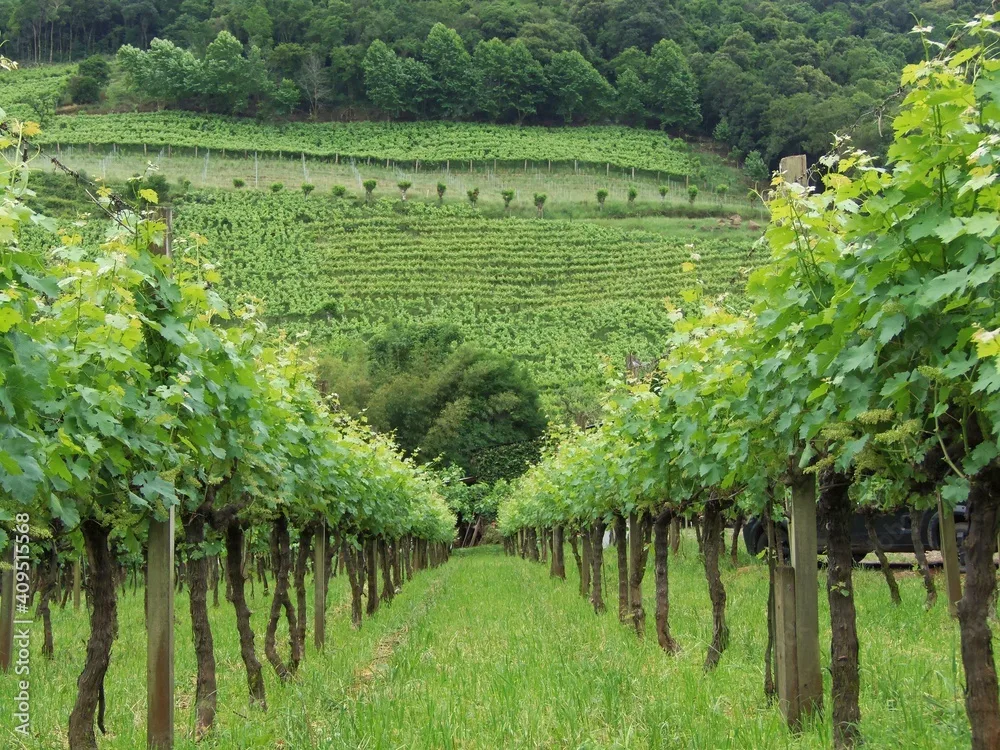
Vale dos Vinhedos is the postcard version: rolling rows of vines, small boutique wineries, family-run pousadas tucked into stone houses. This valley was developed by Italian immigrants decades ago, and you can taste that heritage — robust Merlots, sparkling wines, and table wines meant to sit beside polenta and roasted chicken. The harvest is festive here; you’ll find guided picking, cellar tours focusing on artisanal methods, and family dinners called vinho+comida where the winemaker sits at the same table as guests.
Bento Gonçalves and the working wineries
Bento Gonçalves is the practical heart. Expect larger operations and a real industrial hinterland combined with cozy wine tourism. It’s where you can pair a hands-on picking shift with a polished tasting room experience later in the day. Many visitors pick Bento Gonçalves as their base for exploring surrounding towns because it balances tourist infrastructure with authentic harvest work.

Garibaldi and the sparkling scene
Want bubbles? Garibaldi has that reputation. Its climate and soils suit sparkling production and traditional-method wines. During harvest you’ll see more stainless-steel tanks and people prepping for tirage than for long macerations. The mood here is a little more clinical and a little more celebratory — perfect if you like technique with your backyard-party spirit.
What actually happens during vindima
Harvest days start early. Cooler morning hours mean cleaner grapes and more energy for the long, sticky work. You’ll walk rows and hear the clack of pruning shears, the rustle of plastic crates, and the laughter of teams racing to beat a storm cell. Pickers are precise; they’re not pulling whole bunches at random — there’s a methodical cut and a look that says “this one is ready.” After collection, fruit is sorted, sometimes in the vineyard, other times on conveyor tables at the winery. Then the choices begin: whole-cluster pressing, cold maceration for whites, traditional crush for sparkling base wines, or longer fermentations for robust reds.
Hands-on experiences I recommend
- Half-day picking with a winemaker: you learn pruning technique and hear the vintage strategy straight from someone who will turn those grapes into wine.
- Stomping sessions — yes, the tourist version exists and it’s joyful. Expect a lot of laughing and some Instagram chaos.
- Cellar tours that include the sorting table. This is where you see how tiny defects get rejected and how each decision shapes a bottle’s destiny.
How the weather steers everything
Weather is the silent director of the harvest. A hot summer with steady sun brings sugar accumulation and early picks. A late-season rain can force a hurried harvest to avoid dilution and rot. Winemakers watch not only temperature but humidity and wind. During my seasons in the valley I’ve learned to read the sky the same way locals do — a low cloud bank equals urgent texts from producers: “We start at dawn.” This is why flexible itineraries work best. If you want to join a picking crew, let your host know you’re available on short notice.
Taste the region: what to sip after the work
After a day among vines, what I reach for depends on what I picked. If my morning was white grapes, I want a crisp wine that remembers the cold cellar: Chardonnay with a touch of oak or a bright Sauvignon-style white. After picking reds I prefer something with fruit and tannin — a Merlot or a well-made Cabernet, or a local Tannat that grips the palate.
Sparkling wines are everywhere here, and for good reason — the high-altitude vineyards make fine base wines that bottle-ferment beautifully. Don’t dismiss the modest estates’ sparklings; sometimes the best value comes from family producers who focus on balance rather than showy dosage.
Food pairing in harvest season — comfort first
After hours of harvesting, the dinners are real and rooted: slow-cooked stews, polenta, roast chicken, and a surprising amount of cake and preserves. The immigrant mix of Italian and German cooking gives the region a practical, hearty kitchen. I make a point of accepting every dinner invite during vindima. The food reveals local priorities: a meal is both work reward and community glue. Bring an appetite and a willingness to share glasses; hospitality here is literal — someone will slide a plate toward you without fuss.
Festivals you might catch
During harvest season small towns stage vindimas or grape festivals. You’ll see processions, grape-stomping demonstrations, and parades with folkloric music. The larger events, like the Festa da Uva in neighboring towns, attract artisans, winemakers, and tourists, creating an electric atmosphere. If you want spectacle, check local calendars well ahead — many festivals set dates months in advance and hotels fill quickly.
Where to sleep: practical bases for harvest explorers
Choose your base strategically: Vale dos Vinhedos for boutique immersion; Bento Gonçalves for convenience and transport links; Garibaldi if you want sparking-focused visits with quick winery access. Pousadas and small inns in the valley lock up quickly during harvest — families prefer to host visitors who want an authentic experience rather than big hotel guests. I usually stay two to four nights in a single town so I can be flexible with short-notice harvest invitations.
Getting there and getting around
Most international travelers land in Porto Alegre. From there the valley is reachable by road. Public buses connect main towns, but if you plan to chase harvests on the calendar, rent a car or hire a driver for a day. Distances are short by Brazilian standards, but vineyard roads are rural and sometimes gravel; a smaller sedan might be tight on dirt lanes. I’ve driven gravel roads in a compact car and lived to tell the tale, but I prefer something with a little more clearance when visiting multiple small estates in a single day.
Language and etiquette that matter
Portuguese will get you everywhere. Learn a few key phrases — locals appreciate the effort. At a harvest table it’s polite to ask permission before helping with equipment and to follow a winemaker’s safety directions. Bring cash in small bills for small purchases at stands and quick tips to workers; many small operations still prefer immediate payment rather than card machines.
Booking wineries and avoiding the tourist traps
Call or message ahead. Even if a winery’s website looks open to walk-ins, the harvest is a working season and many estates restrict visits to protect their routines. If you want to stomp or pick, explicitly ask for those activities. Avoid the over-produced “harvest show” that some larger wineries run for tourists; those are fine once for photos, but the real learning happens in small, unadorned operations where the winemaker will answer hard questions about fermentation and soil.
What to pack for harvest season
Bring rubber boots or shoes you don’t mind ruining, a lightweight rain jacket, sun protection, and a bandana to keep sweat off your neck. A small daypack works better than a big suitcase; you’ll carry a water bottle, a small notebook for tasting notes, and a soft foldable bag for purchases. Wineries sometimes sell bottles that won’t survive carry-on restrictions, so plan a shipping option if you fall for something rare.
Budgeting without exact numbers
Harvest pushes demand up for hotels and tours. Expect higher costs than a low-season visit — not astronomical, but noticeable. The money you spend supports neighborhood economies: temporary workers, local food vendors, and small-scale producers. Think of harvest travel as paying for an experience rather than a commodity; you’re joining a cultural event, not just buying a tasting.
Safety, sustainability and respecting the land
Harvest is a labor-intensive time. Follow safety instructions, avoid smoking near fermenting areas, and don’t bring pets into production areas. Ask about goodwill programs if you want to volunteer — some wineries partner with local organizations for educational visits or help with pruning and other chores outside of peak times. Sustainable practices are becoming more common; inquire about water use, integrated pest management, and organic or biodynamic certifications if that matters to you.
My favorite small discoveries
One year I was invited to a tiny family cellar that made a sparkling wine using a mix of Chardonnay and local hybrids. They had five stainless tanks and a single, dented pup filled with corks. After the tour the winemaker poured a glass straight from a freshly disgorged bottle — it tasted like cold apple and a bakery at dawn. I’ve sought similar surprises since: boutique estates where the winemaking is personal, not corporate. These are the places that reward patience and curiosity.
Timing your trip: practical windows and surprises
If you want to attend big festivals and picture-perfect village carnivals, aim for late February to March. If you prefer quieter, labor-focused experiences — the actual picking and the post-harvest cellar work — plan for early February or late March, depending on the year’s weather. The rule I use when advising travelers: be flexible. Give yourself several spare days in your itinerary. The harvest is alive; plans shift with weather and ripeness.
How to build a simple harvest itinerary
Pick a base town, reserve two to four nights, and schedule one hands-on morning, one cellar tour with tasting, and one festival or market visit. Leave a day unscheduled to take a winery owner’s spontaneous call. That blank day is where the best memories happen: early morning picking, lunch at a family table, then a sunset walk among rows that look like neat green combs stretched across the valley.
What a day in the harvest looks like on the ground
Work begins early. You show up at the winery at 7 a.m., sign a simple liability note, and meet the picking team. After a quick briefing you head into the rows. The work is physical but methodical: cut, inspect, drop into a crate. Breaks are long enough to swap stories and short enough to keep the fruit from baking in the sun. By midday you head to the sorting table where grapes are checked twice. Afternoon is tasting—an educational glass that frames the day’s decisions. And before you know it, someone brings out a plate of polenta, a slab of slow-cooked pork, and a bottle opened with a small celebratory speech. The day ends with purple-stained hands and a clear sense that wine here is treated like a community craft, not a commodity.
What to bring home mentally and materially
Bring home a bottle that has a story and the memory of sitting with strangers who became tablemates. If you bought a case, think of it as a time capsule from a specific vintage and place — a conversation starter when you open it later. Material souvenirs are nice, but the real takeaway is the sense of how terroir and human hands interact: the way soil composition, a hailstorm, or a two-hour rain can alter decisions in the cellar.
A final, usable tip
Book a base, allow three flexible days, pack boots, and say yes to the invitation you weren’t expecting. The harvest is less a checklist than a set of opportunities. Show up curious, keep your schedule open, and plan to eat well. That’s how you leave with more than a suitcase — you leave with a memory that tastes like the valley.