

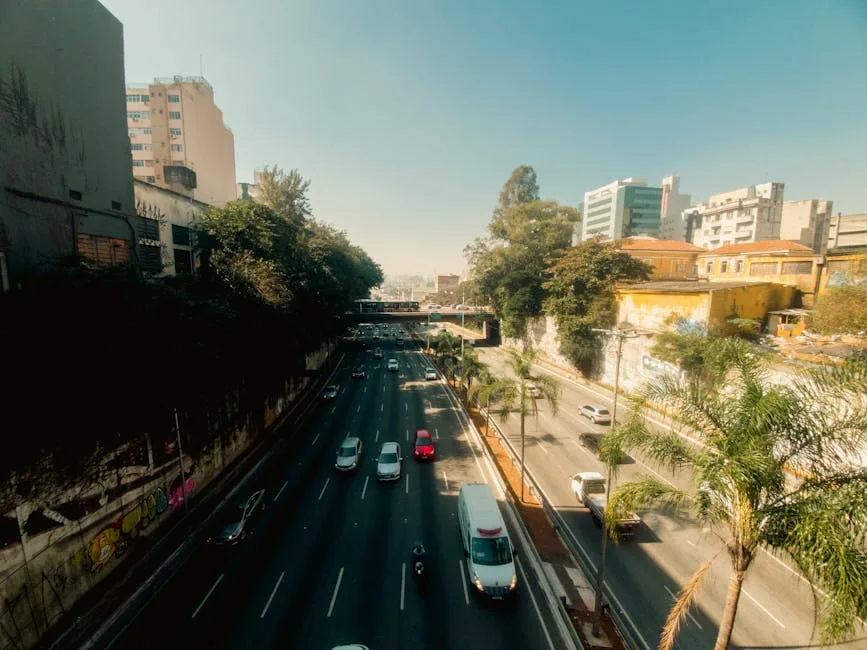
Getting ready for Brazil: why apps matter more than you think
Arriving in brazil without the right apps is like showing up to a churrasco without meat — doable, but you’ll miss out. Whether you’re landing in são paulo for business, spending a week on the beaches of Rio, or exploring the colonial streets of Salvador, ride‑sharing and delivery apps will shape how smoothly your days go. They save time, reduce language friction, and open options that taxis or public transit won’t always offer.
Must‑have ride‑sharing apps and what each does best
Start with three to five ride apps on your phone. Each has strengths depending on city, budget, and vehicle type.
Uber — the baseline option
Uber operates in virtually every major Brazilian city and many mid‑sized ones. Expect easy fare estimates, multiple vehicle categories (economy, comfort, larger cars), and real‑time tracking. International cards work in most cases, but set up a backup payment method because cards occasionally decline on foreign accounts. Use Uber for predictable airport rides and longer intra‑city trips in traffic.
99 — often cheaper and more local-friendly
99 is a Brazilian heavyweight that competes directly with Uber on price and local promos. It tends to have strong coverage in São Paulo and Rio and often undercuts surge pricing with targeted discounts. 99 also offers taxi calls through the same app, which is handy where taxis are faster or allowed in restricted lanes.
Cabify — polished service in business corridors
Cabify focuses on slightly higher‑end rides and corporate customers. If you want a calmer car, professional drivers, and scheduled pickups for airport departures, Cabify is a reliable choice in São Paulo, Rio, and Brasilia. It’s worth the extra few reals for comfort when you have meetings or early flights.
InDriver — set your fare in certain cities
InDriver flips the script: passengers propose the fare and drivers accept or counter. It’s useful late at night or when surge pricing spikes. You’ll find active negotiating in cities like Fortaleza and Recife, where it’s popular. Use it as a backup if other apps show long waits.
Local motorcycle options and short‑haul alternatives
In many Brazilian cities, motorcycle rides and deliveries are the fastest way through congested streets. Look for moto options inside mainstream apps (economy or “moto” categories) or local services that specialize in two‑wheeled trips. Motorbike taxis — mototáxis — still operate without apps in smaller towns, but in São Paulo and other big cities app‑based moto options are common and fast for single passengers.
Food and goods delivery: who does what
Meal delivery in Brazil is robust; apps cover everything from street snacks to supermarket runs. Download at least two food apps, plus one drinks and one grocery option.
iFood — market leader for restaurants
iFood dominates restaurant delivery across Brazil. Expect the widest selection and fastest delivery in São Paulo and Rio. The app supports contactless delivery and tracks the courier’s route. Delivery fees vary by restaurant and time of day. If you see a restaurant missing from iFood, it may be using a local service or only offering pickup.
Rappi — more than food: groceries and errands
Rappi runs like a Swiss army knife. Yes, it delivers restaurant meals, but it also brings grocery orders, pharmacy items, cash withdrawal to your door, and quick errands. For travelers that want groceries or last‑minute toiletries delivered straight to a hotel room, Rappi often saves the day.
Uber Eats — familiar interface, solid backup
Uber Eats covers major cities and is straightforward if you already use Uber. It’s especially useful when you prefer consolidated receipts tied to your Uber account or want to switch seamlessly between ride and food services.
Zé Delivery — drinks delivered fast
Zé Delivery specializes in beverages and is one of the fastest ways to get beer, soft drinks, or ice to your door. It’s commonly used in Rio and São Paulo and offers quick delivery windows late into the night — a welcome option if you’re hosting friends in an Airbnb.
Supermarket and quick‑shopping apps
Major supermarket chains run their own apps. Pão de Açúcar and Carrefour have reliable grocery delivery in big cities. Use these for larger grocery hauls or when you need pantry staples that restaurant apps don’t cover. For one‑off courier tasks and small parcel delivery, Loggi connects stores to fast couriers across urban centers.

How payments work: avoid the awkward moment at pickup
Brazil’s payment landscape blends international methods with local systems that matter. Know these three essentials before you book your first ride.
Credit/debit cards — your first line
Most apps accept international Visa and Mastercard. Add your card before leaving home and verify a small charge if prompted. Some drivers report delayed authorizations for foreign cards, so keep a backup.
Pix — the instant payment everyone uses
Pix is Brazil’s national instant‑payment system and it’s ubiquitous. Some apps and vendors accept Pix for top‑ups or in‑market purchases. If you plan to stay more than a few days, open a local bank account or use a digital wallet that supports Pix. You’ll find Pix useful for topping a local wallet or sending money to a delivery person when cash back‑and‑forth is easiest.
Cash and local wallets
Carrying some reais is still wise. Many drivers accept cash and some delivery couriers prefer it — especially for small tips. Local wallets like PicPay or app‑specific wallets can store balance and pay quickly. If you opt for cash tips, hand them over directly; drivers appreciate the gesture but expect it to be small (5–10% is common for good service).
Getting a local phone number and data before you land
Most apps require SMS verification. A foreign phone number often works, but coverage problems are common. Buy a local SIM at the airport or set up an eSIM before arrival. Major carriers — Vivo, Claro, TIM — have tourist plans with decent data. eSIM providers like Airalo offer Brazil packages that get you started immediately. With reliable data, you’ll avoid headaches with map routing, driver calls, and last‑minute booking changes.
Regional realities: how services change across Brazil
Brazil is vast. App coverage, delivery speeds, and common transport modes shift from city to city. A plan that works in São Paulo won’t always translate to Manaus or smaller towns on the coast.
Southeast big cities (São Paulo, Rio, Belo Horizonte)
Expect dense app coverage, multiple ride categories, and fast deliveries. Motorcycle couriers dominate short‑distance delivery and cut through traffic. Use 99 and iFood for competitive pricing and Cabify for a more professional ride.
Northeast cities (Salvador, Recife, Fortaleza)
Traffic patterns and street layouts make moto deliveries and moto rides especially common. Rappi and iFood are available, but local courier networks might deliver faster. In tourist neighborhoods, rides can be more expensive at night, so confirm fares in advance.
Central and Federal (Brasília)
Ride apps work well across Brasília’s spread‑out sectors. However, expect longer transit times between neighborhoods and higher costs for cross‑city trips. Scheduling a pickup for airport returns with Cabify or Uber will save stress on departure day.
North and riverine areas (Manaus, Belém)
Coverage thins in the North. In river cities, travel often involves ferries and boats rather than cars; those services are less app‑driven. Plan ahead: download maps, ask your hotel about local transport, and expect fewer delivery options in residential neighborhoods.
Smart safety habits for rides and deliveries
Brazilian cities are lively, but they require practical precautions. These habits keep you comfortable and reduce risk.
- Confirm the driver’s name, photo, and plate before entering the car. Apps display this prominently — use it every time.
- Share your trip with someone. Use the app’s share function to send realtime location to a friend or hotel staff.
- Prefer the back seat with a stranger driver unless you’re traveling with someone you trust. It creates personal space and a clearer exit path.
- Keep valuables out of sight. Transfer items to your bag before leaving restaurants or markets.
- When ordering food, include clear building instructions in Portuguese: “Subo no apartamento 502, por favor ligar” (I’ll come down from apartment 502, please call).
How to communicate clearly with drivers and couriers
Language gaps are common but easy to bridge with a few Portuguese phrases and a little prep. Save addresses in Portuguese, add landmarks, and include building codes or gate numbers. Couriers navigate faster with short, direct instructions.
Useful phrases to save in your phone
- “Por favor, ligue quando chegar.” — Please call when you arrive.
- “Estou descendo em 5 minutos.” — I’m coming down in 5 minutes.
- “Portaria/recepção/entrada principal.” — Concierge/reception/main entrance.
- “Prédio à direita do supermercado.” — Building to the right of the supermarket.
Setup checklist to finish before arrival
Install the apps and take action on these points beforehand so your first day feels seamless.
- Download Uber, 99, iFood, Rappi, and Zé Delivery (adjust the list to the city you’ll visit).
- Add a payment method and verify the card. Keep screenshots of card authorizations in case support asks.
- Get a local SIM or eSIM and confirm SMS reception works.
- Save your hotel or Airbnb address in Portuguese and pin it to offline maps.
- Enable trip sharing and location services for ride apps.
- Top off a local wallet or keep 50–100 BRL in cash for immediate needs.
When apps aren’t an option: local fallbacks
Sometimes apps fail — no network, app glitches, or nonexistence in a small town. Know the local alternatives.
Traditional taxis and radio táxis
Every city has taxi ranks and licensed taxi cooperatives reachable by phone. Your hotel can call one for you. In Salvador and Recife, taxis still provide a dependable fallback.
Mototáxis and boat taxis
In many parts of the North and Northeast, mototáxis and boats are ordinary transport. Ask locals or your host for trusted operators; hotels and pousadas will recommend reputable drivers.
Public transit and ferries
Ferries in places like Salvador and Belém serve major river crossings and islands. These won’t appear in ride apps, so check schedules and plan extra travel time.
Which apps to prioritize by city — a quick cheat sheet
Save this shortlist to your phone before flying. It’s tuned to where app coverage and local habits intersect.
- São Paulo: Uber, 99, Cabify, iFood, Rappi, Zé Delivery — expect multiple choices and frequent promos.
- Rio de Janeiro: Uber, 99, iFood, Rappi, Zé Delivery — choose moto options for Copacabana to Barra traffic shortcuts.
- Salvador: 99, Uber (where available), iFood, Rappi — moto couriers are common in older neighborhoods.
- Recife/Fortaleza: 99, InDriver, iFood, Rappi — motorcycles streamline inner‑city trips.
- Brasília: Uber, Cabify, iFood — longer distances across sectors favor scheduled pickups.
- Manaus/Belém: Fewer app options; rely on hotel guidance, local taxis, and river transport.

Final practical tips worth remembering
Download maps for offline use, screenshot important confirmations (rides, deliveries, booking details), and keep an emergency contact saved with +55 (Brazil country code). When bargaining on InDriver, do so politely and check the route before confirming. Keep receipts in case of disputes; apps have responsive Portuguese and English support for common issues.
With these apps, a little prep goes a long way: you’ll move faster, eat better, and spend less time waiting. Brazil rewards curiosity and flexibility, and the right digital tools let you enjoy both without the friction.