
Why Brazil feels both promising and challenging for wheelchair travelers
brazil is big, loud, colorful, and full of surprises — and that applies to its accessibility landscape. Urban centers and major tourist attractions have invested heavily in ramps, elevators, tactile flooring, accessible restrooms, and trained staff. At the same time, historic neighborhoods, beaches, and rural areas often present uneven sidewalks, cobblestones, and steep inclines. The practical result: a trip that rewards planning and local contacts. This guide focuses on realistic, on-the-ground advice so you can choose destinations, plan transfers, and manage expectations without unpleasant surprises.
Know the legal and standards framework before you go
Brazil has concrete accessibility laws and technical standards that shape public infrastructure and private services. The Lei Brasileira de Inclusão (Law no. 13.146/2015) establishes rights for people with disabilities, including access to public services and transport. The technical standard that professionals use is ABNT NBR 9050, which defines dimensions for ramps, accessible parking, toilets, and signage.
Knowing these two references helps when you ask for specifics from hotels, museums, or local transport providers. When a hotel quotes “accessible room,” ask whether it follows ABNT NBR 9050 measurements and whether the room has a roll-in shower, grab bars, and enough clear floor space for your wheelchair to turn.
Air travel tips: airports, assistance, and batteries
Major Brazilian airports—São Paulo-Guarulhos (GRU), Rio-Galeão (GIG), Brasília (BSB), and others—provide passenger assistance services (known as assistência especial or PNAF services). These services include help from check-in to boarding, priority security lanes in some airports, and special assistance for deplaning. Still, you must request assistance in advance: contact your airline at least 48 hours before departure and confirm 24 hours before travel.
If you use a power wheelchair with lithium-ion batteries, check airline rules early. Most airlines allow batteries but require prior approval and usually want main and spare batteries carried in the cabin with terminals insulated. Bring documentation from the wheelchair manufacturer and a statement from your doctor if you anticipate problems. At large Brazilian airports, trained staff are familiar with handling mobility devices, but delays happen, so arrive earlier than usual and carry a basic toolkit or protective cover for hinges and casters.
Getting around cities: metros, buses, taxis, and accessible vans
Big cities have the best infrastructure. São Paulo’s Avenida Paulista and much of its metro network include elevators, tactile paths, and low-floor buses on major lines. Rio’s metro covers large parts of the tourist area and has priority seating, elevators, and tactile guidance in many stations. Brasília’s planned layout makes it easier to navigate by car or taxi because public buildings were designed with modern standards in mind.
Street-level transport varies. Low-floor buses (ônibus padronizados) are common in major urban corridors but smaller neighborhood buses may not be. App-based ride services operate in Brazil, and you can often request regulated accessible taxis (often called táxis adaptados) in larger cities. When an adapted taxi isn’t available, a private transfer company that provides wheelchair-accessible vehicles (vans with ramps or lifts) is a reliable alternative—book these in advance, especially for airport transfers and long drives.
Where accessibility actually works: practical destination picks
Pick destinations strategically: major tourism hubs and national parks with official management tend to have the best access. Here are practical examples and what to expect:
São Paulo — cultural density with accessible museums
Museums and cultural centers in São Paulo are usually quite accessible. Avenida Paulista’s wide sidewalks and MASP (Museu de Arte de São Paulo) have accessible entrances and elevators. Shopping centers are another dependable refuge: modern malls offer accessible restrooms, ramps, and elevators, and many hotels near Paulista cater to accessibility needs.
Rio de Janeiro — beaches with promenades and selective access
Promenade life is one of Brazil’s great pleasures, and Rio’s calçadão along Copacabana and Ipanema is a major advantage: wide, relatively flat promenades make beachside movement possible for wheelchair users, and many kiosks and beachfront parks have adapted restrooms and ramps. For sights such as Christ the Redeemer and Sugarloaf, contact operators ahead of time to arrange accessible transport; both sites have made improvements, but conditions vary.

Iguaçu Falls (Foz do Iguaçu) — world-class access to natural wonders
The Brazilian side of Iguaçu Falls provides well-maintained boardwalks and viewing platforms that are physically accessible. The national park’s visitor center and main viewpoints were designed to allow wheelchair users to experience the falls at close range. Book accessible park transport and confirm restroom accessibility with park staff.
Brasília — modern design that often equals accessibility
Because Brasília was planned in the 1960s, many public buildings and open spaces are relatively accessible. Wide avenues and accessible government buildings make it a good destination for first-time visitors looking for fewer surprises. Still, confirm individual museum and restaurant facilities—access inside older buildings can vary.
Salvador and Pelourinho — historic beauty, practical caveats
Salvador’s historic Pelourinho is gorgeous but built on uneven cobblestones and multiple levels. The city does provide points of access—such as the Elevador Lacerda connecting lower and upper city—but many alleys remain challenging. Plan to enjoy viewpoints, museums that advertise accessibility, and riverfront areas rather than expecting full, independent access through every narrow street.
Beach tips: sand, water, and special equipment
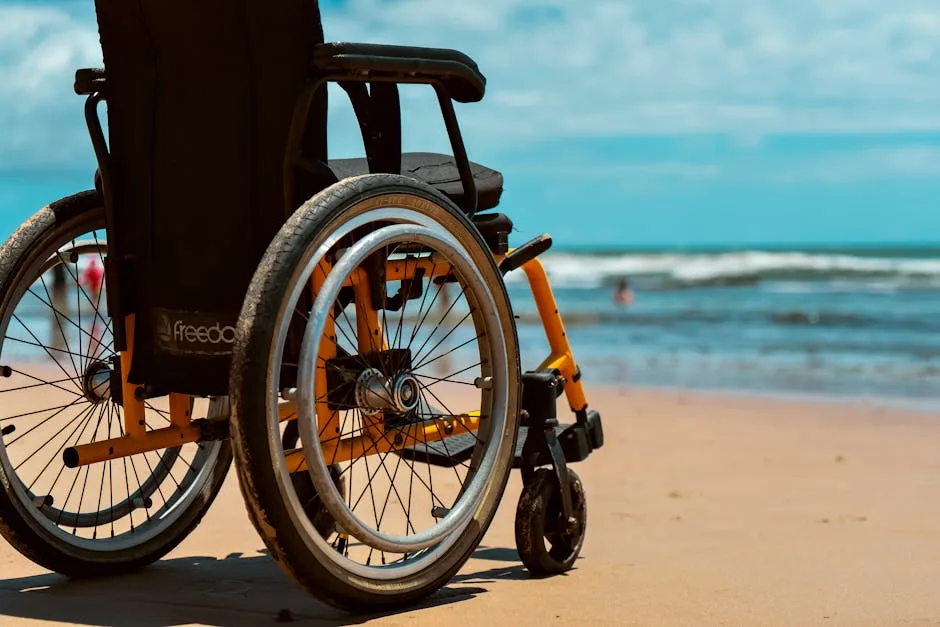
Brazilian beaches range from long, flat promenades to dunes and rocky stretches. The calçadão promenades in Rio, Recife, and Fortaleza are a reliable asset. Several coastal cities and municipal programs lend or loan amphibious wheelchairs (often called beach wheelchairs) for free or a small fee at busy tourist beaches. These programs are not universal—availability varies by city and season—so contact local tourism offices ahead of time or your hotel concierge.
Even when a beach offers a boardwalk or beach wheelchair, sandy stretches and tide changes can restrict access. Bring a companion or arrange assistance when transferring in and out of a beach wheelchair, and protect electronics and batteries from sand and saltwater spray.
Hotels and short-term rentals: what to ask and what to insist on
“Accessible room” in Brazil can mean many things. Before you book, ask for measurements and specific features rather than trusting the phrase alone. Key items to confirm:
- Door width and clear turning space inside the room.
- Roll-in shower vs. walk-in shower; presence of grab bars and shower seat.
- Height and accessibility of beds, wardrobe, switches, and mirrors.
- Bathroom sink clearance and accessible toilet height.
- Elevator access to your floor and whether the hotel has a step-free entrance from the street.
For vacation rentals, request photos of the exact unit, not just the building. Hosts sometimes assume that a stairlift or a single step qualifies as accessible; insist on detailed, current photos showing thresholds, bathrooms, and door widths. If you rely on a hoist or specific medical equipment, confirm space and ceiling strength for installation and whether the host will allow professional installation during your stay.
Medical supplies, mobility rentals, and local support
Brazilian cities offer wheelchair and scooter rental services, medical equipment suppliers, and physiotherapy clinics, especially in larger urban areas. If you prefer to travel with a compact manual chair and rent an electric wheelchair locally, contact rental companies in advance and request delivery to your hotel or airport.
Cultural note: pharmacies in Brazil are widespread in cities and have trained staff who can help with common medications. Carry prescriptions in Portuguese when possible and a short medical summary in case staff ask for clarification. For long-term medical equipment needs, plan a few extra days to locate suppliers and perform equipment checks.
Language tools and useful Portuguese phrases
Portuguese is the language of daily life. A few phrases will smooth interactions and help you ask for assistance confidently. Practice these and keep them on your phone or printed card:
- “Eu uso cadeira de rodas” — I use a wheelchair.
- “Preciso de ajuda para embarque” — I need assistance for boarding.
- “Tem banheiro acessível?” — Do you have an accessible bathroom?
- “Onde é a entrada sem degraus?” — Where is the step-free entrance?
- “Pode chamar um táxi adaptado?” — Can you call an adapted taxi?
If you prefer English, most hotel staff in tourist centers speak a working level of English, but in smaller towns you’ll want either a phrasebook or an app for translation. Contextual images on your phone that show what you need (e.g., a photo of a ramp) often helps faster than a translated phrase.
Safety, sidewalks, and navigating uneven terrain
Sidewalks in Brazil can be a serious limit to mobility. Many city sidewalks are broken, narrow, or blocked by street vendors, parked motorbikes, and driveways. When planning a walking route, choose main avenues and plazas rather than backstreets. Large shopping centers, cultural precincts, and hotel zones usually have continuous accessible pathways.
Historic centers with cobblestones (often called paralelepípedo) demand extra care: routes can be bumpy and may require a companion to manage tight turns or steep ramps. Carry a lightweight cushion and strap system to minimize discomfort on long transfers, and allow extra time for crossing plazas and busy intersections during peak hours.
Booking tours and experiences with accessibility in mind
Many tour operators in Brazil now advertise accessible tours. When booking, request specific information: minimum door widths for vehicles, step height for boarding, restroom availability during the route, and assistance for transfers at sites with stairs. For wildlife and nature excursions, national parks often have adapted viewpoints and accessible trails; these are the most reliable outdoor experiences for wheelchair users.
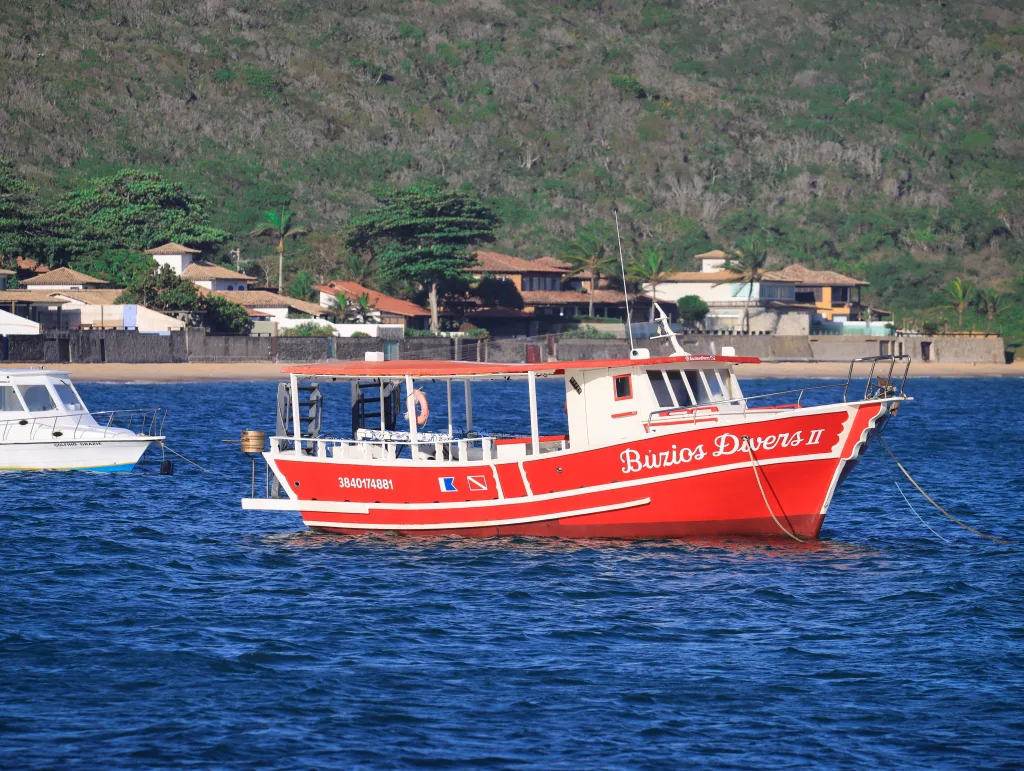
For boat-based experiences, such as short Guanabara Bay cruises in Rio or river excursions in the Pantanal, confirm how transfers are handled. Small craft are often harder to board; look for operators that provide ramps and have experience assisting passengers with reduced mobility.
Practical packing checklist for Brazil
Packing for Brazil means preparing for heat, sun, and occasional bureaucracy. Here’s a practical checklist focused on mobility needs and comfort:
- Copies of medical prescriptions and equipment manuals (in Portuguese if possible).
- Contact details for wheelchair rental companies and local hospitals in the cities you will visit.
- Lightweight waterproof cover for motorized chairs and a small toolkit for quick fixes.
- Portable cushion and straps for transfers and long vehicle rides.
- Sun protection: wide-brim hat, sunscreen, and a lightweight umbrella for sudden sun or rain.
- Recharge cables and spare battery insurance handled with airline approval.
Tech and apps that make travel easier
Mapping, translation, and ride-hailing apps are indispensable. Google Maps offers street-view checks of sidewalks in some cities, while local transit apps in São Paulo and Rio show elevator locations and station accessibility in varying detail. Use hotel booking sites that allow you to filter for accessible rooms and always follow up directly with the property.
Community resources and advocacy groups
Local disability organizations and social media groups are the best sources of current, practical intel. Search for city-based Facebook groups or WhatsApp communities for wheelchair users and travelers with reduced mobility in São Paulo, Rio, Salvador, and Foz do Iguaçu. Local NGOs often publish up-to-date accessibility maps and can recommend trusted service providers and adapted taxis.
Sample 7-day accessible itinerary — realistic pace
Here’s a sample trip that balances mobility-friendly attractions, rest, and culture without overreaching:
- Day 1–2: Arrive São Paulo. Stay near Avenida Paulista; visit MASP and the wide sidewalks of Paulista Avenue. Relax in an accessible shopping center for a calm evening.
- Day 3–4: Fly or take an accessible transfer to Foz do Iguaçu. Spend one full day at the Brazilian side of the falls using the park’s accessible boardwalks and viewpoints.
- Day 5–7: Head to Rio de Janeiro. Base near the Copacabana or Ipanema promenade for easy seaside days, a guided accessible tour to Corcovado or Sugarloaf, and a restful afternoon at a beachfront café.
The idea is to pick fewer centers and explore them deeply. Moving between many cities increases transfer time and the chance of equipment complications.
Common questions travelers ask — and direct answers
Will I find wheelchair repairs or spare parts?
Yes, in major cities. São Paulo and Rio have multiple medical equipment vendors and repair shops. In smaller towns, you may need to order parts or plan a quick return to a larger city. Carry manufacturer contact info and check whether your warranty covers international repairs.
How easy is independent travel versus traveling with a companion?
Independent travel is possible, especially in modern districts and large tourist hubs, but a companion simplifies transfers, beach assistance, and excursions where staff must help with boarding. If you travel solo, arrange for airport assistance, book adapted transfers ahead, and schedule time for each activity to reduce stress.
Is tipping expected for assistance?
Tipping isn’t mandatory in Brazil, but small tips for exceptional personal assistance are appreciated. Service staff at hotels and restaurants generally receive a 10–12% service fee on bills; a small additional tip for individual help is not rude when service goes beyond the expected duties.
Final practical reminders before you go
Make two lists: one of the absolute must-haves (meds, batteries, documentation) and a second of “nice-to-have” comforts (extra cushion, spare adaptors). Notify airlines and hotels early, lean on local tourism offices when you arrive, and connect with local disability communities for hyper-local tips. With the right preparation, Brazil’s music, beaches, museums, and waterfalls become accessible experiences rather than distant sights.

Travel in Brazil with a wheelchair is not a single standardized experience; it’s a mosaic of excellent accessible infrastructure, surprising local initiatives, and occasional barriers. Expect variability, prepare for contingencies, and favor quality over quantity when you plan your route. Once you lock in a few reliable bases and local contacts, Brazil opens up in a way that rewards curiosity and patience.