
Warm sand, open access: why beach accessibility matters in Brazil
brazil’s coastline stretches over 7,000 kilometers and touches nearly every imagination of the country: lively promenades, coconut palms, dramatic cliffs and calm bays. For travelers with mobility, sensory, or other access needs, the coastline should be just as welcoming. accessibility is more than ramps and reserved parking; it means the opportunity to walk to the water, sit at a beachfront kiosk, join an adaptive surf lesson, or simply watch the sunset without logistical barriers. I’ll guide you through realistic expectations, reliable places to start your search, and concrete planning tips so your brazilian beach days feel both joyful and manageable.
Where accessibility shows up most on Brazil’s coastline
Not every beach in Brazil is built the same. Tourist hubs and state capitals have the greatest incentive and resources to make public spaces accessible. Focus on cities that invest in urban accessibility—large coastal cities often have promenades, public restrooms, transit links, and services that support beach visits for people with disabilities. Below I break down practical strengths and common limitations by region, so you can pick a destination that fits what you want to do.
Rio de Janeiro: wide promenades, lifeguard posts, and lively beaches
Copacabana and Ipanema are world-famous for a reason: broad calçadão promenades, regular transit connections, and a dense network of kiosks and police/lifeguard posts. The promenades offer smooth routes along the beach, making it easier to reach a lifeguard post or find a café without navigating sand from the start. Lifeguard towers and municipal kiosks sometimes have ramps or gradual steps; during busy seasons volunteers and municipal teams assist beach access. Expect crowds and limited shade near the shoreline, and plan transfers carefully since sidewalks in older neighborhoods can vary in quality.
Fortaleza and the Northeast: strong public focus on inclusion
Fortaleza invests in public infrastructure and frequently appears on lists of Brazilian cities prioritizing accessibility. Meireles and Praia do Futuro have long promenades and many hotels and barracas (beach bars) that are used to serving international visitors. If you need an assisted route to the water, ask your hotel or local tourist office: they often know which kiosks provide ramps, mats, or volunteer help on busy days.
Recife and Boa Viagem: urban beaches with long promenades
Boa Viagem’s wide promenade and protective reef make it an accessible option for people who prefer calm water and a clear, walkable beachfront. The long seawall and adjacent hotels mean shorter transfers from accommodation to sand. Note that currents beyond the reef change conditions quickly; always check lifeguard flags before entering the water.
Porto de Galinhas and tourist hubs in Pernambuco
Porto de Galinhas is a major tourist magnet and many pousadas and tour operators there provide adaptive equipment or assistance upon request. Because the destination serves foreign visitors, some businesses are accustomed to arranging beach wheelchairs or carrying assistance, but availability depends on season and prior arrangements. For natural tide pools and reefs, timing your visit with low tide makes physical transfers far simpler.
Florianópolis and southern beaches: inclusive but dispersed
Florianópolis offers several beaches with excellent infrastructure—parking, accessible restrooms in some areas, and public transport lines. The island’s beaches are spread out, so accessible stays often depend on choosing a neighborhood with good sidewalks and reliable taxi or rideshare options that can manage beach gear transfers.
Natal and the wide sand expanses
Natal’s Ponta Negra area has a long promenade and a popular beachfront strip. Wide sands are beautiful but also challenging: long distances from parking to shore mean you’ll want one of two things—a beach mat/boardwalk where available, or a beach wheelchair and an assistant for longer transfers.

Concrete features to look for before you travel
When researching a beach or city, look for specific, tangible features. Marketing language like “accessible” can mean many things, so verify details that matter to you.
- Firm walkways or access mats: These are temporary or permanent surfaces that bridge sand between promenade and shoreline. They make the single biggest difference for wheelchair users and people with walkers.
- Accessible restrooms and changing rooms: Changing facilities close to the beach reduce unnecessary transfers and keep independence intact.
- Ramps and graded paths: Check whether any ramps reach the sand or if only steps exist at kiosk entrances.
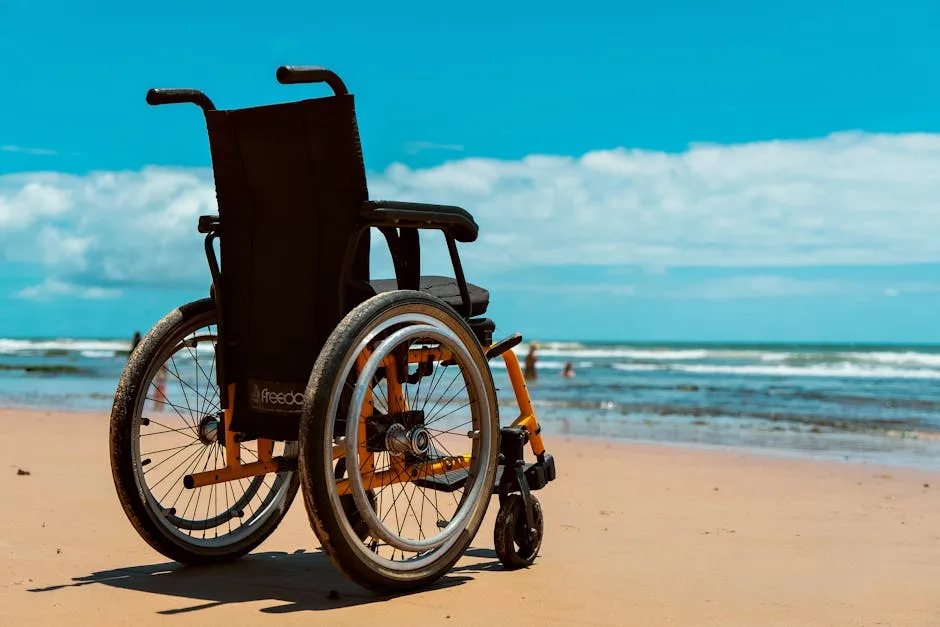
- Beach wheelchairs and amphibious chairs: Some municipal programs, hotels, or NGOs lend or rent specialized chairs designed for sand and shallow water.
- Reserved parking near beach access points: Proximity matters more than the size of the lot.
- Lifeguard assistance and emergency protocols: Ask about trained lifeguards who can help people with mobility needs enter and exit the water safely.
How to verify accessibility: exact questions to ask
When you email a hotel, kiosk, or tourist office, ask concise, measurable questions rather than broad ones. Being specific saves time and avoids misunderstandings.
- “Is there an access mat or firm walkway from the promenade to the shoreline? If yes, how long is it and is it permanent?”
- “Do you offer beach wheelchairs or amphibious chairs for guests? If so, how do I reserve one and what are the service hours?”
- “Is there an accessible restroom or changing room within X meters of the beach?” (Insert a reasonable distance based on your needs.)
- “Are lifeguards trained to assist wheelchair users into the water, and are they present year-round or seasonal?”
- “Can you recommend accessible taxi services or vans with lifts in the area?”
Adaptive beach activities you can join
Brazil’s coastal culture embraces water sports and music; accessible options are growing fast. You don’t need to be a surfer to enjoy adaptive programs—many operators offer tailored experiences, from assisted swimming to inclusive kayaking.
Adaptive surf lessons: Several surf schools around Brazil offer adaptive lessons using sit-surf boards, tandem waves, and instructor-assisted entries. Lessons are often available in major surf towns and tourist hubs. They usually require advanced notice so equipment and staff can be prepared.
Stand-up paddleboarding and kayaking: Calm bays and lagoons—common around Porto de Galinhas and parts of Florianópolis—are ideal for assisted SUP and kayak programs. Operators either provide adapted seats and straps or offer tandem sessions where an instructor handles balance and paddling while you enjoy stability and scenery.
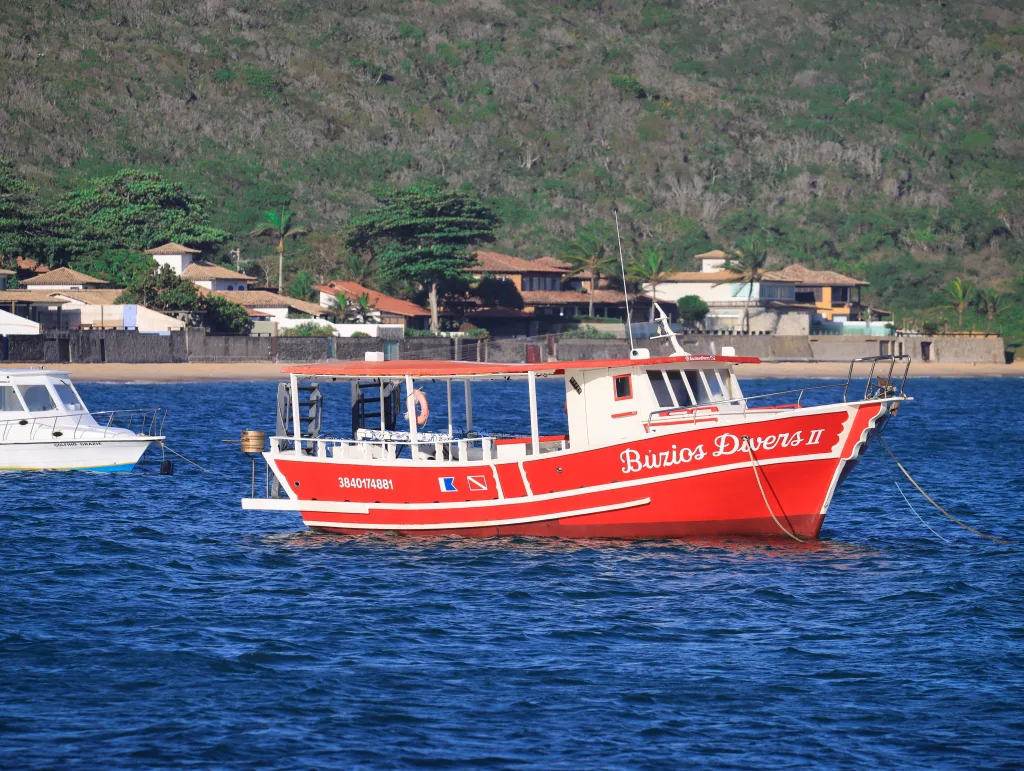
Accessible boat tours and reef visits: In destinations where tide pools and reefs are the highlight, operators sometimes stage low-step landings or provide ramps for boarding anchored boats. Ask about dock height and boarding assistance before booking.

Transport and accommodation: match the logistics to the beach
Choosing the right lodging and transport setup is as important as the beach itself. Shorter transfers and hotels that supply or coordinate adaptive gear let you enjoy spontaneous beach time without logistical stress.
- Stay near a promenade: Promenade-front hotels cut transfer distances dramatically and provide smoother ground to reach kiosks, lifeguard posts, and access mats.
- Confirm accessible rooms and bathroom measurements: Ask for door widths, bathroom turning circles, and whether roll-in showers are available or if grab bars are installed.
- Private transfers versus public transport: Book a car with enough trunk space for a wheelchair and any beach equipment. In many cities, accessible taxis or ride apps that offer wheelchair-friendly vehicles must be reserved in advance.
- Equipment logistics: If you plan to rent a beach wheelchair or amphibious chair locally, ask whether it will be delivered to your hotel and what identification or deposit is required.
Language and rights: essential Portuguese phrases and legal context
Knowing a few Portuguese phrases will smooth interactions with staff, lifeguards, and taxi drivers. Brazilian law protects access for people with disabilities: the Lei Brasileira de Inclusão (LBI) — the Brazilian Inclusion Law — establishes the right to accessible public spaces and services. In practice enforcement varies by city, so local knowledge often gets you where you need to go faster than legal citations.
Useful phrases to keep handy:
- “Banheiro acessível?” — Is there an accessible restroom?
- “Tem cadeira de rodas de praia?” — Do you have a beach wheelchair?
- “Tem rampa para a areia?” — Is there a ramp to the sand?
- “Pode me ajudar, por favor?” — Can you help me, please?
- “Quanto tempo leva para chegar à praia a partir daqui?” — How long does it take to get to the beach from here?
What to pack and how to plan for a beach day
Packing decisions make the difference between a day cut short and a day that feels seamless. Think about transfers, shelter, and sun protection first—then add adaptive gear needs.
- Lightweight folding beach wheelchair or transfer board (if you own one and can manage it on flights)
- Portable access mat (thin roll-up mat) if you anticipate short distances and carrier assistance
- Sun shelter that attaches to wheelchairs, broad-brim hats, and high-SPF sunscreen
- Waterproof covers for mobility devices and spare batteries if you use powerchairs
- Small first-aid kit, and a waterproof pouch for medications
- Copies of medical information and emergency contacts translated into Portuguese
How to evaluate a beach once you arrive
Even after careful planning, the on-the-ground reality sometimes differs. Use this quick checklist to evaluate a beach on arrival and make rapid adjustments.
- Scan from the promenade: Can you sight an access mat, ramp, or a flat route to the sand?
- Count the distance: Estimate meters to the nearest lifeguard post, restroom or kiosk—if it’s too far, ask about volunteers or staff assistance.
- Talk to lifeguards: They know currents and best water-entry points and are often the quickest source of help.
- Check the tide and flags: When surf is high, many beaches restrict water entry; lifeguard flags tell you where it’s safe.
Local networks and resources that help
Some organizations and communities in Brazil focus on making beaches accessible. Local NGOs, adaptive sport groups, and volunteer surf associations often run seasonal programs or lend equipment. When you book, ask hotel concierges or city tourist offices for contacts; they often coordinate with these groups. Social media groups and expat forums also give recent, on-the-ground updates—search Portuguese terms like “praia acessível” for local posts and photos.
Realistic expectations and tips for travel companions
Travel companions play a key role. If you’re a companion, clarify roles and energy budgets: moving across sand, lifting a wheelchair into the water, or transferring someone into an amphibious chair takes time and strength. Schedule shorter beach slots during peak heat, and rest in shaded kiosks between swims. If you’re traveling solo, arrange assistance ahead of time—hotels, local guides, or volunteer groups often step in when alerted in advance.
Safety on the sand and in the water
Brazilian coastlines can shift quickly—sudden rips, changing tides, and crowded conditions are common. Rely on lifeguards for safe entry points and never attempt water access alone in a new place. For powered mobility users, securing batteries and electronics against moisture is essential; bring waterproof covers and check battery compartments before heading into humid environments.
When things go wrong: how to get immediate help
Know the local emergency numbers and hotel protocols. In Brazil, the general emergency number for medical and police assistance is 190 for police and 192 for medical emergencies (SAMU). Note that service quality depends on the city. Keep hotel front desk numbers saved and, if possible, a local SIM or roaming plan so you can call or message quickly. Write the address of your hotel in Portuguese to show taxi drivers or first responders if needed.
Making the most of your beach days
With a little advance work, beach days in Brazil are fully achievable and richly rewarding. Prioritize destinations with known infrastructure, ask specific questions before booking, and coordinate equipment needs early. Expect variability—season, tides, and local budgets shape what’s available—but also expect generous local help. Brazilians love sharing the coast; hospitality often fills gaps that infrastructure leaves behind.
Next steps for planning
Start by choosing one or two coastal cities that match your activity goals (e.g., calm bay for kayaking, surf school for adaptive lessons). Email hotels and tour operators with the exact questions listed above, and line up local contacts before you travel. Keep plans flexible and create a backup beach day so weather or tide doesn’t undo your best-laid plans.
If you’d like, tell me where in Brazil you’re planning to go and what kind of beach day you imagine—quiet lagoon with a book, adaptive surf session, or a family day at a busy urban strand—and I’ll give targeted, practical next steps for that destination.