
A first look at the canyons that steal your breath
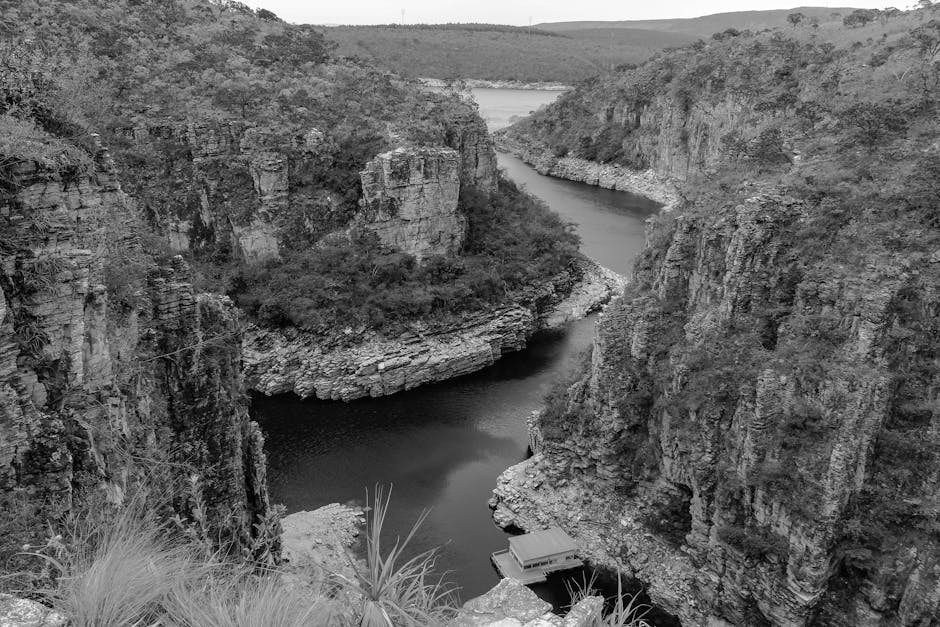
Drive into Capitólio and the scenery shifts so quickly it feels deliberate: abruptly vertical sandstone walls, a patchwork of green clinging to ledges, and a bright ribbon of water threading between the cliffs. The town sits on the shores of Lake Furnas in the state of minas gerais, and the canyons you see are the dramatic edges of that man-made reservoir. Locals know these cliffs as the Canyons of Capitólio, and they draw people who want nature that’s raw, photogenic, and easy to access.
On clear mornings the light cuts into the gorge like a spotlight. During late afternoon, the stone warms to honey and the water reflects a deeper blue. Expect to spend time staring more than talking—this is the kind of place that rearranges priorities for an hour or two.
How these canyons came to look like this
The canyons are sandstone carved by millennia of rivers and wind, then dramatically altered when the Furnas dam was constructed in the 1960s and the valley flooded. The reservoir smoothed valley floors, leaving steep canyon walls where riverbeds once ran. What remains is a hybrid landscape: natural rock formations that now cradle a large freshwater lake.
That flooding made new swimming coves and boat-access waterfalls possible, but it also changed the terrain beneath the water. When you step onto a boat or kayak here, you’re exploring a place shaped by both deep geological time and 20th-century engineering.
Best ways to experience the canyons: water first
Boat trips are the signature experience. Local operators run short canyon tours—some lasting 1 to 2 hours, others organized as half-day outings that include stops for swims and waterfalls. The best tours put you close to canyon walls so you can hear the rock and feel the scale. Guides will typically slow the boat for photos, point out unique rock faces, and take you to the calmer inlets where swimming is allowed.
If you prefer more control, rent a stand-up paddleboard or kayak and follow the main passage into narrower channels at your own pace. Paddleboarding is quiet and lets you slip into small coves the bigger boats miss. Expect early mornings to be the calmest water and the best chance for reflections that make the canyons look twice as dramatic.

Top viewpoints and where to get the classic shot
There are several accessible mirantes (lookouts) offering panoramic canyon views. Mirante dos Cânions is the most visited—an easy approach and a wide platform that gives you the sweeping perspective most postcards show. For a more intimate perspective, drive to Escarpas do Lago, where lakeside chalets and a small marina offer viewpoints closer to the waterline.
Photographers chase two types of light here: golden hour for warmth and late afternoon for saturated blues in the water. Composition tips: include a slice of sky to emphasize height, use a wide-angle lens to capture the curve of the canyon, and try a low-angle shot from a boat to make the cliffs feel monumental.
Waterfalls, swimming holes, and what’s allowed
Several waterfalls drop into coves along the lake, and many tours include a stop where you can swim beneath a falling ribbon of water. The experience is equal parts refreshing and surreal—you’re in a freshwater pool with towering cliffs above. Note that water levels vary with the seasons and rainfall, and that alters access to certain cascades.
Rules differ by operator and by spot. Some waterfalls are on private land or near fragile ecosystems and have restricted access; others welcome swimmers but require you to arrive by boat. Listen to guides, respect signage, and avoid jumping from cliffs unless there is a clearly marked, supervised jumping spot with a guide’s approval.
How long to stay? A practical visiting rhythm
A weekend gives you a solid taste: a canyon boat trip the first afternoon, a morning viewpoint hike the next day, and time to explore nearby waterfalls or relax at a lakeside pousada. If you have four or five days, use the extra time to rent a boat for a day, explore side trails, and drive to neighboring towns for regional dining. Most people who rush in for a single day leave wishing for at least one overnight; the light at dawn and dusk changes the whole mood of the canyons.
Getting there and getting around
Capitólio sits roughly 280–320 kilometers from Belo Horizonte; the drive takes about 3.5 to 4 hours depending on traffic and your route. Public buses connect Belo Horizonte to towns near the lake, though schedules are less frequent than private car services. Many visitors hire a car or join a shuttle service from Belo Horizonte or from larger nearby cities; driving gives the most flexibility for mirantes and small pousadas scattered around the lake.
Once you’re in the area, boat operators handle most access to the canyons. Roads will get you to main viewpoints, restaurants, and marinas, but the narrowest, most photogenic channels are always by water.
Where to sleep: lakeside stays and small-town charm
Accommodation ranges from lakeside chalets and small pousadas to boutique hotels clustered near Escarpas do Lago. Escarpas is more resort-like and has easy access to marinas and shops; Capitólio town proper feels quieter and more local, with modest guesthouses and simple restaurants serving Minas Gerais staples.
Book early during long weekends and Brazilian holiday seasons—Capitólio fills fast when people from Minas and São Paulo head out to the lake. If you want a quieter stay, aim for smaller pousadas away from the crowd centers; they tend to have better morning light and a more authentic small-town feel.
What to eat: Minas Gerais flavors by the lake
Food in the region reflects Minas Gerais’ strong culinary identity: cheese is everywhere, and you’ll find pão de queijo at breakfast, warm coxinhas or salgadinhos at snack stands, and generous dinners built around beans, rice, roasted meats, and vegetable sides. Try queijo Minas (local fresh cheese) with honey or doce de leite for dessert. Many pousadas also offer home-cooked style meals that highlight regional recipes.
Local markets are great for picking up artisanal cheeses, homemade conserves, and sweets to bring on a boat trip. If you’re aiming to dine with a view, some restaurants near the Escarpas area offer terraces overlooking the lake—book a sunset table if you can.
Timing your visit: weather and crowds
Capitólio’s busiest months are the Brazilian summer and holiday periods when city-dwellers escape for lakeside relief. Rainfall peaks during the southern summer months, so heavy rains can change water levels and affect access to certain waterfalls. The drier season—roughly May through September—offers more stable conditions, clearer skies, and better chances for extended boat trips.
If you prefer calm water for paddling and clear air for photos, aim for weekdays outside holiday weekends. Early mornings deliver the stillest water and fewer boats, which is perfect for solitude and reflection.
Safety and environmental etiquette
The canyons feel wild but they’re popular, so common-sense safety yields the best experience. Wear water shoes for slippery rock edges, bring a life jacket for swimming if your boat doesn’t provide one, and avoid exploring submerged areas without a local guide. Water currents can change and hidden rocks exist where the reservoir filled old river valleys.
Environmental respect matters. The area hosts fragile species and plant communities that cling to cliff ledges and shorelines. Carry out all trash, don’t remove rocks or flora, and use biodegradable sunscreen when you plan to swim. When tours ask you to keep a distance from certain formations, listen—those rules protect the landscape for future visitors.
How to choose the right tour operator
Look for operators who emphasize safety, follow local regulations, and have clear environmental practices. A good guide explains the geology, points out ecological features, and handles logistics so you’re focused on the experience. Read recent reviews, confirm group size, and ask whether they include stops for swimming or quiet coves—some trips are strictly sightseeing while others mix in active elements.
Two- or three-day sample itineraries
Quick weekend (48 hours): arrive midday on Friday, check in, and stroll the lakeside. Saturday take an early boat tour through the main canyon, swim at a waterfall stop, and finish at a mirante for sunset. Sunday morning visit a quieter viewpoint or rent a kayak before heading back toward Belo Horizonte.
Deeper dive (4 days): Day one, settle into a pousada and scout nearby viewpoints. Day two, spend a full day on a private or semi-private boat exploring side channels, swimming, and picnicking on a secluded bank. Day three, hike a longer trail around the escarpments and visit local markets. Day four, enjoy a slow morning, purchase regional cheeses and sweets, and drive back.
Photography and the little details that make a picture sing
Bring a polarizing filter to reduce glare on water and deepen blues. Wide-angle lenses capture scale; telephoto lenses isolate rock textures and birdlife. If you want reflections, aim for early morning when boats haven’t disturbed the surface. Include human scale—someone standing on a cliff or a small boat—to convey how immense the canyon walls are.
Respect private property and avoid staging photos in areas with signs restricting access. Local guides know the best unobstructed spots and can point you to lesser-known angles that avoid crowds.
Local culture and how to blend in
Minas Gerais is famous for hospitality: people are welcoming, conversation often flows toward food, family, and travel. Simple Portuguese phrases go a long way—greetings like bom dia and phrases like obrigado/a will earn smiles. Dress casually; layers are practical for variable mornings and sunny afternoons. Cash can be handy at small markets and for tipping boat crews.
Responsible photography and drone rules
Drones are tempting in a landscape like this, but regulations vary. Many mirantes and private properties restrict drone flights; some areas adjacent to dams or sensitive wildlife are off-limits. Check local rules and operator policies before launching a drone. When allowed, fly respectfully and avoid harassing wildlife or other visitors.
Nearby day trips and extensions
If you have time, the surrounding region offers quiet towns with colonial churches and rolling countryside. São João Batista do Glória and São José da Barra are towns in the area that provide glimpses into local life. For a longer road trip, pair Capitólio with a visit to cities in Minas Gerais known for colonial architecture and cuisine.
Practical packing list
- Lightweight daypack that repels water
- Water shoes for rocky shores and slippery steps
- Biodegradable sunscreen and a hat
- Reusable water bottle and snacks
- Light jacket for early mornings and sudden showers
- Power bank and camera gear with protective cases
Final practical tips to make the trip smoother
Reserve boat tours and accommodations ahead of busy weekends. Bring some cash for small purchases and local stalls. If you’re renting a car, choose one with decent clearance; some rural roads near viewpoints are uneven. Leave flexible time in your schedule—weather or road delays happen, and the best experiences often come from unplanned stops at a view or a roadside market.

Why the canyons stay on people’s minds
It’s the mix of scale and approachability. The cliffs look like grand monuments but they’re close enough that a short boat ride or a brief hike gets you into the story. For travelers curious about Brazil beyond beaches and big cities, Capitólio is proof that the country’s interior delivers landscapes that surprise and reward. The canyons are showy, yes, but they also invite quiet moments—sunrise over a glassy channel, the hush of a paddle passing a stone face, the local baker who remembers your name over cafézinho.
Bring patience and curiosity. The canyons reward both.