

Why Brazil draws digital nomads differently
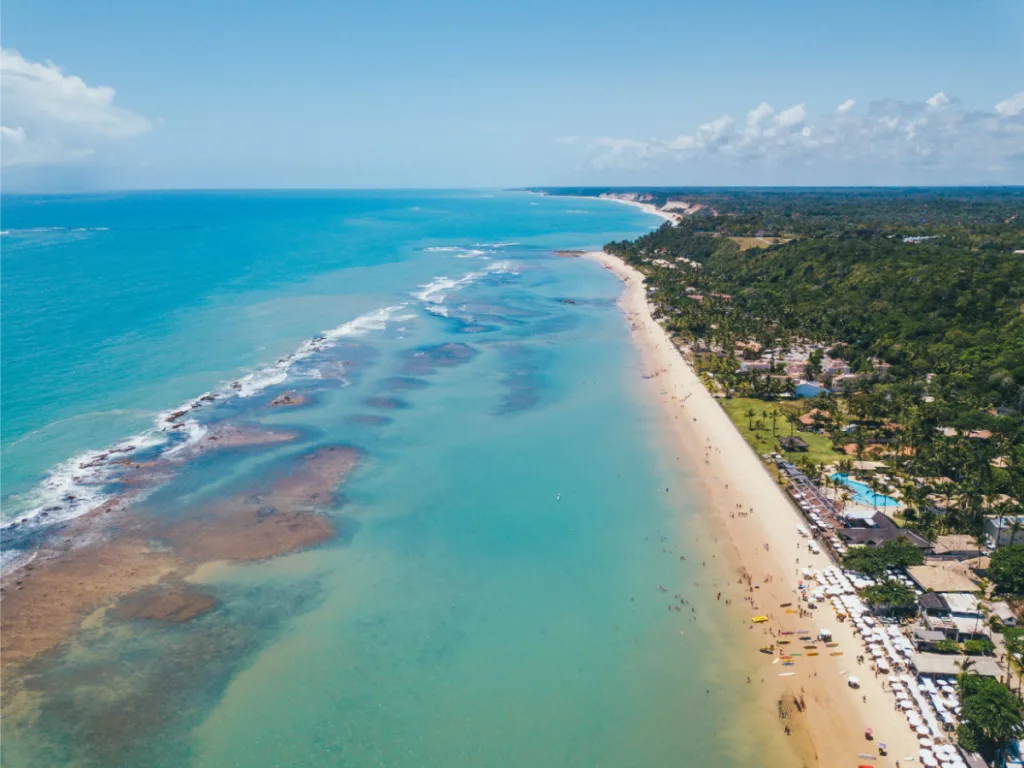
brazil mixes big-city infrastructure with beach and jungle rhythms in a way few countries do. You’ll find late-night cultural life, reliable tech neighborhoods, and small towns where workdays can end with a surf or waterfall walk. For remote workers the appeal is obvious: solid urban coworking ecosystems in são paulo and Rio, tight-knit creative communities in Florianópolis, and lower-cost seaside towns where co-living communities form around outdoor lifestyles. Brazil also offers a formal digital nomad visa introduced in recent years that opened doors for longer remote stays, and for longer-term plans you’ll want to sort basic paperwork like a CPF (brazilian tax ID) to simplify phone plans, banking, and local registrations.
What co-living in Brazil actually looks like
Co-living here isn’t a single product; it’s a spectrum. On one end you have professionally run houses or buildings that combine private rooms, shared kitchens, cleaning, and co-working spaces. On the other end are community-driven houses where residents organize dinners, surf trips, and skill swaps. Common features across quality co-livings include stable internet (often fiber in cities), ergonomic desks or hot-desk spaces, events or workshops with local entrepreneurs, and ties to nearby coworking hubs. Expect an emphasis on social life: Brazilians value warmth and shared meals, and co-livings reflect that social culture.
Choosing between a commercially run co-living and a community house changes the experience: the former prioritizes predictability and services; the latter prioritizes human connection and informal learning. For many foreigners, the best route is a short trial—book two weeks at different places and feel which vibe fits.

Florianópolis (Santa Catarina): Surf, tech talent, and strong community
Florianópolis, or ‘Floripa’ as people call it, is the single most established hub for digital nomads in Brazil’s south. The island balances beaches, trails, and a growing tech scene. Lagoa da Conceição is the beating heart of nomad life: narrow streets lined with cafés, surf shops, and coworking spots create a compact social circuit where you meet people in the morning coffee line and again at an evening yoga session.
Co-livings here range from rustic surf houses within walking distance of the sand to modern apartment buildings with conference rooms and cleaning included. Weekdays look like focused work sessions in shared office spaces; weekends fill with surfing at Joaquina or Campeche, hiking to Mirante or island-hopping. The local gastronomy leans on seafood and southern Brazilian churrasco, so you’ll quickly learn the rhythm of late lunches and relaxed dinners.
Florianópolis has reliable internet in neighborhoods favored by nomads. Local expat groups are active and many co-livings organize meetups for developers, designers, and remote entrepreneurs. The town’s compact nature means transportation is simple—rent a scooter or use app-based ride services to move between beaches and coworking hubs.
Rio de Janeiro (Rio de Janeiro): City energy, ocean view, and creative co-living
Rio is a city that refuses to compartmentalize: beaches, nightlife, culture, and business coexist intensely. For nomads who want a mix of urban conveniences and daily beach time, neighborhoods like Ipanema, Botafogo, and Santa Teresa offer different flavors. Ipanema and Leblon are beach-centered and polished; Santa Teresa is bohemian, with narrow streets, historic architecture, and an artsy scene that spills into many community houses.
Co-living in Rio often focuses on shared experiences—sunset rooftop gatherings, samba nights, and group hikes up Pedra do Sal. Safety is an important consideration: choose co-livings with secure entry, trustworthy managers, and local guidance on where to go at different times. Public transportation and app-based ride services make exploring easy. If you crave a rooftop workspace with a sea view or a creative studio in a colonial house, Rio delivers that variety.
São Paulo (São Paulo): Professional density and startup-focused co-living
São Paulo is Brazil’s economic engine. For nomads focused on business development, networking with startups, or tapping into a deep cultural scene, the city is unmatched. Neighborhoods like Vila Madalena, Pinheiros, and Paulista offer very different lifestyles: Vila Madalena pulses with bars and galleries; Paulista is commerce and coworking central; Pinheiros blends great restaurants with quieter residential streets.
Co-livings in São Paulo tend to be professionally run and integrated with coworking operators. They prioritize work infrastructure: quiet private rooms, meeting rooms, backup power for long calls, and partnerships with local accelerators or meetups. Expect higher costs than coastal towns, but you get reliable transport, international flight connections, and an immense calendar of business and cultural events.

Northeast and other beach hubs: Jericoacoara, Praia do Rosa, Salvador
The Northeast of Brazil has its own nomad rhythm. Jericoacoara (Ceará) became famous as a windsports and digital nomad magnet—sand streets, sunsets, and daily kite-surf lessons define the tempo. Salvador (Bahia) leans heavily into Afro-Brazilian culture, lively food scenes, and colonial architecture; its co-livings often combine community cooking with cultural immersion. Praia do Rosa in Santa Catarina is smaller than Floripa but attractive to surfers and people seeking a quieter nature-oriented community.
Expect great local cuisine, strong community life, and seasonal changes in crowd size. Some of these towns are smaller and infrastructure can be less predictable: power cuts and slower internet happen more often than in major cities. Choose co-livings that advertise backup internet, or ask about mobile data options. If you want a slower rhythm and proximity to nature while maintaining a professional routine, these beach hubs are ideal—plan around seasonal weather (wet season vs. dry season) and festival dates, when accommodation demand spikes.
How co-living setups differ across Brazil
Look beyond the marketing. Co-livings marketed at nomads vary by structure and focus:
- Work-first co-livings: Found mainly in São Paulo and some parts of Rio. These prioritize hardware—fast fiber, meeting rooms, private call booths, and quiet hours.
- Community-first co-livings: Common in Florianópolis and beach towns. They emphasize shared meals, classes, and social programs over strict work schedules.
- Hybrid co-livings: Offer a blend—strong internet and dedicated workspaces plus weekly events and trips.
Services also vary. Many professionally run places include cleaning, linen, and an on-site manager. Community houses trade some services for lower cost and a more democratic living model: residents cook together, rotate chores, and organize skill shares. Read recent guest reviews and ask about maintenance response times, internet redundancy, and noise policies before committing.
Practicalities: internet, SIM cards, and the CPF
Internet reliability matters. Major cities generally have fiber and stable connections suitable for daily video meetings. Smaller towns often rely on a mix of fiber and 4G/5G backup. Always ask hosts about average uptime and whether there’s a UPS or backup internet source. Many nomads bring a mobile hotspot SIM as a contingency; buying a local SIM from providers at airports or authorized stores is straightforward once you have a passport and sometimes a CPF for certain activations.
Getting a CPF is a high-value move for longer stays. It’s a simple registry number that simplifies opening a bank account, signing longer leases, or getting a local phone plan. Many co-living managers help new arrivals with this process or recommend local accountants. For visa and tax matters, consult a local immigration lawyer or accountant—tax obligations depend on the length of stay and whether you earn from Brazilian sources.
Money, budgets, and seasonal pricing
Budget expectations shift dramatically by location and season. São Paulo and prime Rio neighborhoods carry city premiums—expect higher monthly rents and co-living rates. Coastal spots can either be cheaper or just as expensive during high season (summer and Carnival). Off-season months often offer the best value for nomads who want community without the crowd. Look for monthly rates that include utilities and cleaning; all-inclusive packages are common and often cheaper than renting independently once you factor in community events and coworking access.
Safety, health, and sensible local behavior
Brazil is vast and safety conditions vary by city and neighborhood. Co-livings that cater to foreigners typically have clear security measures: cameras, secure access, a local manager, and trusted transportation contacts. Use common-sense precautions—keep valuables out of sight on public transport, ask hosts about low-risk areas, and use daytime windows for exploring unfamiliar neighborhoods. Health-wise, Brazil’s urban centers have international-standard hospitals; remote areas may require travel to a larger city for specialized care. Travel insurance with medical evacuation is a prudent choice for nomads spending time in remote hubs.
Finding co-living: where to look and how to vet options
Start with platforms where co-living spaces list availability and community descriptions, then triangulate by joining local nomad or expat groups specific to each city. Ask the community three focused questions when vetting: How reliable is the internet for daily video calls? What’s the manager’s response time for maintenance issues? How active is the social calendar, and how is conflict handled between residents? Recent guest photos, verified reviews, and an opportunity for a short trial stay will tell you more than glossy marketing.
Choosing a neighborhood instead of a city
People often pick a city name, then realize neighborhood choice determines daily life. In Rio, for instance, Ipanema gives beach mornings and tourist energy; Santa Teresa gives narrow streets, ateliers, and quiet nights. In São Paulo, Vila Madalena puts you near bars and creative meetups; Paulista positions you inside the business pulse. Decide first: do you want nightlife, nature access, or easy international travel? Then pick neighborhoods that match that priority and check co-living availability there.
Daily life tips: groceries, language, and weekends
Portuguese is the working language. English works in many co-livings, especially in tourist-heavy hubs, but learning basic Portuguese phrases opens doors—grocers, neighbors, and local hosts appreciate the effort. Grocery shopping blends supermarkets for staples and local markets for fresh produce; seasonal fruits are spectacular and cheap. Weekends in Brazil are for exploring: island day-trips around Florianópolis, Tijuca hikes from Rio, or a museum-and-café day in São Paulo. Social life commonly centers on shared meals; expect invitations to potlucks and weekend barbecues.
How to choose the right co-living for your work style
Be deliberate. If you need quiet for deep concentration, prioritize private rooms with noise insulation and an on-site workroom or dedicated desk. If networking drives you, search for co-livings that partner with coworking spaces and host speaker nights. If you want to blend work with adventure, prioritize places that organize weekend activities like surf lessons, hikes, or cultural tours. When messaging hosts, ask to meet current residents on arrival or join a community event the first week to test the fit.
Stories from the road: small decisions that made a big difference
Nomads I’ve met often highlight small choices with large returns: picking a ground-floor room for easy gear storage, choosing a co-living with a washing machine (saving time and money), and preferring places with a manager who speaks both Portuguese and English. Another common win: choosing co-livings that balance privacy and communal life—an arrangement with optional dinners rather than mandatory schedules. These details shape your daily routine more than glossy communal promises ever will.
Next steps: try two types of places on first trip
Try a hybrid approach when you arrive in Brazil: spend two weeks in a city-focused professional co-living (São Paulo or central Rio) and two weeks in a community-first beach location (Florianópolis or Jericoacoara). That contrast reveals how each environment affects your productivity, social life, and mood. You’ll leave with a clearer picture of the rhythm that sustains you and where you’ll want to return.
A friendly nudge before you book
When you’re ready to book, read the fine print about cancellation policies and ask about trial stays. Co-living managers are used to nomads pivoting and will often accommodate flexible arrivals. Bring an open mind: Brazil’s daily tempo is warm, social, and sometimes unpredictable—and that’s exactly why many remote workers fall in love with it. If you want, tell me which cities you’re considering and I’ll help narrow co-living styles that match your work rhythm and budget.