
They start with the bateria — and you’ll know it
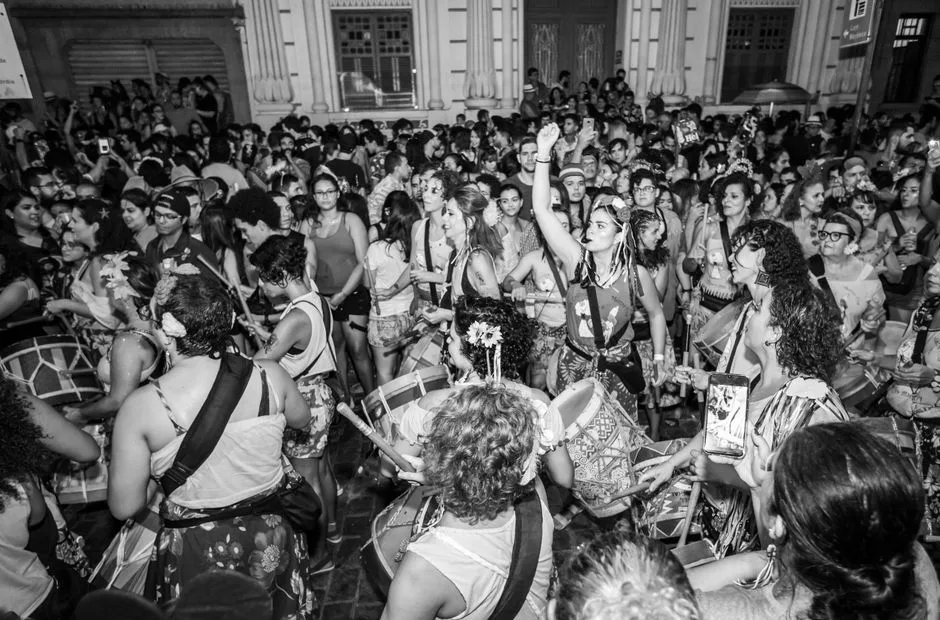
The bass drum hits, the crowd leans in, and you realize the rhythm in your chest is real: this is live samba practice, not a staged show. In August, when Rio’s streets are quiet of Carnival crowds, many samba schools open their gates for rehearsals that are raw, loud, and improvisational. You won’t see the final floats yet, but you will see the heart: the bateria, the winged leaps of the passistas, the rehearsed chaos of a school testing a new samba-enredo.
I say this as someone who has stood in the dust of Cidade do Samba on a muggy August night, sweaty and grinning, because you can feel the whole city preparing even months before the Sambadrome. The energy is different from January’s polished runs — it’s rougher, more communal, and often more welcoming to curious foreigners who show up with a respectful attitude and a sense of curiosity.
Why August matters for Carnival obsessives
August is a reset. Schools that take a shorter winter break are reshaping choreography, testing sections of new sambas, and rebuilding volunteer teams. Musicians come back after holidays; clubs that were quiet for June and July suddenly swell with activity. For a traveler, that means you can see rehearsals that still carry the spontaneity of true practice night, not the refined corporation of February’s dress rehearsals.
Where to go: the real rehearsal hotspots
Headlines name Mangueira, Portela, Salgueiro, Beija-Flor, and Unidos da Tijuca for a reason — these are legendary schools with rehearsal routines that attract locals and visitors alike. But don’t limit yourself to the A-list. Schools in Gamboa’s Cidade do Samba congregate in a complex designed for year-round work on floats and costumes; Vila Isabel, Imperatriz Leopoldinense, and smaller community schools in neighborhoods like Madureira or Méier stage rehearsals that often feel more intimate.
Getting there is straightforward if you plan one or two routes. The VLT (light rail) and taxis/Ubers drop you near Gamboa and Cidade do Samba. For Mangueira, a taxi from Central or a short ride from Maracanã makes sense. Madureira is reachable by train from Central station if you want a more local commute. Take care of your late-night transit plan before you go — rehearsals can run long and public transit options shrink late.
What a rehearsal actually looks like
There’s no single template. Some nights are a full dress run of a new segment with costumes and percussion; others are blocked-out sections where the core dancers practice steps for an hour while a small part of the bateria focuses on timing. Expect the following elements:
- Bateria: dozens of percussionists split into sections — caixa, surdo, repinique, tamborim — each sharpening grooves and fills.
- Comissão de frente: rehearsed choreography for the opening group to ensure entrances and props work.
- Passistas and mestre-sala/porta-bandeira practices: formal dances to test transitions and flags.
- Ala rehearsals: smaller groups that practice walking patterns and costumes.
- Samba-enredo runs: singers lead full chorus repeats so the lyrics land at the right spots.
During a typical August session I’ve seen a bateria start with a slow warm-up, move into tempo increases, and then test a new “marcação” — a distinctive fill — until the mestre-de-bateria nods and the band locks. That’s when the rest of the school gets loud and the whole place snaps into focus.

How to show up: logistics and manners
If you’re planning this as part of a Rio trip, remember that every rehearsal has its own vibe and access rules. Some are informal and free; others are run by the school and may charge a small entrance fee to cover electricity, security, and tea for volunteers. A few tips to keep you from sticking out as a clueless tourist:
- Ask before photographing or filming performers close-up. A respectful “Posso filmar?” in Portuguese goes a long way.
- Arrive with small bills and some change. Many rehearsals sell simple beer, snacks, or collect donations at the entrance.
- Wear closed shoes. Sandals look tropical but the practice floor gets trampled and there are wires, drum stands, and spilled cachaça to negotiate.
- Don’t cross the performance lines. Rehearsals have marked areas — stay in spectator zones unless invited.
- Learn a few Portuguese phrases: “Obrigado/Obrigada” (thank you), “Desculpa” (excuse me), “Onde fica a entrada?” (Where is the entrance?).
What to bring (and what to leave at home)
Bring a reusable water bottle, sunscreen if the rehearsal is outdoors in the afternoon, and a lightweight rain jacket — August sometimes has brief showers in Rio. Leave expensive jewelry and flashy cameras at the hotel if you’re unsure. A compact power bank is handy; your phone will die fast if you’re filming the bateria for two hours.
Costs and buying a spot near the action
Expect variations. Some community schools ask for a voluntary donation at the gate. Others operate ticketed rehearsals with tiers — basic standing room or a paid pavilion with seats and toilets. If you want a guaranteed seat or a place within the group of dancers, buy from the school’s official channels or an authorized promoter. I made the mistake of buying a “VIP” in cash from a tout once and it turned out to be a difficult path back inside; don’t do that. Use official school pages or trusted local guides to secure anything that costs money.
If cost is a concern, prioritize one or two rehearsals that promise the bateria. Those nights deliver the music and spectacle for free or little money. Save the pricier options for January when venues run full technical rehearsals and the schools prepare their biggest runs.
How to read what’s happening on the floor
When you’re watching, it helps to focus on a few things. Notice the tempo — is the bateria tightening or stretching the groove? Watch the mestre-sala and porta-bandeira because their timing will dictate major pauses. Look at the way the passistas mark the floor; their positioning shows whether the school is preparing a formation change. I watch the people who seem the least interested in being noticed — the costume hands, the tireless seamstresses at the edge — and I always learn something about how a scene is actually built.
You’ll overhear arguments in Portuguese about timing and “marcação” that are both technical and emotional. That’s normal: Samba is competitive but collaborative. If you hear someone shout a correction, it’s not hostility — it’s focus. Clap when the band finishes a run. But don’t start banging on a tamborim you borrowed from a local percussionist unless you’re explicitly invited.
How long do rehearsals run?
They vary wildly. Some are compact two-hour sessions; others stretch into late night with breaks for drinks and quick costume fixes. My longest lasted until 2 a.m., with the band cycling between full runs and sectional fixes. Expect unpredictability. If you’re going with strict plans (a flight next morning, for example), set an exit time and let your hosts know you’ll need to leave.
Language, culture, and how to talk samba
Knowing a few musical words helps. Samba-enredo is the contest song; bateria is the percussion corps; ala is a wing of costumed performers; passista is a solo dancer; mestre-de-bateria leads the drums. Using these words correctly signals respect to the people running the show and opens doors. Compliment the bateria as “a bateria está firme” (the bateria is solid) or thank a host with “muito obrigado/obrigada” and you’ll get smiles.
Conversations will touch on politics, local neighborhood pride, and sometimes the financial stresses of keeping a school afloat. Samba schools are community institutions: members sew, fundraise, and volunteer year-round. Ask, listen, and you’ll hear stories about families who’ve been with the same school for generations. That’s the real Carnival narrative — it’s about belonging more than spectacle.
Safety and common-sense rules
Rio is safe for millions of visitors practicing common sense. That means: avoid displaying large sums of cash, don’t wander into unfamiliar side streets at 2 a.m., and keep your phone in a front pocket while filming. If you’re carrying a camera rig, ask a staff member at the entrance where photographers stand. Schools sometimes have press areas and free movement is restricted near costumes and props for safety.
If you’re traveling solo and concerned about language, download a simple Portuguese phrasebook app and have the school’s address written down for your driver. I always tell someone where I’m going and when I expect to return. That’s travel muscle memory more than paranoia.
How to get the best sound and video without spoiling the moment
Recording a rehearsal is tempting. If you do, follow these practical rules: short clips over long marathons, keep the phone on silent, and avoid blocking the view of paying attendees. Use a small external microphone if you’re serious about sound — the bateria throws off a ton of low-end rumble and a phone mic will get overwhelmed. And remember: the best souvenir is memory. Put the camera down sometimes and just listen.
How to participate if invited
Occasionally a school will invite non-members to join a line or clap with the bateria. If you’re invited to join, accept politely and follow the lead. They’ll show you a step or two. Move with confidence and humility — people appreciate effort more than perfection. If someone hands you a small percussion instrument, keep time and don’t try to improvise a drum solo on your first night.
When to expect costume tests and float rehearsals
Big costume calls and float tests usually ramp up later in the season. In August you’ll see costume mock-ups and a few prop checks, but full-sized floats are more likely to be assembled in the months that follow. That said, some schools stage smaller parade rehearsals that feature costume elements and vetted choreography — a nice compromise if you want color without full spectacle.
Ask at the gate whether that night includes a mock parade or just sectional rehearsals. If you plan your trip around a specific school’s costume run, double-check schedules on the school’s official social channels — those are the most reliable sources for last-minute changes.
Some rehearsal nights I remember
One August night in a modest hall in Madureira I watched a young bateria warm up with a groove that felt like it could hold a whole city. Families were spread on folding chairs; kids chased each other between drums. Another night at Cidade do Samba, a commission of front practiced with an enormous prop that made sound when it hit the ground — they ran the sequence until the prop behaved. I’ve watched a veteran porta-bandeira cry quietly after a run; the emotion of that moment made everything else secondary.
These memories are proof that rehearsals aren’t backstage strips of a show; they are the show’s DNA. The sweat, the corrections, the laughter after a mistake — that’s what Carnival is made of.
Practical sample plans for different travelers
If you have one night: pick one well-known school (Mangueira or Portela are safe bets for an iconic experience) and arrive early to secure a spot. Stay 90–120 minutes to hear the bateria and see at least one samba-enredo run.
If you have a weekend: visit one big school rehearsal and one smaller community school. Compare the polish with the grassroots energy. Stop by a local boteco after the rehearsal to talk with members — that’s where stories are told and friendships start.
If you’re spending a month: Attend multiple rehearsals over a few weeks. Notice how the samba-enredo morphs, how the bateria tightens, and where new choreography appears. Volunteering is an option: schools often welcome help with sewing, painting, or logistics in exchange for deeper access.
Final concrete takeaway before you go
If you go to a samba school rehearsal this August, bring comfortable shoes, a modest respect for the space, a few Portuguese phrases, and an open schedule. Plan your transit back to your accommodation beforehand. Buy tickets only through official channels if a fee is asked. And most important: leave plenty of room in your itinerary for one spontaneous rehearsal because those nights are where the best memories live — noisy, imperfect, and gloriously human.