
The Evolving Landscape of Brazilian Accessibility
Planning a trip to Brazil when you or a loved one uses a wheelchair involves a mix of excitement and a healthy dose of logistics. Brazil is a country of continental proportions, and its approach to accessibility reflects that diversity. While some historic neighborhoods still boast the bone-shaking cobblestones of the 18th century, modern urban centers have made massive strides in creating an inclusive environment. It is no longer a question of if you can visit Brazil in a wheelchair, but rather how to strategically navigate the country to ensure the most seamless experience possible.
The Brazilian Inclusion Law, enacted in 2015, was a watershed moment. It mandated that public spaces, transportation, and tourist attractions meet specific accessibility standards. While implementation varies between a bustling metropolis like São Paulo and a remote village in the Amazon, the general trend is one of improvement. Travelers will find that the ‘jeitinho brasileiro’—the famous Brazilian knack for finding a way—often works in favor of visitors with disabilities. Locals are generally incredibly helpful and proactive, often stepping in to assist before you even have to ask.
The Concrete Jungle with a Heart: São Paulo
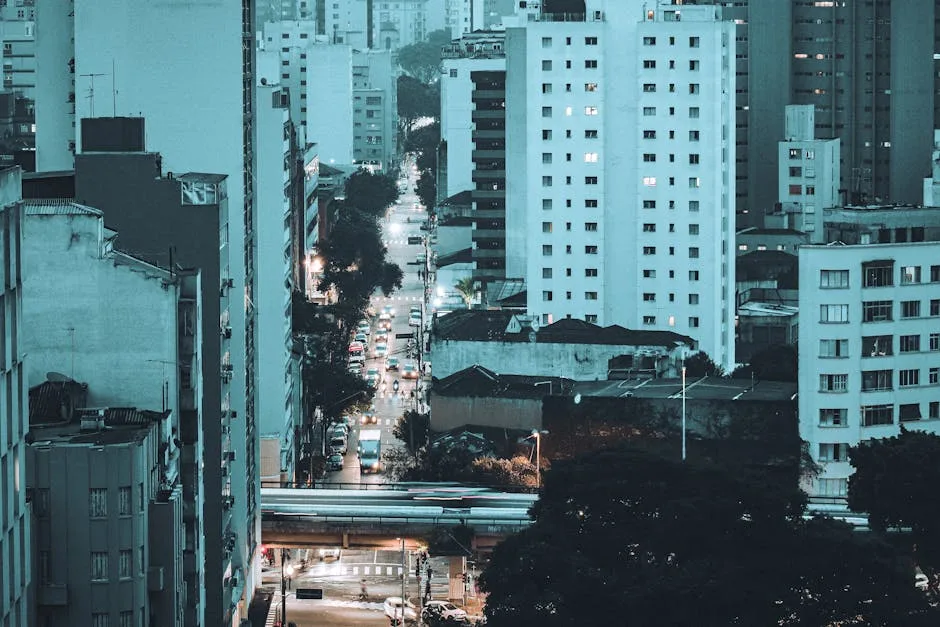
São Paulo is often the first point of entry for international travelers, and it happens to be one of the most accessible cities in Latin America. The city’s pulse is felt most strongly on Avenida Paulista. This iconic thoroughfare is a model of accessibility, featuring wide, smooth sidewalks, tactile paving, and modern ramps at every intersection. On Sundays, the entire avenue closes to cars, turning into a massive, flat playground for pedestrians and wheelchair users alike. You can easily spend an entire day rolling from the MASP museum to the various cultural centers without hitting a single barrier.
Public transport in São Paulo is surprisingly robust. The Metro system, particularly the newer lines like the Yellow (Line 4) and Lilac (Line 5), is fully equipped with elevators and level boarding. Even the older lines have been retrofitted with lifts. The bus fleet is almost entirely accessible, featuring hydraulic ramps. However, the real challenge in São Paulo isn’t the infrastructure; it’s the sheer volume of people. Traveling during rush hour can be daunting, so timing your movements for the mid-morning or early afternoon makes a world of difference.

Sun, Sand, and Wheels in Rio de Janeiro
Rio de Janeiro is synonymous with the beach, and for a long time, the sand was a literal barrier. That has changed significantly with projects like ‘Praia para Todos’ (Beach for All). During the summer months, and on specific weekends year-round, stations are set up at Copacabana, Ipanema, and Barra da Tijuca. These stations provide amphibious wheelchairs, specialized mats that extend across the sand, and trained volunteers to help users get into the ocean safely. It transforms the beach from a place you look at from the sidewalk into a place where you can actually dive into the Atlantic waves.
Beyond the beach, Rio’s major tourist icons have leveled up. The Christ the Redeemer statue, once reachable only by a daunting flight of stairs, now features a system of elevators and escalators that take you right to the feet of the monument. Similarly, the Sugarloaf Mountain cable car is fully accessible, offering breathtaking views of Guanabara Bay without the need for strenuous climbs. The Olympic legacy also left the city with the VLT (Light Rail), which is perfectly level with the platforms and provides an easy way to explore the revamped port area and the Museum of Tomorrow.
The Surprising Accessibility of Curitiba
Curitiba is often cited as a gold standard for urban planning in Brazil. For a wheelchair user, this means a city that is remarkably easy to navigate. The famous ‘tube’ bus stations are designed with raised platforms that match the height of the bus floor, with built-in lifts for boarding. This integrated transport system allows you to traverse the city quickly and independently. The city is also famously green, and parks like the Botanical Garden have paved, flat paths that allow you to enjoy the flora without struggling with uneven terrain.
What sets Curitiba apart is the consistency. While other cities might have ‘islands’ of accessibility, Curitiba’s downtown area is generally well-maintained. The Rua das Flores, a pedestrian-only shopping street, is flat and lined with accessible cafes and shops. It serves as a great home base for travelers who want to explore a Brazilian city that feels organized and manageable. The local museums, such as the Oscar Niemeyer Museum (the ‘Eye’), are also designed with wide ramps and spacious elevators, ensuring that the city’s cultural side is open to everyone.
Navigating the Skies and Roads
Flying domestically in Brazil is generally efficient for wheelchair users. Major airlines like Latam, GOL, and Azul are well-versed in handling mobility equipment. It is vital to notify the airline at least 48 hours in advance if you are traveling with a power chair, especially regarding battery types. Most Brazilian airports, particularly the renovated ones in Brasília, Belo Horizonte, and Rio’s Galeão, feature ‘Ambulift’ vehicles or jet bridges for seamless boarding.

Long-distance bus travel, which is very common in Brazil, is a bit more of a mixed bag. Newer ‘Leito’ (sleeper) buses are incredibly comfortable, but boarding often requires a lift. Not all bus terminals (Rodoviárias) are created equal. While the main terminal in São Paulo (Tietê) is fully accessible, smaller rural stations might lack proper ramps or accessible restrooms. If you are planning to travel between states by bus, it’s often worth paying a bit more for the premium services, as they tend to use the newest, most accessible vehicles.
Colonial Charm vs. Modern Reality
One of the biggest draws of Brazil is its history, but places like Paraty, Olinda, or Ouro Preto present significant challenges. These towns are defined by steep hills and irregular, oversized cobblestones known as ‘pé de moleque.’ For a manual wheelchair user, these streets are nearly impossible to navigate without significant assistance. Even power chairs can struggle with the vibrations and the gaps between stones. If these destinations are on your bucket list, the best strategy is to stay in a hotel located on a flatter perimeter and hire a local guide who knows the most accessible routes to the main plazas.
Alternatively, consider ‘accessible-lite’ colonial experiences. Salvador’s Pelourinho has undergone renovations that include some smoothed-out paths and the famous Elevador Lacerda, which connects the upper and lower parts of the city. While it still requires some effort, it is far more manageable than the untouched colonial villages. In these historic areas, the focus should be on the atmosphere and the accessible museums rather than trying to conquer every street.
The Practicalities of Daily Life
When it comes to accommodation, ‘accessible’ can have varying definitions in Brazil. Most modern hotels in major chains will have rooms that meet international standards—wider doors, roll-in showers, and grab bars. However, boutique hotels or ‘pousadas’ in smaller towns may claim to be accessible but only have a ground-floor room with a slightly wider door. Always ask for photos of the bathroom before booking. Specifically, ask if there is a ‘box’ (shower stall) with a lip or if it is a true roll-in shower.
Dining out is one of the joys of Brazil, and most modern restaurants are accommodating. The popular ‘por quilo’ (pay-by-weight) buffets are usually spacious enough to navigate. However, the restroom situation is the most common hurdle. Many older restaurants may have an accessible dining area but keep their restrooms on a second floor or down a narrow hallway. Using apps like Wheelmap or checking recent Google Maps reviews from other wheelchair users can save you from a frustrating situation. Don’t hesitate to call ahead and ask specifically about the ‘banheiro adaptado.’
Nature Without the Barriers
Brazil’s natural wonders are becoming increasingly inclusive. Foz do Iguaçu is a prime example. The Brazilian side of the falls is almost entirely accessible. The National Park uses buses with ramps to transport visitors to the trailheads, and the main walkway to the ‘Devil’s Throat’ is a flat, paved boardwalk. There are even specialized elevators that take you to different viewing levels, ensuring that the power of the falls is accessible to everyone regardless of mobility.
Even the Amazon is becoming more reachable. Several jungle lodges near Manaus have built wooden walkways that connect the main lodge to guest cabins, allowing wheelchair users to immerse themselves in the rainforest canopy. Some tour operators offer adapted boats with ramps for river excursions. While it’s not the rugged ‘backcountry’ experience, it provides a safe and stunning way to experience one of the most biodiverse places on earth. It proves that with the right planning, even the world’s wildest places don’t have to be off-limits.