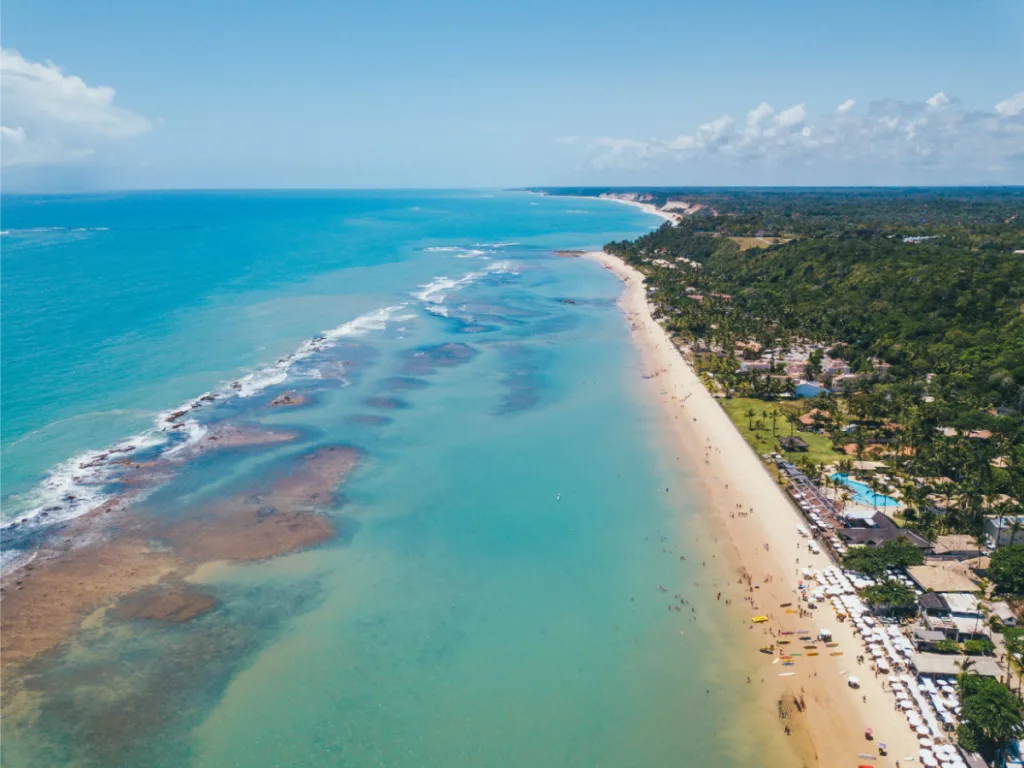

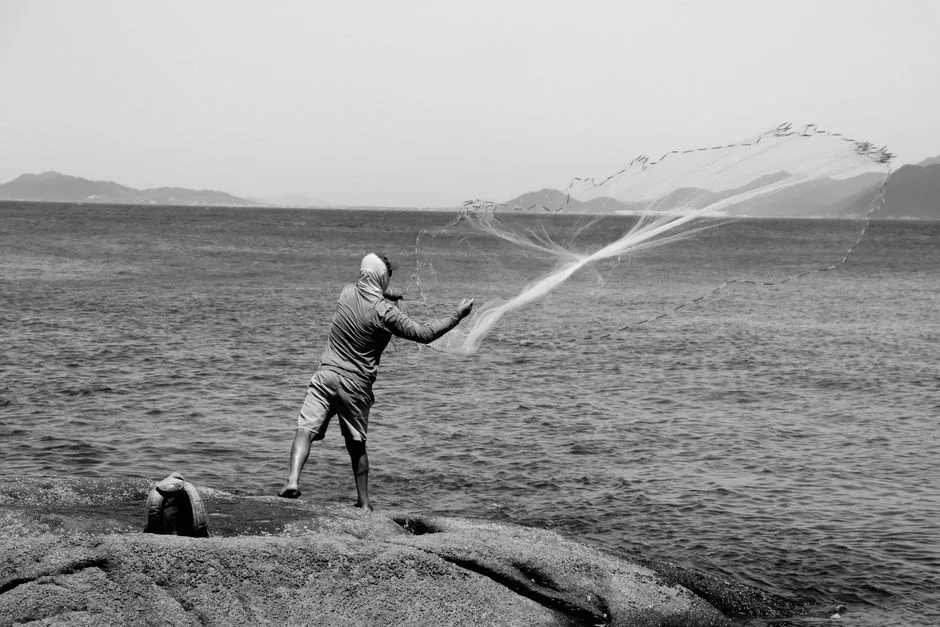
The tide had just pulled back and the rock pools at Meaípe were full of tiny crabs when I realized why foreigners miss Espírito Santo so often: the coastline hardly fits the postcard people expect from Brazil — but that’s the point. You get pockets of deserted sand, fishing communities that still dry nets on the boardwalk, and seafood restaurants where the chef knows your name by the second visit. If you’re the sort of traveler who values space, good waves, and honest food over crowds, this coast will change how you measure a brazilian beach day.
Why Espírito Santo feels different (and better)
Brazil’s east coast has famous magnets — Rio, Salvador, Recife — and Espírito Santo sits quietly between them. For decades the state has been a domestic favorite: families from Belo Horizonte, São Paulo and Rio come down every summer, but international visitors rarely make time for it. That gap leaves beaches like Praia do Morro, Meaípe, Iriri and the dunes of Itaúnas with a human scale that’s rare now.
Capixaba culture — that’s the local identity; people from Espírito Santo call themselves capixabas — is low-key. You’ll notice it in daily life: fishermen leaving well before dawn in small boats, old women selling freshly fried bolinho de peixe (fish fritters) from tiny stalls, and clay pots simmering moqueca capixaba behind glass counters. There’s an intimacy to the place that doesn’t try too hard to be scenic. It simply is.
How to get there without the drama
Fly into Vitória’s airport (Eurico de Aguiar Salles) if you can — it’s the easiest entry point for most international travelers who connect through São Paulo or Rio. Vitória puts you within an hour’s drive of several beaches and is a useful hub: you’ll find car rentals, an honest selection of restaurants, and the chance to change from city to coast without an overnight bus.
If you prefer slow travel, intercity buses run between Vitória and towns like Guarapari, Anchieta and Linhares. They’re frequent, comfortable, and a good way to watch the coastline unfurl without worrying about navigation. But for real flexibility — chasing sunrise beaches or stopping at tiny fishing villages — rent a car. The major coastal roads are paved and straightforward; the last stretch to a few remote beaches can be narrow or sandy, so a compact SUV or a car with decent clearance makes the trip easier.
When to visit
High season is Brazilian summer: December through February. Expect friendly chaos — families, bars on the sand, and longer wait times at popular restaurants. If you want the beaches to yourself, aim for shoulder seasons: late spring (September–November) or early autumn (March–May). The weather is still warm, but crowds thin and prices fall. Also plan weekday visits to Guarapari or Meaípe if you can; weekenders from Espírito Santo’s cities arrive in force on Fridays.
Seven beaches and towns that prove Espírito Santo belongs on your radar
Below I map a coastline that’s compact enough to explore in a week and rich enough to make you want to return. I include a sense of what each place feels like, what to do, and a local choice that most guides miss.
Guarapari — the classic with a twist
Guarapari is the easiest first stop from Vitória and the first place many Brazilians think of for beach vacations. But don’t write it off: this city has beaches with very different personalities. Praia do Morro is broad and family-oriented, a long crescent where you can rent a chair and watch the sunset change color over the bay. Meaípe sits a little south, calmer and known for excellent seafood restaurants serving moqueca capixaba in clay pots — you’ll often see people eating right on the sand. Setiba and nearby coves keep things quiet; local fishing families still land their catch at sunrise.
What I love about Guarapari is the mix. Walk a few blocks inland and you find a market where fishmongers shout prices, and if you time it right you can buy fresh peixe (fish) still glistening and have it cooked for you at a nearby barraca (beach stall). For nightlife, Praia do Morro has casual bars; outside high season you’ll find live music that’s as local as it is genuine.
Itaúnas — dunes, forró and slow nights
Farther north, Itaúnas feels like stepping into a different tempo. The village sits at the edge of a national park and is famous for its long sand dunes that stretch like a desert meeting the ocean. The music scene is serious here; forró nights in tiny bars draw people from across the country and few foreigners. Don’t come expecting a five-star resort — expect wooden pousadas, barefoot dinners, and one of the most honest slices of Brazilian culture outside the big cities.
Walk the dunes at sunset and you’ll see sand change colors from gold to deep orange; stay for a forró night later and you’ll be invited into the dance without ceremony. The village center itself is shockingly photogenic: simple wooden houses, lantern-lit paths, and musicians who play until dawn. If you’ve heard of Espírito Santo’s coast at all, it’s often because of Itaúnas and its music festival — and with good reason.
Iriri and Anchieta — snorkeling and easygoing resort life
Anchieta municipality includes Iriri, a string of beaches with clearer water and better snorkeling than many people expect from the state. Iriri’s reefs protect calm lagoons where fish flash among rocks. The vibe is relaxed: small hotels, pousadas with hammocks, and restaurants that specialize in fish straight from the boat.
There’s also history here. Anchieta has the ruins of a Jesuit college and a quiet coastal heritage that filters into its food and architecture. Spend a morning snorkeling, an afternoon walking along flat coastal trails, and the evening eating fresh camarão (shrimp) at a beachfront table. The town’s slow pace makes it a good counterpoint to busier Guarapari.
Regência (Linhares) — turtle nesting and raw coastline
Regência is where the ocean still feels a little wild. It’s a coastal district of Linhares with long beaches and a landscape shaped by estuaries and mangroves. Sea turtle nesting happens here; if you visit during nesting season you may see conservation groups working on the beaches or small informational centers sharing the results of their monitoring. The local communities know the coastline intimately and will tell you which sections are best for swimming and which are better left to experienced surfers.
Regência is also a birdwatcher’s place: expect to see coastal birds you won’t find on the more touristy stretches. Bring binoculars and a lightweight rain jacket (mornings can be misty). Lodging is quietly comfortable: family-run pousadas that double as conversation hubs. Search them out; that kind of local knowledge changes a trip from good to memorable.
Guriri (São Mateus) — dunes and long, open beaches
If you want a beach where you can walk for hours without seeing anyone, Guriri delivers. It stretches in long, open segments interrupted only by small fishing communities. The sand here is often soft and pale, and strong winds sculpt dunes that change from month to month. It’s a favorite among people who kite-surf, but even if you don’t ride the wind, you’ll appreciate the sense of space.
Stay in a simple pousada and rent a bicycle to explore. The roads are wide and quiet for much of the year, and on a clear day the coastline feels endless. Food is regional and simple: grilled fish, rice, beans and manioc flour with lime. Don’t expect glossy resorts; expect authenticity.
Vitória and Camburi — island capital with urban beaches
Vitória is often an overlooked starting point, but it matters. The city sits on an island, and Camburi Beach knits into the city’s fabric with a long promenade, bike paths and a local crowd that jogs and skateboards by the water before work. The city’s compact center means you can have a seafood lunch by the harbor and be on a beach in twenty minutes.
Vitória also has the structural advantage if you need to resupply, change money, or access domestic flights. It’s not glamorous, but it’s honest and practical — the kind of place that makes travel easier.
Food that explains the coastline
Moqueca capixaba is the culinary shorthand for Espírito Santo. Unlike the Bahian version, it doesn’t rely on coconut milk or dendê oil; instead, it’s lighter, often brighter, and cooked in a clay pot. Expect fish like robalo (snook) or badejo to show up in menus, prepared with urucum (annatto) and plenty of cilantro. Local bars will serve bolinho de bacalhau (salted cod fritters), crab stews, and the easiest pleasure: whole grilled fish with lemon, rice, and farofa.
Street stands along the coast sometimes sell acarajé-style snacks or tapioca filled with local cheeses and coconut. And don’t miss a chance to drink fresh coconut water on the sand. People here take their food seriously but without fuss — a trait that suits the coastline’s temperament.
Where to sleep: how to pick a pousada
Pousadas are the quintessential choice for this coast. Family-run, often with a few rooms and a kitchen that doubles as a living room, they offer the best way to meet locals and hear inside tips about the best tide pools or the fisherman who’ll take you out for a morning catch. Choose a beachfront pousada if you want to wake to the sound of waves; pick a village pousada if you want to be within walking distance of bars and evening music.
If you prefer more structure, small hotels in Guarapari and Vitória offer stable service and easy access to transport. In Itaúnas and Regência, however, the quaint pousada is part of the experience — you’ll trade a few modern conveniences for stories and advice you won’t find online.
A few itineraries that actually work
Short on time? Pick one base and explore from there.
- Four-day loop: Base in Guarapari. Day 1 — Praia do Morro. Day 2 — Meaípe for seafood and tide pools. Day 3 — Iriri for snorkeling. Day 4 — Camburi or Vitória for a city/beach mix before departure.
- Seven-day coast crawl: Start in Vitória, down to Guarapari, south to Anchieta/Iriri, then north past Regência to Itaúnas. Stop for two nights in Itaúnas to soak in the dunes and the music scene.
- Slow two-week trip: Rent a car and take the coast at a walking pace — two nights per spot, with plenty of unplanned detours (fishing villages, markets, small conservation centers).
Practical safety and etiquette
Espírito Santo is not dangerous by default, but like any coastal region, it has local risks. Swim where there are lifeguards and watch for red flags — currents can be strong in some stretches, especially where rivers meet the sea. Keep valuables out of sight on the beach and avoid walking alone on isolated stretches at night.
Respect local rhythms. If a beach looks like a fishing landing, don’t walk through nets or approach boats without asking. Ask before photographing people on the sand — most locals are friendly but privacy is valued. Tip modestly at restaurants and favor local guides and boat operators; your money circulates in the community and helps preserve these quieter corners.
Health and bureaucracy
Bring sunscreen and insect repellent — the sun can be intense and the evenings near mangroves sometimes draw mosquitoes. Tap water in big cities is treated, but when you’re in rural pousadas you might prefer bottled water. Pharmacies are common in towns and carry basic supplies; if you need medical attention, Vitória provides the best options in the state.
Local festivals and the best small moments
Small festivals pepper the coast and are worth aligning with if you can. Itaúnas’s forró nights and festivals are the most famous — the music scene is not just a vacation novelty, it’s a local art form treated seriously. Smaller towns have festa junina-style celebrations in June and July with local foods and dance. If you’re lucky, your visit will coincide with a beachside roda de samba, a communal afternoon where neighbors sit in a circle and play music until the sun drops.
Those musical nights are when you hear the coastline’s language best. You’ll recognize the rhythms, the banter, and the way locals measure a day not by hours but by the tide.
What I would do differently next time
The first time I drove the coast I treated it like a checklist: hit the known spots and move on. The next trip I slowed. I picked a small village near Regência and just walked. I learned which barbecued fish is best eaten at 3 p.m., where the sand stays warm after dusk, and which pousada owner has a nephew who runs a tiny boat tour to a nearshore reef. Those details don’t make headlines, but they make a trip memorable.
So my advice: leave room for curiosity. Ask a fisherman for his morning route, take the unmarked dirt road if the map says ‘local access,’ and bring patience. The coastline rewards people who move at capixaba speed — unhurried, observant, and willing to try new flavors.

Photo by Jonathan Borba via Pexels
Packing checklist for the coast
- Light clothing for daytime, a light jacket for wind on dunes and evenings.
- Sturdy sandals or shoes for rocky tide pools; flip-flops for the beach.
- Snorkel mask if you plan to explore reefs (bring your own for hygiene).
- Sun protection: sunscreen, hat, and polarized sunglasses.
- Cash in small bills for beachside stalls and local markets; many places accept cards but small vendors prefer cash.
A single practical takeaway
If you’re packing a weekend bag and wondering where to go, choose Espírito Santo when you want beaches that are a little quieter, food that’s a little truer to the region, and music that comes from the people who grew up here. Pick one village to linger in. Walk the sand before breakfast. Eat where the locals eat. That is how the coast will open up for you — not in a single dramatic reveal but in a dozen small, stubbornly beautiful moments that only show themselves to people willing to slow down and listen.