
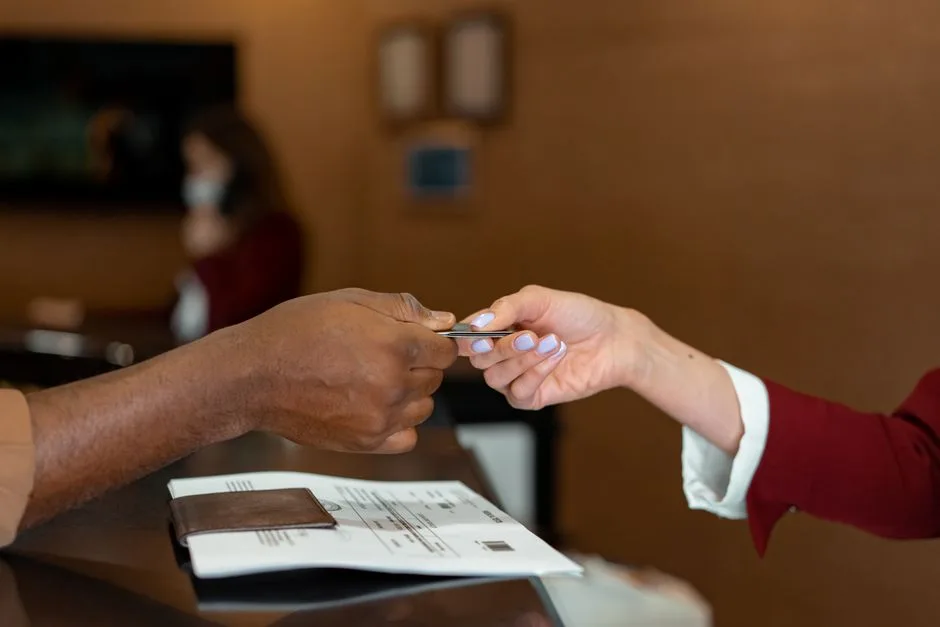
Standing at the consulate window, I thought: this will either be easy or messy
I’d arrived in são paulo with a backpack, a notarized contract for remote work and a nervous optimism that only shows up when you sign a lease sight-unseen. The consulate queue smelled of coffee and printer toner. Behind me, a British couple argued softly over whether their bank statements were enough. Ahead, a brazilian-born friend reassured them. The truth is simple: you can get a Brazilian digital nomad visa, but the paperwork and timing will test your patience more than your portuguese.
Who actually qualifies — the quick, honest answer
Brazil set aside a path for foreigners who earn from work done remotely for employers or clients outside Brazil. If you have an employment contract with a foreign company, or you freelance for non-Brazilian clients and can prove steady income, you fit the general profile. The authorities care about two things: clear proof that your work is remote and consistent proof of income. If you fail to show both, you’ll be asked for extra documents or denied.
Common types of acceptable remote work
- Employed by a foreign company with a formal contract, payroll, or employer letter.
- Independent contractor or freelancer with invoices, recurring client payments, and contracts.
- Owner or partner of a business registered abroad that pays you a salary or distributions.
Documents you must gather — not negotiable
Start collecting these now. Some require time to obtain, and consulates are not forgiving about missing items.
- Valid passport (check expiry date; many consulates want six months).
- Completed visa application form from the consulate’s website.
- Proof of remote work: employment letter, contract, or client contracts.
- Bank statements showing stable income (usually several months).
- Proof of accommodation in Brazil for your first weeks (Airbnb receipt, host letter).
- International health insurance that covers Brazil for the visa duration.
- Criminal record certificate from your country of residence.
- Passport-style photos meeting consulate specs.
- Additional IDs for dependents (marriage certificate, birth certificates) with apostille if needed.
Two items trip people up: certified Portuguese translations and apostilles. Documents issued abroad often need an apostille (or consular legalization) and then a sworn translation by a tradutor juramentado if you present them to Brazilian authorities later. Don’t wait until you arrive in Brazil to sort translations because you’ll need originals and translations when registering with the Federal Police.

Applying at your nearest Brazilian consulate — a step-by-step practical route
Every consulate publishes its own checklist and booking system. Bookmark your consulate’s visa page and read it top to bottom. Then follow these steps:
- Email or call the consulate to confirm the checklist and whether they accept online appointments.
- Create a neat packet: originals and one set of copies, translated documents if required.
- Bring proof of payment for the consular fee; some consulates require payment before the appointment, others accept payment at the counter.
- Attend the appointment with all documents and be ready to explain your income sources and remote work setup succinctly.
- Track processing. The consulate will tell you when to pick up the visa or passport.
Processing times vary by city and season. Expect a range from a few weeks to a few months. If your travel timeline is tight, book your flight only after the consulate confirms an estimated processing window.
Arriving in Brazil: the Federal Police and the RNM
Once you land, your first administrative stop is the Federal Police (Polícia Federal). This is where you make your residence official and receive the Registro Nacional Migratório (RNM) number and, eventually, a resident card. Do not skip this step.
What you’ll typically do at the Federal Police office:
- Present originals of all documents you submitted to the consulate, plus any translations and apostilles.
- Complete forms the officer gives you and submit digital fingerprints.
- Give an address in Brazil — a rental contract, tenancy agreement or temporary stay address will do.
- Pay the municipal/administrative fees, if required.
There is a deadline to register with the Federal Police after entering Brazil on a visa; most travelers have up to 90 days, but check the stamp in your passport and the guidance your consulate provided. Missing this registration can complicate renewals or change-of-status requests.
CPF, bank accounts and the small bureaucracies that matter
The CPF number is your single most useful ID for everyday life in Brazil. Landlords, banks, phone companies and utility providers will ask for it. You can apply for a CPF at the Receita Federal (federal revenue office) or, if you prefer to start sooner, at a Brazilian consulate abroad. Expect to present your passport and proof of address. Once you have a CPF, opening a local bank account becomes far easier.
Banks differ in their appetite for non-resident clients. Digital banks have been the friendliest for foreigners in recent years, but traditional banks offer more branch services if you need in-person support. Bring your RNM or visa status documentation when you apply.
Taxes and how many days you can stay before Brazil considers you a tax resident
Track every day you spend in Brazil. If you remain here for more than 183 days, consecutive or not, within any 12-month period, you will be considered a Brazilian tax resident. That means worldwide income reporting may apply to you. I’m not a tax advisor, but I am adamant about two things: keep an accurate day log and consult a Brazilian accountant (contador) familiar with expatriate returns.
If you plan to stay long-term or shuttle in and out of Brazil frequently, a local accountant will save you money and headaches. They handle monthly obligations, social security questions and can advise whether you should register as an individual taxpayer or consider a legal entity for billing clients.
Health insurance — do not gamble on this
Brazil’s public health system, the SUS, provides care to residents, but access for recently arrived foreigners without formal registration is limited. For visa purposes you must present international health coverage that includes Brazil. Check your insurer’s small-print: some plans exclude certain regions or high-risk activities. Buy a policy that explicitly names Brazil and covers emergencies, hospitalization and medical evacuation if you value peace of mind.
Where to base yourself: five cities that actually work for nomads
I lived for a month in each of these places and can tell you what they taste like.
- São Paulo — If you like variety, coworking choices and international flights, this is the business hub. Expect faster internet, more meetups and a relentless pace.
- Florianópolis — Beaches, surf and a strong digital nomad microculture. Rent a scooter and you’ll understand why people stay for six months and never leave.
- Recife/Olinda — The Northeast brings a relaxed tempo and lower costs than São Paulo. Recife’s proximity to beautiful beaches makes it an underrated nomad choice.
- Rio de Janeiro — Stunning views and expensive neighborhoods. Good for short-term inspiration and networking, less ideal if you want calm.
- Belo Horizonte — A surprising blend of great cafés, friendly people and a central spot for exploring other states.
Start with an Airbnb for the first two weeks, then look for longer-term rentals within gated condomínios if security is a concern. Translate rental contracts before you sign. Neighbourhoods vary drastically in price and vibe; ask a local to walk you through public transport options before committing.

Internet, SIM cards and staying reliably connected
Brazilian mobile carriers sell prepaid SIMs that work well in cities. You’ll find kiosks at airports and phone stores throughout towns. For better speed, opt for a data plan with at least 4G/LTE; major cities increasingly offer 5G but coverage is patchy outside urban centers. If you need rock-solid upload speeds for video calls, buy a portable 4G router or use coworking spaces where fiber connections are common.
Working legally and invoicing clients
The visa allows you to perform remote work while living in Brazil, but it does not automatically register you as an employee of a Brazilian company. You still invoice your foreign clients per your contract. For some nomads, opening a local legal entity (like an individual microentrepreneur option) makes sense if you plan to take local gigs or sign Brazilian contracts. Talk to a contador before making that leap: tax regimes, social security and documentation differ by business type.
Bringing a partner or kids — the reality
Yes, spouses and dependent children can usually apply as dependents on your visa application, but they need documents: marriage certificates, birth certificates and apostilles where required, plus translations. Public schools accept foreign children, and private international schools are plentiful in large cities. If you plan on enrolling kids in Brazilian schools long-term, learn the calendar — the school year runs from February to December.
Common pitfalls that waste time and money
- Relying only on screenshots of bank statements. Bring official PDFs or printed bank statements that show transfers and balances clearly.
- Presenting documents without apostille or sworn translations when the consulate requires them.
- Underestimating the time to get a criminal record check from your home country — some take weeks.
- Forgetting to register with the Federal Police within the deadline stamped on your arrival or visa papers.
- Ignoring tax residency rules and miscalculating days in-country.
Renewal options and staying longer
Temporary visas can usually be renewed or converted to another residency category, but rules change. If you want to extend your stay beyond the initial visa term, start the renewal conversation at least two months before expiry. Consult a local immigration lawyer for complex cases like switching to work in a Brazilian company or applying for permanent residency based on long-term residence.
My checklist you should copy and use
Copy this into a note and tick each item before you book your ticket.
- Confirm consulate checklist and appointment system.
- Gather passport, photos, application form.
- Collect 3–6 months of bank statements or proof of regular payments.
- Obtain employment letter or client contracts.
- Buy international health insurance naming Brazil.
- Request criminal background check from your country of residence.
- Get apostilles and sworn translations where required.
- Pay consular fees and track processing times.
- Book flexible travel and temporary accommodation for arrival.
- Schedule Federal Police appointment within the registration deadline.
When hiring help is worth the money
If you have unusual income sources (crypto, many small international clients, or business ownership structures), hire an immigration lawyer and an accountant before submitting your application. They will clarify document formats, the tax consequences of arrival, and whether you should structure invoices differently. For straightforward salaried employees, the consulate routine is usually manageable without paid help.
A few practical tips I wish I knew earlier
- Make two neat hard-copy folders: one for the consulate and one for the Federal Police. Keep originals and certified copies separate.
- Ask for official receipts every time you pay a fee. Some offices are paper-friendly; others push digital only.
- Use cloud backups for your documents and a dated travel log to prove days in-country if needed for tax or renewal questions.
- Learn a few bureaucratic phrases in Portuguese: “agendamento” (appointment), “comprovante de residência” (proof of address), and “registro” (registration). They smooth conversations.
Final, concrete takeaway
If you want Brazil as your base, treat the visa process like a project: list tasks, set deadlines, and build in buffer time. Start the paperwork early, buy solid health insurance, register with the Federal Police quickly after arrival, and track your days for tax purposes. Do those things and the rest — the beaches, the cafés, the late-night feijoada conversations — becomes the easy, joyful part.