
I was elbow-deep in sequins when the samba school foreman looked up and said, “Measure her twice—she’s dancing tonight.” No fanfare, no rehearsal for the costume’s first street test: just a heap of feathers, hot glue, and a deadline that only Carnival understands. If you travel to brazil and think Carnival costumes are just flashy outfits you can buy in a souvenir shop, you’re about to get a better look at how much craft (and chaos) sits behind that shimmer.
Why costumes look like they do: function married to pageantry
There are two simple rules about Carnival costumes that most visitors miss. First: they must read well from a distance. That means huge shapes, strong silhouettes, and colors that cut through sunlight and stage lights. Second: they must survive movement—hours of dancing, the jerk of a float, sudden rain. So everything that looks light is often built on a sturdy frame; every flash of sparkle has been chosen because it stays put while you spin.
Take the big samba school headdress. From a row away it’s a halo of feathers and beads. Up close it’s an engineering problem: a headpiece needs balance, padding, and a way to breathe. The shells, wire frames, and headbands are planned so a dancer can nod, turn, and lift a trumpet without the thing sliding off. Costume workshops call this ‘wearability’—and it is as important as beauty.
Where Brazilian costume traditions come from
Carnival in Brazil blends Portuguese, African, and Indigenous influences. The debris of colonial pageantry—capes, sequined uniforms, military-style jackets—meets West African bead work, rhythms, and the improvisational spirit of bloco culture. In Salvador, the abadá (the block T-shirt) reflects the mass-mobility of trios elétricos; in Rio, the samba school costume became a theatrical troupe’s armor. Understanding those roots explains why materials and silhouettes differ from one city to another.
Regional differences that matter when buying
If you’re headed to Rio, expect large, bespoke samba school costumes: feathered wings, chest plates, and coordinated groups. In Salvador, you’ll see more abadás, costumes designed for the crowd rather than a parade float; they’re practical and branded for the band. Recife and Olinda favor frevo and maracatu influences—bright, nimble costumes meant for street dancing through narrow colonial alleys. Knowing the local style helps you pick a costume that fits both your body and the kind of Carnival you want to join.
Basic anatomy of a Carnival costume
Break a costume down and you get a handful of components every maker thinks about:
- Structure: internal frames (wire, thermoplastic, lightweight aluminum)
- Base: swimwear, bodysuits, or reinforced fabric harnesses
- Decoration: sequins, beads, rhinestones, fringe
- Feathers and foliage: dyed marabou, ostrich, peacock feathers
- Fastenings: hook-and-loop, snaps, elastic straps, buckles
- Padding and sweat management: foam inserts, sewn-in mesh
You’ll notice that many items look fragile but are actually layered. A single feather is fragile; that same feather stitched into a fan with a backing board and wired armature lasts a whole parade.
How they’re made—step by step
I won’t pretend every atelier follows the same pattern. But here’s a practical sequence you will see in a working costume shop from Rio to Salvador.
1. The brief and the sketch
A designer or carnavalesco sketches the concept: colors, theme, and role within a wing of the escola de samba. The sketch notes proportions so a headpiece won’t overwhelm a petite dancer or look skimpy on a larger frame. This brief is both art direction and engineering outline.
2. Patterns and mock-ups
From sketch to body pattern takes a lot of measuring. Workshops cut a basic pattern in cheap fabric—muslin or old Lycra—to test fit and movement. For large pieces, they build a cardboard or foam mock-up so dancers can trial balance and sightlines before feathers and Swarovski crystals arrive.
3. Building the armature
The armature is where costume-making stops being sewing and starts being metalwork. Wire, aluminum strips, or reinforced plastic form the skeleton for wings and headdresses. Makers bend and solder, then wrap the frame in fabric tape and padding. This is also where weight is bled outward: a heavy piece distributes its mass across shoulders or a waist belt rather than concentrating it on the neck.

4. Base garment and harness
The base is a bodysuit or bikini-style garment reinforced in key areas. Many ateliers start with a performance swimsuit—chlorine-resistant fabric with good stretch—and overlay it with leather straps or a webbed harness. These layers keep decorations anchored when the dancer turns fast or runs a block.
5. Beading, sequins, and surface work
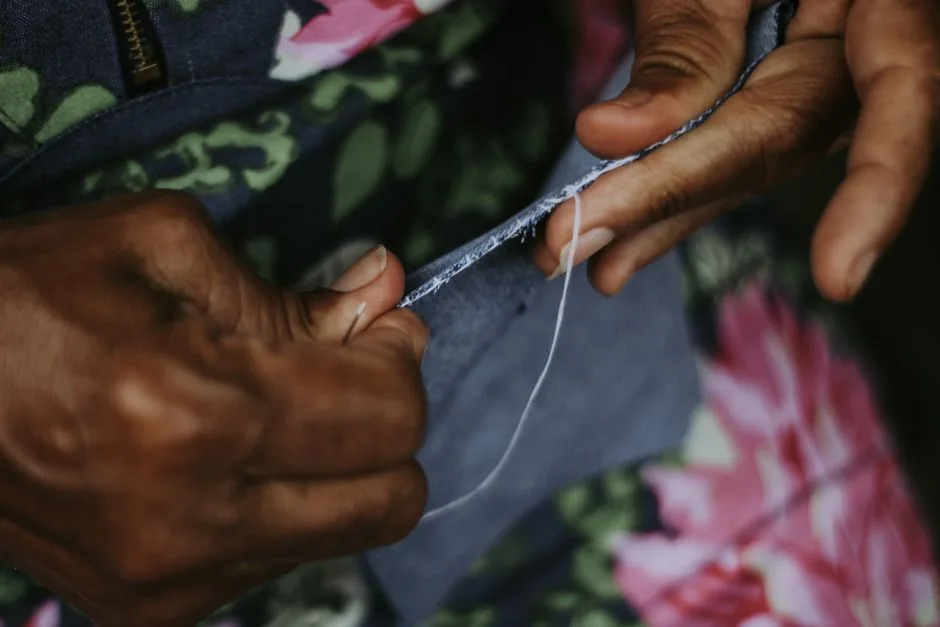
Hand-sewing beads and sequins is the slowest part. A single bodice can take days of beading if it’s done by hand. Machines handle sequin trims and fringe, but rhinestones—especially glued ones—get applied by hand, sometimes with heat-setting tools. You’ll hear the rhythm of beads being sewn when you visit a workshop: it sounds like a row of tiny hammers.
6. Feather work and finishing
Feathers get dyed, steamed, and trimmed. Makers glue feather bases onto leather or fabric tabs and then stitch those tabs into the armature. The last step is balance testing: a dancer tries the piece on and moves through a set of choreography. The maker trims, adds counterweights, or adds sweat padding until the piece performs.
Materials: where they come from and why it matters
Materials sourcing makes the costume economy tick. You’ll find everything in the markets and online, but the texture and origin change price and quality.
Sequins and beads
Sequins are often plastic or metalized plastic. Seed beads come in glass and cheaper plastic variants. Brazilian workshops tend to mix both: glass beads where they need shine and durability, plastic where volume is required.
Fabrics
Stretch lycra, mesh, suede, and metallic spandex appear most often. Lycra breathes and moves with the body; mesh gives structure with airflow. For bodices, makers sometimes back the fabric with power mesh or foam to prevent sag under heavy embellishment.
Feathers
Feathers cause the biggest ethical and logistical headaches. Marabou and ostrich are common. Many costume shops have switched to ethically sourced or dyed turkey and synthetic feathers—cheaper and less regulated. If you prefer cruelty-free, ask the maker directly; many are happy to substitute synthetics if you request it early.
Where to buy costumes in Brazil (practical guide)
There’s no single market. Your choice depends on budget, time, and how authentic you want the piece to be. I’ll give the practical options and how to approach each.
1. Buy from a samba school or bloco
Joining a samba school wing is the most authentic route. Schools often sell costumes or offer made-to-measure pieces to participants. You’ll pay for custom work and for the right to march in that wing, but you gain access to ateliers and fittings. If you want a bespoke showpiece and to be part of the parade, this is the route many foreigners choose.
2. Atelier-made, commissioned pieces
If you want a truly unique costume but are not joining a school, commission an atelier. Look for makers in neighborhoods near Cidade do Samba in Rio de Janeiro or small ateliers in Lapa or Gamboa. Commissions require time: ateliers want two to three months to design, source materials, and finish. Expect to visit for fittings. Many ateliers take photos and video if you can’t be present for every step.
3. Market shopping for parts and ready-made options
Markets are the cheapest and fastest option. In Rio, Saara (downtown) is still the go-to for trims, sequins, feathers, and inexpensive ready-made pieces. In São Paulo, Rua 25 de Março has stalls and shops that ship nationwide, offering trims and whole costumes. These are ideal if you’re on a budget or need last-minute items. Stall owners are practical—bring cash and patience.
4. Costume rental
Some ateliers and rental houses offer costumes for hire. This is the practical choice for visitors who want a full samba look for one night but don’t want to transport it home. Rentals can include makeup and fittings. Ask about repair policies before you sign. A rented headdress handled by dozens of people during Carnival will likely need quick fixes.
5. Online shops and Instagram ateliers
Many small makers sell on Instagram or Mercado Livre. If you find an atelier online, check recent reviews and ask for process photos. Shipping from Brazil within the country is routine; international shipping requires careful packing to avoid crushed feathers. Always ask for detailed measurements and expect lively communication—makers respond faster when they can see photos or videos of you in the mock-up.
Where to look in specific cities — real places you can go
Here are neighborhoods and markets I recommend visiting, based on years of watching where the materials and talent cluster.
Rio de Janeiro
Cidade do Samba (Gamboa) is where many samba school ateliers are based. You can sometimes watch constructors building floats and making costumes there. For materials and trims, Saara in downtown Rio is a dense block of fabric and supply stores. Lapa has ateliers and tailors who specialize in performance wear.
São Paulo
Rua 25 de Março is a sprawling supply network for trims, sequins, and cheap ready-made parts. Vila Madalena and Bixiga have independent designers who make bespoke pieces if you want something less traditional and more fashion-forward.
Salvador
In Salvador, look for official bloc vendors during Carnival season who sell abadás and branded kits. Local tailors in Pelourinho and Rio Vermelho also make performance-friendly garments if you want a mix of comfort and local style.
Recife and Olinda
Small ateliers in Recife’s historic center and Olinda’s artisan lanes favor lighter, danceable costumes for frevo and maracatu. If you want a regional piece—like a maracatu chest plate—ask specifically for local makers who understand the movement vocabulary.
How much time to allow — scheduling tips
Timing is everything. If you want custom work, start early. Samba schools begin planning themes months before Carnival—designers sketch in the off-season. Ateliers get busiest as Carnival approaches; what would take a week in May can take a month in January. If you can, visit in October through January for a calmer selection and better prices.
Packing and bringing a costume home
Few travelers plan for this, but transporting a Carnival costume is its own choreography. Headdresses and wings need different packing strategies than sequined bodysuits.
Packing tips
- Disassemble when possible. Many armatures have removable pieces—unscrew or unclip them.
- Use travel boxes for headdresses. A sturdy cardboard box with tissue and small supports prevents crushed feathers.
- Roll soft pieces in acid-free tissue paper and place them in a garment bag. Sequins can snag; use a layer of muslin between layers.
- Document everything with photos before packing. Airlines lose baggage; you’ll want proof of ownership and condition.
Customs and declarations
Most visitors face no issues bringing costumes home, but be aware of material restrictions: some feathers and animal parts may be regulated. Ask your maker about feather origin and carry invoices or certificates if the pieces are valuable or made from rare materials. For cheap synthetic feathers, no paperwork is usually necessary.

Budgeting without numbers: what costs more and what doesn’t
I won’t list exact prices because shops and seasons change them fast. But cost patterns are reliable: handcrafted, bead-heavy, and feather-laden statement pieces are the most expensive because they combine skilled labor with costly materials. Abadás and mass-produced pieces are inexpensive in comparison. Market trims and DIY assembly keep expenses low. Renting cuts the upfront cost but not the risk of last-minute repairs.
How to spot good quality (and avoid regret)
When you’re choosing, look for three things: secure attachment, balanced weight, and finished backs.
- Secure attachment: Check stitching and anchoring points where decorations meet the garment—weak glue or single stitches are a red flag.
- Balanced weight: Try the piece on and move. If it tugs in one direction, the maker hasn’t distributed the load properly.
- Finished backs: Many makers hide raw materials behind a neat backing fabric. Exposed hot glue or open wires mean the costume may fray fast.
Working with local makers—etiquette and practicalities
If you commission a piece, show appreciation for the craft. Bring photos that inspire you, but not demands that contradict local styles. Be clear about timelines and your budget. If you want ethical materials or synthetic feathers, say so upfront. Pay a deposit and be prepared to pay the remainder on pick-up; ateliers often run on tight cash flow during Carnival season.
Final, concrete takeaway for buying and making costumes
If you want the most authentic experience: join a samba school or hire a local atelier. If you want the least hassle: buy or rent a market-ready or atelier-rental costume and leave the big, hand-beaded pieces to those who can care for them. Either way, expect to handle a bit of chaos—Carnival thrives on it—and remember that the best costume does two things well: it looks spectacular and it lets you move like you own the street.
When you finally step into the parade, the city lights will blur. The costume will hold. You’ll feel the work behind it—arms, hands, a tiny army of seamstresses—and for a few hours you’ll be part of that labor turned into spectacle. That’s what I look for when I buy: a piece that survives the night and carries the story of the people who made it.